Seasonal Equestrian Collection Planning for Riding Brands
A seasonal equestrian collection should respond to the conditions in which customers actually ride and care for their horses. A warm-weather range might prioritize comfortable rider layers and well-designed fly protection. A colder-weather range could need different fabrics, drying characteristics, and horse rugs. Between those extremes, riders still need dependable products they can use throughout the year.
For a riding brand, seasonal planning is also an inventory decision. Developing too many weather-specific styles can tie up stock, while launching a useful product after its peak selling period can limit demand. The strongest approach combines proven year-round items with a small number of carefully timed seasonal additions. This guide explains how to choose those products, develop appropriate specifications, and prepare each release for production.
Table of Contents
- Plan for customers and climates
- Separate core and seasonal products
- Build a warm-weather range
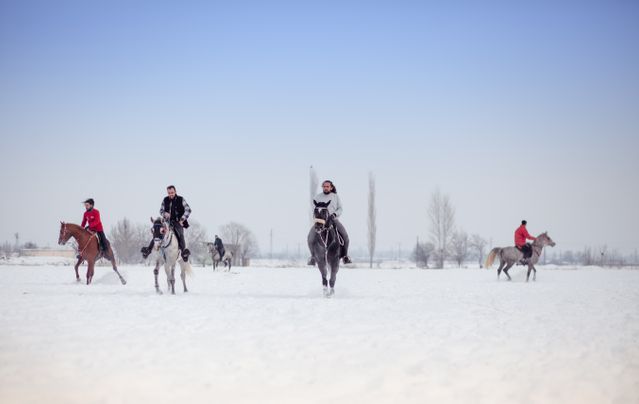
- Develop products for colder and wetter conditions
- Specify materials and care requirements
- Work backward from the selling date
- Control colors, sizes, and quantities
- Test products in realistic conditions
- Use sales results to plan the next release
- Frequently asked questions
1. Plan for Customers and Climates
Start with the markets you intend to serve. “Summer” does not mean the same conditions to a rider facing dry heat, prolonged humidity, or mild temperatures with frequent rain. Likewise, a winter product intended for a wet coastal region may need different priorities from one developed for a colder, drier location.
Record the customer’s location, riding discipline, typical season length, competition schedule, and buying behavior. A retailer serving several regions may need a flexible range with different weights and layers. A brand selling primarily to one climate can be more specific.
The seasonal equestrian collection should reflect the needs of both rider and horse, but it should not suggest that a product alone determines appropriate horse care. The British Horse Society’s rugging guidance emphasizes assessing the individual horse and conditions, including fit and the possibility of overheating. That is a useful principle when naming and describing seasonal horse products.
Write a brief for each market before choosing fabrics. The wider Equestrian Collection Development Guide for Brands can help connect those market decisions to a coordinated range of apparel and horse gear.
2. Separate Core and Seasonal Products
A brand does not need to redesign every product twice a year. Establish a group of core styles that customers can recognize and reorder, then add products or variations that answer specific weather-related needs.
| Range | Possible products | Planning priority |
|---|---|---|
| Year-round core | Breeches, show shirts, gloves, saddle pads | Consistent fit, colors, and replenishment |
| Warm weather | Lightweight riding layers, fly masks, fly rugs | Comfort, coverage, and appropriate materials |
| Transitional weather | Adaptable layers and lighter horse rugs | Versatility and changing conditions |
| Colder or wetter weather | Warmer rider layers and selected rugs | Fit, drying, durability, and intended protection |
This structure keeps the seasonal equestrian collection understandable for customers. A reliable breech fit might remain available all year, while fabric weight or color changes for a particular release. A familiar saddle pad shape could carry a limited seasonal color without requiring an entirely new pattern.
 Distinguish a genuine product improvement from a cosmetic change. If a “winter” breech uses the same fabric and construction as the core version, a darker color alone does not make it warmer. Product descriptions should reflect the approved materials and tested performance.
The Bushi Sports® guide to building a complete horse and rider product collection provides the broader assortment framework. For seasonal planning, keep the most dependable styles at the center and add only the variations your customers have a reason to buy.
3. Build a Warm-Weather Range
Riders often look for apparel that remains comfortable during long periods at the yard or in the saddle. A warm-weather seasonal equestrian collection may include lighter riding shirts, suitable breeches, gloves, and horse products intended for insect management.
For shirts, assess the finished garment’s fit, coverage, ventilation, moisture behavior, and drying time. A light fabric can feel pleasant as a swatch but become too sheer or lose its shape in use. The equestrian show shirts guide explains why fabric, collar construction, seams, and movement should be evaluated together.
Breeches require the same care. Fabric weight alone does not establish how cool a garment will feel or whether it will remain opaque when stretched. The riding breeches fabric guide covers weight, stretch, grip, and other properties that should be checked on finished samples.
Fly masks and fly rugs can extend the warm-weather range, provided they are developed around fit, visibility where relevant, ventilation, and secure closures. The Bushi Sports® horse fly mask materials guide examines mesh, shaping, and comfort. Avoid claiming a specific level of UV or insect protection without evidence for the finished product.
Horse comfort should remain central to product guidance. The British Horse Society’s hot-weather advice notes that a fly rug may make it harder for a horse to stay cool in very hot conditions and recommends considering light-colored, breathable options and access to shelter. A seasonal equestrian collection should give buyers clear product information without presenting one item as suitable for every day or every horse.
4. Develop Products for Colder and Wetter Conditions
Cold-weather planning should account for the customer’s riding routine as well as the forecast. A rider may need a comfortable base layer under a show jacket, a warmer training garment, or a product that dries predictably after washing. Garments should still permit full riding movement rather than relying on bulk for warmth.
Horse rugs introduce additional decisions: intended stable or turnout use, shell material, lining, fill, fastening, fit, and care. “Winter rug” is too broad to function as a manufacturing specification. Describe the construction and intended conditions clearly, and consider how customers will compare options within the range.
The Bushi Sports® horse rug and blanket guide discusses shell fabrics, weights, seasonal uses, and fit. It also makes an important distinction for a seasonal equestrian collection: a horse’s rugging needs depend on the individual animal and current conditions, not simply the month on a calendar.
Transitional products deserve attention too. In markets with changeable weather, a well-specified lighter rug or versatile rider layer may see more use than an item designed for a narrow temperature range. Compare how often customers are likely to need each product before assigning it a large share of the opening order.
5. Specify Materials and Care Requirements
Seasonal language must lead to measurable product decisions. For each garment, document fabric composition and construction, weight, stretch, opacity, finish, seam design, trims, and intended care. For horse textiles, include layer structure, dimensions, fasteners, bindings, and the relevant fit points.
Do not select fabric solely by grams per square metre. Two materials of the same weight can differ in coverage, air movement, stretch recovery, drying, and hand feel. Approve the material as part of a finished sample and assess it for its intended use. The Bushi Sports® guide to equestrian apparel manufacturing and design offers further detail on matching construction to riding conditions.
Care is particularly important when a seasonal equestrian collection includes mud-exposed rugs, regularly washed saddle pads, or light-colored summer clothing. Test the complete product, including coatings, foam, embroidery, labels, and closures. ISO 3758:2023 establishes a system of textile care symbols, but the directions on a product should follow what its approved construction can withstand.
Ask how the product will be used after purchase. A technically impressive material that requires impractical cleaning may be unsuitable for an everyday yard item. Clear, accurate care guidance helps customers understand what they are buying and helps the brand maintain consistency across reorders.
6. Work Backward From the Selling Date
A seasonal product needs to arrive before customers are actively searching for it. Set the intended in-stock date first, then work backward through freight, bulk production, pre-production approval, sample revisions, material sourcing, and initial design.
Use a separate calendar for each market if the brand sells across regions. A single global “spring launch” date may miss the relevant buying window elsewhere. Also allow time to photograph samples, prepare product pages, train retail partners, and resolve any final labeling questions.
Give the manufacturer the intended selling date and destination market during the first discussion. The custom sportswear lead-time guide explains the factors that can influence a production schedule. For a seasonal equestrian collection, confirm lead times for each product category: a shirt, embroidered saddle pad, and constructed horse rug may have different development and production requirements.
Keep approvals in sequence. A photographed prototype should not quietly become the bulk-production reference if its fabric, fit, or trim subsequently changes. Approve a final specification and pre-production sample for each style before relying on its delivery date.
 7. Control Colors, Sizes, and Quantities
Seasonal colors can create excitement, but every added color and size creates another stock unit to forecast. Begin with a limited palette that complements existing products. A core navy or black breech might pair with a new shirt color, saddle pad binding, or ear bonnet trim without requiring every item to be developed in every shade.
Plan quantities at the style, color, and size level. An order that appears large in total can become very small across many combinations. Ask the manufacturer which minimums apply to fabrics, custom colors, embroidery, and finished items. The custom equestrian gear MOQ guide explains why those requirements differ by product category.
A seasonal equestrian collection should also distinguish replenishable stock from limited releases. Use dependable materials and controlled color standards for products you intend to reorder. For a short-run accent color, be clear about whether the same material and shade will remain available later.
Calculate costs beyond the factory unit price. Include development, packaging, freight, duties where applicable, and the possibility of leftover seasonal stock. A visually appealing range still needs a price structure that supports the brand and its retail partners.
8. Test Products in Realistic Conditions
Laboratory results can help answer specific material questions, but a seasonal equestrian collection also needs practical sample evaluation. Put riding apparel through mounted movement and the expected cleaning routine. Check fit when garments are layered together, not only when each is worn separately.
For horse products, examine size, closure placement, edge finish, and stability with appropriate horses and tack. Inspect rugs after fitting and use, paying attention to shifting or rubbing. Test fly-mask shape and visibility, and ensure closures cannot create an avoidable contact problem. Record the horse, size, conditions, and observations so feedback can be traced to the sample evaluated.
Hot-weather claims require particular care. The University of Minnesota Extension’s guidance on caring for horses during hot weather explains why heat and humidity affect horse management. A textile product should not be described as preventing heat stress merely because it has a lightweight or breathable material.
After testing, compare the finished samples as a collection. Check whether colors match closely enough, care instructions remain practical, and each item fulfills its stated purpose. Document corrections and approve the final references using a consistent sample approval checklist.
9. Use Sales Results to Plan the Next Release
Once the products are live, measure more than total sales. Review which sizes sold first, which colors required discounting, what customers returned, and what they said about fit and care. Ask retailers which products shoppers handled together and which features they questioned.
Separate weather effects from product problems. An unusually warm winter can reduce demand for heavier items without proving their design is poor. Repeated complaints about rubbing, shrinkage, or a confusing size chart point to issues the next sample must address.
Use those findings to decide which styles remain core, which seasonal items deserve a repeat order, and which should be revised or discontinued. Over time, a seasonal equestrian collection becomes easier to plan when every release builds on approved patterns, reliable suppliers, and specific customer feedback.
Frequently Asked Questions
When should a riding brand begin planning a seasonal equestrian collection?
Begin early enough to complete material selection, sampling, revisions, bulk production, shipping, and product photography before the intended selling period. Work backward from the date customers need the goods and confirm category-specific timelines with the manufacturer.
Should every product change each season?
No. Keep successful core products available when demand supports them. Seasonal releases can add suitable fabrics, specific horse gear, or carefully chosen colors while preserving familiar fits and quality standards.
How should a brand choose between lighter and warmer riding fabrics?
Define the riding conditions, required movement, coverage, durability, and care routine first. Compare finished samples in use. Fabric weight is helpful information, but it does not establish comfort or performance by itself.
Are horse rugs necessary in every winter range?
No. The assortment should follow customer demand and the markets served. Rugging decisions for an individual horse depend on its condition, coat, environment, shelter, and weather. A brand should describe each rug accurately rather than suggest that every horse needs one.
What is the best way to reduce leftover seasonal stock?
Limit unnecessary style and color combinations, base quantities on size-level demand, and retain dependable core products that can sell beyond one short window. Review sales and returns after each release before increasing the next order.
Plan Your Next Collection With Bushi Sports®
A successful seasonal equestrian collection combines relevant products with realistic launch dates, accurate specifications, and careful sample approval. Build around the conditions your customers face, keep proven styles available, and use each release to improve the next.
To discuss your sample or custom order, contact Bushi Sports® through the contact page, send your requirements by WhatsApp, or email info@bushisports.com. You can also view the company location on Google Maps or connect with Bushi Sports® on LinkedIn.
For product updates and collection ideas, follow Bushi Sports® on Instagram, Facebook, X, Threads, Pinterest, YouTube, TikTok, and Medium.