Equestrian Collection Development Guide for Brands
Equestrian collection development is the process of turning a brand idea into a coordinated range that riders can understand, use and reorder. It involves much more than selecting matching colours for breeches, saddle pads and ear bonnets. Each product needs a clear purpose, suitable materials, reliable fit, an achievable production specification and a place in the overall assortment.
A small range can be more convincing than a large one when its products work well together. A show shirt should fit beneath its jacket; a saddle pad should suit the intended shape and attachment system; and the colours, labels and product information should feel consistent across the collection. Equestrian collection development becomes harder when every item has different sizes, components and suppliers.
This pillar guide explains how brands can plan equestrian apparel and horse textile accessories from the first customer brief through sampling, bulk production and repeat orders. The goal is a useful collection that can be produced consistently, not simply a set of attractive launch photographs.
Table of Contents
- Start With a Defined Rider and Market
- Build the Right Product Architecture
- Plan Materials, Colours and Trims
- Develop Fit and Sizing for Horse and Rider
- Create a Recognisable Brand System
- Write Technical Packs That Support Production
- Sample the Range and Test What Matters
- Calculate Costs and Production Commitments
- Approve Bulk Production and Control Quality
- Launch the Collection and Plan Reorders
- Frequently Asked Questions
- Discuss Your Collection With Bushi Sports®
1. Start With a Defined Rider and Market
A clear customer brief gives equestrian collection development its direction. Identify who will use the range, where they ride, what they already buy and what would make them choose a different product. A competition rider, a riding school and a retailer serving everyday leisure riders may value different materials, fits and price points.
Avoid describing the audience only as “premium riders.” Record practical details: likely discipline, climate, preferred silhouettes, size range, care habits and typical purchasing channel. If a brand already has customers, use their fit comments, returns and repeated requests. If it is new, separate researched observations from assumptions that still need testing.
The equestrian collection development brief should explain why the range exists. It might provide coordinated schooling essentials that are easier to care for, competition clothing with more dependable sizing, or horse accessories in a distinctive colour system. This position should influence construction and assortment decisions, not just advertising language.
Define What the Launch Must Achieve
Set a manageable first-release objective. A brand may want to demonstrate its visual identity, test demand for one category or serve an established customer base. Each goal calls for a different breadth of products.
Equestrian collection development also needs a realistic timeline. Work backwards from the stock-availability date, allowing time for material sourcing, prototypes, fit reviews, revisions, testing, production, inspection and transport. A requested launch date is useful only when the decisions and approvals required to meet it are understood.
Document which choices are fixed and which remain open. A finalised logo and target customer can coexist with several material options still under review. Making that distinction early helps suppliers offer relevant alternatives without changing approved parts of the concept.
2. Build the Right Product Architecture
In equestrian collection development, a product architecture gives each style a reason to be in the range. Divide the assortment into core items, coordinated accessories and optional seasonal additions. Core products should be suited to replenishment, while experimental colours or details can be introduced more selectively.
For example, a schooling collection could centre on riding breeches, a technical top and a saddle pad, with gloves and an ear bonnet as complementary products. A competition range might instead prioritise a show shirt and jacket. These are examples, not fixed launch formulas.
| Product role | Possible example | Decision to make |
|---|---|---|
| Anchor apparel | Breeches or riding tights | What fit and performance make the product worth buying? |
| Layering product | Show shirt or technical top | How will it work with the other garments? |
| Anchor horse accessory | Saddle pad | Which shape, lining and attachment details suit its use? |
| Coordinating accessory | Ear bonnet or gloves | Does it add functional and visual value? |
| Seasonal option | Rug or lightweight layer | Is demand sufficient to justify extra variants? |
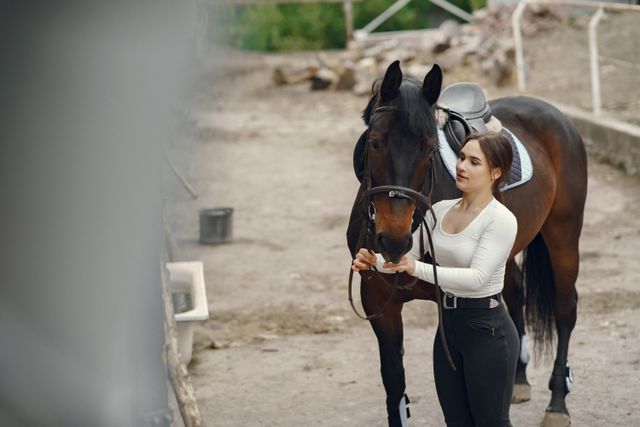
Equestrian collection development must account for variants, not only style names. Five styles in three colours and five sizes can create many stock combinations. Horse products may add separate size and shape options. Every variation needs a specification, a purchasing decision and accurate inventory information.
 Keep the Assortment Commercially Manageable
Estimate likely demand by style, colour and size using sales history or customer research. When no reliable data exists, treat the initial allocation as an assumption to review after launch. Ordering equal numbers across every size can be convenient for production but may not match actual demand.
Effective equestrian collection development does not require every colour on every product. A core navy might carry across the full range, while a seasonal accent appears only on selected styles. This keeps the offer coordinated without multiplying slow-moving stock.
If the brand develops horse gear and rider apparel together, remember that they involve different fitting and testing work. The horse gear materials and construction guide and equestrian apparel manufacturing guide can support category-specific decisions within the wider plan.
3. Plan Materials, Colours and Trims
Material selection in equestrian collection development should begin with function. Riding tights need appropriate stretch and recovery; a show shirt must accommodate shoulder movement and its intended coverage; a saddle pad combines an outer, padding, lining, quilting and binding. Similar colours cannot make the same fabric suitable for all of these uses.
Equestrian collection development is easier to control when every approved component has a reference. Record fabric composition, construction, weight where relevant, finish, supplier and colour. Give separate references to linings, elastics, zippers, webbing, hardware and labels.
The saddle pad construction guide shows how multiple layers affect one finished accessory. When developing a complementary ear bonnet, the ear bonnet materials guide explains why ear panels and the main body may need different properties.
Build a Colour System on Real Materials
Approve colours on physical samples of each intended substrate. An embroidered thread, knit fabric, woven pad and coated trim may look different even when a supplier uses the same colour name. Decide whether the aim is a close match, a tonal family or intentional contrast.
Review the products together under consistent lighting. Record the approved reference and visual expectation for each material. Photographs help communicate a design direction, but a photographed shade should not replace a physical approval standard.
Equestrian collection development should also consider continuity. Ask whether a material is regularly available, produced only above a particular quantity or subject to a custom dye run. A colour that is easy to sample but difficult to reorder may create problems for a permanent product.
Shared trims can simplify purchasing and reinforce identity, provided they suit each application. A zipper finish may carry across apparel, while a buckle selected for a horse product still needs to meet that product’s construction requirements.
4. Develop Fit and Sizing for Horse and Rider
Fit systems in equestrian collection development should be defined before grading the complete range. Rider body measurements, finished garment measurements and horse product dimensions serve different purposes. A familiar size name does not remove the need to state exactly how an item is measured.
For clothing, establish a base fit block for the intended customer. Decide whether each style is fitted, regular or relaxed, and specify how it is meant to layer. ISO 8559-1 provides guidance and definitions for body measurements used in clothing development; the brand still needs its own garment measurements and fitting decisions.
Test Riding Movement
Evaluate apparel while the wearer reaches towards the reins, bends the knees and hips, sits and moves. A garment that fits standing may pull at the shoulders or rise in a riding posture. Check pocket access, grip placement, ankle bulk beneath boots and coverage when the fabric stretches.
The breeches design guide examines the seat, waistband, knee and lower leg in detail. For competition products, assess the show shirt beneath the show jacket rather than reviewing each garment in isolation.
Equestrian collection development should include size-set reviews. A single approved medium sample does not prove that smaller and larger sizes preserve proportions, pocket access or graphic placement.
Define Horse Accessory Measurements Separately
For a saddle pad, specify shape, length, depth and attachment placement. For an ear bonnet, record ear shape and relevant finished dimensions. For rugs, define the measurement method, closure adjustment and graded coverage.
Labels such as pony, cob and full may be familiar, but dimensions and fitting references still need to be documented. Assess representative finished samples with suitable equipment and in their intended use. If a product shifts or creates rubbing, investigate shape and adjustment as well as the nominal size.
5. Create a Recognisable Brand System
Equestrian collection development produces a connected range when its design decisions follow a consistent system. This may include a controlled colour palette, repeatable logo placement, complementary trim finishes, related label designs and a coherent photography style.
Avoid forcing one decoration technique onto every material. Embroidery can suit selected stable panels, while a stretch garment may call for another application. Evaluate appearance, flexibility, reverse-side feel and care requirements on the actual product. The sublimation versus embroidery guide provides a starting point for these choices.
Position Branding for Use
Decide where a prominent mark serves the design and where a smaller detail is more appropriate. A logo close to a contact area may create unwanted bulk; a decoration crossing a seam can complicate production. Make decisions using physical samples rather than mockups alone.
Equestrian collection development should distinguish brand standards from style-specific artwork. The brand guide can define logo spacing and approved colours, while each technical pack shows the exact dimensions and placement for that particular item.
Packaging decisions in equestrian collection development should follow the sales channel. A retailer may need easy-to-scan identification and compact packing; a gift-oriented product may justify more elaborate presentation. Record folding, labels, hangtags and packaging materials before final costing.
Care instructions must reflect the finished article, including trims and decoration. ISO 3758 sets out a care-symbol system for textile products, but the specific instructions should be chosen using evidence for the completed product.
6. Write Technical Packs That Support Production
A technical pack turns an equestrian collection development brief into a reproducible product. It should allow the manufacturer, buyer and quality team to identify the same materials, measurements and construction details without guessing from photographs.
Include front and back drawings, significant internal details, a bill of materials, colour references, measurement points, tolerances, stitching, attachments, branding and packaging. Horse gear may need sectional drawings or close-ups where layers and strap paths are difficult to explain in a flat illustration.
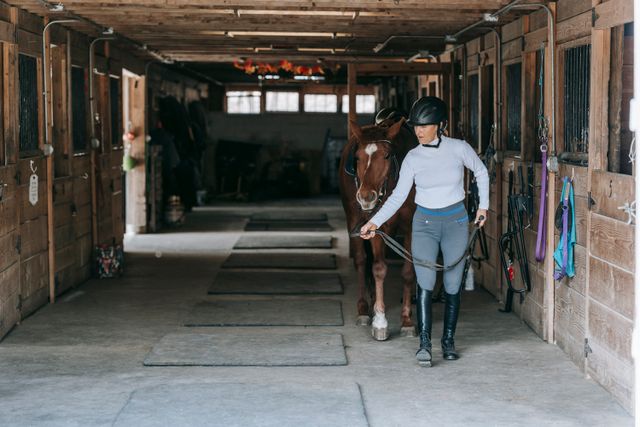
Equestrian collection development benefits from a separate product record for every style, supported by a master list of shared components.
 Replace Vague Terms With Observable Details
“Strong buckle,” “premium fabric” and “comfortable fit” express intentions, not complete specifications. Record the buckle reference and attachment method, fabric construction and performance criteria, and fit measurements that can be checked on a sample.
Give each revision a clear identifier and date. When a pocket moves, update the drawing, measurement chart and approval comments together. When a shared trim changes, identify every style affected.
A current technical pack reduces confusion during reorders. It also helps compare quotations fairly: two suppliers cannot provide meaningfully comparable prices when they have interpreted the construction differently.
7. Sample the Range and Test What Matters
Sampling in equestrian collection development should answer questions in a deliberate order. Early prototypes can establish shape and construction. Fit samples help resolve movement and measurements. A pre-production sample should represent the approved materials, colours, trims, branding and packaging.
Mark the stage of each submission clearly. An attractive sales sample may contain temporary materials and should not be mistaken for the final production reference.
The sample approval checklist provides a way to record revisions, measurements and outstanding decisions. Use it with product-specific checks rather than applying one identical form to every category.
Evaluate Both the Item and the Collection
Within equestrian collection development, review each product for its own function. Inspect garment fit, fabric behaviour and seam quality; examine horse accessories for dimensions, attachment placement, edge finish and cleaning requirements.
Then lay out the entire range. Does the navy match as intended? Are labels consistently placed? Do the breeches, shirt and jacket layer correctly? Can a customer recognise which accessories belong with which apparel styles?
Equestrian collection development needs this second review because individual items can pass their own checks while the range remains inconsistent.
Set Test Requirements Before Reporting Results
Select tests according to expected use. Apparel may require stretch recovery, pilling, colourfastness and wash assessment. Rugs and other textile accessories may call for different checks of seams, straps, abrasion or weather-related claims.
Agree on the method, specimen, preparation and acceptance criterion with the manufacturer or laboratory. A result for a flat material does not automatically establish the performance of a finished product with seams, hardware and multiple layers.
Record observed failure modes, not only pass/fail labels. This makes corrections more useful and keeps performance claims tied to evidence.
8. Calculate Costs and Production Commitments
Equestrian collection development must consider the target selling position while designs can still be adjusted. Changing construction after several rounds of approval consumes time and may require further testing.
Request quotations against the same product specification and quantity breakdown. Identify sample charges, material minimums, custom colours, decoration setup, packaging, inspection and freight separately where relevant. Check the delivery basis before comparing unit prices.
Equestrian collection development should treat costs as a range-level question. A higher-cost anchor product may be commercially acceptable, while an accessory with too many custom components may undermine its intended price point.
Understand Minimum Quantities
Ask whether minimums apply to a style, colour, fabric, trim or entire order. A supplier may accept a mixed size range within one colour but require a separate minimum for a custom-dyed fabric. These details determine how many variants the brand can reasonably launch.
Do not assume a low initial quantity will guarantee affordable reorders or continuous access to the same materials. Discuss expected reorder sizes, material lead times and the treatment of leftover branded trims before approving the first order.
Make Changes Transparently
When a quote is too high, review alternatives with the full specification in view. A different material, fewer pattern pieces or a simpler decoration method may be sensible, but each change should be resampled where it affects fit, appearance or performance.
Equestrian collection development is more predictable when commercial changes are documented as design revisions instead of silently absorbed into production.
9. Approve Bulk Production and Control Quality
Bulk approval in equestrian collection development should be tied to an identified sample and the current technical pack. Confirm that materials, measurements, colours, artwork, labels, care information and packaging all refer to the same revision.
Keep a record of remaining exceptions and their resolution. A general approval message is insufficient if the zipper, buckle or logo placement is still being discussed.
Inspect Production Against the Approved Standard
Quality checks should occur during production as well as at the end. Review material identification, cutting, measurements, seam formation, attachment security, trim finish and branding position according to the product.
A sample produced carefully by a development team does not automatically prove that the bulk process is consistent. Compare production units with the approved reference and keep records connected to the relevant style, colour and batch.
Equestrian collection development also needs a plan for substitutions. If a nominated material becomes unavailable, obtain the proposed alternative, identify the affected styles and approve it before it enters production.
Coordinate Complete Deliveries
A collection launch often depends on several product types arriving together. Track each style’s material readiness, sample approval and production status. Decide in advance whether a delayed accessory should hold the whole range or be released later.
Packaging and cartons should identify product variants accurately. Where GS1 identifiers are used, GS1 explains that size and colour variations require their own GTINs. Internal stock codes should likewise distinguish the actual products being ordered and shipped.
10. Launch the Collection and Plan Reorders
For equestrian collection development, product information should come from the approved specification. Describe fabric composition, fit, care, dimensions and functional features accurately. Show the details customers need to judge suitability, such as pockets, grip placement, saddle pad attachments and rug closures.
Coordinated photography can demonstrate the collection as a whole, while individual product images should show each item clearly. Cross-link related items so buyers can assemble their own set without assuming every product must be purchased together.
Equestrian collection development does not end with the first delivery. Track sell-through, returns, sizing questions, repeat requests and feedback about cleaning or wear. These signals indicate which products should remain core, which variants should be reduced and what needs redesign.
Protect Reorder Consistency
Retain approved materials, patterns, artwork, measurements and physical reference samples. Before ordering again, confirm whether suppliers, fabrics or finishes have changed. Similar composition labels do not guarantee the same hand feel, colour or performance.
Use the first launch to improve future size allocations and colour quantities. Keep successful construction stable where possible, and document improvements so customers know what has changed.
Equestrian collection development can then expand with purpose. New colours, a complementary rug or an additional fit can follow proven demand while remaining recognisably part of the original range.
Frequently Asked Questions
How Many Products Should a New Equestrian Brand Launch?
There is no fixed number for equestrian collection development. Choose a range that can be sampled, stocked and explained properly. Start with products that meet a defined customer need, then add accessories or seasonal options when their role and required inventory are clear.
Can Rider Apparel and Horse Accessories Be Developed Together?
Yes, particularly when a coordinated visual range is important. They still need separate materials, measurements and functional assessments. Plan their sample approvals independently, then review the collection together.
What Information Does a Manufacturer Need to Quote?
Send the product list, intended customer, reference designs, material preferences, sizes, colours, branding, estimated quantities, packaging expectations and delivery market. Indicate which details are approved and which require development support.
How Should a Brand Choose Its Size Range?
Use target-customer information, existing sales data and the intended fit. Define body and finished-garment measurements separately. Review a size set and record how horse accessory sizes are measured rather than relying only on familiar size names.
When Is a Sample Ready for Bulk Approval?
It is ready when the required fit, materials, construction, colour, trims, branding, care information and packaging match the approved specification. Any unresolved exception should be identified and closed before it affects production.
What Makes Reorders More Consistent?
Clear equestrian collection development records, approved samples and stable component references help a supplier reproduce the range. Review substitutions, update revisions and compare new production with the approved standard before shipping.
Discuss Your Collection With Bushi Sports®
Equestrian collection development works best when the customer, product range, specifications and commercial plan support one another. A defined equestrian collection development brief gives every later decision a purpose, while documented samples make the approved designs easier to produce again.
Bushi Sports® works with brands, retailers and wholesale buyers on custom equestrian apparel and horse textile products. Share your intended products, design references, sizes, materials and estimated quantities to begin a focused discussion about samples and production.
To discuss your sample or custom order, use the contact page, send the details through WhatsApp, or email info@bushisports.com. You can view the company location on Google Maps or connect with Bushi Sports® on LinkedIn.
Follow the company on Instagram, Facebook, X and Threads. For more product content, explore Pinterest, YouTube, TikTok and Medium.