Horse Fly Mask Materials: Mesh, Visibility, Fit and Comfort
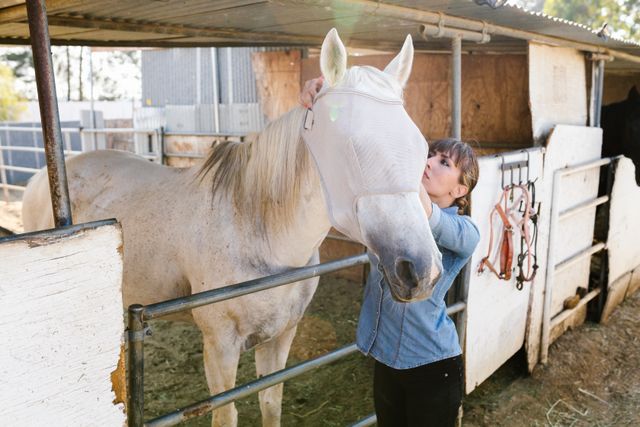
Horse fly mask materials determine whether a mask keeps insects away while remaining comfortable through daily turnout. The mesh must create a useful barrier without collapsing against the eyes. The pattern must leave room for the horse’s face, and the edges and closure must stay secure without rubbing.
For equestrian brands, tack retailers and distributors, these details are product development decisions. Two masks may look similar in a photograph but perform differently once a horse lowers its head to graze, shakes off insects or wears the mask for several hours.
This guide examines horse fly mask materials as a complete system: mesh, eye shaping, edge finishes, ear and nose coverage, closures and optional UV protection. It also explains what wholesale buyers should check in a sample before approving bulk production.
Table of Contents
- Why horse fly mask materials matter
- Choosing mesh for protection and airflow
- How mesh and construction affect visibility
- Designing a secure, comfortable fit
- Edge finishes, ears and nose coverage
- Evaluating UV protection claims
- Sampling and quality checks for wholesale buyers
- Frequently asked questions
Why Horse Fly Mask Materials Matter
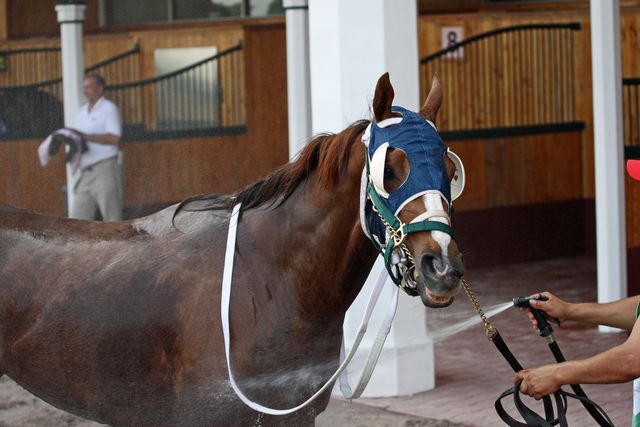
A fly mask works as a physical barrier. It can help reduce insects gathering around the horse’s eyes and face, but it has to remain usable during ordinary movement. The University of Minnesota Extension’s guidance on fly control includes fly masks alongside stable hygiene and other measures rather than treating any one product as a complete fly-control plan.
That distinction matters when developing a product range. A mask cannot compensate for every source of flies around a stable, but its construction should reliably provide the coverage it promises. Material choice affects the barrier, airflow, shape retention, cleaning and wear life. Pattern design then determines where those materials sit on the horse.
Buyers planning several horse products can use the broader horse gear materials and construction guide to compare how fabric decisions change across fly masks, rugs, saddle pads and other equipment. For a fly mask specifically, the first material decision is the mesh used over the face and eyes.
Horse Fly Mask Materials: Choosing the Right Mesh
Mesh is the defining component of most fly masks, but “breathable mesh” is not a complete specification. Buyers should examine the size and consistency of its openings, the stability of its structure, its feel against the horse and how it behaves after handling and cleaning.
| Mesh consideration | What to assess in a sample | Why it matters |
|---|---|---|
| Opening size | Whether the openings are consistent and appropriate for the intended insects | The barrier must match the product’s intended use |
| Structure | Whether the mesh retains its shape over the eyes | Sagging fabric can reduce eye clearance |
| Airflow | Whether the complete mask feels suitable for the intended climate and turnout conditions | The face covering should remain comfortable in use |
| Surface and edges | Whether yarns, seams or cut edges feel rough | Contact points can contribute to rubbing |
| Durability | Whether the mesh snags, tears or distorts during normal handling | Damage can shorten the useful life of the mask |
A fine mesh may be appropriate when a buyer wants greater coverage against small insects, while a more open construction may suit a different product brief. Neither choice should be judged by opening size alone. The yarn, weave or knit, fabric weight and finished mask shape all influence the result.
Horse fly mask materials should also be chosen with the full product in mind. A firm mesh panel may hold a shaped eye area well, while a softer material may work better in an ear section. Using one fabric everywhere can simplify sourcing, but different sections of the mask have different jobs.
Buyers should request actual mesh swatches and a finished sample rather than approving material from photographs. Hold the mesh against a light background, inspect it at close range and check whether repeated handling changes its shape. These simple reviews help narrow the options before the mask is assessed on a horse.
How Horse Fly Mask Materials Affect Visibility
A horse must be able to see through the eye panels, and the panels must stay away from its eyes. Mesh transparency is part of that requirement; finished mask shape is the other part.
A clear-looking mesh will not solve a pattern that folds inward. Likewise, a well-shaped mask cannot deliver good visibility if a printed graphic or dense trim covers the viewing area. Product development should evaluate both the material and where it sits when the horse moves.
Keep the eye area shaped and clear
Darts, pleats or shaped panels can create room around the eyes. Their placement should be checked on a correctly sized horse, including when it lowers its head. The mesh should retain enough structure that it does not press against the eyelashes or eye surface during wear.
The eye panels also need consistent assembly. If one dart is stitched at a different depth from the other, the finished mask may sit unevenly. That is a reason to measure the completed sample as well as reviewing its appearance.
Keep branding away from the viewing area
Custom colors and branding help a private label mask stand out, but visibility should guide placement. Logos are better considered for appropriate side panels, trim, labels or packaging than for the central viewing area. If a printed design is proposed on mesh, review its position on a finished sample before production.
A practical inspection includes looking through each eye panel in normal daylight, checking for distorted or obstructed areas and observing how the horse responds while wearing the mask. Such checks help assess the product in use; they are not a substitute for veterinary assessment of a horse’s eyesight.
Designing a Secure Horse Fly Mask Fit
Fit determines whether the chosen horse fly mask materials can do their job. A loose mask may rotate, slip or let the eye mesh move inward. A tight one can place pressure on the face or rub at the edges.
Begin with a size chart that describes the measurements used for each size, rather than relying only on labels such as pony, cob, full or extra full. Head shape can vary within those categories. A buyer developing multiple sizes should check the forehead, cheek, jaw and nose areas on suitable horses before approving the grade between sizes.
A useful fitting review asks:
- Does the mesh remain clear of both eyes while the horse stands, grazes and shakes its head?
- Does the forehead and cheek area stay in position without pulling?
- Does the lower edge remain secure without pressing into the face?
- Can the horse move its ears naturally if ear covers are included?
- Does the closure hold without creating a bulky or rough contact point?
Closure adjustment should allow for a secure fit, but a wide adjustment range cannot repair an unsuitable pattern. The fly-mask manufacturer Cashel advises checking that eye darts remain clear of the eyeball and looking for rubbing or trapped debris during use. That is a useful reminder to assess the fitted product over time, not just at the moment it is fastened.
For bulk buyers, the approved sample should record where the closure sits, how much adjustment remains available and how the mask fits each intended size. Those details help make repeat orders more consistent.
Comfort Depends on More Than Soft Mesh
Softness is valuable, especially at contact points, but comfort comes from the whole construction. Binding, seams, closure placement and the mask’s shape all affect how horse fly mask materials feel during wear.
Review every edge that touches the horse
The forehead, cheek and lower face edges deserve close attention. Binding should cover rough cut edges and lie smoothly without twisting. Soft trim can help in suitable areas, but it must also be practical to clean and dry. A bulky finish may collect dirt or create pressure where the mask is fastened.
Inspect the inside of the mask as carefully as the outside. Loose threads, stiff seam allowances and uneven joins may be difficult to see in product photography but obvious during a hands-on sample review.
Match ear coverage to the intended use
Some buyers want eye-only coverage; others want mesh ear panels for horses bothered by insects around the ears. Ear sections need enough room for natural ear movement and should join the main mask without a rough ridge. Offering both versions can give retailers a clearer product range than assuming every customer needs the same coverage.
Decide whether a nose extension is useful
A longer nose section changes the area covered and the way the mask sits on the face. It should be specified according to the target horse and intended use, with particular care that it does not interfere with the nostrils or normal grazing. The added panel, its hem and its connection to the main mask all need checking on the finished sample.
These choices should appear in the product specification. Bushi Sports® offers customization of mesh, sizing, ear coverage, nose length, trim and closures through its custom horse fly mask manufacturing range.
UV Protection Requires a Separate Decision
Some brands want a fly mask that also makes a UV protection claim. That requirement should be stated at the start of development because mesh appearance alone does not establish how much ultraviolet radiation it blocks.
Ask the material supplier what testing supports the claim and identify the exact fabric being tested. The AATCC TM183 test method is designed to measure UV radiation transmitted or blocked by textile fabrics. A result for one material should not be presented as proof that every fabric, color or finished design performs identically.
Coverage and fit still matter. A tested fabric does not protect an area left uncovered by the mask, and a mask that slips may expose part of the face. Brands should make specific claims only where they have suitable evidence for the material and finished product they intend to sell.
If a horse has an existing eye problem or a veterinarian has recommended particular protection, the owner should follow that professional advice. Fly masks are equipment, not treatment for an eye condition.
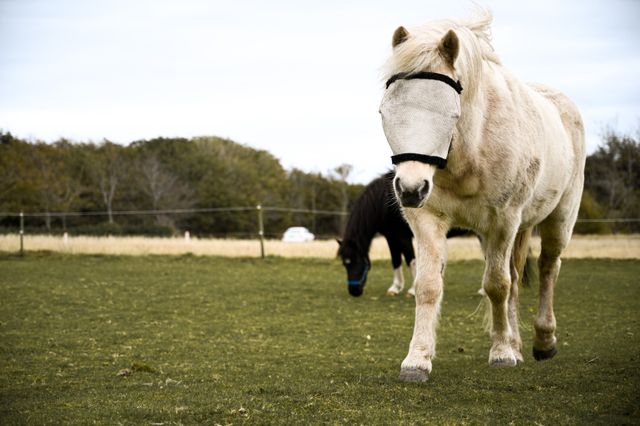
A Practical Specification for Custom Horse Fly Masks
A clear brief helps a manufacturer recommend horse fly mask materials and build a sample that can be evaluated properly. It also makes quotations easier to compare across styles.
Include the intended market and use first: everyday turnout, a particular insect season, a specified climate or a private label retail collection. Then define the product in enough detail to prevent assumptions during sampling.
| Specification area | Details to provide |
|---|---|
| Size range | Intended horse types, target measurements and sizes |
| Mesh | Preferred structure, color, feel and any required test documentation |
| Eye construction | Required shaping, clearance and position of darts or panels |
| Coverage | Eye-only, ear coverage, nose extension or multiple versions |
| Edges and closure | Binding, trim, fastening type and adjustment range |
| Branding | Logo location, labels, hang tags and retail packaging |
| Commercial plan | Quantity by style, color and size; destination market |
A physical reference mask is especially helpful if the buyer wants to reproduce a particular shape or improve a known fit problem. Mark what should change: perhaps more eye clearance, a different ear panel or a softer lower edge. That gives the sampling team a more useful starting point than a photograph alone.
For brands building a wider collection, the private label equestrian gear manufacturing guide covers how specifications, sampling, branding and bulk production fit together.
Sampling and Quality Checks Before Bulk Production
The finished sample is where horse fly mask materials, pattern design and stitching can be assessed together. Buyers should check it on horses that represent the intended size range and record the results before giving written approval.
Start with construction. Compare the left and right eye areas, inspect mesh for damage or irregular openings, and check seams and binding for roughness. Fasten and release the closure several times to see whether it remains secure and easy to use.
Next, assess fit during normal movement. The mask should stay positioned while the horse lowers its head, turns and shakes. Remove it after a supervised trial to look for pressure marks, rubbing or trapped debris. Clean it according to the proposed care instructions and check whether the mesh, shape and fasteners still perform as expected.
The approved sample should become the reference for bulk inspection. Record the material, measurements, construction, colors, branding placement and packaging. Bushi Sports®’ sample approval checklist provides a broader framework for documenting what has been approved before production.
Routine care remains important after purchase. Masks should be checked for dirt, wear, damaged mesh and changes in fit. If a horse develops squinting, discharge, swelling or other signs of eye discomfort, remove the mask and seek veterinary advice. The American Association of Equine Practitioners’ overview of common eye conditions explains why eye problems warrant proper examination.
Frequently Asked Questions
What are the main horse fly mask materials?
The main component is usually mesh, combined with materials for binding, ear panels, trim, stitching and the closure. The best combination depends on the required coverage, fit, climate and product positioning.
Can a horse see through fly mask mesh?
Fly-mask mesh is designed to allow visibility while creating a barrier to insects. Its effectiveness in a finished product also depends on the mask retaining its shape and keeping the mesh clear of the eyes.
Is finer mesh always the better choice?
No single mesh suits every brief. Buyers should compare insect coverage, airflow, visibility, structure and durability using material swatches and finished samples.
Should every fly mask include ear and nose coverage?
Coverage should follow the intended use. Ear panels and a nose extension can be offered as options, but each version needs its own fit and comfort review.
Can a brand claim its fly mask provides UV protection?
A brand should make a specific UV claim only when it has appropriate testing and documentation for the material and product being sold. Mesh color or appearance alone is not enough evidence.
What should I send to request a custom fly mask sample?
Send a reference image or physical sample, preferred sizes, mesh and coverage requirements, expected quantities, branding details and destination market. Identify any fit issue you want the new sample to solve.
Develop a Fly Mask Around the Horse and the Buyer
Good horse fly mask materials provide the foundation, but performance depends on how they are cut, shaped and finished. A useful sample should demonstrate a stable eye area, suitable visibility, secure fit, comfortable edges and the coverage specified for the target customer.
For wholesale and private label buyers, the strongest approach is to define those requirements, approve a finished sample on representative horses and document the result for bulk production. Bushi Sports® works with equestrian brands, retailers and distributors developing custom horse fly masks and other horse gear for international supply.
To discuss your sample or custom order, contact Bushi Sports® through the contact page, send your requirements by WhatsApp, or email info@bushisports.com. You can view the company’s location on Google Maps and connect with Bushi Sports® on LinkedIn, Instagram, X, Threads, Facebook, Pinterest, TikTok and YouTube.