Mechanical Stretch vs Spandex: How Sportswear Fabrics Get Their Stretch
Mechanical stretch gives sportswear room to move through the way its yarns or fabric are made. Knit loops can change shape under tension, and crimped yarns can straighten as the fabric is pulled. Spandex, also called elastane, adds stretch through an elastic fiber that extends and retracts. A fabric can use both mechanisms at once.
For a loose running short, a woven shell with mechanical stretch may provide all the extra room the athlete needs. For leggings or a fitted base layer, a spandex blend is often a better starting point because the fabric must stretch repeatedly and stay close to the body. The decision depends on how far the fabric extends, how much force it takes to stretch it and how well it recovers.
What Is Mechanical Stretch?
Mechanical stretch generally refers to give created by the structure of the yarn or fabric. Suppliers often use the term for fabrics with no added spandex, especially stretch wovens. A plain knit may also have inherent give because its loops can move, even if it is made entirely from polyester or cotton. The amount of movement depends on the construction. CottonWorks’ introduction to knitting explains how connected loops form a flexible fabric.
In wovens, mechanical stretch can come from crimp in the yarns or from the way the weave and finish let yarns move. Think of a wavy yarn straightening as you pull it: the distance between its ends increases even if the yarn itself barely elongates. CottonWorks’ woven cotton stretch technology is one example of how a woven fabric can be engineered for give without a synthetic stretch fiber.
Some suppliers also offer spandex-free stretch from engineered fibers, such as The LYCRA Company’s T400 polyester technology. Ask the mill what “mechanical stretch” means in its quotation. The term alone does not tell you how far the fabric stretches, in which direction or how much longer it stays after the load is removed.
How Spandex Adds Stretch
Spandex and elastane are two names for the same class of elastic fiber. LYCRA® fiber is a branded spandex, as The LYCRA Company explains. Spandex can be combined with polyester, nylon, cotton or other fibers in a knit or woven. The fiber retracts after stretching and can help the fabric return toward its original dimensions.
The percentage of spandex tells you what the fabric contains. Two fabrics with the same percentage can feel different if one is a light jersey and the other a compact double knit. The base yarns, the placement of the elastic yarn and the construction all affect how the material moves. When comparing polyester and polyester-spandex fabrics, use the composition to shortlist materials and the samples to judge performance.
7 Decisions for Comparing Mechanical Stretch and Spandex
| Buying question | Mechanical stretch fabric | Fabric containing spandex |
|---|---|---|
| Where does the movement come from? | Yarn geometry, fabric construction or both | Elastic fiber working within a knit or weave |
| How much does it stretch? | Depends on the yarn, structure and finish | Depends on the elastic yarn and how it is used |
| When is it a useful starting point? | When a relaxed or lightly fitted garment needs extra give | When a close-fitting garment or panel needs repeated extension |
| Can it recover well? | Yes, if designed and tested for the intended use | Yes, though spandex content alone does not establish recovery |
| What should a buyer request? | Fabric code, stretch mechanism and results in each direction | Fabric code, blend, extension, force and recovery data |
1. Start with the movement the garment needs
Mechanical stretch can work well when the fabric only needs to give a little as the wearer bends, reaches or takes a longer stride. A loose garment gets much of its mobility from the pattern. Extra room through the hip, a gusset or a side split may solve a restriction more effectively than replacing the fabric.
A close-fitting garment has less room, so the fabric and seams do more of the work. For a fitted base layer, sample a spandex blend if the shirt needs to follow shoulder movement and return to shape. For a training tee with a relaxed cut, test whether a knit with inherent give is sufficient before adding elastane.
2. Specify lengthwise and crosswise stretch
A mechanical stretch woven may extend mainly across its width. A spandex fabric may also stretch predominantly in one direction if that is where the elastic yarn was placed. Either fabric can be engineered for movement in both directions. Request separate lengthwise and crosswise results to clarify what a supplier means by “two-way” or “four-way.”
Check how the panel will be cut. A fabric that stretches enough across the hip can still pull from waist to knee during a deep lunge. Pulling a woven swatch diagonally may show bias give, but it does not tell you how much the garment will move along its length or width. Consider how stretch in both directions affects sportswear fit before approving the pattern.
3. Compare extension, force and recovery
Two fabrics can reach the same extension and feel different in use. One may stretch easily, while the other offers more resistance. Mechanical stretch and spandex fabrics can also recover differently after the load is removed. A pant knee that remains enlarged after repeated bending can change the fit even when the original garment measurements were correct.
Suppose two 100 mm samples each reach 120 mm under the same test load. Both extend by 20%. After the same rest period, one measures 102 mm and the other 108 mm. The first has 2% residual growth and the second has 8%. Those figures are illustrative, but the distinction matters: the same stretch percentage can produce different shape retention.
For lab comparisons, ISO 20932-1 describes strip tests for fabric elasticity. ASTM D3107 addresses stretch, growth and recovery in fabrics woven from stretch yarns. Agree on a method suited to the construction before comparing results.
4. Fit the seams and trims to the fabric
A mechanical stretch shell can feel restrictive if the liner, pocket bags or seams cannot move as far. A spandex garment can have the same problem if the waistband attachment is rigid or a crest sits across an area that needs to stretch. Evaluate the whole garment during the movement it was designed for, then inspect the seams for strain or puckering.
For custom running shorts, try full strides and lunges with the liner in place and the pockets loaded as intended. For fitted activewear, compare seam and stitch options on a sewn sample. The seam should allow the required movement while remaining comfortable against the skin.
5. Check opacity and decoration while stretched
Test the fabric at the extension it will experience in use. A light color can look opaque on a flat table and become more transparent over the hips or shoulders. This can happen with mechanical stretch fabrics and spandex blends. Check the actual color in a representative fit, especially in leggings, light team shorts and fitted base layers.
Check the logo or print while the garment is worn. A transfer may feel stiff relative to the surrounding fabric, and a printed motif may change appearance as loops or yarns spread. Test heat-applied decoration on the exact base and finish. Resolve fabric and artwork compatibility early when planning sublimation and cut-and-sew production.
6. Wash the finished sample and test it again
A fabric that moves well on the first fitting may behave differently after repeated wear and care. Test mechanical stretch and spandex options through the same agreed washing and drying procedure. Then check garment dimensions, the waistband, knees, elbows and seams. If shape retention is critical, repeat the stretch and recovery test after laundering.
Use the care procedure planned for the garment, including the drying conditions. If production includes a heat-applied logo, test a decorated sample so the results reflect what customers will receive. Establish sportswear care instructions from the performance of the finished garment.
7. Compare the full sourcing specification
Ask whether the proposed mechanical stretch fabric is stocked or made to order. Request the same information for the spandex blend: minimum quantity, usable width, available colors, reorder terms and whether the quote includes the approved finish. A lower fabric price per meter may be offset by higher fabric consumption or changes needed to achieve the intended fit.
If a brand needs a spandex-free shell, specify that separately from any claim about the whole garment. The waistband, liner and trims may use different fibers. Confirm the composition of each component and retain the approved material references before production.
Choosing a Stretch Fabric by Product
| Product | What to sample first | What to check |
|---|---|---|
| Woven running short | Mechanical stretch shell with an appropriate liner | Stride length, seat coverage and liner restriction |
| Team travel pant | Mechanical stretch woven or a stretch knit suited to the cut | Knee growth, pocket shape and comfort while seated |
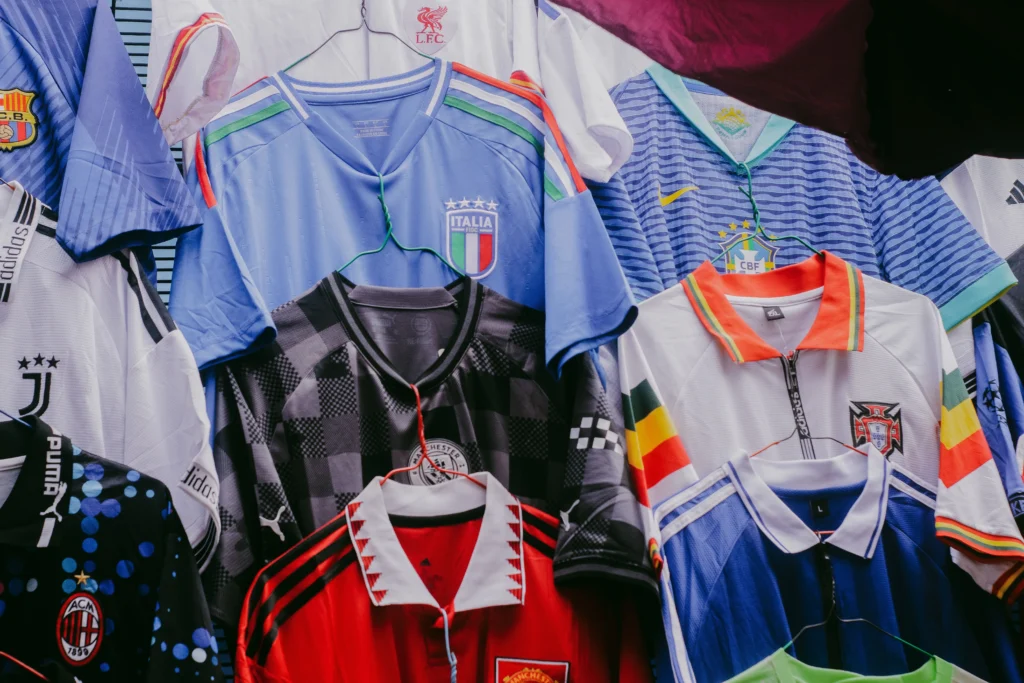
| Relaxed team jersey | A knit with enough inherent give for the pattern | Shoulder reach, fit after washing and number placement |
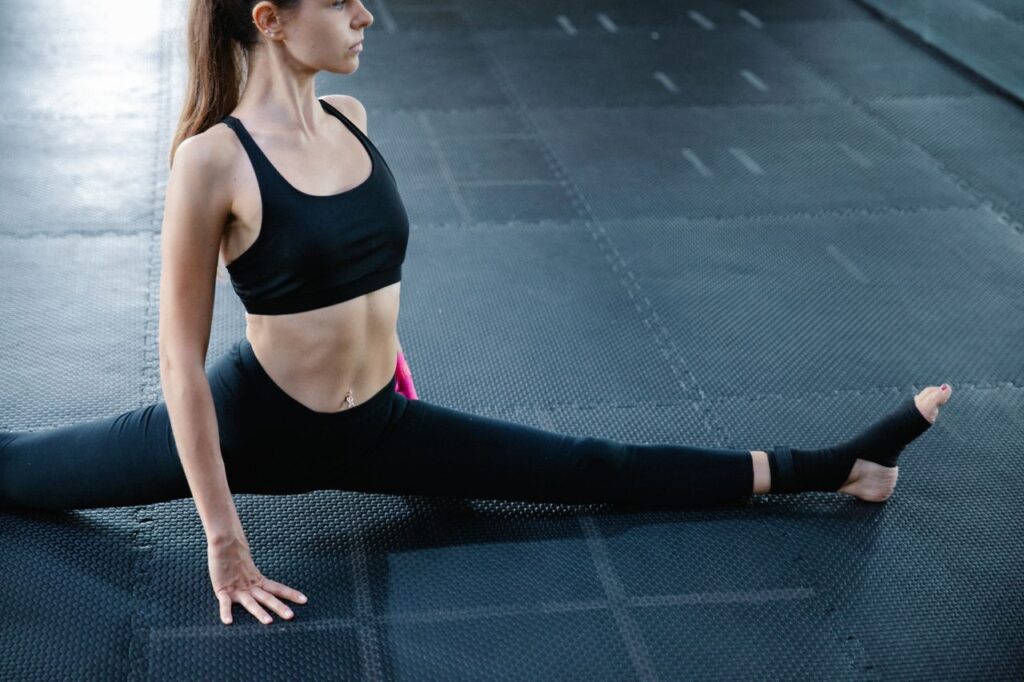
| Fitted training top or legging | A spandex blend with measured extension and recovery | Opacity, resistance during movement and seam comfort |
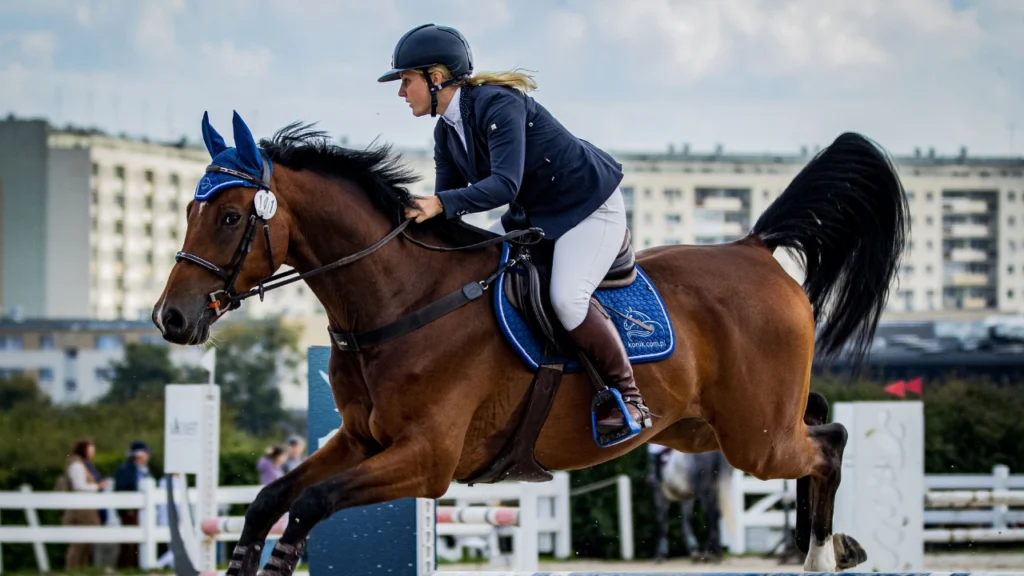
| Riding tights or structured breeches | Stretch knit for a close fit or stretch woven for a more structured cut | Knee and seat recovery, grip compatibility and saddle contact |
A collection can use a mechanical stretch shell in a running short and a spandex blend in its liner. A riding range can use a structured fabric for breeches and a softer stretch knit for training tights. In each case, test the movement and wear conditions that matter for that garment. The fabric requirements for riding breeches show why recovery, opacity and surface wear need separate approval.
What to Specify Before Bulk Production
State whether mechanical stretch is a requirement, an option or a supplier description. Include the fabric code, composition, knit or weave, finished weight, usable width and panel orientation in the sportswear tech pack. If the garment has a stretch target, document extension and recovery in each direction alongside the test conditions and acceptance limits. A direction arrow on the panel drawing can prevent the right fabric from being cut the wrong way.
For a fair comparison, use the same activity, wearer and comparable fit. Recheck movement after laundering and approve the final fabric together with its seams, lining, elastic and branding. Record the results during pre-production sample approval and retain a swatch to compare with the bulk fabric.
Frequently Asked Questions
Does mechanical stretch mean there is no spandex?
Suppliers often use the term for spandex-free fabrics. Ask for the fiber breakdown to confirm. A fabric containing spandex can also get some of its movement from knit loops or yarn geometry.
Can 100% polyester fabric stretch?
Yes. A polyester knit can give as its loops move, and a polyester woven can be engineered with yarns or a structure that allow extension. Check the amount of stretch, its direction and how well the exact fabric recovers.
Is mechanical stretch better for running shorts?
It can be a good choice for a loose woven shell that needs modest give. A fitted liner may benefit from a spandex blend. In a two-layer short, test both layers together because the less flexible one can limit stride.
Does more spandex mean better recovery?
Not necessarily. The elastic yarn, fabric construction, finishing and care conditions all affect how well the material returns to shape. Compare test results and a finished garment before changing the blend.
Choosing the Right Stretch for Your Garment
Start with the hardest movement the garment must handle. Sample mechanical stretch where the pattern provides room and the fabric needs only modest give. Consider a spandex blend where the garment must repeatedly extend and return to a close fit. Approve the fabric after checking the sewn garment in motion and after washing. BUSHI Sports® can review these requirements through its fabric sourcing and sampling services.
To discuss your sample or custom order, contact BUSHI Sports® through the contact page, send details by WhatsApp, or email info@bushisports.com. You can view the company location on Google Maps or connect with BUSHI Sports® on LinkedIn. For product and collection updates, follow BUSHI Sports® on Instagram, Facebook, X, Threads, Pinterest, YouTube, TikTok and Medium.