Knit vs Woven Sportswear Fabrics: Structure, Stretch and Performance
Sportswear fabrics are often described by their fiber content: polyester, nylon, cotton or elastane. Yet two fabrics made from the same fibers can behave very differently when an athlete runs, stretches, sweats or washes the garment. The reason is often their construction. Knitted fabrics are made by forming interconnected loops of yarn; woven fabrics are made by interlacing lengthwise and crosswise yarns.
That structural difference influences stretch, recovery, shape, airflow, surface appearance and the way a garment is manufactured. It does not, by itself, determine which fabric is better. A stable interlock knit may suit a printed team jersey, while a lightweight stretch woven may be the better choice for running shorts. A close-fitting legging and a weather-resistant training jacket need different properties even when both belong to the same collection.
This guide explains how knit and woven sportswear fabrics work, where each construction makes sense, and what brands should specify and check before approving bulk production.
Table of Contents
- What knit and woven mean
- The key differences
- Common fabric constructions
- Stretch, comfort and moisture
- Durability and garment construction
- Choosing fabric by product
- Specifications and testing
- Frequently asked questions
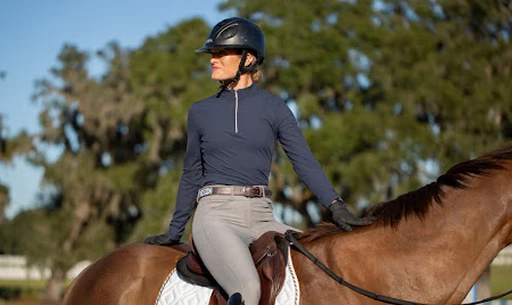
What Do Knit and Woven Mean in Sportswear Fabrics?
A knit fabric consists of yarn loops connected to neighboring loops. Because those loops can change shape under tension, many knits extend relatively easily, especially across the fabric. Weft knits form rows of loops called courses; warp knits form loops along lengthwise columns called wales. Jersey, rib and interlock are familiar knit constructions.
A woven fabric consists of warp yarns running lengthwise and weft yarns crossing them. Their over-and-under arrangement creates a more fixed framework. Plain weave, twill and ripstop are examples. Wovens can still offer useful movement through yarn crimp, engineered construction or added elastane, but their stretch must be assessed rather than assumed.
The CottonWorks explanation of knitting and its guide to weaving illustrate these two methods of fabric formation.
Fiber content is a separate question. Polyester can be knitted or woven. The same is true of nylon and cotton. Elastane can be incorporated into either structure. When comparing sportswear fabrics, a label reading “polyester” tells a buyer what a material contains, but very little about how it moves or feels in a finished garment. BUSHI Sports® explores the fiber decision separately in its polyester versus nylon activewear guide.
Knit vs Woven Sportswear Fabrics at a Glance
| Product question | Knit fabric | Woven fabric |
|---|---|---|
| How is it made? | Interconnected yarn loops | Interlaced warp and weft yarns |
| Where does movement come from? | Loop deformation, often combined with elastane | Fabric engineering, yarn crimp, elastane or garment cut |
| Typical design advantage | Comfortable movement and body-following drape | Defined shape, controlled fit and structured silhouettes |
| Common sportswear uses | Jerseys, leggings, compression tops, sports bras and base layers | Running shorts, shells, warm-up pants and structured jackets |
| Common production concern | Stretch distortion, edge curl or recovery | Fraying, seam slippage or restricted movement |
| Is either always more breathable or durable? | No; the specific construction must be tested | No; the specific construction must be tested |
These are useful starting points, not performance rankings. A dense, brushed knit may feel warmer than an open woven fabric. A weak woven can abrade sooner than a well-engineered knit. Finishing, yarn, weight, fit and care all affect the result.
Common Knit Constructions in Sportswear
Single jersey
Single jersey is widely used for training T-shirts, lightweight tops and casual athletic apparel. It can produce a soft, flexible garment with an approachable hand feel. Its exact stretch, opacity and surface appearance depend on yarn, gauge, weight and finishing. Some single jerseys curl at cut edges, so cutting and sewing methods matter.
For a brand, the question is not simply whether a supplier offers jersey. Ask whether the proposed jersey remains opaque when worn, retains its dimensions after washing and provides the right surface for the intended logo or print.
Interlock and double knits
Interlock is a double-knit structure often selected when a smoother face, more coverage or greater stability is useful. It can support clean-looking teamwear graphics and a more substantial garment. However, interlocks differ considerably in weight, stretch and airflow.
For a focused comparison within jersey development, see BUSHI Sports®’s polyester mesh versus interlock fabric guide. A brand developing one club range may use an interlock body and a more open knit in selected ventilation zones rather than forcing one material to perform every function.
Rib knits
Rib structures are frequently used at collars, cuffs and waistbands because their geometry provides extension and helps the opening conform to the body. Rib may also be used as a main fabric for fitted tops. A rib trim should be assessed with the body fabric: an attractive collar that grows after washing can spoil an otherwise well-made jersey.
Warp knits and knitted meshes
Warp-knit constructions can serve applications requiring a different balance of stability, surface character and stretch. Mesh is a description of openness, not a guarantee of comfort. Hole size, yarn, fabric weight and the garment’s placement determine its usefulness.
A very open mesh panel might increase airflow but also reduce coverage or complicate printing. It may work well under an arm or across an upper back while being unsuitable for a front panel carrying detailed sponsor artwork. CottonWorks also explains the structural distinctions among single and double knits.
Common Woven Constructions in Sportswear
Plain weaves
Plain weave uses a regular over-and-under arrangement. Depending on yarn and density, it can produce a lightweight shell, a crisp training short or a firmer accessory panel. A light plain weave is not automatically durable or opaque; these properties need checking in the chosen color and end use.
Twills
Twill creates a characteristic diagonal structure. It can provide a different drape and surface appearance from plain weave and is useful where a brand wants a more substantial, tailored look. For example, a structured team jacket or certain riding garments may use a suitable twill rather than a jersey knit.
Ripstop and engineered shell fabrics
Ripstop fabrics incorporate reinforcing yarns in a grid-like arrangement. Brands may consider them for lightweight outer layers, bags and other applications where the design brief calls for a particular balance of weight and tear resistance. The ripstop name alone does not establish how a finished fabric will handle abrasion, laundering or weather exposure.
Coated or laminated wovens introduce another set of decisions. A finish that improves resistance to wind or water may also alter hand feel, airflow, seam construction and care requirements. Specify the intended performance and test the finished material, including its coating or laminate, rather than selecting a shell from its weave name alone.
Stretch wovens
Stretch woven sportswear fabrics can provide a more defined silhouette while permitting movement. Some use elastane; others derive limited give from yarn or construction. They can suit running shorts, tapered training pants and selected show jackets. Pattern design still matters: a fabric with sufficient extension in one direction may restrict a deep lunge if panels are cut in the wrong orientation.
Stretch and Recovery: How Sportswear Fabrics Move
Stretch is the amount a material extends under force. Recovery is its ability to return toward its original dimensions afterward. A fabric that stretches generously but stays elongated can lead to baggy knees, a loose waistband or a jersey that gradually loses shape.
Knits commonly gain movement from their loop structure. Adding elastane can change both the degree of stretch and recovery, but the percentage printed on a composition label does not predict the complete result. Fabric density, yarn, finishing and the way the elastane is incorporated also matter.
Wovens may have little useful extension, one predominant stretch direction or meaningful extension in both directions. Terms such as “two-way” and “four-way” are convenient shorthand, but they do not state how far a fabric extends or how well it recovers. BUSHI Sports® explains this in its two-way versus four-way stretch fabric guide.
For a close-fitting product, examine movement at the garment level. A legging must accommodate a squat without excessive resistance or loss of coverage. A running short needs enough room for stride length even if its woven shell stretches only modestly. A sports bra requires a more controlled balance of support, extension and recovery than a relaxed training tee.
Where measurable requirements are needed, ISO 20932-1 describes strip methods for assessing fabric elasticity and related properties. Brands should specify the test conditions and acceptable results with their testing partner rather than writing “good stretch” in a tech pack.
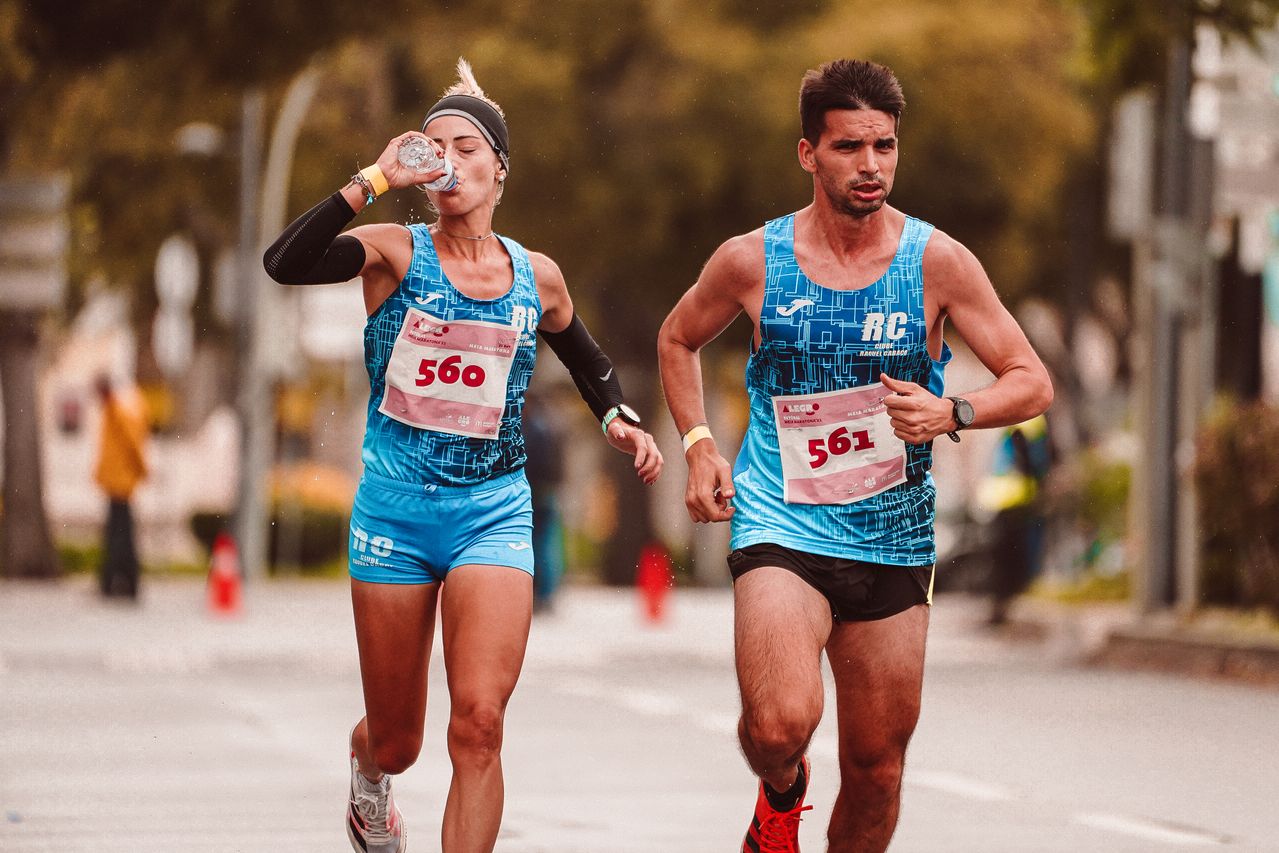
Comfort, Airflow and Moisture Management
Sportswear fabrics influence comfort through several mechanisms that should not be collapsed into one marketing word. Air permeability concerns the passage of air through a fabric. Moisture management concerns what happens when liquid sweat reaches it. Drying time, thermal feel, surface friction and garment fit are further considerations.
A knitted mesh can have visible openings and still be uncomfortable if seams rub, the fabric feels abrasive or the garment traps heat elsewhere. A lightweight woven can feel airy when cut into a loose short, even if its fabric-level airflow differs from mesh. A dense, close-fitting knit may provide useful coverage and support but be poorly matched to a hot-weather jersey brief.
Neither polyester nor nylon becomes “moisture-wicking” solely because the fiber name appears on a specification. Yarn geometry, knit or weave construction and finishing affect how liquid spreads and moves. The AATCC TM195 method evaluates liquid moisture management in knitted, woven and nonwoven fabrics, making it a relevant reference when a brand needs evidence for a specific material claim.
Match testing to the product. A high-output summer jersey may prioritize airflow and drying behavior. A cool-weather warm-up layer may prioritize coverage and insulation. A competition garment may need a clean appearance under lights alongside movement comfort. The same sportswear fabric need not be used across all three.
Weight, Drape, Opacity and Surface Appearance
Fabric weight is often expressed in grams per square meter, or GSM. It provides a useful comparison, but it cannot describe quality on its own. Two materials with the same GSM may differ in thickness, density, coverage, texture and drape. A light fabric may be appropriate for a ventilated top and unsuitable for a squat-proof legging.
Review opacity in the actual color and under realistic tension. A pale knit that looks opaque on a cutting table can become translucent when extended across the body. A woven short may appear sufficiently covered until it is backlit or becomes wet. Lining, panel placement and fit can solve some issues, but they should be considered during design rather than after a bulk order is cut.
Drape also changes the intended silhouette. A fluid knit follows body contours, while a firmer woven may stand away from the body. Neither effect is automatically desirable. The correct choice depends on whether the garment should feel compressive, relaxed, tailored or protective.
Surface texture affects decoration. Fine graphics may appear differently on open mesh than on a smoother interlock. Embroidery can distort a light, stretchy panel if the design and backing are unsuitable. Sublimation commonly suits compatible polyester fabrics, but artwork must be checked on the selected construction and color. BUSHI Sports® discusses the production implications in its sublimation versus cut-and-sew guide.
Durability, Pilling, Abrasion and Shape Retention
Durability is a collection of properties, not a single score. Abrasion describes surface wear under rubbing. Pilling concerns small fiber balls that form on a surface. Snagging, seam strength, colorfastness and dimensional stability are separate matters. Different sports expose garments to different combinations of these stresses.
A running top may face repeated washing and backpack friction. A legging may experience rubbing between the thighs and on equipment. A riding breech has sustained contact with the saddle. A team jacket may be worn over other garments and frequently packed into a bag. Define the likely wear points before deciding which tests are worth requesting.
For uncoated textile fabrics, ISO 12947-2 describes a Martindale method for determining abrasion-related specimen breakdown. The standard notes that coated fabrics require different methods when the coated surface is being evaluated. A test report is most useful when the buyer knows the method, the tested fabric and what result is acceptable for the product.
A knit is not inherently fragile, and a woven is not inherently indestructible. Poor recovery can make a strong-looking knit unacceptable for leggings, while a loosely constructed woven may fail at seams or high-stress points. Examine washed samples and actual garments as well as laboratory fabric swatches.
Construction Differences in Cutting and Sewing
Fabric selection affects how a factory cuts, joins and finishes a garment. Knit panels can distort if they are stretched during handling. Their seams must usually allow the intended extension without breaking or causing discomfort. Depending on the product, overlock, coverstitch or low-profile flatseam construction may be appropriate.
Woven edges can fray and need a suitable finish. A tightly fitted woven garment may require shaping, gussets or strategically placed stretch panels to support movement. Stress points at pockets, openings and fastenings also deserve attention. The strongest fabric cannot compensate for a seam placed where it repeatedly pulls against the body.
Mixed-material products require particular care. A woven running-short shell over a knit liner must permit both layers to move comfortably. A tracksuit with woven panels and rib-knit cuffs needs compatible dimensions after laundering. A jacket with a stretch woven body and knit side panels should be checked for puckering and uneven growth.
Brands can review BUSHI Sports®’s sportswear stitching guide when planning seam types. The final decision should be approved on a sewn sample made from the intended bulk materials, because stitch names alone do not establish comfort or durability.
Which Sportswear Fabric Works for Each Product?
| Product | Useful starting direction | Critical checks |
|---|---|---|
| Team jersey | Performance jersey, interlock or selected knit mesh | Airflow, graphics, coverage, wash stability |
| Compression top or legging | Stretch knit with controlled recovery | Fit under movement, opacity, seam extension |
| Running short | Lightweight woven shell, possibly with knit liner | Stride comfort, chafing, drying, waistband fit |
| Training T-shirt | Jersey or other suitable knit | Hand feel, shape retention, print quality |
| Tracksuit | Knit, woven or a planned combination | Silhouette, ease of movement, consistency between pieces |
| Warm-up jacket | Woven shell or structured knit, according to use | Wind exposure, lining, ventilation, closures |
| Sports bra | Supportive knit construction and compatible components | Recovery, support, edge comfort, wash behavior |
| Riding breech | Suitable stretch knit or stretch woven | Saddle friction, recovery, grip compatibility, fit |
These are development directions rather than universal prescriptions. In equestrian apparel, for example, close-fitting riding tights and structured show jackets may call for distinct materials. The horse riding breeches fabric guide provides a closer look at stretch, abrasion, opacity and grip in that application.
A coherent collection may deliberately combine several sportswear fabrics. A team might share colors and design details across a knit match jersey, a woven training short and a structured travel jacket. The BUSHI Sports® teamwear collection guide explains how product roles fit into a wider club range.
A Practical Selection Process for Brands
Start with the athlete and the activity. Record the movement, temperature, likely sweating, expected wear frequency and garment fit. “Premium fabric” is too vague to guide a supplier; “an opaque, close-fitting training legging that recovers after repeated squats and washing” is a usable direction.
Next, establish the garment’s priorities. Does it need a smooth printed surface, ventilation, resistance to repeated rubbing, defined tailoring or stretch in several directions? Rank these requirements. A fabric that excels at one may compromise another, so the order of priorities helps resolve trade-offs.
Request multiple physical swatches that address the brief. Compare them in similar colors and, where possible, comparable weights. Assess face and reverse, stretch direction, recovery by hand, drape, thickness and feel against skin. Record supplier fabric codes rather than relying on informal names such as “premium mesh.”
Then make a prototype. A swatch cannot reveal how a waistband performs, whether a seam restricts a lunge or how mesh changes a large print. Test the garment during the actual sport or a representative range of movement. Wash it according to the proposed care instructions before approving its dimensions and appearance.
Finally, retain an approved fabric swatch and pre-production sample. If a supplier substitutes a visually similar material, require a fresh review. Seemingly small changes in yarn, density or finish can alter fit and performance across the entire order.
What to Put in a Sportswear Fabric Tech Pack
A clear tech pack connects design intent to a repeatable production standard. It should identify the fabric for each garment panel and state what must be measured or approved. A useful fabric section can include:
- Supplier and exact fabric reference, with an approved physical swatch.
- Knit or woven construction and the specific structure where known.
- Fiber composition, finished GSM, usable width and color reference.
- Required stretch direction, extension and recovery where relevant.
- Target hand feel, drape, opacity and surface appearance.
- Required moisture, airflow, abrasion or pilling performance for the product.
- Dimensional-change and colorfastness requirements after the agreed care procedure.
- Decoration method, placement, backing and compatibility checks.
- Test methods, acceptance criteria and approval responsibilities.
- Rules for substitutions, shade variation and bulk-lot comparison.
Do not specify every possible test for every product. Choose measurable requirements that correspond to actual use and agree on tolerances before the supplier presents final samples. ISO 6330 sets out domestic washing and drying procedures used in textile testing; the buyer and testing partner should also agree on the separate method used to measure the property after washing.
Sample Approval and Bulk Production Checks
A strong approval process compares the final garment with the technical specification, not just with a product photograph. Check fabric identity, panel orientation, measurements, stretch under movement, color, decoration, seam comfort and wash behavior. Inspect both the inside and outside of the garment.
The sample should represent the intended bulk fabric. If a prototype uses a substitute material, it can help assess styling but cannot conclusively approve fit, recovery or performance. Keep written records of changes and review the revised garment before authorizing production. BUSHI Sports® provides a more detailed sportswear sample approval checklist for this stage.
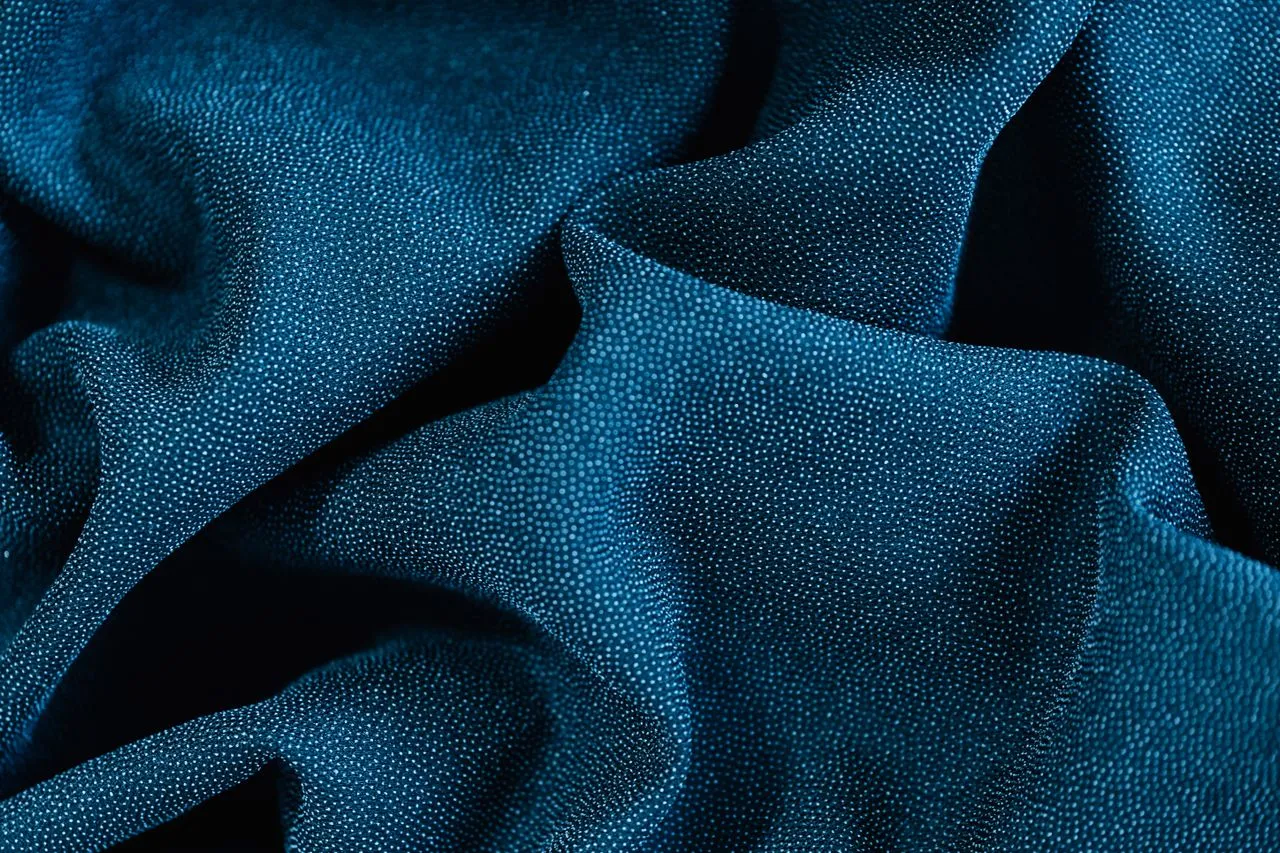
For larger collections, check consistency across related products. A knit shirt and woven short can share the same named color yet look different because of fiber, texture and dyeing or printing method. Approve them side by side under suitable lighting. Confirm that labels and care instructions accurately describe the materials used in each item.
Bulk inspection should then compare production units with the approved standard. The goal is not merely to identify visible flaws; it is to ensure that the agreed fabric and construction remain consistent across sizes, colors and production lots.
Common Mistakes When Comparing Sportswear Fabrics
One mistake is treating fiber and construction as interchangeable terms. “Polyester” does not answer whether the material is a mesh knit, interlock or woven shell. Another is assuming that all knits stretch enough for a legging or that all wovens are too rigid for athletic movement.
Buyers also sometimes compare fabrics by GSM alone. Weight cannot establish coverage, durability or comfort without the rest of the construction. Testing a relaxed swatch while ignoring the stretched garment can conceal opacity and recovery problems. Approving a sample before washing can conceal dimensional changes.
A final mistake is designing the decoration independently of the material. Detailed artwork, embroidery or heat transfers should be reviewed on the actual fabric and finished garment. This is especially important when one collection uses multiple surfaces.
Working With BUSHI Sports® on Fabric Development
BUSHI Sports® works with sports brands, clubs, retailers and private label buyers developing garments with different performance and appearance requirements. A useful development conversation starts with the product, its intended user, target market, preferred fit, artwork and expected order quantities. From there, candidate sportswear fabrics can be evaluated against a clear brief.
For example, a collection may call for a knitted training jersey, woven running shorts and a warm-up jacket with a different balance of structure and comfort. Fabric selection should be coordinated with pattern development, sample review, decoration and the approved production specification. The BUSHI Sports® manufacturing services page outlines the stages available for fabric sourcing, tech-pack review, sampling and production.
Brands obtain better decisions when they share what the garment must do rather than requesting a single material by name. An existing garment, reference swatch, size chart or clear product brief can make the first sample more useful.
Frequently Asked Questions About Knit and Woven Fabrics
Are knit sportswear fabrics always stretchier than woven fabrics?
Many knits stretch readily because their loops can change shape, but a stretch woven may provide substantial extension and a tightly constructed knit may offer less than expected. Compare the exact fabrics in the directions the garment needs to move, then evaluate recovery after extension.
Is woven fabric better for sportswear durability?
Not necessarily. Abrasion, tear behavior, seam performance and shape retention depend on the full material and garment construction. Choose tests that reflect the product’s actual wear conditions rather than assigning a durability ranking based only on knit or woven structure.
Can one sportswear collection use both?
Yes. Combining constructions often makes practical sense. A brand might use knit for a close-fitting top, woven fabric for a running-short shell and both in a tracksuit. Shared color standards, trim details and approved samples can keep the collection visually consistent.
Which fabric is better for hot-weather training?
The answer depends on garment fit, fabric openness, airflow, moisture behavior and drying, as well as climate and activity. An open knit is one possibility, but a loose, lightweight woven may also be comfortable. Assess the proposed garment rather than selecting by construction label alone.
What should be tested before a bulk order?
At minimum, confirm fabric identity, fit through movement, opacity where relevant, wash-related dimensional change, color and decoration performance. Add stretch and recovery, abrasion, pilling, moisture management or other tests when the product brief requires them. Agree on methods and acceptance criteria before final sample approval.
Conclusion
Knit and woven sportswear fabrics solve different design problems, and neither construction guarantees performance by itself. Knits often support body-following movement, while wovens often support a more defined shape. Fiber, yarn, weight, finish, pattern and seam construction determine whether those potential advantages survive in the finished product.
The most reliable choice starts with the intended activity and a measurable product brief. Compare physical fabrics, test representative garments, document the approved material and check bulk production against that standard. This approach gives brands a clearer basis for building sportswear that looks consistent and performs as intended.
To discuss a sample or custom order, contact BUSHI Sports® through the contact page, send project details by WhatsApp, or email info@bushisports.com. You can view the company location on Google Maps and connect with BUSHI Sports® on LinkedIn. For collection updates and product ideas, follow the company on Instagram, Facebook, X, Threads, Pinterest, YouTube, TikTok and Medium.