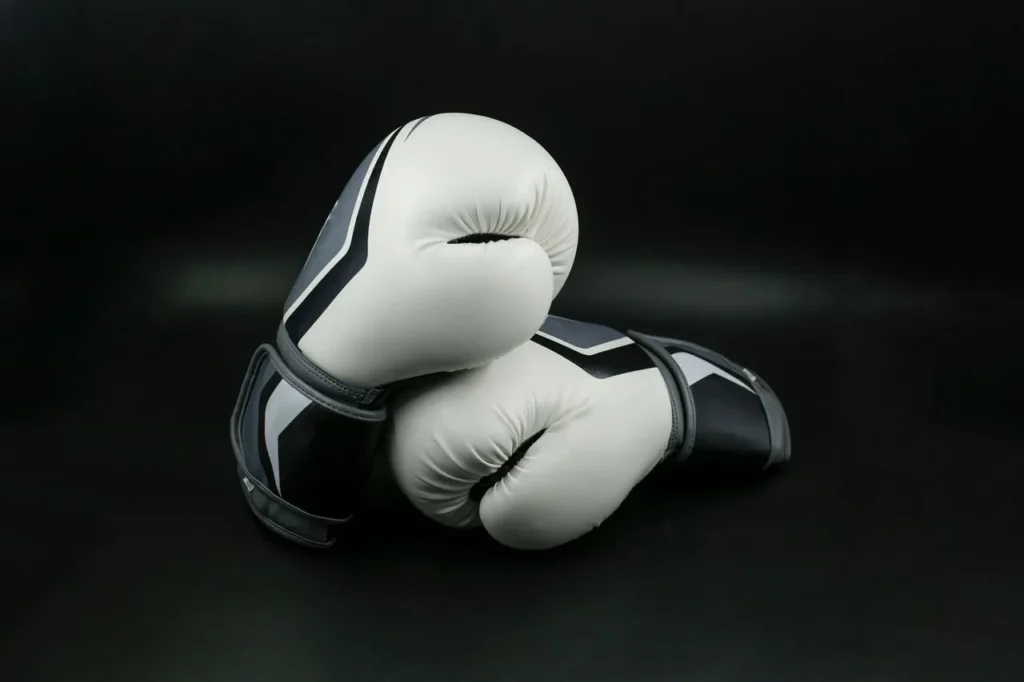
Boxing gloves must manage repeated impact while allowing the athlete to form a stable fist, protect the hand, control the wrist, and move naturally during training or competition. The product may look straightforward from the outside, but its performance depends on a complex combination of foam geometry, shell material, thumb position, internal dimensions, grip-bar construction, closure design, stitching, lining, weight control, and quality testing.
A glove that feels soft in a showroom may compress too quickly during bag work. A heavily padded model may protect the knuckle area but make it difficult for the athlete to close the fist. A loose hand compartment can allow the wrist and knuckles to move inside the product. A thumb that is positioned incorrectly may pull against the hand or create pressure during impact. A lace-up cuff can provide a close competition fit, while a hook-and-loop system may be more practical for daily training.
Choosing a boxing gloves manufacturer is therefore not simply a matter of selecting an ounce weight and exterior color. Boxing brands, gyms, clubs, academies, retailers, distributors, promoters, and private label buyers need a production partner that understands the differences among competition, sparring, bag, fitness, and youth models.
BUSHI Sports® provides custom wholesale boxing gloves manufacturing for combat-sports brands, boxing gyms, academies, retailers, wholesalers, distributors, and private label businesses. Projects can include leather or synthetic shells, layered or molded padding, lace-up and hook-and-loop closures, attached thumbs, adult and youth sizing, custom colors, logos, labels, packaging, samples, and bulk production.
Buyers can also develop products through the wider custom sports gloves manufacturing category and coordinate boxing equipment with training apparel, club uniforms, activewear, packaging, and private label services.
This guide explains twelve production technologies that influence impact management, hand alignment, wrist stability, comfort, durability, rules compliance, and manufacturing consistency.
“A dependable boxing glove is not defined by softness, thickness, or ounce weight alone. It is defined by how the complete structure controls the hand, padding, wrist, and striking surface through repeated use.”
Boxing Glove Categories Need Separate Specifications
The market includes several distinct types of boxing gloves:
- Competition gloves
- Professional fight gloves
- Amateur competition gloves
- Sparring gloves
- Heavy-bag gloves
- General training gloves
- Fitness-boxing gloves
- Youth boxing gloves
- Lace-up gloves
- Hook-and-loop gloves
- Leather gloves
- Synthetic boxing gloves
Each category needs its own brief.
| Product type | Main priority | Typical construction direction | Main development risk |
|---|---|---|---|
| Competition glove | Controlled legal weight and compact performance | Approved materials, precise weight, attached thumb, regulated closure | Weight variation or noncompliant construction |
| Professional fight glove | Compact fist shape and commission compliance | Lace-up or approved closure, position-specific padding | Rules vary by commission and contest |
| Sparring glove | Partner-focused training and repeated use | More distributed padding, secure wrist, durable shell | Excessive stiffness or early foam breakdown |
| Heavy-bag glove | Hand support and repeated equipment impact | Dense padding, durable palm and shell, stable wrist | Padding bottoming out or seam failure |
| General training glove | Versatility across drills | Balanced foam, practical closure, ventilation | Compromise design that suits no activity well |
| Fitness glove | Comfort and easy use | Soft lining, hook-and-loop closure, moderate padding | Unsupported protection claims |
| Youth glove | Correct hand proportions and manageable weight | Smaller internal pattern, soft articulation, secure thumb | Adult geometry scaled down incorrectly |
Technology 1: Define the Use Before Selecting Weight or Foam
A boxing gloves manufacturer should begin with the exact use case.
The product brief should identify:
- Competition, sparring, bag work, mitt work, fitness, or mixed training
- Amateur or professional market
- Governing body, commission, or gym requirement
- Adult, women’s, youth, or custom fit
- Required glove weight
- Lace-up or hook-and-loop closure
- Leather or synthetic shell
- Desired foam response
- Expected training frequency
- Target retail price
- Branding and packaging requirements
- Required testing or approval process
The same ounce label does not make two models equivalent. Two 12-ounce products can have different internal volumes, foam densities, cuff lengths, fist shapes, and weight distributions.
A compact competition model and a 12-ounce training model may therefore perform very differently. One may concentrate weight around the striking area, while another may use a longer cuff and a larger hand compartment.
The buyer should also define what the product is not intended to do. Bag gloves should not automatically be marketed as sparring gloves. Fitness models should not automatically be presented as competition equipment. A product intended for one governing body should not claim universal approval.
Product-Brief Questions
| Question | Why it matters |
| Who will use the product? | Hand size, skill level, and training frequency influence the pattern |
| What activity is intended? | Bag, sparring, and competition loads differ |
| Which rule system applies? | Weight, closure, thumb, color, logo, and approval requirements vary |
| Will hand wraps be worn? | Internal volume must accommodate the intended wrapping system |
| What response is preferred? | Soft, medium, and firm foam systems feel different |
| What is the price target? | Shell, foam, lining, labor, testing, and packaging affect cost |
A reliable boxing gloves manufacturer should refuse to reduce the project to “make it 14 ounces and premium.” The full construction must be defined.
Technology 2: Separate Competition Rules From Training Preferences
Competition boxing gloves must follow the rules of the event, sanctioning body, or commission.
The current World Boxing Competition Rules specify 10-ounce and 12-ounce competition models. The rules state that gloves must weigh approximately 284 grams or 340 grams, with a tolerance of five percent above or below the target weight. They also require the padding portion to represent at least half of the total weight and the leather portion to represent no more than half.
Under those rules:
- Ten-ounce models are used for all women’s categories, all U17 men’s categories, and specified lighter elite and U19 men’s categories.
- Twelve-ounce models are used for specified heavier elite and U19 men’s categories.
- World Boxing competitions use hook-and-loop closing systems.
- The closure is covered with glove tape during competition.
- The thumb must be attached to the glove body at the top, with a maximum permitted gap of 10 mm.
- The glove must remain clean and serviceable, and its padding must not be broken or displaced.
World Boxing also limits branding areas. The competition or manufacturer identification on the upper front is limited to 50 cm², while the official manufacturer logo on the thumb is limited to 24 cm² unless event rules specify otherwise.
These details should not be transferred automatically to professional contests. Professional rules vary among commissions and sanctioning bodies. For example, the British Boxing Board of Control rules require attached thumbs and specify different fight-glove weights according to contest categories.
USA-based amateur buyers should review the current USA Boxing rulebook and certified-equipment information before making approval claims or supplying event equipment.
Training Weight Is Not a Universal Safety Rating
Training products are commonly offered across several ounce weights, but a higher number does not prove that a glove is appropriate for every athlete or sparring environment.
Selection also depends on:
- Athlete body mass
- Hand dimensions
- Training purpose
- Coach or gym policy
- Foam construction
- Partner safety practices
- Glove condition
A boxing gloves manufacturer should label the intended use clearly and avoid presenting ounce weight as a complete protection measurement.
Technology 3: Engineer the Striking Surface and Foam Geometry
The striking area is usually built from one or more foam layers positioned over the knuckles and front of the fist.
Possible padding systems include:
- Layered EVA foam
- PU foam
- Latex foam
- Injection-molded foam
- Pre-molded multi-density systems
- Open-cell and closed-cell combinations
- Fiber or horsehair combinations in selected professional products
- Hybrid constructions using foam and other resilient materials
Every system creates a different balance of:
- Initial softness
- Impact response
- Energy distribution
- Recovery
- Durability
- Fist closure
- Weight
- Cost
Layered Foam
Layered systems allow the boxing gloves manufacturer to combine different densities. A softer outer layer can shape the glove and manage initial contact, while a denser inner layer can resist complete compression.
Layer sequence matters. Two gloves made with the same foam types can feel different if the layers are reversed, cut differently, or bonded under different pressure.
Molded Foam
Molded padding can improve shape consistency and reduce manual variation. Tooling cost is higher, and the mold must match the intended hand compartment, fist shape, and ounce weight.
Poorly designed molded foam can create:
- Hard edges
- Excessive spring-back
- Limited fist closure
- Thin areas over the knuckles
- Internal pressure points
Foam Thickness Is Not Enough
A thick low-density layer may bottom out quickly. A thinner, denser system may remain stable but feel too firm. The development file should identify:
- Material family
- Density
- Thickness
- Compression behavior
- Recovery
- Layer order
- Shape
- Bonding method
- Target weight
Padding Migration
Padding must remain fixed during repeated use. Loose or broken foam can change the striking surface and expose inconsistent areas.
The World Boxing rules explicitly prohibit displaced or broken padding in competition equipment. For training models, padding movement remains a major quality defect even when no competition approval is claimed.
Technology 4: Control the Fist Shape and Hand Compartment
The athlete should be able to form a stable fist without fighting against the glove.
The internal pattern controls:
- Finger-channel length
- Palm width
- Knuckle position
- Thumb angle
- Grip-bar location
- Wrist alignment
- Lining volume
- Space for hand wraps
A glove can meet the target ounce weight and still fit poorly.
Natural Fist Formation
The design should allow the fingers to close without excessive muscular effort. If the foam forces the hand open, the athlete may grip continuously to maintain the fist. If the internal compartment is too loose, the hand can shift during impact.
Grip Bar
A grip bar is placed across the palm or finger base to support fist closure. Its size, firmness, and location should follow the hand pattern.
A grip bar that is too large can create pressure and prevent full closure. One that is too small may provide little support.
Hand-Wrap Allowance
Competition and training gloves are commonly worn over hand wraps or bandages. The sample should be fitted using the actual wrap system intended for the product.
A glove approved on an unwrapped hand may become too tight after wrapping. A glove developed with excessive allowance may feel unstable when used with thinner wraps.
Internal Seams
Internal seams should not create ridges against the fingers, thumb, or palm. Inspectors should check the inside for:
- Folded seam allowances
- Exposed thread ends
- Lining wrinkles
- Adhesive residue
- Rough binding
- Uneven finger channels
A professional boxing gloves manufacturer evaluates internal comfort, not only the outside appearance.
Technology 5: Design an Attached Thumb That Supports Natural Alignment
Thumb construction is one of the most important safety-related design areas.
A modern boxing glove commonly uses an attached thumb to limit uncontrolled separation from the fist. Competition rules and many professional commissions require attached-thumb construction.
The thumb design should control:
- Natural angle
- Length
- Internal width
- Tip position
- Attachment location
- Attachment gap
- Padding
- Palm connection
- Seam placement
Thumb Attachment
Under World Boxing rules, the thumb must be attached to the main body at the top and the gap must not exceed 10 mm.
The attachment should remain flexible enough for comfort while strong enough to resist tearing.
Common Thumb Problems
Poor construction can cause:
- Thumb pulling
- Pressure at the base joint
- Difficulty making a fist
- Excessive open space
- Twisting
- Seam irritation
- Weak attachment
Thumb Testing
The athlete should test the glove while:
- Opening the hand
- Closing the fist
- Rotating the wrist
- Punching pads
- Holding a guard position
- Removing the glove
The thumb should remain aligned without forcing the athlete into an unnatural position.
Technology 6: Choose the Shell for Durability, Flexibility, and Market Position
The outer shell contains the padding and withstands repeated flexing, contact, sweat, cleaning, and abrasion.
Common materials include:
- Cowhide leather
- Buffalo leather in selected products
- Goat leather
- PU synthetic leather
- Microfiber synthetic leather
- Reinforced coated textiles
The World Boxing rules identify high-quality cowhide, Grade A leather, or equivalent approved material for competition products under their system.
Leather Shells
Leather can provide:
- Strong tear resistance
- Natural flexibility
- Premium appearance
- Good conformity over foam
- Long service potential when maintained correctly
Performance depends on:
- Hide quality
- Thickness
- Tanning
- Grain
- Finish
- Colorfastness
- Cutting direction
- Lot consistency
Synthetic Shells
Synthetic materials may provide:
- Consistent thickness
- Efficient color matching
- Lower cost
- Easier cleaning
- Repeatable bulk sourcing
Possible weaknesses include:
- Coating cracks
- Delamination
- Poor cold or heat flexibility
- Surface peeling
- Limited breathability
Shell Testing
Useful checks include:
- Tensile strength
- Tear strength
- Seam strength
- Flex resistance
- Dry and wet rubbing
- Perspiration colorfastness
- Coating adhesion
- Abrasion
A boxing gloves manufacturer should not call every leather model “genuine premium” or every synthetic model “high-tech.” The actual specification and test results matter more than marketing language.
Technology 7: Match the Wrist Closure to the Product’s Use
The cuff and closure influence wrist fit, hand entry, glove stability, and daily usability.
Common systems include:
- Lace-up cuffs
- Hook-and-loop cuffs
- Hybrid lace-and-loop systems
- Elastic-assisted closures
- Double-wrap training straps
Lace-Up Boxing Gloves
Lace-up models can provide close adjustment across the wrist and forearm. They usually require another person to fit and secure them properly.
They are common in professional competition and higher-level training, subject to the applicable rules.
Hook-and-Loop Boxing Gloves
Hook-and-loop closures are practical for everyday gym use because athletes can usually put them on and remove them more easily.
World Boxing competition rules specifically use this closure type and require tape over the closure during bouts.
Cuff Length and Stiffness
A longer cuff can distribute closure pressure across a larger area. A short cuff may allow more wrist movement but provide less structure.
The boxing gloves manufacturer should evaluate:
- Strap length
- Hook-and-loop strength
- Wrist circumference range
- Edge softness
- Cuff foam
- Overlap
- Repeated closure cycles
- Compatibility with wraps
The product should not claim to prevent wrist injury unless evidence supports that specific statement.
Technology 8: Build Palm Ventilation Without Weakening the Structure
Boxing gloves accumulate heat and perspiration during training.
Ventilation can be introduced through:
- Perforated palm panels
- Mesh sections
- Ventilation holes
- Moisture-managing lining
- Open cuff areas
The palm still needs enough structure to control the hand compartment and support the thumb connection.
Palm Material
Palm materials may differ from the shell to improve flexibility and moisture transfer. The specification should consider:
- Tear strength
- Stretch
- Breathability
- Colorfastness
- Cleaning
- Seam stability
Lining
The lining should be evaluated for:
- Skin comfort
- Sweat absorption
- Drying time
- Pilling
- Odor retention
- Dye transfer
- Shrinkage
- Delamination
Antimicrobial and anti-odor claims require evidence for the actual treated material.
Drying
No ventilation pattern eliminates the need for proper drying. Users should open the cuffs after training and allow boxing gloves to dry naturally away from direct heaters.
A glove that remains damp can develop odor, lining damage, foam deterioration, and coating problems.
Technology 9: Develop Adult, Women’s, and Youth Patterns Separately
Glove weight does not define hand size.
A 12-ounce glove can be built with different internal dimensions. A product that fits one athlete may be too narrow, long, or loose for another.
The pattern should consider:
- Hand length
- Palm width
- Knuckle circumference
- Finger length
- Thumb length
- Thumb angle
- Wrist circumference
- Wrap allowance
- Cuff opening
Women’s Fit
Some athletes require narrower palms, shorter finger channels, or smaller wrists than a broad unisex block provides. A dedicated fit can improve fist position and reduce internal movement.
Youth Boxing Gloves
Youth products should not be adult designs reduced uniformly.
They may require:
- Smaller internal volume
- Shorter fingers
- Reduced thumb dimensions
- Softer articulation
- Easier hand entry
- Smaller wrist circumference
- Appropriate product weight
Youth boxing gloves should be selected with qualified coaching guidance and used only for activities appropriate to the athlete’s age, ability, and program.
Size-Set Approval
A size set should verify:
- Knuckle position
- Finger closure
- Thumb alignment
- Palm wrinkles
- Cuff fit
- Wrap allowance
- Left-right consistency
- Logo scaling
Technology 10: Test the Finished Product, Not Only the Materials
Material certificates do not prove that finished boxing gloves perform correctly.
The complete product should be evaluated for impact durability, weight, construction, strength, fit, and chemical requirements relevant to the market.
World Boxing has described its official-equipment vetting process as including independent technical and chemical testing. The process covers repeated-impact durability, glove structure and dimensions, materials, safety, functional quality, and environmental controls related to product composition.
Weight Verification
Competition and training products should be weighed after final assembly.
Inspectors should record:
- Left-glove weight
- Right-glove weight
- Pair difference
- Target tolerance
- Size or model
- Batch
Added printing, labels, closures, and moisture can influence the final result.
Repeated-Impact Testing
A controlled program may assess:
- Foam compression
- Recovery
- Striking-surface stability
- Shell damage
- Seam failure
- Padding movement
- Thumb attachment
- Cuff integrity
The impact method, energy, striker, number of cycles, conditioning, and acceptance criteria should be defined by qualified specialists.
ASTM Work Item
ASTM currently lists WK63409, a proposed specification for combative-sports gloves. The ASTM page identifies it as a work item intended to develop standardized assessment methodology, not as a completed published standard.
Brands should therefore avoid claiming compliance with an ASTM boxing-glove standard that has not been published.
Chemical and Material Testing
Depending on the destination market, testing may cover restricted substances, colorants, coatings, metals, plasticizers, and other chemical requirements.
The exact program should be defined according to:
- Material composition
- Product category
- Destination market
- Age group
- Buyer policy
- Approval body
Technology 11: Create a Controlled Manufacturing Sequence
A repeatable boxing glove requires controlled production from material inspection through final pairing.
1. Product Brief
The buyer defines use, weight, closure, shell, foam response, fit, sizes, colors, branding, quantity, testing, and packaging.
2. Material Selection
The boxing gloves manufacturer proposes shell materials, foams, lining, palm material, thumb attachment, cuff components, thread, labels, and packaging.
3. Pattern and Padding Development
Patterns are developed for shell, palm, thumb, cuff, lining, and reinforcement. Foam shapes are created around the intended fist geometry.
4. Prototype Sample
The first sample checks hand fit, fist formation, thumb position, wrist closure, appearance, and production feasibility.
5. Pad and Bag Trials
The intended users test the product under controlled coaching supervision. Feedback should cover fit, impact feel, wrist stability, heat, and hand movement.
6. Weight Adjustment
Foam, shell, cuff, lining, and component weights are balanced to reach the target after assembly.
7. Size Set
Selected models confirm internal grading, wrist fit, artwork, and weight consistency.
8. Testing and Rules Review
The final construction is checked against the intended competition, retail, or training requirements.
9. Pre-Production Sample
The buyer approves the final materials, dimensions, weight, color, logo, labels, and packaging.
10. Cutting
Shell, palm, thumb, cuff, lining, reinforcement, and foam components are cut with controlled templates.
11. Printing and Branding
Screen printing, heat transfers, embroidery, embossed marks, molded applications, and labels are completed at the correct stage.
12. Foam and Shell Assembly
The foam is shaped and fitted inside the outer structure without folds, gaps, or uncontrolled movement.
13. Sewing
Palm, shell, thumb, cuff, lining, and closures are joined with in-line inspection.
14. Turning and Shaping
The glove is turned, formed, cleaned, and compared with the approved reference.
15. Final Inspection
Inspectors check weight, dimensions, padding, fist shape, thumb, closure, seams, branding, lining, and pair consistency.
16. Packaging
The boxing gloves are fully dry, labeled, paired, shaped, packed, carton-assorted, and prepared for shipment.
Technology 12: Protect Bulk Consistency Through Documented Quality Control
The approved sample should be treated as a controlled technical reference rather than an approximate visual guide.
The production file should include:
- Bill of materials
- Shell specification
- Foam type, density, thickness, and shape
- Layer order
- Pattern set
- Internal measurements
- Thumb construction
- Closure dimensions
- Grip-bar specification
- Lining
- Stitch requirements
- Artwork limits
- Color standards
- Weight tolerance
- Test requirements
- Packaging standard
Quality-Control Table
| Inspection area | What to check | Common failure |
| Finished weight | Target, tolerance, pair balance | Underweight, overweight, mismatched pair |
| Striking padding | Shape, density, position, recovery | Thin zones, migration, broken foam |
| Fist formation | Finger closure and grip-bar position | Hand forced open or unstable grip |
| Thumb | Angle, attachment, gap, seam | Pulling, excessive separation, weak join |
| Shell | Thickness, finish, tears, coating | Cracking, peeling, shade variation |
| Palm | Ventilation, seam strength, stretch | Tearing or excessive movement |
| Cuff | Length, foam, wrist fit | Weak support or restricted entry |
| Closure | Lace or hook-and-loop function | Poor adjustment or early failure |
| Lining | Attachment, smoothness, cleanliness | Pull-out, wrinkles, rough seams |
| Branding | Size, placement, adhesion | Rule violation, cracking, distortion |
| Pairing | Weight, size, color, shape | Mismatched boxing gloves |
| Packaging | Dryness, shape, labels | Odor, compression, incorrect model |
BUSHI Sports® explains broader inspection planning in how quality control works in sportswear manufacturing.
Custom Branding and Private Label Development
Boxing gloves provide branding areas across the striking surface, cuff, thumb, palm, labels, and packaging.
Customization options include:
- Screen printing
- Heat transfers
- Embroidery in suitable areas
- Debossed or embossed leather
- Molded rubber or TPU logos
- Woven labels
- Custom cuff patches
- Branded lining
- Custom boxes and carry bags
Competition Branding Limits
For products intended for World Boxing events, the upper-front identification area and thumb-logo area must remain within the applicable limits unless event rules specify otherwise.
Private label boxing gloves designed for general retail may allow larger graphics, but artwork should not cross critical flex zones or interfere with seams and closures.
Decoration Can Change Performance
Heavy embroidery can puncture the shell or create internal roughness. A large heat transfer can stiffen the striking surface. Molded branding adds weight. Every decoration should be included before final weight approval and product testing.
BUSHI Sports® provides artwork guidance through why vector artwork matters and how to prepare print-ready files.
Cost Breakdown: Why Boxing Glove Quotations Differ
The price of boxing gloves depends on the complete specification.
Major cost drivers include:
- Competition, sparring, bag, or training construction
- Leather or synthetic shell
- Layered or molded padding
- Foam density and number of layers
- Lace-up or hook-and-loop cuff
- Thumb construction
- Lining and ventilation
- Adult, women’s, and youth patterns
- Printing or molded branding
- Testing and approval requirements
- Labels and packaging
- Order quantity
A simple synthetic fitness model with standard foam and a hook-and-loop cuff will generally cost less than leather competition or sparring boxing gloves using multi-density padding, precise weight control, reinforced stitching, custom molds, extensive testing, and retail packaging.
The quotation should identify:
- Shell material
- Foam system
- Target weight
- Closure
- Lining
- Thumb construction
- Size range
- Branding
- Testing
- Packaging
- Freight basis
Descriptions such as “professional quality” or “maximum protection” are not enough for supplier comparison.
BUSHI Sports® explains broader pricing factors in its sportswear manufacturing cost breakdown.
MOQ Considerations
Minimum order quantity may be affected by:
- Custom foam molds
- Leather color minimums
- Synthetic-material minimums
- Number of ounce weights
- Number of patterns
- Lace and closure components
- Molded logos
- Testing
- Printed packaging
A smaller launch may be possible when the buyer uses an existing pattern, available shell materials, standard foam shapes, limited colors, and straightforward packaging.
Brands can review what MOQ means in sportswear manufacturing before requesting several weights, closure types, fits, and colorways at a very small quantity.
Packaging, Care, and Storage
Boxing gloves should be fully dry before packing.
Packaging options include:
- Printed polybags
- Recyclable paper sleeves
- Branded boxes
- Mesh carry bags
- Individual dust bags
- Size and weight stickers
- Barcodes
- Care cards
Packaging Risks
Poor packing can cause:
- Compressed padding
- Misshapen cuffs
- Trapped moisture
- Odor
- Coating transfer
- Mixed weights
- Incorrect pairs
Consumer Care Guidance
- Open the cuffs after training.
- Allow the gloves to dry naturally.
- Keep them away from direct heaters.
- Follow material-specific cleaning instructions.
- Do not store damp boxing gloves in a sealed sports bag.
- Avoid harsh solvents and bleach.
- Inspect seams, padding, thumb attachment, shell, and closures regularly.
- Replace damaged gloves when the padding, fit, or structure is no longer serviceable.
How to Evaluate a Boxing Gloves Manufacturer
Padding Questions
- Which foam types and densities are used?
- Is the padding layered or molded?
- How is compression recovery checked?
- How is padding movement prevented?
- Can repeated-impact testing be arranged?
Fit Questions
- Which internal hand measurements are used?
- Is hand-wrap allowance included?
- Are women’s and youth patterns separate?
- How is fist closure evaluated?
- Can size sets be produced?
Rules Questions
- Which governing body or commission is targeted?
- Are weight and branding limits documented?
- Is the thumb construction compliant?
- Is the model approved, or merely designed toward a rule specification?
- Can testing and approval records be supplied?
Material Questions
- Which leather or synthetic shell is used?
- What thickness range is specified?
- How are tear, flex, rubbing, and colorfastness checked?
- Can materials change without written approval?
- Are restricted-substance requirements documented?
Quality Questions
- Is every finished glove weighed?
- How are left and right products paired?
- How is foam density controlled?
- Are internal seams inspected?
- Can pre-shipment inspection reports be supplied?
Commercial Questions
- What is the MOQ per model, weight, and color?
- Are mold, sample, and testing costs separate?
- Can quantities be divided by size or ounce weight?
- Is custom packaging included?
- What is the production lead time after approval?
- Which shipping term is quoted?
A reliable boxing gloves manufacturer should explain the trade-offs between foam response, fist closure, wrist structure, durability, rules, and cost.
Common Product-Development Mistakes
Treating Ounce Weight as a Complete Specification
Two products with the same weight can have different internal volumes, padding systems, and intended uses.
Using One Model for Competition, Sparring, and Bag Work
Each activity creates different design priorities and rules.
Adding Soft Foam Without Durability Testing
Initial comfort does not prove repeated-impact performance.
Making the Hand Compartment Too Large
Internal movement can reduce alignment and control.
Positioning the Thumb Incorrectly
Poor thumb geometry can create pressure and restrict fist formation.
Ignoring Hand Wraps During Fitting
The final product may become too tight or too loose in actual use.
Adding Branding After Weight Approval
Decoration can change finished weight and flexibility.
Calling a Product Approved Without Evidence
Rule-oriented construction is not the same as official approval.
Using an ASTM Work Item as a Certification Claim
WK63409 is a development project, not a published boxing-glove standard.
Allowing Unapproved Foam or Shell Substitutions
A visually similar component can change impact response, weight, fit, and durability.
Why Work With BUSHI Sports®?
BUSHI Sports® is a custom sportswear and sports gloves manufacturer based in Sialkot, Pakistan. The company supports combat-sports brands, boxing gyms, academies, clubs, retailers, wholesalers, distributors, promoters, and private label buyers through OEM, ODM, sampling, customization, and bulk manufacturing.
As a boxing gloves manufacturer, BUSHI Sports® supports customization involving:
- Competition-style boxing gloves
- Sparring gloves
- Heavy-bag gloves
- General training models
- Fitness-boxing gloves
- Adult, women’s, and youth sizing
- Leather and synthetic shells
- Layered and molded foam directions
- Attached-thumb construction
- Lace-up and hook-and-loop cuffs
- Palm ventilation and linings
- Custom colors and graphics
- Private labels
- Sample development
- Bulk production
- Quality inspection
- Custom packaging
- International order coordination
Buyers can develop boxing gloves through the wider custom sports gloves category.
Relevant BUSHI Sports® glove-manufacturing guides include:
- Gym glove manufacturing
- Snowboard glove manufacturing
- Cycling glove manufacturing
- Golf glove manufacturing
- Field hockey glove manufacturing
- Lacrosse glove manufacturing
- American football glove manufacturing
- Cricket glove manufacturing
- Goalkeeper glove manufacturing
Each product uses different materials, impact systems, rules, and fit principles. Specifications should not be copied directly between sports.
Start Your Custom Boxing Glove Project
Sports brands, boxing gyms, academies, retailers, wholesalers, distributors, and private label buyers can contact BUSHI Sports® to discuss glove categories, foam systems, shell materials, sample development, minimum order quantities, pricing, logos, labels, packaging, production, and international delivery.
- Email: info@bushisports.com
- WhatsApp: +92 348 4018 578
- Project inquiry: Contact BUSHI Sports®
Include the intended use, required ounce weights, closure type, shell preference, target market, size range, artwork, estimated quantity, testing needs, and packaging requirements. A detailed brief allows the manufacturing team to prepare a more accurate sample and quotation.
Frequently Asked Questions
What does a boxing gloves manufacturer do?
A boxing gloves manufacturer develops and produces competition, training, sparring, bag, or fitness models according to a buyer’s requirements for shell material, foam, weight, fit, thumb, wrist closure, colors, logos, labels, packaging, testing, and quantity.
Are all boxing gloves measured by ounces?
Most commercial models use an ounce label, but the label does not fully describe internal size, foam density, weight distribution, or intended use. Buyers should evaluate the complete construction.
What is the difference between sparring and bag gloves?
Sparring gloves are developed around controlled partner training, while bag gloves are designed for repeated equipment impact. Padding response, durability, wrist structure, and gym rules may differ.
Which weight is best for sparring?
There is no universal answer. Selection depends on athlete size, coach instructions, gym policy, glove construction, and the type of sparring. Users should follow qualified coaching guidance.
What weights are used in World Boxing competitions?
Current World Boxing rules specify 10-ounce and 12-ounce products according to age, sex, and weight category. The rules also allow a five-percent weight tolerance.
Are World Boxing competition gloves lace-up?
No. The current World Boxing competition rules specify hook-and-loop closures, which are covered with glove tape during competition.
Why is the thumb attached?
Attached-thumb construction limits excessive separation from the fist. The exact geometry must still allow natural alignment and comfortable fist formation.
Are leather boxing gloves better than synthetic models?
Leather can provide durability, flexibility, and premium positioning. High-quality synthetic materials can provide consistency, color control, and lower cost. Performance depends on the exact material and construction.
What is layered foam?
Layered foam combines materials or densities to create a desired balance of softness, resistance, recovery, shape, and durability.
Is molded foam better?
Molded foam can improve shape consistency, but it is not automatically better. Tooling, density, geometry, fit, and impact performance determine quality.
Can custom logos be added?
Yes. Logos may be printed, transferred, embossed, embroidered in suitable areas, molded, or applied through labels. Competition products must follow the relevant branding limits.
Are boxing gloves certified under an ASTM standard?
ASTM lists WK63409 as a proposed work item for combative-sports gloves. It is not a completed published standard, so brands should not claim ASTM certification through that work item.
How should boxing gloves be tested?
Testing may include finished weight, pair balance, repeated impact, foam compression and recovery, seam strength, thumb attachment, closure cycling, shell flex, abrasion, colorfastness, restricted substances, and user fitting.
What affects the MOQ?
MOQ may depend on custom molds, foam construction, leather colors, ounce weights, closure systems, sizes, molded logos, testing, labels, and packaging.
How should boxing gloves be stored?
They should be dried naturally after use and stored in a ventilated area away from direct heat. Damp products should not remain sealed inside a sports bag.
Conclusion
Boxing gloves are impact-management products built around the interaction of the athlete’s hand, hand wraps, fist position, padding, shell, thumb, and wrist closure.
Their quality cannot be judged from ounce weight, surface softness, or exterior appearance alone. A dependable boxing gloves manufacturer must control foam density, layer geometry, internal dimensions, fist formation, thumb alignment, cuff structure, final weight, repeated-impact durability, and bulk consistency.
Brands should begin by defining the exact use and governing rules. Competition, sparring, bag, and fitness models should not be treated as interchangeable. Physical samples, wrapped-hand fitting, pad trials, weight records, material testing, repeated-impact assessment, and documented quality standards provide a stronger basis for production.
BUSHI Sports® supports custom boxing gloves through product consultation, shell and foam selection, pattern development, sample production, private labeling, quality inspection, packaging, and international delivery coordination.
Discuss your next collection by emailing info@bushisports.com, messaging BUSHI Sports® on WhatsApp at +92 348 4018 578, or submitting the project through the contact page.