
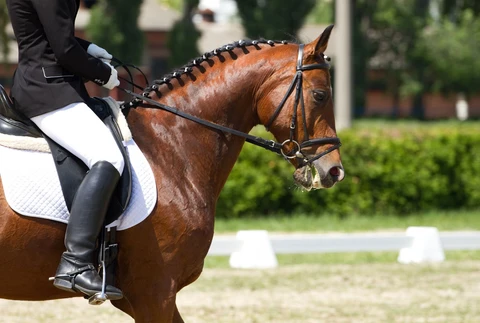
Horse Riding Boots Guide: Materials, Fit and Construction Options
Horse Riding Boots Guide is a practical resource for riders, equestrian retailers and private-label brands comparing boot materials, fit systems and manufacturing choices. The right boot is not defined by appearance alone. Its last shape, shaft pattern, closure, lining, outsole and reinforcement strategy must work together for the intended discipline, climate, price point and customer.
For B2B buyers, these decisions influence sampling, grading and repeat-order consistency. This Horse Riding Boots Guide explains nine areas to evaluate when developing a collection with BUSHI Sports®.
Table of Contents
- Why riding boot construction matters
- Main types of horse riding boots
- Leather, synthetic and hybrid materials
- Foot, ankle and calf fit
- Shaft and upper construction
- Soles, heels and attachment methods
- Zippers, laces and elastic panels
- Choosing boots by intended use
- Private-label development and quality control
- Labelling, care and frequently asked questions
Why This Horse Riding Boots Guide Matters
Riding footwear must allow controlled ankle movement, fit the lower leg, tolerate repeated flexing and interact appropriately with the stirrup. It should also remain comfortable around the stable or showground.
No single design is ideal for every rider. A formal dress boot may require a clean, structured shaft, while a field boot normally allows more ankle adjustment. A short paddock boot prioritizes versatility and is often paired with half chaps. Weather-resistant stable footwear has different requirements again and should not automatically be presented as competition footwear.
Brands should define the product’s use before choosing materials. This prevents incompatible combinations of upper, shaft and outsole.
Horse Riding Boots Guide to the Main Boot Types
The Horse Riding Boots Guide starts with the basic silhouette. BUSHI Sports® can develop custom horse riding long boots with options for shaft height, calf fit, toe profile, zipper construction, soles, branding and packaging.
| Boot type | Typical profile | Common use | Important development priorities |
|---|---|---|---|
| Dress boot | Tall, smooth front, structured shaft | Dressage and formal competition | Clean topline, close calf fit, controlled stiffness |
| Field boot | Tall with front ankle lacing | Jumping, hunting and general competition | Ankle flex, lace construction, secure closure |
| Paddock or jodhpur boot | Ankle height | Schooling, stable work and casual riding | Ankle support, easy entry, durable outsole |
| Winter riding boot | Insulated tall or short profile | Cold-weather training and yard use | Warm lining, water resistance, manageable bulk |
| Weather-resistant utility boot | Protective, easy-care construction | Wet yards and daily chores | Traction, cleanability and moisture management |
Paddock boots can be combined with half chaps for modular sizing. Buyers can compare that system in the BUSHI Sports® guide to full chaps versus half chaps.
Horse Riding Boots Guide to Upper and Lining Materials
This Horse Riding Boots Guide does not treat material names as performance guarantees. Thickness, temper, finish, backing, stitch placement and reinforcement all affect how an upper behaves. A useful specification should state the material, supplier reference, color, thickness range, finish and approved physical sample.
Leather uppers
Leather remains important for premium tall boots because it can combine structure, surface character and progressive break-in. Firmer leather may suit a formal shaft, while softer leather can improve ankle flex. Corrected or coated finishes may offer greater surface uniformity, but buyers should confirm how the finish responds to flexing, moisture and abrasion.
Responsible sourcing claims require evidence. Brands can consult the Leather Working Group certified supplier directory and verify each supplier’s current certification scope.
Synthetic and microfiber uppers
PU-coated materials and microfibers can support consistent color, easier cleaning and controlled cost. They may suit entry-level or vegan-positioned collections when every component and claim is verified. Testing should examine crease recovery, coating adhesion, cold flex, abrasion and hydrolysis risk where relevant.
Hybrid constructions
Hybrid boots may combine a structured outer shaft with a softer inner calf panel or elastic gusset. Reinforcement can be concentrated around the zipper base, ankle flex zone, heel counter and topline.
Linings may use leather, textile or moisture-managing synthetics. The OEKO-TEX® LEATHER STANDARD is one recognized route for testing leather articles and components for harmful substances. Any certification statement should correspond to valid documentation for the materials or product concerned.
| Material option | Main advantages | Points to verify during sampling |
|---|---|---|
| Leather | Premium appearance, structure, break-in potential | Thickness, shade, finish, flex and care needs |
| Microfiber | Consistency, lighter weight, easy maintenance | Abrasion, breathability, flex endurance |
| PU-coated synthetic | Accessible pricing, repeatable surface | Coating durability, hydrolysis and crease behavior |
| Elastic textile panel | Fit tolerance and mobility | Recovery, seam strength and colorfastness |
| Rubber or molded waterproof material | Moisture protection and easy cleaning | Weight, flexibility, odor and intended-use limits |
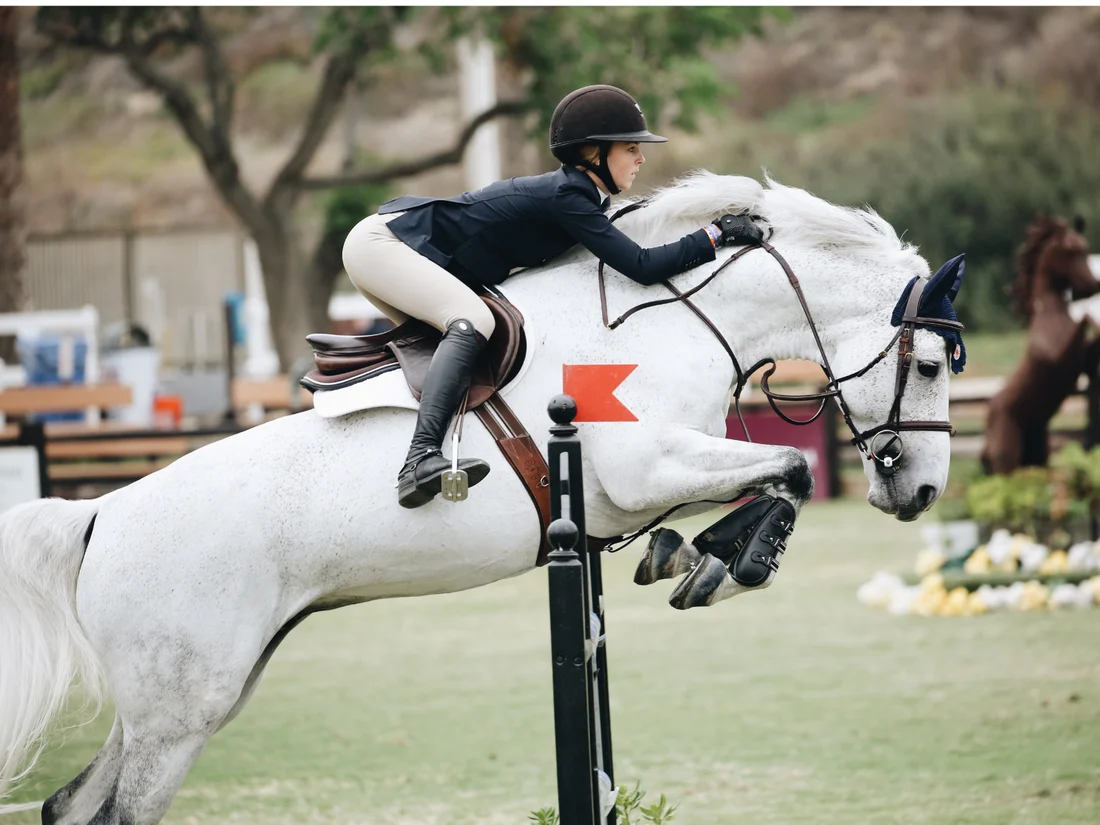
Horse Riding Boots Guide to Fit and Measurement
Accurate fit begins with more than a standard shoe size. Tall riding boots must coordinate foot volume with ankle shape, calf circumference and shaft height. Measuring over the socks and riding breeches normally worn with the boot produces more useful data than measuring the bare leg.
Record these dimensions for a tall-boot program:
- Foot length and ball width
- Instep and heel volume
- Ankle circumference
- Widest calf circumference
- Floor-to-knee crease height, taken in the position specified by the brand
- Left and right leg measurements when a made-to-measure service is offered
The boot should feel close without creating painful pressure, numbness or severe pinching. The heel should not lift excessively, and the ankle should flex without the upper collapsing into a hard fold. A tall leather shaft may settle during break-in, but the amount varies with material, pattern and construction; it should be confirmed through wear trials rather than assumed.
For ready-to-wear collections, combine foot sizes with defined calf and height options, such as regular, slim and wide. Publish the actual measurement method and tolerance. This Horse Riding Boots Guide recommends multiple wear testers because equal calf measurements do not guarantee equal leg shapes.
The complete outfit matters as well. Boot-top placement and knee flex should be reviewed with the brand’s intended horse riding breeches, socks and stirrup length.
Horse Riding Boots Guide to Shaft and Upper Construction
The last establishes the internal foot shape, while the upper pattern controls volume and movement around the ankle and lower leg. During development, a manufacturer should confirm toe shape, ball width, instep allowance, heel hold, topline angle and the relationship between the shaft and ankle flex zone.
A dress-style shaft may use firmer reinforcement to preserve a formal line. A field boot typically needs more ankle accommodation. Decorative panels and seams must be assessed while the rider bends the ankle.
Key construction details include:
- Reinforced zipper bases and pull areas
- Smooth seam placement near pressure-sensitive zones
- Heel and toe components matched to the desired structure
- Topline binding that remains comfortable against the leg
- Symmetrical panel alignment across each pair
- Stitch density and thread selected for the material thickness
For a broader explanation of seam selection, buyers can review the BUSHI Sports® guide to sportswear stitching types, while recognizing that footwear factories use specialized machines, threads and seam constructions.
Horse Riding Boots Guide to Soles, Heels and Attachment Methods
This Horse Riding Boots Guide treats the outsole as a balance of walking durability, controlled grip and appropriate stirrup interaction. Excessively aggressive tread or unsuitable sole width can affect release, so qualified riders should evaluate the final combination under intended conditions. No material should be described as slip-proof without substantiated testing.
Rubber compounds are common for durability and traction. TPR can provide moldability and cost control, while mixed soles can support a formal appearance. Excessive cushioning may reduce ground and stirrup feel.
Common attachment methods include cemented, stitched and welted construction. Each has different tooling, cost, flexibility and repair implications. Cemented boots depend on surface preparation, adhesive control and curing; stitched or welted designs require specialist capability. The selected method should meet the approved specification and pass relevant flex and bond tests.
Heel geometry should remain consistent. Evaluate its height, base, attachment and relationship with the outsole and stirrup, then record dimensions in the technical pack.
Horse Riding Boots Guide to Zippers, Laces and Elastic Fit Panels
Closures influence both appearance and service life. Rear zippers create a clean profile but require careful alignment, a secure lower stop and protection from direct strain. Side zippers can be easier for some riders to reach. Front laces help adjust ankle volume, although the lace facing and eyelets must withstand repeated tension.
Elastic panels extend fit tolerance but do not replace accurate grading. Specify recovery, width, color, backing and attachment. Tabs and guards should close without rubbing the rider.
This Horse Riding Boots Guide recommends wear trials that include mounting simulation, walking, repeated ankle flexion and removal of the boot. Zippers should be operated repeatedly, and pullers, sliders, stops and surrounding seams should be checked after testing.
Horse Riding Boots Guide to Choosing by Intended Use
Use conditions should guide the specification rather than marketing language. Formal competition collections may coordinate boots with equestrian show jackets and breeches, but eligibility depends on the discipline, class and governing body.
Before publishing competition claims, check the current FEI Dressage Rules, FEI Jumping Rules and national resources such as the USEF Dressage Rules and Equipment page. Rules and local requirements can change.
For schooling, prioritize comfort, repeatable fit and easy maintenance. For show use, refine the shaft line, finish and discreet branding. Winter products require checks for insulation, moisture management and cold-temperature flex. Yard boots should not be presented as riding boots unless assessed for that use.
Horse Riding Boots Guide to Private-Label Development
A successful program starts with a detailed brief. BUSHI Sports® supports custom wholesale equestrian gear development and can align footwear with a broader collection.
The development file should define:
- Reference style and intended discipline
- Target customer, retail price and order volume
- Size range, calf options and grading rules
- Upper, lining, reinforcement and outsole specifications
- Colors, thread, hardware and zipper references
- Logo method, placement and maximum dimensions
- Packaging, labels, care information and market requirements
- Required tests, inspection level and approval process
Branding may include embossed logos, metal badges, custom zipper pullers, branded insocks, woven labels and packaging. Approve placement on a physical sample because curved shafts can distort a logo.
Sampling and quality control
The first prototype confirms direction; it is not the production standard. Review fit, component compatibility, pair matching, flex points and finishing, then record corrections. The approved pre-production sample should match the final bill of materials and size specification.
The BUSHI Sports® sportswear sample approval checklist offers a useful foundation, while footwear programs should add boot-specific checks. These may include sole adhesion, repeated flexing, zipper cycling, seam security, heel attachment, colorfastness, material thickness and size verification. Test methods and pass criteria should be agreed before production.
For a wider view of OEM, ODM, branding and sourcing decisions, read the private-label equestrian gear manufacturing guide.
Horse Riding Boots Guide to Labelling and Material Claims
Brands are responsible for the claims and labels used in their sales markets. The EU’s official footwear labelling requirements identify the upper, lining and insole, and outer sole as the principal footwear components covered by material labelling rules. The page also explains relevant material categories and the 80% composition threshold.
For the United States, consult the FTC Guides for Select Leather and Imitation Leather Products when preparing material descriptions. Legal and testing requirements vary by product and destination, so importers should obtain market-specific advice.
Horse Riding Boots Guide to Care and Service Life
Care instructions should match the upper, lining, outsole and hardware. Leather generally needs dirt removal, controlled drying and compatible conditioner. Coated synthetics may require a damp cloth and mild cleaner. Avoid intense direct heat unless the material supplier permits it.
Clear care cards should distinguish normal wear and break-in from manufacturing defects and explain the warranty terms.
Horse Riding Boots Guide FAQs
1. Which material is best for horse riding boots?
This Horse Riding Boots Guide does not identify one universal best material. Leather suits premium structures; microfiber and PU can support consistency and easier care. Choose according to use, price, climate, feel and verified test performance.
2. How should tall riding boots fit around the calf?
They should sit close without painful compression, numbness or major gaping. Assess calf circumference, shaft height and ankle shape with normal breeches and socks.
3. Are paddock boots suitable with half chaps?
Yes, they are commonly paired, provided the two products fit securely and do not create uncomfortable overlap or pressure. Brands should test the intended boot-and-chap combination across their size range.
4. What is the difference between dress boots and field boots?
Dress boots typically have a smooth front and a more formal, structured shaft. Field boots normally include front ankle lacing, which can provide additional adjustment and flex for jumping-oriented use.
5. Can BUSHI Sports® customize riding boot sizes and calf widths?
Custom programs can define foot sizes, shaft heights and calf-width options according to the approved development plan. Feasibility, tooling, minimum order quantities and grading should be confirmed during quotation.
6. What should a private-label boot sample be checked for?
Review foot and calf fit, ankle flex, shaft height, zipper operation, sole bond, heel attachment, seam quality, pair symmetry, color, logos, labels and packaging against the written specification.
7. Can a brand claim that its boots are competition approved?
Only when accurate for the named discipline, market and current rules. Check governing-body and event requirements before publication.
8. What information is needed for a custom quotation?
Provide the reference design, intended use, materials, size and calf range, colors, branding, estimated quantity, target market, packaging and testing requirements. Clear information produces a more accurate development proposal.
Conclusion: Using This Horse Riding Boots Guide
The best riding boot combines a suitable last, well-planned shaft, appropriate materials, reliable closures and an outsole developed for its intended use. Fit data, physical sampling and documented quality checks turn those design choices into a repeatable commercial product.
This Horse Riding Boots Guide gives riders and B2B buyers a structured way to compare options without treating every boot as interchangeable. Brands planning a coordinated footwear and apparel range can work with BUSHI Sports® on material selection, prototypes, grading, branding, packaging and bulk production.
To discuss a sample or custom order, contact BUSHI Sports® through the contact page, send details by WhatsApp, or email info@bushisports.com. You can also view the company location on Google Maps and follow BUSHI Sports® on LinkedIn, Instagram, Facebook and Pinterest.