Direct embroidery vs embroidered patches is an important branding decision for sportswear manufacturers, clubs, academies, retailers, and private label brands. Both methods use stitched thread to create a raised logo, but they differ in how the design is produced, attached, replaced, priced, and controlled during bulk manufacturing.
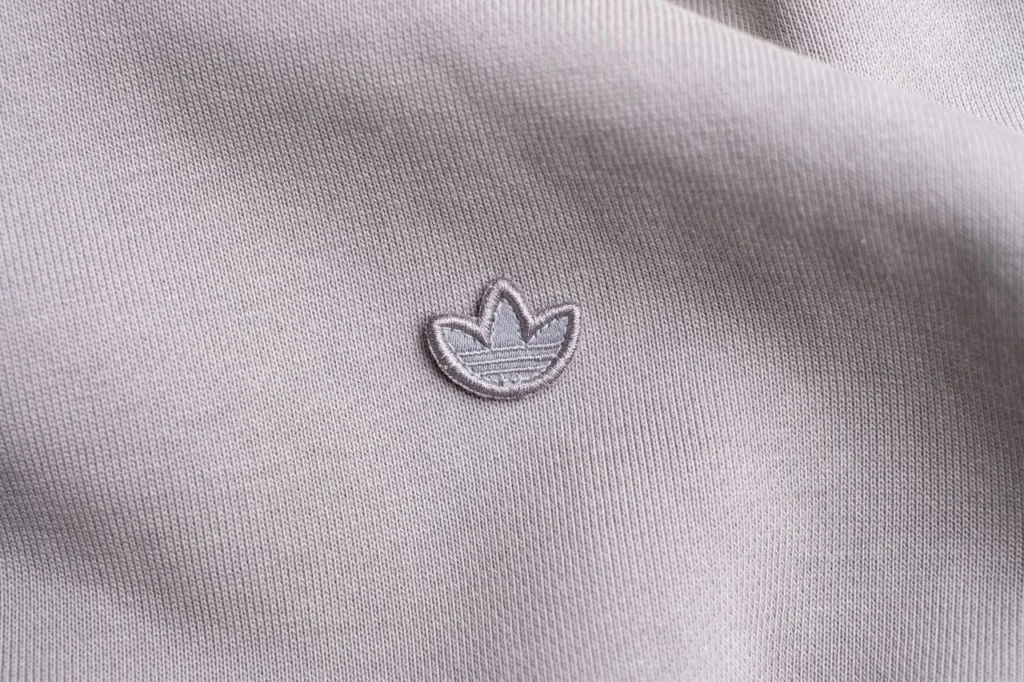
Direct embroidery stitches the logo straight into the garment. The sportswear fabric, stabilizer, thread, needle, digitizing file, hooping, and machine settings work together as one construction. Embroidered patches are produced separately on a patch base and then attached by sewing, heat-applied adhesive, hook-and-loop, or another approved system.
The correct direct embroidery vs embroidered patches choice depends on garment weight, fabric stretch, logo detail, order quantity, personalization, replacement needs, wash conditions, and brand positioning. A small crest on a stable polo may suit direct embroidery. A detailed club badge used across jackets, bags, caps, and fanwear may be easier to control as a separate patch.
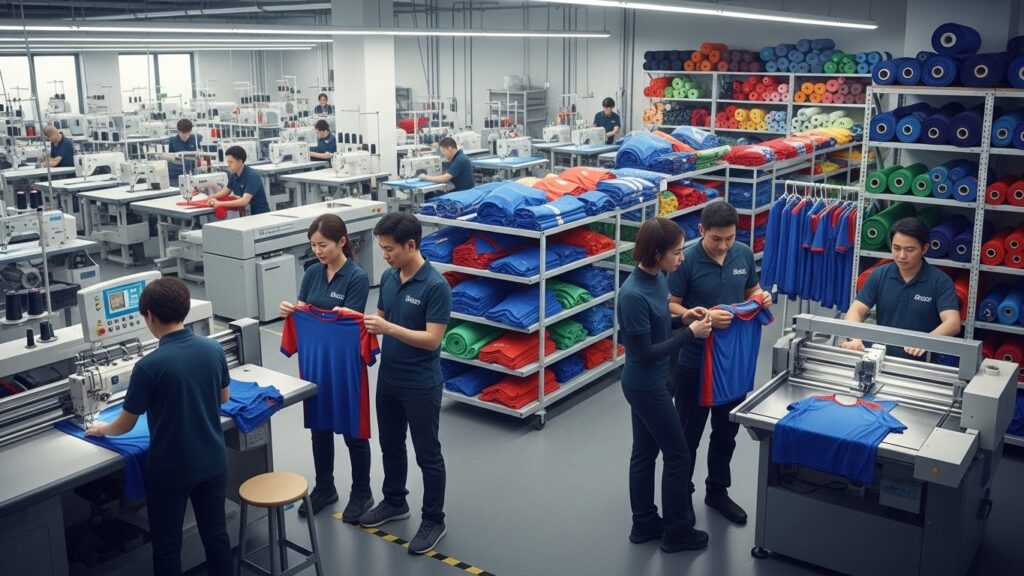
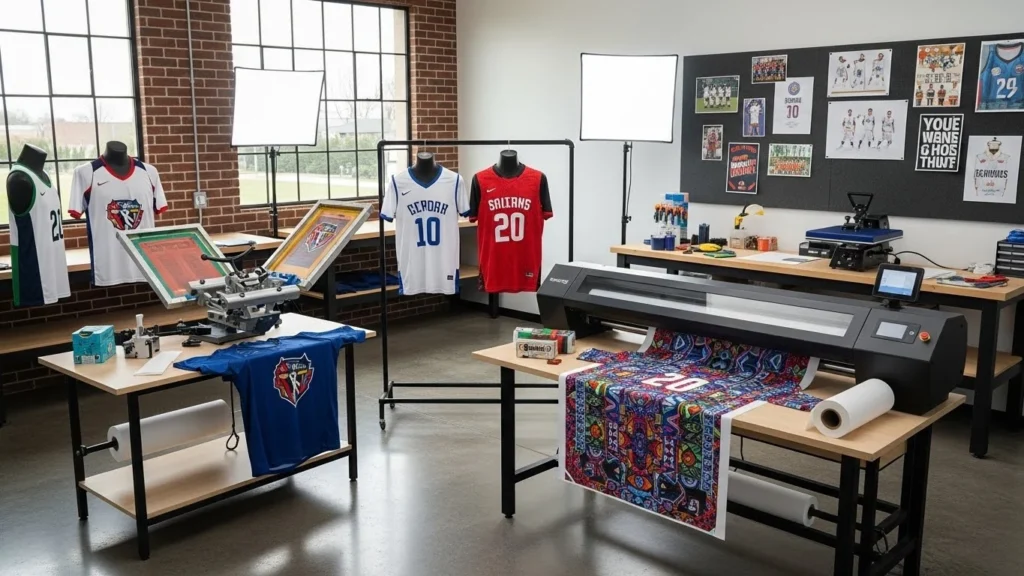
BUSHI Sports® supports custom sportswear manufacturing for brands, teams, clubs, academies, schools, retailers, wholesalers, and distributors. Projects can include embroidered crests, patches, sublimated uniforms, private labels, samples, packaging, and bulk quality control.
This guide explains seven practical decisions that help buyers compare direct embroidery vs embroidered patches before approving sportswear logos.
Quick Answer
Direct embroidery is usually better when a permanent, clean logo is required on stable garments such as polos, tracksuit jackets, hoodies, caps, and selected uniforms. It removes the visible patch edge and creates a fully integrated finish.
Embroidered patches are usually better when the same badge must be used across several products, applied after garment production, replaced later, attached through hook-and-loop, or produced with a defined border and dimensional identity.
The strongest direct embroidery vs embroidered patches answer is product-specific. Lightweight stretch jerseys may not suit dense direct stitching, while a thick patch can also add weight and reduce flexibility. Both methods require physical samples and wash testing.
Direct Embroidery vs Embroidered Patches Comparison
| Requirement | Direct embroidery | Embroidered patches |
|---|---|---|
| Construction | Stitched directly into the garment | Produced separately and attached later |
| Appearance | Integrated with no separate patch edge | Defined badge shape and visible border |
| Garment risk | Needle penetrations and stitch tension act directly on fabric | Attachment method affects garment; patch carries most stitching |
| Replacement | Difficult without marks or fabric damage | Easier with sewn or hook-and-loop systems |
| Product flexibility | Digitizing and hooping must suit each garment | One patch can be used across several compatible products |
| Small runs | Can be practical with one approved design | Patch MOQ and setup must be considered |
| Bulk consistency | Depends on hooping, placement, tension, and fabric | Patch can be inspected before attachment |
| Main risk | Puckering, distortion, backing discomfort, needle damage | Lifting, edge curl, poor attachment, stiffness, shade mismatch |
Understand the Two Construction Methods
A useful direct embroidery vs embroidered patches comparison starts with the production sequence.
For direct embroidery, the garment or panel is stabilized and stitched with the approved machine file. Underlay, density, pull compensation, backing, needle, and tension affect the result.
For a patch, the emblem is stitched onto a separate base and finished with a controlled border. It may be sewn, heat applied, or attached through hook-and-loop. The attachment method must be stated in the bill of materials because “embroidered badge” is not a complete instruction.
Decision 1: Match Direct Embroidery vs Embroidered Patches to the Garment
The first direct embroidery vs embroidered patches decision is the garment fabric and structure. Stable products can support more stitching than lightweight, open, or highly elastic materials.
Garments Commonly Suited to Direct Embroidery
Direct embroidery often works well on:
- Polo shirts
- Tracksuit jackets
- Hoodies and sweatshirts
- Structured caps
- Staff uniforms
- Fleece garments
- Stable woven jackets
- Selected goalkeeper tops
- Small chest logos on substantial jerseys
Garments Commonly Suited to Embroidered Patches
Patches can be useful on:
- Team jackets
- Fanwear
- Bags
- Caps
- Hoodies
- Uniform collections using one shared crest
- Products requiring removable identification
- Garments that are difficult to hoop consistently
- Mixed-material collections
A patch does not automatically solve every fabric problem. A heavy badge can still pull on a lightweight jersey, and heat-applied adhesive can affect sensitive polyester or coated fabric.
The published BUSHI Sports® guide on sublimation vs embroidery explains why lightweight match uniforms often favour integrated printing over dense stitched branding. The direct embroidery vs embroidered patches decision should therefore be made after the garment construction is confirmed.
Decision 2: Compare Fabric Distortion, Backing, and Comfort
The second direct embroidery vs embroidered patches decision concerns how stitching affects the sportswear fabric.
Direct embroidery places needle penetrations and thread tension into the garment. Excessive density or weak stabilization can cause puckering, stretching, or inward pull around the logo.
Knits and loosely woven fabrics generally need stronger stabilization than stable woven materials. Madeira’s backing guidance distinguishes cut-away backing for unstable fabrics from tear-away options for stable fabrics.
Direct Embroidery Comfort Risks
Backing and dense stitches can create:
- Rough skin contact
- Local stiffness
- Reduced stretch
- Heat buildup
- Visible backing through pale fabric
- Puckering after washing
- Distortion around the chest or shoulder
A soft cover layer may reduce irritation, but it adds another component and must survive washing.
Patch Comfort Risks
A patch concentrates embroidery on its own base, which can reduce direct stitching stress on the garment. However, the completed emblem may be thicker than direct embroidery.
Review:
- Patch weight
- Edge stiffness
- Attachment seam
- Adhesive layer
- Skin-facing surface
- Flexibility during movement
- Position under straps or protective equipment
For close-body products, direct embroidery vs embroidered patches should be evaluated during movement rather than only on a flat table.
Decision 3: Compare Artwork Detail and Logo Appearance
The third direct embroidery vs embroidered patches decision is the logo design.
Both methods begin with digitizing. The digitizer converts artwork into stitch types, directions, densities, underlay, sequencing, and machine instructions. Poor digitizing can create gaps, broken thread, small-letter failure, excessive stitch count, or distorted outlines.
Direct Embroidery Appearance
Direct embroidery can create a clean, integrated mark without a visible badge edge. This is valuable for simple chest logos, wordmarks, monograms, and crests designed specifically for thread.
It may be limited when the logo contains:
- Very small text
- Thin lines
- Tight negative spaces
- Photographic detail
- Large filled areas
- Numerous close colour changes
- A shape requiring a strong outer border
Embroidered Patch Appearance
A patch gives the logo a defined silhouette and can maintain the same dimensions across jackets, hoodies, caps, and bags. Options include flat or raised embroidery, printed details with stitched borders, merrowed or satin edges, laser-cut shapes, and hook-and-loop backing.
Wilcom’s current embroidery guidance notes that printed details can be combined with embroidered borders to preserve fine detail while reducing stitch count.
The direct embroidery vs embroidered patches sample should be judged from normal viewing distance as well as close range. A highly detailed digital logo may need simplification for either method.
Decision 4: Compare Durability, Washing, and Replacement
The fourth direct embroidery vs embroidered patches decision is long-term use.
Direct embroidery is permanently integrated. There is no patch adhesive to lift and no separate emblem edge to curl. When thread, digitizing, backing, and garment fabric are compatible, it can provide a durable result.
Potential failures include thread abrasion, broken stitches, puckering, fabric tearing, colour change, backing deterioration, and distorted logo shape.
For frequently washed sportswear, polyester embroidery thread is often practical. Madeira’s polyester-thread guidance highlights resistance to abrasion, sunlight, and chlorine bleach for suitable thread products. The final choice must still match the garment’s care label and test programme.
Patches introduce an attachment system. A sewn patch can develop edge wear or attachment-stitch damage, while a heat-applied patch may lift when the adhesive, pressing settings, fabric coating, or laundering process is unsuitable.
Stahls offers embroidered patches in heat-applied and pressure-sensitive formats and also provides hook-and-loop systems. These options demonstrate the flexibility of patches, but buyers must follow the requirements of the exact attachment product.
Replacement and Uniform Updates
Replacement is a major direct embroidery vs embroidered patches difference.
A patch may be useful when:
- A league badge changes
- Sponsor identity changes
- Staff roles change
- A removable national or club badge is required
- The garment has a longer life than the logo
- Event identification must be switched
Removing direct embroidery can leave needle holes or fabric damage. A replaceable patch can extend garment use when identity elements change.
Decision 5: Compare Cost, MOQ, and Production Workflow
The fifth direct embroidery vs embroidered patches decision is total manufacturing cost.
Direct Embroidery Cost Factors
Direct embroidery cost may include:
- Digitizing
- Stitch count
- Logo dimensions
- Number of colours
- Colour changes
- Backing and topping
- Hooping or framing
- Machine running time
- Garment handling
- Reject and repair risk
Once the design is digitized, repeated embroidery can be efficient. However, each garment must still be loaded and stitched correctly.
Patch Cost Factors
Patch cost may include:
- Digitizing
- Patch base
- Stitch count
- Border construction
- Thread colours
- Backing or adhesive
- Patch MOQ
- Attachment labour
- Heat pressing or sewing
- Inspection and packaging
Patches can be produced in advance and used across several products or applied after garment orders are confirmed.
Small Orders and Reorders
The direct embroidery vs embroidered patches cost comparison changes with quantity. Direct embroidery can suit a small run when the design is simple. Custom patches may require a minimum batch but can be stored for later use.
For repeated collections, patches may simplify crest inventory, while direct embroidery avoids a separate attachment operation.
The BUSHI Sports® sportswear manufacturing cost guide explains how decoration, labour, sampling, labels, packaging, and quantity affect quotations.
Decision 6: Compare Placement and Bulk Consistency
The sixth direct embroidery vs embroidered patches decision is production repeatability.
Direct embroidery placement depends on hooping, panel shape, seams, and operator control. Small differences become visible when team members stand together.
Patches can be inspected before attachment for stitch quality, colour, border, and dimensions. Their final position must still be measured carefully.
Placement Across Sizes
A logo should not simply move by guesswork from youth extra-small to adult 3XL. The technical file should define placement from stable reference points such as:
- High shoulder point
- Centre front
- Neck seam
- Armhole
- Placket edge
- Zipper
- Sleeve seam
The sports uniform size guide explains why logo placement must be reviewed with garment grading and different body proportions.
Bulk Control Points
For direct embroidery, inspect:
- Hoop alignment
- Thread tension
- Bobbin visibility
- Stitch density
- Puckering
- Needle damage
- Backing trim
- Placement
- Shade consistency
For patches, inspect:
- Dimensions
- Shape
- Border
- Thread shades
- Base material
- Adhesive or backing
- Attachment position
- Edge security
- Heat or pressure marks
The direct embroidery vs embroidered patches specification should define tolerances for logo size and placement rather than relying on visual approval alone.
Decision 7: Choose Direct Embroidery vs Embroidered Patches by Product
The final direct embroidery vs embroidered patches decision should reflect the product, brand tier, and end use.
| Application | Recommended starting point | Main reason |
| Stable polo shirt | Direct embroidery | Integrated premium chest logo |
| Lightweight match jersey | Small direct embroidery, lightweight patch, or sublimation | Weight and flexibility must be protected |
| Tracksuit jacket | Either | Depends on crest style and replacement needs |
| Hoodie or sweatshirt | Either | Fabric normally supports both methods |
| Structured cap | Direct embroidery or purpose-made patch | Depends on shape and design detail |
| Team equipment bag | Embroidered patch | Consistent badge across hard-to-hoop products |
| Fanwear collection | Embroidered patch | Strong identity and dimensional appearance |
| Staff uniform | Direct embroidery | Permanent, clean corporate branding |
| Removable role badge | Hook-and-loop patch | Easy replacement |
| Multi-product club collection | Patch system | Same crest across several garment types |
| Small wordmark | Direct embroidery | No border required |
| Heritage shield crest | Embroidered patch | Defined edge and badge appearance |
Practical Verdict
Direct embroidery is usually better for permanent logos on stable products when an integrated finish is preferred. It works especially well for small chest marks, polos, staff wear, structured jackets, and selected caps.
Embroidered patches are usually better when the brand wants a defined badge shape, shared crest inventory, removable identification, easier replacement, or consistent application across several product categories.
A collection can use both. Direct embroidery may identify the manufacturer or brand, while an embroidered patch carries the club crest.
Direct Embroidery vs Embroidered Patches Testing Checklist
| Property | Direct embroidery check | Patch check |
| Artwork | Digitizing, underlay, density, and sequence | Digitizing, base, border, and dimensions |
| Fabric | Stretch, stability, weight, and hooping | Weight and attachment compatibility |
| Backing | Type, weight, trimming, and comfort | Patch backing, adhesive, or hook-and-loop |
| Thread | Type, shade, strength, and colourfastness | Thread shade and lot consistency |
| Placement | Reference points and symmetry | Reference points and attachment alignment |
| Wash result | Puckering, thread, backing, and fabric | Edge curl, lifting, thread, and attachment |
| Stretch | Distortion and restricted movement | Patch stiffness and attachment stress |
| Bulk control | Machine file, needle, tension, and hoop | Patch lot, border, backing, and attachment settings |
A suitable programme may use ISO 6330 washing procedures and ISO 105-C06 colourfastness assessment. Test the complete decorated garment under its intended care conditions.
Questions to Ask a Manufacturer
Use these direct embroidery vs embroidered patches questions before approval:
- Which option suits the garment fabric?
- What are the stitch count and design size?
- Which thread, needle, and backing will be used?
- Will the patch be sewn, heat applied, or hook-and-loop attached?
- What patch MOQ applies?
- Can one patch serve several products?
- How will placement be controlled across sizes?
- Will a stitch-out, PP sample, and wash results be supplied?
- Can materials or attachment methods change without approval?
Common Buying Mistakes
Choosing by Appearance Alone
A patch may look premium but be too stiff or heavy. Direct embroidery may look clean but distort lightweight fabric.
Ignoring Backing
Backing influences puckering, stability, comfort, and wash performance.
Using Excessive Stitch Density
More stitches do not automatically create better quality. Excess density can damage fabric and create stiffness.
Treating Every Patch as Heat Applicable
The attachment system must be specified and tested. Some garments or coatings cannot tolerate the required heat.
Approving Only the Badge
The final logo should be approved on the actual garment because fabric, seams, position, and movement change the result.
Why Work With BUSHI Sports®?
BUSHI Sports® supports direct embroidery vs embroidered patches development for sports uniforms, activewear, tracksuits, jackets, polos, hoodies, caps, bags, and fanwear.
Support can include:
- Logo review and digitizing
- Thread and backing selection
- Direct embroidery
- Sew-on, heat-applied, or hook-and-loop patches
- Physical stitch-outs
- Size-set and PP samples
- Logo placement specifications
- Wash-test coordination
- Private labels and packaging
- Bulk quality inspection
- International order management
The project brief should identify the garment, fabric, artwork, dimensions, colours, placement, attachment method, quantity, wash requirements, price, and delivery date.
Frequently Asked Questions
What is the main difference in direct embroidery vs embroidered patches?
Direct embroidery stitches the logo into the garment. An embroidered patch is produced separately and then attached by sewing, heat application, hook-and-loop, or another approved method.
Which option looks more premium?
Both can look premium. Direct embroidery provides an integrated finish, while patches provide a defined badge edge and dimensional identity.
Which method is better for lightweight jerseys?
Neither should be chosen without testing. A small low-density direct logo or lightweight patch may work, but sublimation can be more suitable when weight and ventilation are priorities.
Are embroidered patches removable?
Sew-on patches can be removed with care, and hook-and-loop patches are designed for replacement. Heat-applied patches may be difficult to remove cleanly.
Is direct embroidery more durable?
Direct embroidery removes adhesive and patch-edge risks, but it can fail through thread damage, puckering, or fabric tearing. A correctly attached patch can also be highly durable.
Which method costs less?
Cost depends on stitch count, logo size, garment handling, patch MOQ, backing, border, attachment, and quantity. Direct embroidery may suit simple recurring logos, while patches can provide inventory flexibility across several products.
Can the same patch be used on different garments?
Yes, provided the patch size, weight, attachment method, and appearance suit each fabric and product.
What should be approved before bulk production?
Approve the digitizing file, stitch-out, dimensions, thread colours, backing, patch border, attachment system, placement, wash results, and final pre-production sample.
Conclusion
Direct embroidery vs embroidered patches should be decided through garment structure, logo design, comfort, durability, replacement needs, cost, and manufacturing control.
Direct embroidery is normally the stronger choice for permanent, integrated logos on polos, staff uniforms, stable jackets, sweatshirts, and selected caps. It avoids a separate patch edge but requires accurate digitizing, stabilization, hooping, placement, and tension.
Embroidered patches are normally the stronger choice for defined club crests, fanwear, mixed-product collections, removable identification, difficult-to-hoop products, and branding that may need replacement. Their performance depends on patch construction and the approved attachment method.
The strongest direct embroidery vs embroidered patches strategy may use both methods across a collection. Buyers should approve the physical stitch-out, patch sample, decorated garment, wash results, placement chart, and production specification before bulk manufacturing.
BUSHI Sports® supports direct embroidery vs embroidered patches projects through artwork review, digitizing, material selection, patches, direct stitching, samples, testing coordination, private labels, packaging, quality inspection, and international production.
To discuss a custom sportswear project, email info@bushisports.com, message BUSHI Sports® on WhatsApp at +92 348 4018 578, or submit requirements through the contact page.