
Horse Ear Bonnet Materials and Construction Explained
Horse ear bonnet materials shape how a bonnet looks, fits and feels during riding. The body must sit neatly beneath the bridle, while the ear panels need enough flexibility for natural movement. Stitching, trim and branding also affect the finished product, even when they seem like minor design details.
For equestrian brands and wholesale buyers, choosing materials is only the beginning. A breathable fabric can still produce an uncomfortable bonnet if its ear openings are poorly shaped or a thick seam sits beneath the bridle. Similarly, an attractive sample may lose its shape after cleaning if its components have not been assessed together.
This guide explains seven decisions behind horse ear bonnet materials and construction. It covers fabric options, ear-panel design, fit, decoration and the checks to make before approving a custom or private label order.
Table of Contents
- What an ear bonnet needs to do
- Choosing the body material
- Selecting fabric for the ears
- Shaping the bonnet for bridle fit
- Stitching, binding and decorative trim
- Branding and matching collections
- Considering padded or sound-reducing ears
- Sampling and quality checks
- Frequently asked questions
What Should Horse Ear Bonnet Materials Achieve?
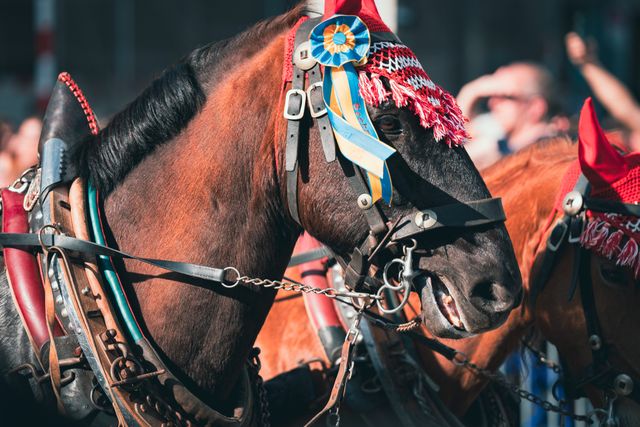
An ear bonnet, sometimes called a fly veil or fly hood, covers the horse’s ears and part of its forehead during riding. Its intended purpose should guide its design. Some buyers want a lightweight bonnet for insect coverage; others are developing a coordinated competition collection or a style with a specified ear-panel construction.
An ear bonnet is different from a fly mask. A horse fly mask covers the area around the eyes for turnout, while a riding ear bonnet must sit correctly with a bridle and leave the horse’s vision unobstructed. The two products therefore require different patterns, fit checks and material decisions.
Good horse ear bonnet materials need to work together. The body should lie flat, the ears should accommodate movement, and the join between them should remain comfortable. Before selecting a color or logo, buyers should decide how the bonnet will be worn and what features customers will expect.
1. Choose a Body Material That Holds Its Shape
The main body usually extends over the forehead and between or behind the ears. Crochet-style constructions are popular because they create the familiar equestrian appearance while allowing an open, flexible structure. Other textile constructions can be considered when a brand wants a different texture, production method or price point.
Cotton, polyester and blended yarns can all be considered for the body. Fiber content alone does not determine performance: yarn size, construction density, finishing and the way the fabric is assembled influence its weight, flexibility and appearance. Buyers should assess the actual sample rather than assuming that every cotton or polyester bonnet will behave alike.
For an example of how established equestrian products combine components, LeMieux describes a cotton crochet body paired with elastane ear fabric. That pairing illustrates why the body and ears may need different properties. It does not mean the same specification is right for every brand or horse.
When comparing horse ear bonnet materials for the body, handle the fabric in its finished shape. Check whether the front edge lies smoothly, whether the fabric distorts when lightly stretched and whether the bonnet keeps a consistent outline after cleaning. Large differences between samples can affect both fit and the appearance of a matching collection.
2. Select Ear Fabric for Flexibility and Comfort
Ear panels have a different job from the body. They need to cover the ears without holding them rigidly or bunching fabric around their base. Stretch textiles, often using elastane, are common options because they can accommodate some variation in ear shape.
The amount of stretch is only one consideration. A fabric that stretches easily but does not recover may become loose during use. A fabric with a firm, heavy feel may create a close appearance while restricting movement. Buyers should assess both stretch and recovery in a sewn sample, since a swatch does not show how a completed ear panel fits.
Horse ear bonnet materials for the ears should also suit the expected conditions of use. A lightweight panel may be preferable for a warm-weather collection, while a buyer developing a more substantial style may request a different fabric. Neither choice should be marketed as providing a particular performance benefit without checking the finished design.
Ear height, width and taper matter as much as textile choice. If an ear panel is too short, it can pull at the base. If it is overly wide, it may twist or appear untidy. Check a sample on horses representing the intended sizes and observe whether their ears can move naturally.
3. Build a Smooth Join Between Body and Ears
The point where an ear panel meets the body is a small area with a large effect on the finished bonnet. The materials may stretch differently, and the seam sits close to the base of the ear. Uneven cutting or sewing can make the two sides look different or create a bulky ridge.
Inspect the join from both the outside and inside. The stitching should secure the panel without puckering the body, and the seam allowance should not form a hard lump. Both ear openings should match in size and position unless the pattern deliberately specifies otherwise.
This is why horse ear bonnet materials should be approved as a system rather than as separate swatches. A soft ear fabric and an attractive body fabric may still need a pattern adjustment before they work well together. The broader horse gear materials and construction guide explains the same principle across other equestrian products.
For repeat production, the approved pattern should record the dimensions of the ear opening, the shape of the ear panel and the method used to join them. These details help a manufacturer reproduce the approved fit across sizes and later orders.
4. Shape the Bonnet to Sit Beneath the Bridle
A riding bonnet needs to remain in place with the bridle fitted. Extra fabric behind the ears may help secure one design, but unnecessary bulk beneath the headpiece can create pressure or an untidy fit. The front should also sit at the intended position without being pulled sharply upward.
Evaluate horse ear bonnet materials with the bridle the target customer is likely to use. A sample that looks excellent on a table may fit differently when a headpiece and browband hold it against the horse. Check the edges and seams after the bridle is fitted, particularly where layers overlap.
A practical fit review should cover the following:
- Ear movement: The panels should allow the ears to move without obvious pulling.
- Bridle contact: Seams and trim should lie smoothly beneath the relevant straps.
- Front shape: The forehead section should hold its intended position.
- Size consistency: Each size should be assessed against its own measurements.
- Movement: The bonnet should be observed during ordinary ridden use under appropriate supervision.
A size label such as pony, cob or full is useful for retail, but buyers should also maintain a measurement chart. Head and ear proportions vary, so a brand developing several sizes should approve the pattern and fit for each one.
5. Use Stitching, Binding and Trim With Care
Stitching supports the bonnet’s shape and keeps materials securely joined. Inspect stitch consistency around both ears, along the perimeter and at any point where decorative components are attached. Loose thread ends and uneven seam allowances affect the impression of quality and may also make cleaning more difficult.
Binding and piping can define the bonnet’s outline and connect it visually with a saddle pad. Their thickness matters, especially near the bridle. Heavy trim may photograph well but create unnecessary bulk in use, so the finished sample should be reviewed on the horse.
Horse ear bonnet materials can also respond differently to washing. A cotton-style body, stretch ear fabric and decorative cord may each change appearance in a different way. Wash a sample according to the proposed care instructions, let it dry fully, then check its dimensions, shape and color again.
For brands specifying repeatable color performance, AATCC’s accelerated laundering test method is one recognized way to assess textile colorfastness. Any requested test should be matched to the materials and care conditions relevant to the product.
 6. Plan Branding and Matching Sets Early
Ear bonnets offer several branding opportunities: embroidery on the body, a small label, selected trim colors or branded retail packaging. The most effective placement depends on the body construction and the size of the artwork. Dense embroidery on an open or highly flexible area, for example, should be reviewed on a physical sample for appearance and feel.
Horse ear bonnet materials should also be selected alongside the rest of a collection. A buyer may want the bonnet to coordinate with saddle pads, show apparel or stable accessories. Matching an overall color is only part of the task; trim width, piping shade, logo position and finish should be approved together.
Bushi Sports® discusses outer fabrics, quilting, binding and shape in its saddle pad construction guide. Those choices can inform a coordinated design brief, although a saddle pad and ear bonnet will still need materials suited to their separate uses.
A useful collection specification identifies the approved color reference for every visible component. A crochet-style body, smooth ear fabric and decorative piping can appear slightly different even when sourced for the same colorway. Reviewing them together under consistent lighting helps buyers catch differences before bulk production.
7. Treat Sound-Reducing Ears as a Separate Specification
Some ear bonnets are developed with padded or layered ear sections. Buyers interested in this style should define what they want the extra material to achieve, how thick it should be and how the horse’s ear movement will be preserved.
Adding a layer does not, by itself, establish a measurable level of noise reduction. If a brand intends to make a specific claim, it should obtain suitable evidence for the finished design and describe the claim accurately. It should also assess whether the added material changes warmth, fit, cleaning or the way the bonnet sits beneath the bridle.
Horse ear bonnet materials for a padded design should therefore be sampled separately from a lightweight fly veil. Approving one version does not automatically approve the other. Buyers planning competition use should also check the current equipment requirements of their relevant governing body before finalizing a design.
What to Include in a Manufacturing Brief
A good brief gives a manufacturer enough detail to recommend materials and prepare a meaningful sample. Start with the product’s intended use and the customer it is designed for, then specify the construction and commercial requirements.
| Brief item | Details to provide |
|---|---|
| Style | Classic fly veil, coordinated collection piece or padded-ear design |
| Body | Preferred material, texture, shape and color |
| Ears | Fabric, stretch feel, measurements and any layering |
| Fit | Target sizes, measurement chart and bridle-related requirements |
| Finishing | Binding, piping, embroidery and label positions |
| Order | Quantity by size and color, packaging and destination |
If an existing bonnet has the exact shape you want, a physical reference sample can communicate details that photographs miss. Mark the features to retain and the issues to improve. A reference may reveal how the ear panel is joined, how the back sits beneath a bridle and where trim creates bulk.
Bushi Sports® lists body fabric, ear material, colors, piping, embroidery, labels and packaging among the options for its custom horse ear bonnet manufacturing. The required quantity and development plan should be discussed for the particular design rather than assumed from a general product listing.
Check the Sample Before Approving Bulk Production
A sample review should cover appearance, construction and fit. Compare the finished bonnet with the written specification: check body dimensions, ear symmetry, fabric feel, stitching, trim, branding and packaging. Photograph any requested change and record revised measurements so there is one clear version to approve.
Next, place the bonnet on a suitable horse and fit the bridle. Observe the ear panels and the areas beneath the headpiece and browband. If the collection has several sizes, check each intended size rather than assuming the proportions scale correctly from one sample.
Finally, follow the proposed care instructions. Once the bonnet is clean and dry, look for shrinkage, distortion, loose trim, color change and any difference in ear-panel recovery. Horse ear bonnet materials should meet the brand’s expectations after ordinary care, not only when the sample is new.
Keep the approved sample, measurements, materials and artwork together as the reference for production checks. The Bushi Sports® sample approval checklist offers a wider process for documenting approvals before bulk manufacturing.
Frequently Asked Questions
Which horse ear bonnet materials are commonly used?
Common options include crochet-style cotton, polyester or blended body textiles, combined with stretch fabric for the ears. Binding, piping, embroidery thread and labels complete the design. The exact combination should follow the required fit, appearance and care instructions.
Is cotton or polyester better for the body?
Neither fiber is automatically the better choice. The yarn, construction, finish and finished bonnet all affect the result. Ask for swatches and compare samples for shape, feel, appearance after cleaning and suitability for the target price.
Should an ear bonnet fit tightly?
It should sit securely, but the ears need room to move and the bonnet should lie smoothly beneath the bridle. Check the fit on a horse in the intended size range rather than judging it only by its flat measurements.
Can ear bonnets match saddle pads?
Yes. Brands can coordinate colors, piping, embroidery and packaging across both products. Each item still needs its own appropriate materials, pattern and sample approval.
Can a brand order a sample before a wholesale run?
Bushi Sports® supports sampling for custom ear bonnet development. Send the intended style, reference images or physical sample, sizes, material preferences, branding and estimated quantity so the sample can be planned around your requirements.
Conclusion
The best horse ear bonnet materials are the ones that work in the finished design. Body texture, flexible ears, seam placement, bridle fit and trim should be evaluated together, then checked again after cleaning and use. For wholesale buyers, a clearly documented sample is the most useful reference for maintaining those details through bulk production.
To discuss a custom sample or order, contact Bushi Sports® through its contact page, send your requirements by WhatsApp, or email info@bushisports.com. You can find the company on Google Maps and follow Bushi Sports® on LinkedIn, Instagram, X, Threads, Facebook, Pinterest, TikTok and YouTube.