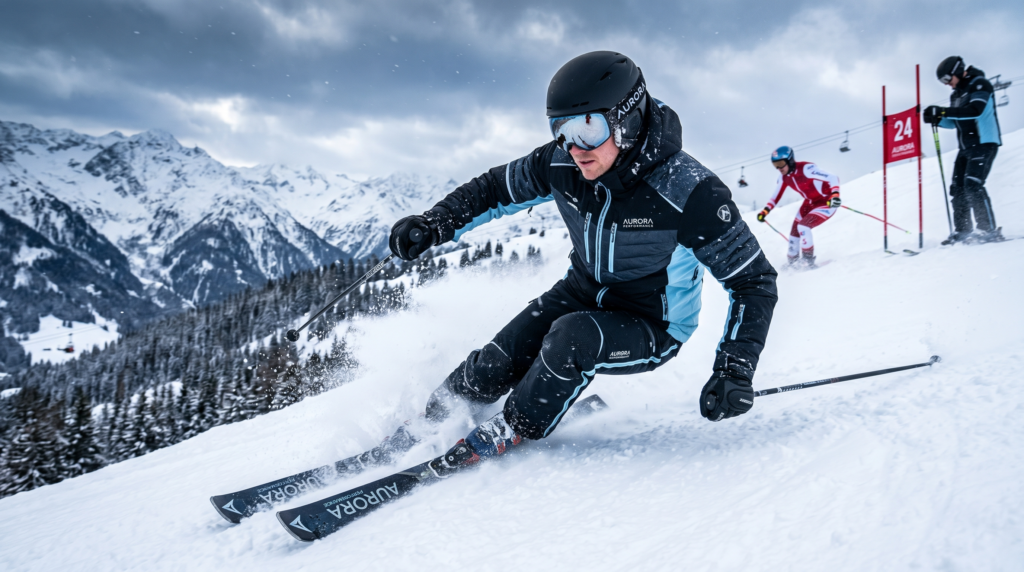
Winter sports apparel has become one of the most technically demanding categories within modern sportswear manufacturing. Ski athletes perform in freezing temperatures, high-altitude environments, heavy snow conditions, and moisture-intensive climates where clothing directly influences comfort, mobility, and safety.
Because of this, modern ski apparel is engineered very differently from ordinary athletic wear. Performance skiing uniforms must balance insulation, breathability, waterproof protection, flexibility, and lightweight movement simultaneously without creating excessive bulk.
This growing technical complexity has transformed the role of a skiing uniform manufacturer into a highly specialized area of winter sports apparel production.
Today’s manufacturers are expected to support advanced thermal engineering, weather-resistant textile development, ergonomic garment construction, and scalable OEM manufacturing for professional winter sports brands, ski academies, and outdoor apparel retailers.
As winter sports participation continues expanding globally through alpine skiing, snowboarding, mountain tourism, and recreational outdoor activities, demand for insulated performance apparel continues increasing across international sportswear markets.
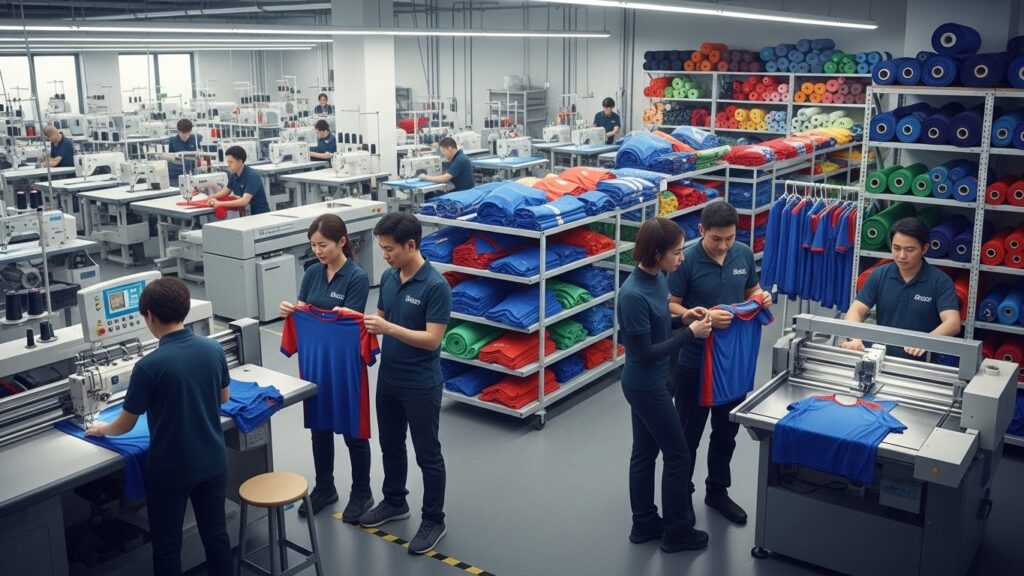
Many sportswear businesses now collaborate with custom winter sports apparel production companies capable of engineering high-performance cold-weather collections specifically designed for skiing environments.
Thermal Protection Is Central to Ski Apparel Engineering
Unlike indoor sportswear, skiing apparel must perform under continuously changing environmental conditions including snow exposure, freezing wind, moisture buildup, and rapid temperature shifts.
Because of this, thermal protection remains one of the most important priorities for a skiing uniform manufacturer.
Professional ski apparel is engineered to trap body heat efficiently while still allowing airflow and moisture evaporation during high-intensity physical movement. Poor insulation systems can reduce athlete comfort, while excessive garment bulk may restrict movement during skiing.
According to International Ski and Snowboard Federation equipment standards, winter sports apparel continues evolving alongside performance requirements and athlete safety expectations across competitive skiing environments.
Modern ski apparel therefore combines insulation technologies with lightweight mobility-focused construction systems.
| Winter Apparel Requirement | Manufacturing Focus |
|---|---|
| Cold-weather protection | Thermal insulation engineering |
| Snow resistance | Waterproof textile systems |
| Athletic movement | Ergonomic flexibility |
| Moisture management | Breathable ventilation layers |
| Long-term durability | Reinforced seam construction |
A professional skiing uniform manufacturer carefully balances these features to support both performance and environmental protection simultaneously.
Advanced Fabric Systems Shape Modern Skiwear
Textile innovation has dramatically transformed winter sportswear manufacturing over the last decade. Ski apparel no longer depends entirely on heavy layered fabrics for warmth and protection.
Instead, manufacturers increasingly use engineered fabric systems capable of combining waterproof protection, thermal insulation, and lightweight flexibility inside a single garment structure.
Recent cold-weather textile insulation research highlights how modern insulation technologies continue improving winter sports apparel through lightweight thermal retention systems and moisture-control engineering.
Unlike ordinary outdoor jackets, professional skiing garments must maintain flexibility while protecting athletes from freezing temperatures and wet conditions.
A modern skiing uniform manufacturer commonly integrates:
- thermal insulation linings
- waterproof membrane layers
- wind-resistant shell fabrics
- breathable ventilation systems
Rather than creating oversized winter garments, manufacturers now prioritize ergonomic fitting systems that support aggressive movement during skiing and snowboarding activities.
Sportswear businesses producing professional skiwear collections frequently collaborate with OEM sportswear manufacturing solutions providers capable of handling technical winter apparel production at scale.
Waterproof Engineering Has Become Essential
Waterproof performance is one of the defining characteristics of modern ski apparel because athletes frequently operate under snow-heavy and moisture-intensive conditions.
Poor moisture resistance can quickly reduce insulation efficiency and athlete comfort during extended outdoor sessions. Because of this, waterproof textile engineering has become a critical part of modern winter sports apparel manufacturing.
Recent waterproof breathable fabric engineering studies explain how layered textile membranes help improve water resistance while maintaining internal airflow and moisture evaporation.
A dependable skiing uniform manufacturer carefully evaluates:
| Waterproof Feature | Athletic Benefit |
|---|---|
| Sealed seam systems | Reduced moisture penetration |
| Breathable membranes | Improved comfort regulation |
| Water-resistant coatings | Snow protection |
| Lightweight shell construction | Better athletic mobility |
Unlike traditional winter clothing, ski apparel must remain lightweight enough for fast downhill movement while still providing long-term environmental protection.
This balance between weather resistance and flexibility is one of the most technically demanding aspects of winter sportswear production.
Skiwear Branding Continues Expanding Globally
Winter sports apparel now functions as both technical equipment and premium lifestyle fashion. Professional ski teams, outdoor apparel brands, and luxury winter sports companies increasingly invest in visually distinctive skiwear collections that combine performance with branding.
Because ski apparel is highly visible during competitions, tourism marketing, and mountain resort culture, presentation has become a major part of product development.
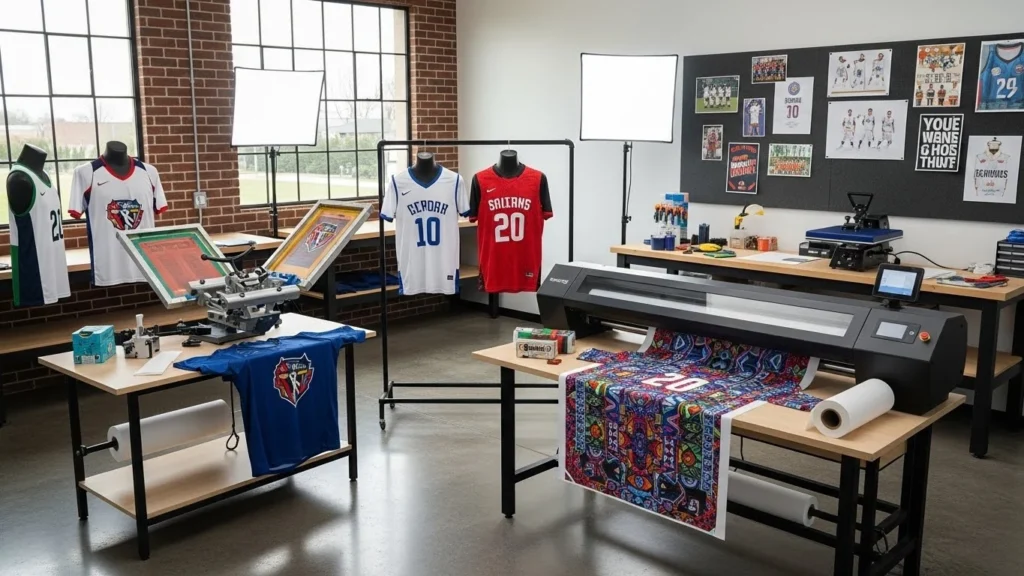
Manufacturers therefore focus heavily on sublimation customization, coordinated winter apparel collections, and premium outerwear aesthetics.
| Branding Element | Business Advantage |
|---|---|
| Coordinated ski collections | Premium visual identity |
| Custom sublimation graphics | Brand differentiation |
| Performance outerwear styling | Retail appeal |
| Premium packaging systems | Luxury presentation |
Many winter sports brands now partner with sublimation athletic apparel services providers capable of producing customized skiwear collections for competitive teams and commercial retail markets.
OEM Production Supports Winter Sports Brands
OEM manufacturing has become increasingly important throughout winter sports apparel because it allows brands to scale production without managing complex cold-weather textile sourcing independently.
Rather than operating manufacturing facilities directly, many winter sports companies now work with private label sportswear production partners capable of handling technical garment development and bulk production systems.
An experienced skiing uniform manufacturer commonly supports businesses through:
| OEM Service | Manufacturing Advantage |
|---|---|
| Technical fabric sourcing | Cold-weather consistency |
| Product development | Faster collection launches |
| Bulk production systems | Scalable inventory growth |
| Custom branding support | Retail-ready apparel |
| Packaging development | Professional presentation |
This model allows sportswear brands to focus more heavily on athlete partnerships, mountain retail expansion, and seasonal marketing while technical production remains managed by manufacturing specialists.
OEM skiwear production has become especially valuable for:
- ski academies
- outdoor apparel startups
- mountain resort retailers
- winter sports distributors
- professional ski teams
Sustainability Is Influencing Winter Sports Apparel
Environmental responsibility has become an increasingly important topic within the outdoor apparel industry because winter sports depend heavily on natural mountain environments and climate stability.
Many sportswear manufacturers are now integrating recycled insulation systems, eco-friendly waterproof coatings, and lower-impact textile production methods into winter apparel development.
Recent sustainable outdoor apparel manufacturing trends research highlights how outdoor brands increasingly prioritize environmentally responsible sourcing alongside technical performance innovation.
A forward-thinking skiing uniform manufacturer now considers:
- recycled synthetic insulation
- sustainable waterproof treatments
- energy-efficient production systems
- reduced textile waste strategies
As sustainability expectations continue increasing globally, winter sports apparel manufacturers capable of balancing environmental responsibility with technical performance are expected to remain highly competitive.
Conclusion
Ski apparel manufacturing has evolved into a highly technical sector where thermal insulation, waterproof engineering, flexibility, and durability all play equally important roles.
Modern winter athletes and sportswear brands increasingly require garments capable of supporting harsh environmental conditions while maintaining lightweight comfort and unrestricted movement.
Working with an experienced skiing uniform manufacturer allows winter sports brands, retailers, and ski organizations to scale production while maintaining consistent quality across insulated performance apparel collections.
From thermal ski jackets and waterproof racing suits to sublimated winter teamwear and private label cold-weather apparel systems, professional manufacturing partnerships continue shaping the future of winter sportswear.
Businesses seeking scalable winter sports apparel production and advanced insulated skiwear solutions can explore professional manufacturing services through Bushi Sports®.