Wrestling remains one of the most physically demanding contact sports in the world. Athletes constantly engage in explosive movement, aggressive grappling, rapid directional changes, and continuous body contact that place extreme stress on sports apparel during both training and competition.
Because of this, wrestling uniforms must be engineered very differently from standard activewear. Durability, flexibility, moisture management, and compression support all play critical roles in overall athlete performance and long-term garment reliability.
This growing demand for performance-focused combat sports apparel has transformed the role of a wrestling uniform manufacturer into a highly technical area of sportswear production.
Modern manufacturers are now expected to combine reinforced textile engineering, ergonomic garment shaping, moisture-control systems, and scalable OEM production capable of supporting professional wrestling teams, combat sports brands, schools, and athletic organizations.
As wrestling participation continues expanding globally across amateur wrestling, freestyle competition, collegiate athletics, and combat fitness programs, sportswear companies increasingly seek manufacturers capable of producing high-durability apparel designed specifically for intense physical contact.
Many growing athletic brands now collaborate with custom combat sports apparel manufacturing companies capable of developing wrestling uniforms tailored for flexibility, durability, and professional-level performance.
Why a Wrestling Uniform Manufacturer Prioritizes Durability
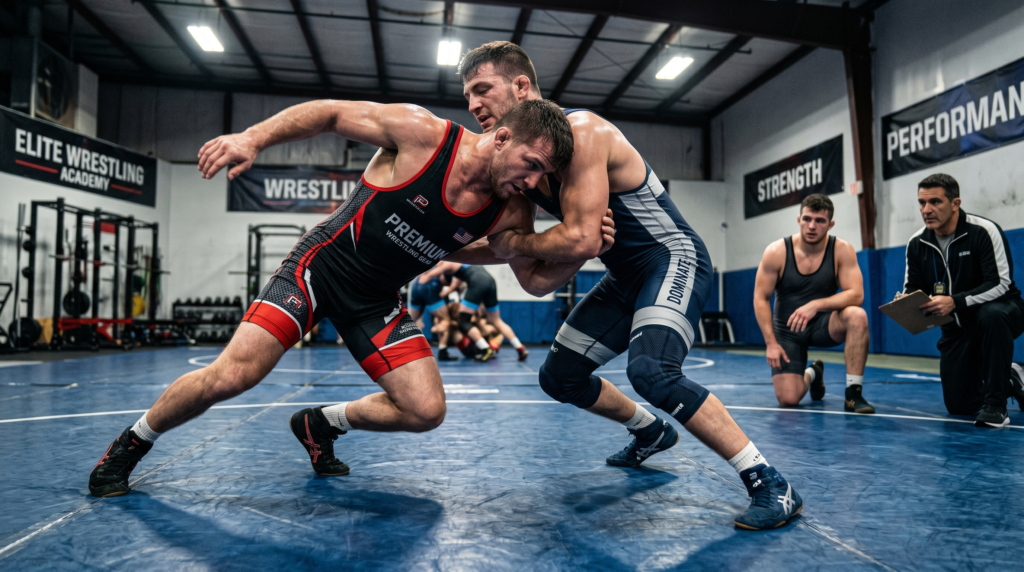
Unlike many sports where apparel experiences limited physical strain, wrestling uniforms are exposed to constant pulling, stretching, friction, and direct athlete-to-athlete contact throughout competition.
Because of this, durability becomes one of the highest priorities for a wrestling uniform manufacturer.
Poor-quality garments can quickly tear, lose compression consistency, or become uncomfortable during repeated grappling movement. Manufacturers therefore focus heavily on reinforced seam construction, abrasion-resistant fabrics, and stretch-performance engineering.
According to United World Wrestling competition regulations, wrestling uniforms must meet strict standards related to athlete safety, movement efficiency, and professional competition requirements.
Modern wrestling apparel is therefore engineered to maintain structural integrity while allowing unrestricted athletic movement.
| Wrestling Apparel Requirement | Manufacturing Focus |
|---|---|
| Contact resistance | Reinforced fabric durability |
| Grappling flexibility | Stretch-performance construction |
| Sweat management | Moisture-control textiles |
| Athletic compression | Muscle-support engineering |
| Long-term use | Abrasion-resistant materials |
A professional wrestling uniform manufacturer carefully balances all these elements to maintain both athlete comfort and garment reliability during high-intensity competition.
Compression Engineering Has Changed Wrestling Apparel
Compression technology has become one of the most important innovations within modern combat sportswear manufacturing. Wrestling athletes increasingly prefer garments capable of supporting muscle stability without restricting explosive movement.
Recent compression apparel performance studies explain how compression systems may help reduce muscle vibration and improve movement efficiency during athletic activity.
Because wrestling requires constant lower-body engagement, rapid body rotation, and explosive grappling movement, compression support plays an important role in modern uniform development.
A wrestling uniform manufacturer commonly integrates:
- four-way stretch fabrics
- compression-fit panel systems
- ergonomic seam placement
- lightweight moisture-wicking textiles
Unlike loose-fitting sports apparel, wrestling uniforms are designed to remain close to the body to minimize grabbing risks and improve movement control during matches.
Manufacturers also use body-mapping techniques that strategically position stretch zones around high-mobility areas such as shoulders, hips, and knees.
This technical approach helps improve flexibility while maintaining compression consistency throughout intense physical contact.
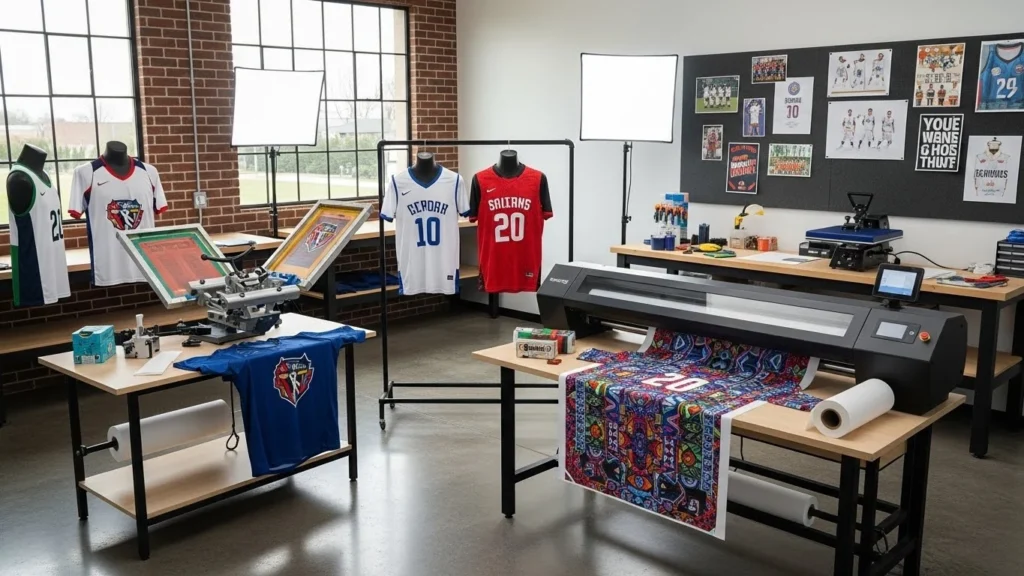
Sportswear businesses developing combat sports collections frequently partner with sublimation wrestling uniform production providers capable of supporting durable customization and lightweight apparel branding.
Fabric Selection Directly Influences Performance
Textile engineering has become central to modern wrestling apparel manufacturing because garments must withstand both physical stress and repeated washing cycles.
A dependable wrestling uniform manufacturer carefully selects fabrics capable of maintaining flexibility, durability, and moisture control even after prolonged athletic use.
Recent textile durability testing research highlights how advanced synthetic textile systems continue improving sportswear longevity through abrasion resistance and structural reinforcement.
Modern wrestling uniforms commonly incorporate polyester-spandex blends because they provide:
- flexibility during grappling
- lightweight athletic fitting
- moisture management performance
- improved durability under stress
Rather than relying on heavy fabrics, manufacturers now prioritize lightweight technical materials capable of supporting aggressive movement without adding unnecessary weight.
| Fabric Technology | Athletic Benefit |
|---|---|
| Polyester-spandex blends | Improved flexibility |
| Moisture-wicking textiles | Sweat evaporation |
| Reinforced stitching systems | Contact durability |
| Abrasion-resistant surfaces | Longer garment lifespan |
An experienced wrestling uniform manufacturer must carefully balance comfort, compression, and durability simultaneously to support competitive-level performance.
OEM Manufacturing Supports Combat Sports Brands
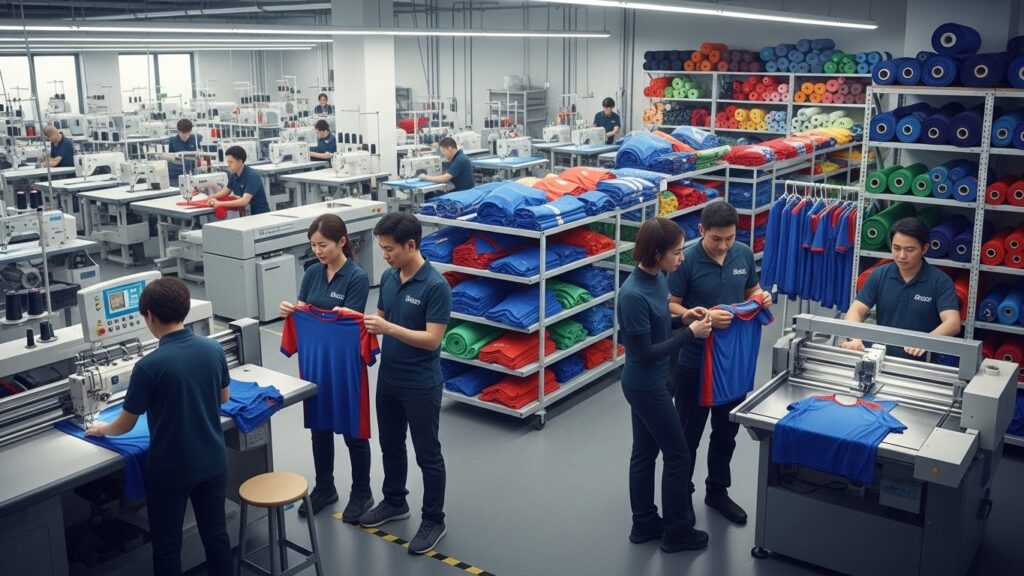
OEM production has become one of the most important growth models within sportswear manufacturing because it allows brands to scale apparel production without building independent factories.
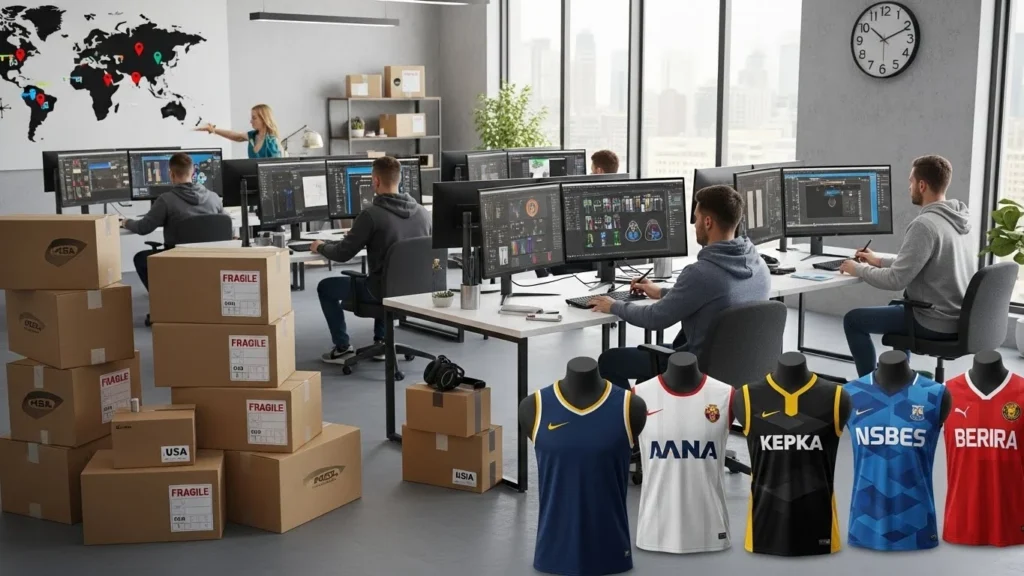
Many combat sports companies now collaborate directly with OEM athletic apparel manufacturing partners responsible for sourcing, sampling, customization, and bulk production systems.
A wrestling uniform manufacturer commonly supports businesses through:
| OEM Service | Production Advantage |
|---|---|
| Fabric sourcing | Consistent material quality |
| Product sampling | Faster collection development |
| Sublimation customization | Full branding flexibility |
| Bulk production | Scalable inventory growth |
| Packaging support | Retail-ready presentation |
This manufacturing model allows wrestling brands to focus more heavily on sponsorships, athlete marketing, tournament partnerships, and retail expansion while manufacturing specialists manage technical apparel production.
OEM wrestling apparel production has become especially valuable for:
- wrestling academies
- school athletic programs
- combat sports startups
- tournament organizers
- private label sportswear brands
Many international combat sports businesses now rely on private label sportswear solutions providers capable of producing customized wrestling apparel under independent brand identities.
Why Abrasion Resistance Matters in Wrestling Gear
Wrestling uniforms experience constant surface friction during takedowns, mat contact, and grappling exchanges. Because of this, abrasion resistance has become one of the defining factors in high-quality combat sports apparel manufacturing.
Recent sports fabric abrasion resistance analysis highlights how reinforced synthetic textiles continue improving garment lifespan within high-contact athletic environments.
A professional wrestling uniform manufacturer therefore evaluates:
- seam reinforcement strength
- fabric surface durability
- elasticity recovery performance
- repeated washing resistance
- compression retention consistency
Unlike ordinary activewear, wrestling apparel must maintain structural integrity despite repeated stretching and direct physical impact.
Manufacturers capable of improving abrasion resistance without sacrificing flexibility remain highly competitive throughout the combat sportswear industry.
Branding and Team Identity Continue Expanding
Modern wrestling apparel now serves both athletic and branding purposes. Teams, academies, schools, and combat sports organizations increasingly use customized wrestling uniforms to strengthen visual identity and professional presentation.
This trend has encouraged manufacturers to prioritize sublimation printing systems capable of producing lightweight graphics without affecting flexibility or compression performance.
| Branding Feature | Business Advantage |
|---|---|
| Custom sublimation graphics | Team identity enhancement |
| Coordinated apparel systems | Professional appearance |
| Lightweight logo integration | Better athlete comfort |
| Retail-ready presentation | Increased merchandise value |
A forward-thinking wrestling uniform manufacturer therefore supports both technical apparel performance and commercial brand visibility simultaneously.
Conclusion
Wrestling apparel manufacturing has evolved into a highly technical area of sportswear production where durability, flexibility, compression support, and abrasion resistance all play equally important roles.
Modern athletes and sportswear brands increasingly require garments capable of supporting intense physical contact while maintaining lightweight comfort and unrestricted movement.
Working with an experienced wrestling uniform manufacturer allows combat sports brands, schools, and athletic organizations to scale production while maintaining consistent quality across customized wrestling apparel collections.
From reinforced wrestling singlets and compression-fit combat gear to sublimated team uniforms and private label sportswear systems, professional manufacturing partnerships continue shaping the future of combat sports apparel.
Businesses seeking scalable wrestling apparel production and durable combat sportswear solutions can explore professional manufacturing services through Bushi Sports®.