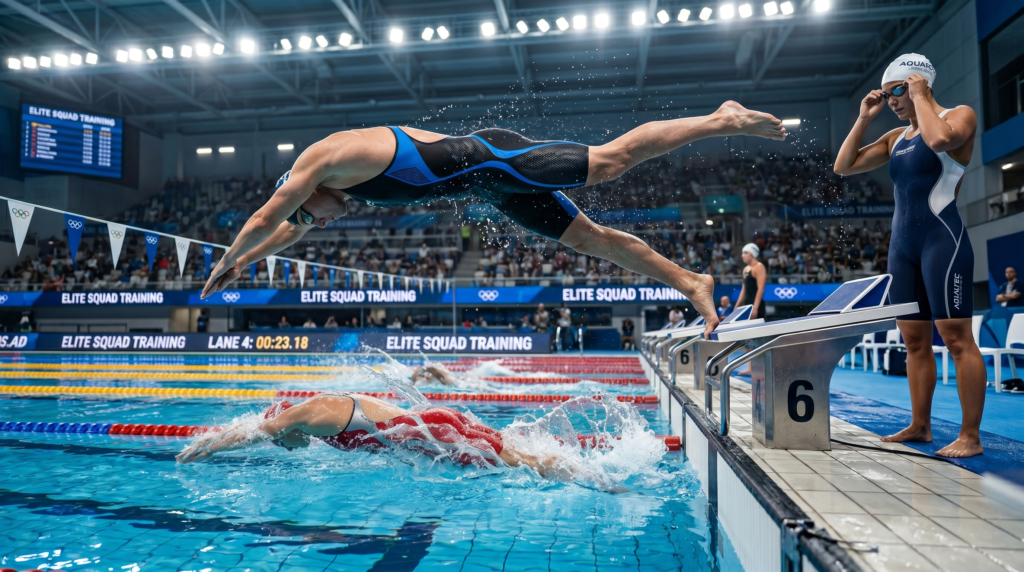
Competitive swimwear has evolved into one of the most technically engineered product categories within modern sports apparel manufacturing. Today’s swimwear is no longer designed only for appearance or recreational comfort. Professional athletes now require garments capable of reducing drag, supporting muscle stability, resisting chlorine damage, and maintaining hydrodynamic efficiency during high-intensity competition.
Because swimming performance depends heavily on movement precision and water resistance control, even small improvements in fabric engineering can significantly influence athlete performance. This growing demand for technical innovation has transformed the role of a swimming suit manufacturer into a highly specialized segment within the global sportswear industry.
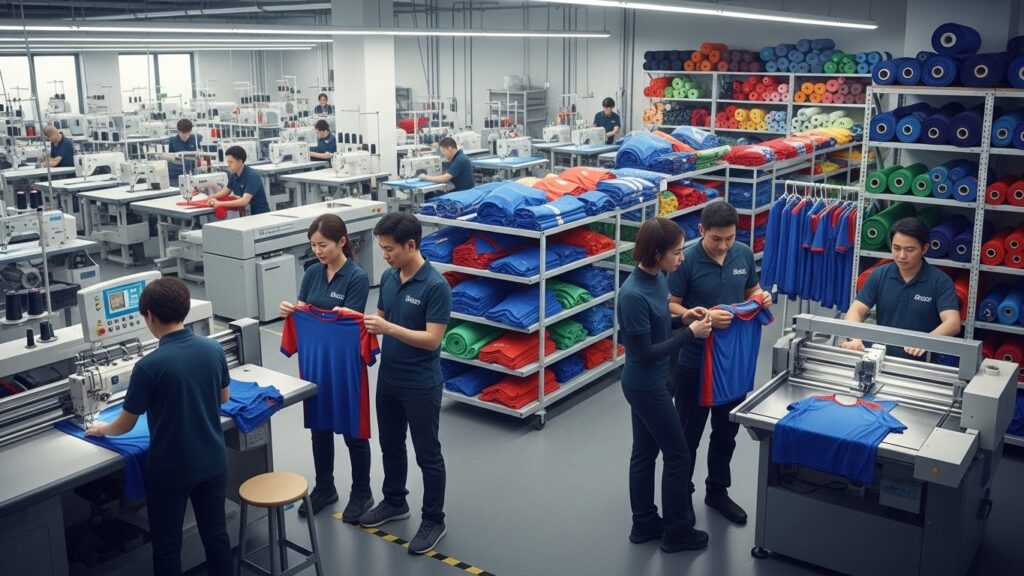
Modern manufacturers are now expected to combine textile science, ergonomic fitting systems, compression engineering, and scalable OEM production capabilities for sportswear brands, swim academies, and professional aquatic teams.
As swimming participation continues increasing globally through professional training programs, recreational fitness, and competitive aquatic events, sportswear companies are investing heavily in advanced swimwear development focused on both performance and durability.
Many activewear businesses now partner with custom sportswear manufacturing solutions capable of producing lightweight performance swimwear collections tailored specifically for professional aquatic environments.
Hydrodynamic Engineering Has Changed Modern Swimwear
Hydrodynamics play a critical role in competitive swimming because athletes continuously move against water resistance throughout races and endurance training sessions. Swimwear capable of reducing friction and improving water flow can help swimmers conserve energy while improving overall efficiency.
Because of this, a swimming suit manufacturer carefully engineers garments to remain lightweight, compressive, and highly streamlined during movement inside the water.
According to World Aquatics swimwear regulations, competitive swimwear must comply with strict performance and construction standards designed to maintain fairness and athlete safety during official aquatic competitions.
Unlike traditional recreational swimwear, professional performance suits are designed using advanced compression zones and tightly woven fabrics capable of minimizing drag while maintaining flexibility.
| Swimwear Requirement | Manufacturing Focus |
|---|---|
| Reduced water resistance | Hydrodynamic fabric shaping |
| Long-term durability | Chlorine-resistant textiles |
| Muscle stabilization | Compression panel engineering |
| Athletic flexibility | Stretch-performance construction |
| Professional branding | Sublimation customization |
Modern swimwear manufacturing therefore focuses heavily on balancing flexibility, compression, and water-flow optimization simultaneously.
Fabric Science Drives Performance Swimwear Innovation
Textile engineering has become one of the most important aspects of modern swimwear production. Competitive swimmers expect garments capable of maintaining shape, flexibility, and durability even after repeated chlorine exposure and extended training use.
Recent textile innovation for swim performance research highlights how lightweight technical fabrics continue influencing athletic apparel engineering through faster-drying textile systems and improved movement efficiency.
A professional swimming suit manufacturer commonly combines polyester blends, elastane stretch systems, and tightly woven hydrophobic textiles to support both comfort and competitive performance.
Unlike standard athletic apparel, swimwear must maintain precise body-contour fitting while resisting water absorption that could increase drag during races.
Modern swimwear collections frequently incorporate:
- chlorine-resistant polyester blends
- four-way stretch compression panels
- lightweight hydrophobic textile systems
- ergonomic seam construction
Manufacturers also apply body-mapping techniques that strategically position compression zones around major muscle groups to improve stability during high-intensity movement.
This level of textile engineering has transformed swimwear into one of the most technical apparel categories within the sportswear market.
Sportswear companies developing aquatic collections frequently collaborate with sublimation sportswear production services capable of producing customized competition swimwear with advanced fabric integration.
Branding and Athlete Presentation Continue Expanding
Professional swimwear now serves both athletic and commercial purposes. Competitive aquatic teams, swim academies, sponsors, and sportswear companies increasingly rely on performance swimwear as part of broader branding strategies.
Because televised swimming competitions provide global visibility for teams and sponsors, apparel presentation has become increasingly important throughout the aquatic sports industry.
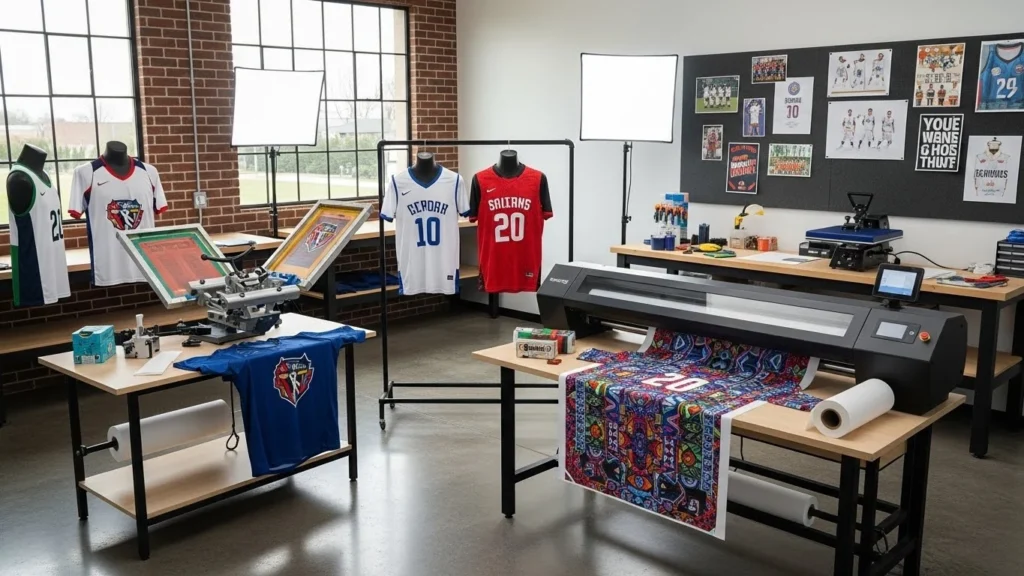
Manufacturers therefore focus heavily on lightweight sublimation printing systems capable of maintaining graphic quality without compromising flexibility or water performance.
| Branding Feature | Commercial Advantage |
|---|---|
| Sublimated graphics | Enhanced visual branding |
| Coordinated swim collections | Professional team identity |
| Custom color systems | Stronger merchandise appeal |
| Premium packaging | Improved retail perception |
Modern swimwear brands now prioritize both athletic functionality and professional visual presentation simultaneously.
Many growing sportswear businesses entering aquatic apparel markets now work with private label activewear manufacturing partners capable of producing customized swimwear collections under independent brand identities.
OEM Manufacturing Supports Global Swimwear Brands
OEM production has become one of the fastest-growing manufacturing models within performance sportswear because it allows brands to scale production without building independent manufacturing facilities.
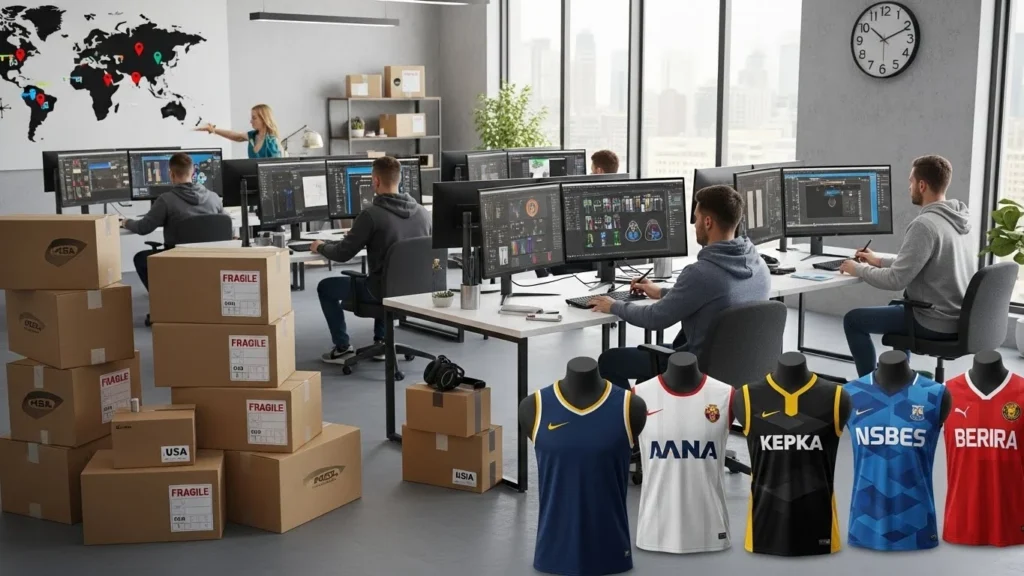
Rather than investing heavily in infrastructure, many swimwear companies now collaborate directly with OEM apparel manufacturing services responsible for sourcing, development, customization, and quality control operations.
An experienced swimming suit manufacturer commonly supports businesses through:
| OEM Service | Production Benefit |
|---|---|
| Fabric sourcing | Textile consistency |
| Product sampling | Faster collection development |
| Custom sublimation | Full design flexibility |
| Bulk production | Scalable inventory management |
| Packaging solutions | Retail-ready presentation |
This manufacturing model allows sportswear businesses to focus more heavily on athlete partnerships, event sponsorships, and retail expansion while technical production remains managed by experienced manufacturing teams.
OEM swimwear production has become especially valuable for:
- swim academies
- sportswear startups
- aquatic event organizers
- competitive swim teams
- e-commerce swimwear retailers
As demand for technical aquatic apparel continues growing, manufacturers capable of supporting customization flexibility and scalable production systems are becoming increasingly valuable throughout the industry.
Compression Technology Influences Athlete Performance
Compression engineering has become one of the most important innovations in professional swimwear development. Athletes increasingly prefer swimwear capable of supporting muscle stability without limiting flexibility or movement efficiency.
Recent compression garment performance analysis explains how compression systems may help reduce muscle vibration while improving movement consistency during athletic performance.
A modern swimming suit manufacturer therefore carefully balances compression strength with overall comfort and mobility.
Unlike heavy compression apparel used in some sports, swimwear compression systems must remain lightweight and flexible enough for unrestricted aquatic movement.
Manufacturers commonly evaluate:
| Performance Standard | Purpose |
|---|---|
| Compression consistency | Muscle stabilization |
| Fabric recovery | Shape retention |
| Chlorine resistance | Long-term durability |
| Stretch flexibility | Swimming mobility |
| Seam durability | Extended athletic use |
For performance swimwear brands, maintaining consistent compression quality is essential for athlete confidence and long-term product reliability.
Sustainability Is Influencing Swimwear Manufacturing
Sustainability has become an increasingly important topic within modern apparel production as sportswear brands seek environmentally responsible manufacturing solutions.
Many manufacturers are now integrating recycled polyester fabrics and lower-impact textile processing systems into swimwear development.
Research published through sustainable sportswear manufacturing insights highlights how athletic apparel companies are increasingly balancing technical innovation with sustainable production practices.
Although performance remains the primary focus within competitive swimwear engineering, environmentally responsible sourcing is expected to become a much larger factor throughout future aquatic apparel manufacturing.
Manufacturers capable of combining durability, compression engineering, sustainability, and lightweight textile innovation will likely remain highly competitive as global swimwear demand continues growing.
Conclusion
Swimwear manufacturing has evolved into a highly technical area of the sportswear industry where hydrodynamics, textile science, compression engineering, and durability all play equally important roles.
Modern athletes and sportswear companies increasingly require garments capable of supporting aquatic performance while maintaining flexibility, lightweight comfort, and long-term chlorine resistance.
Working with an experienced swimming suit manufacturer allows sportswear brands, swim academies, and aquatic retailers to scale production while maintaining consistent quality across customized performance swimwear collections.
From hydrodynamic racing suits and compression swimwear to sublimated aquatic uniforms and private label swim apparel systems, professional manufacturing partnerships continue shaping the future of competitive swimwear.
Businesses seeking scalable aquatic apparel production and advanced performance swimwear solutions can explore professional manufacturing services through Bushi Sports®.