Horse Bridles Guide: Parts, Materials and Construction
Horse bridles bring several small components together in one piece of equipment that must sit securely and adjust to an individual horse. Leather quality and appearance matter, but the dimensions of each strap, the placement of the hardware and the way the finished bridle fits are just as important.
For equestrian brands and wholesale buyers, horse bridles also present a production challenge: a sample can look polished on a display stand yet fit poorly when its headpiece, cheekpieces and noseband are adjusted on a horse. This guide explains the main parts, compares material choices and identifies the construction details worth checking before approving a custom bridle for production. It supports the broader horse tack design and manufacturing guide, which covers bridles alongside saddles, girths and bits.
Table of Contents
- The main parts of horse bridles
- Leather and synthetic materials
- Padding, lining and contact surfaces
- Stitching, edges and hardware
- Bit and rein connections
- Sizing and fit
- Sampling and quality checks
- Developing custom horse bridles
- Frequently asked questions
The Main Parts of Horse Bridles
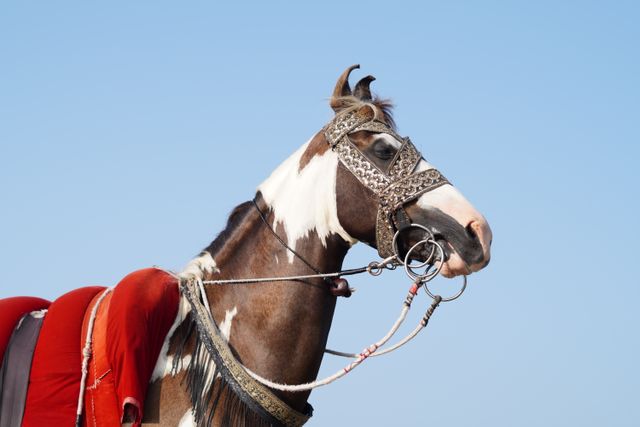
A conventional bridle includes a headpiece, browband, cheekpieces, noseband and reins, although configurations vary by riding discipline and design. Some also include a throatlatch or flash strap. The components form an adjustable system: changing the length or position of one strap can affect where another sits. This illustrated guide to bridle parts provides a useful reference for the standard arrangement.
| Part | Main role | Detail to inspect |
|---|---|---|
| Headpiece or crownpiece | Rests behind the ears and supports the bridle | Shape, flexibility and clearance around the ears |
| Browband | Runs across the forehead and helps position the headpiece | Length, attachment and whether it pulls the headpiece forward |
| Cheekpieces | Connect the headpiece to the bit | Equal length, adjustment range and secure attachments |
| Noseband | Encircles part of the nose and jaw according to its design | Position, adjustment and contact surface |
| Throatlatch | Helps retain the bridle when included | Comfortable length and accessible fastening |
| Reins | Connect the rider’s hands to the bit or relevant attachment | Length, grip and secure connections |
This table describes a common bitted arrangement. Horse bridles designed for other purposes may use different nosebands, additional straps or alternative rein connections. A product specification should identify the precise configuration instead of relying on the general word “bridle.”
A good inspection begins by following each strap from one attachment point to the next. Check whether the buckle can be reached when the bridle is fitted, whether keepers hold loose ends neatly and whether the left and right sides adjust evenly. Decorative choices should be assessed only after those basic functions work.
Leather and Synthetic Materials
Leather remains a familiar choice for horse bridles because it can be cut into narrow straps, stitched, shaped and finished in a range of styles. However, “leather bridle” is not a complete material specification. The buyer should approve the leather’s thickness, firmness, finish and color for each component. A flexible cheekpiece and a shaped, padded noseband may require different constructions even when their visible surfaces match.
Inspect a leather sample by bending the straps gently, looking at the cut edges and checking the areas around punched holes. The material should suit repeated adjustment without showing obvious cracking or weak spots in the approved sample. Edge paint and surface coatings also need examination where straps pass through buckles or keepers.
Synthetic horse bridles may suit collections that prioritize particular care requirements, price points or visual finishes. Their performance depends on the complete material system, including any textile reinforcement, coating and lining. A smooth surface alone does not show how a strap will behave after flexing, fastening and cleaning.
For either choice, request an actual assembled sample rather than approving from a swatch. BUSHI Sports® discusses material selection across several equestrian products in its horse gear materials and construction guide. The useful principle for horse bridles is to specify each material according to its job and contact point.
Padding, Lining and Contact Surfaces
Padding can change how horse bridles feel and sit, particularly beneath a headpiece or noseband. Its benefit depends on placement and shape. A thick pad that adds bulk in the wrong place can affect fit, while a thin pad with hard edges may provide little useful coverage.
A construction brief should identify the outer material, padding layer and lining separately. It should also show where the padding starts and stops. On the finished sample, check for abrupt edges, uneven filling and seams that sit against the horse. The lining should remain securely attached when the strap bends.
An anatomical shape deserves the same practical review. A curved headpiece or cut-back area may be designed to create space near an ear, but its outline alone cannot establish that it fits every horse. Assess the full bridle on horses within the intended size range and record the observations. This is especially relevant when developing multiple sizes from one pattern.
Stitching, Edges and Hardware
The durability of horse bridles depends heavily on small construction details. Stitching should follow the agreed line consistently, especially around folded ends and attachment points. Inspect thread ends, skipped stitches and the distance between stitching and the edge. A tidy surface finish should not conceal a weak or uneven join beneath it.
Cut edges need a finish appropriate to the approved material. On leather, look for consistent smoothing or edge treatment and check areas that bend frequently. On synthetic straps, inspect exposed layers and coating edges for lifting. The goal is a clean, comfortable finish that remains practical to handle and adjust.
Buckles, rings, studs and keepers should match the strap widths specified in the sample. Confirm that each buckle tongue enters its holes properly and that the strap moves through the fitting without excessive force or uncontrolled slack. Hardware finishes should be consistent throughout a style, including replacement components used in later production.
If a buyer requests material test evidence, the requested method should match the material and the property being assessed. For example, ISO 3376 describes a method for measuring the tensile strength and percentage extension of leather. A test result can support material approval, but it does not replace inspection of the assembled bridle and its connections.
Bit and Rein Connections
Horse bridles are usually developed alongside a specified bit and pair of reins, yet these are separate components. The cheekpiece attachment must suit the intended bit rings, and both sides should allow comparable adjustment. Check the relevant fastenings on the assembled sample rather than assuming that any bit will connect neatly.
Reins also need their own specification: material, width, length, grip, end fittings and stitching. Examine the areas held by the rider as well as the points that attach to the bit. A matching color does not guarantee a matching feel or secure connection. BUSHI Sports® addresses the separate design requirements of bits in its horse bits manufacturing page.
Where a collection offers different bridle and rein combinations, label the approved pairings clearly. This helps buyers understand what is supplied as a complete product and makes sample and bulk inspections more consistent.
Sizing and Fit
Size names such as pony, cob and full are useful starting points, but they are not precise measurements. Horse bridles should have a size chart that identifies the adjustable range of the headpiece, cheekpieces, browband and noseband. Record where those measurements begin and end so that another person can repeat them.
When reviewing a sample on a horse, observe the position of the headpiece behind the ears, the browband across the forehead and the cheekpieces along the face. Check whether the noseband lies where its design intends and whether buckles or seams create awkward contact points. A bridle should be evaluated while fitted and adjusted for its intended use, with qualified fitting advice where needed.
Noseband adjustment warrants particular care. In a study involving eight ridden dressage horses, researchers measured higher nasal and mandibular pressures as several noseband types were tightened. The study supports reviewing adjustment and pressure carefully; its results do not establish that one noseband design will suit every horse. Buyers can read the published noseband pressure study when developing fit guidance or reviewing product claims.
Fit feedback should be specific. Instead of recording “full size fits,” note the horse’s relevant measurements, the holes used on each strap and any areas needing revision. This gives the pattern maker useful information and prevents a single successful fitting from being treated as proof of a universal fit.
Sampling and Quality Checks
A reliable sampling process turns design preferences into measurable production instructions. Begin with the intended riding use, target customer, size range and reference design. Then approve the material and hardware combination, strap dimensions, padding construction, stitch details, color and branding placement.
The first complete sample should be examined flat and fitted. Measure both sides, check every fastening and look for differences in strap shape or hole placement. If revisions are needed, document them against the original sample. A photograph may help show a fit issue, but the written change should state the component and measurement involved.
Before bulk production, keep an approved reference sample and specification for each style and size. An inspection checklist can then cover material identity, measurements, hardware, stitching, edge finish, symmetry, cleanliness and packaging. These checks make horse bridles easier to reproduce across reorders and give both buyer and manufacturer a clear basis for discussing defects.
For collections that include several types of tack, the approval process should remain product specific. The horse tack manufacturing guide explains how to organize samples and inspection requirements across the wider range.
Developing Custom Horse Bridles
Custom horse bridles allow a brand to specify more than its logo. A buyer can define the bridle style, approved materials, size range, noseband configuration, browband design, padding, hardware finish, stitching color and packaging. The strongest brief explains why those choices suit the intended rider and horse.
For private label production, prepare a reference sample or technical drawing with component measurements. State which parts are interchangeable and which combinations must be sampled as a complete bridle. If a proposed change alters strap width, padding or hardware, review how it affects adjustment and fit before approving the updated design.
BUSHI Sports® outlines its bridle development options on the custom wholesale horse bridles manufacturer page. Brands building a coordinated range can also consult the private label equestrian gear manufacturing guide for broader planning around samples, branding and production.
Frequently Asked Questions
What parts should a horse bridle specification include?
List every supplied component, including the headpiece, browband, cheekpieces, noseband, any throatlatch or flash strap, and the reins if included. Add dimensions, adjustment ranges, materials, construction details and hardware for each part. This makes quotations and sample approvals much clearer.
Are leather horse bridles always better than synthetic ones?
Neither material is automatically the right choice for every collection. The intended use, construction, care expectations, target price and approved sample determine suitability. Compare completed bridles for flexibility, finish, adjustment and consistency rather than choosing from a material label alone.
Why does a bridle need fitting if its size is correct?
A size label describes a product range, while individual horses vary in head shape and proportions. The length of a browband, the position of a headpiece and the adjustment of a noseband all affect the finished fit. The size chart and the fitting review serve different purposes.
What should a wholesale buyer check before approving a bridle sample?
Check the assembled bridle’s measurements, left-to-right consistency, strap routing, stitching, finished edges, hardware operation and fit on the intended horse types. Keep a record of any changes and approve a final reference sample before bulk production.
Final Considerations
Well-made horse bridles result from coordinated decisions about parts, materials, construction and fit. For a brand, the most useful quality standard is a clear specification that can be checked on the finished product and repeated in later orders. Reviewing the complete sample on a horse is an essential part of that process.
To discuss a bridle sample or custom order, contact BUSHI Sports® through the contact page, send the product details by WhatsApp, or email info@bushisports.com. You can view the company location on Google Maps and connect with BUSHI Sports® on LinkedIn, Instagram, Facebook, X, Threads and Pinterest.