Why Cheap Sportswear Costs More in the Long Run
When it comes to sportswear, the appeal of low prices can be tempting. However, choosing cheap alternatives often leads to hidden costs that surpass initial savings. The phrase “cheap sportswear costs more” is not just a cliché—it reflects the reality of performance, durability, and long-term value. Brands, athletes, and consumers alike must understand that opting for inexpensive materials or mass-produced garments can compromise quality, longevity, and even safety during athletic activities.
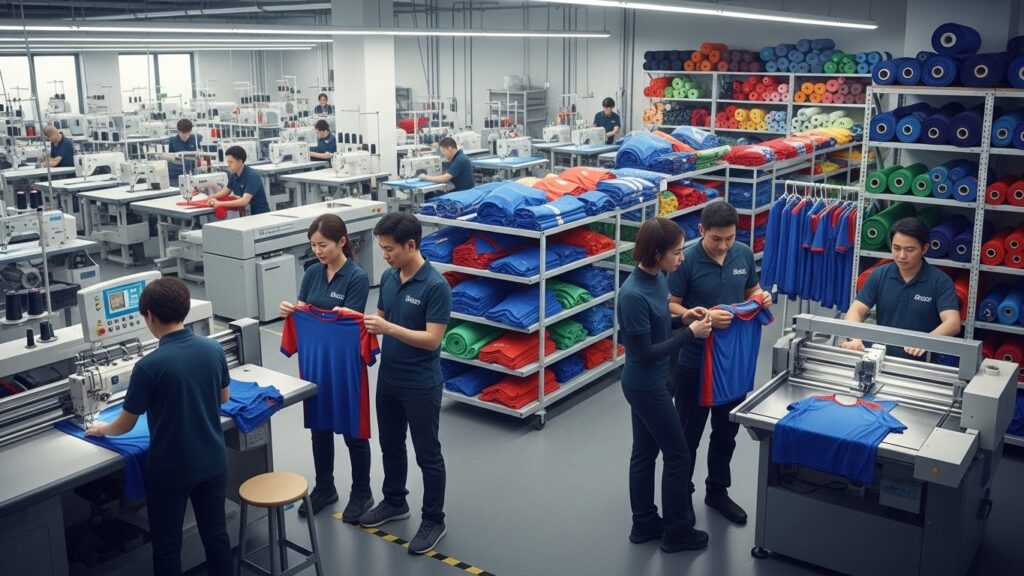
High-quality sportswear requires specialized fabrics, advanced manufacturing techniques, and strict quality control. Manufacturers such as Bushi Sports emphasize the importance of premium materials and precise production to ensure garments maintain performance standards over time. In contrast, cheap alternatives often skip these steps, leading to wear and tear, frequent replacements, and increased costs in the long run.
How Material Quality Shows That Cheap Sportswear Costs More
The foundation of any sportswear is its fabric. Low-cost fabrics may appear appealing due to the initial price tag, but they usually lack key performance characteristics. Poor-quality materials tend to fade, shrink, or lose shape after a few washes. This compromises fit, comfort, and appearance, ultimately reducing the garment’s lifespan.
Additionally, cheap fabrics often fail to provide essential athletic performance benefits. Moisture-wicking, breathability, stretch recovery, and odor control are critical for athletes and fitness enthusiasts. Without these properties, cheap sportswear can cause discomfort, skin irritation, or even limit performance during training or competition. In the long run, replacing substandard sportswear repeatedly leads to higher cumulative spending, demonstrating why cheap sportswear costs more over time.
External resources like Textile World explain that investing in high-performance fabrics is essential for durability, safety, and long-term cost-effectiveness. This is why leading sportswear brands prioritize sourcing quality textiles from trusted manufacturers.
Manufacturing Standards and Their Role
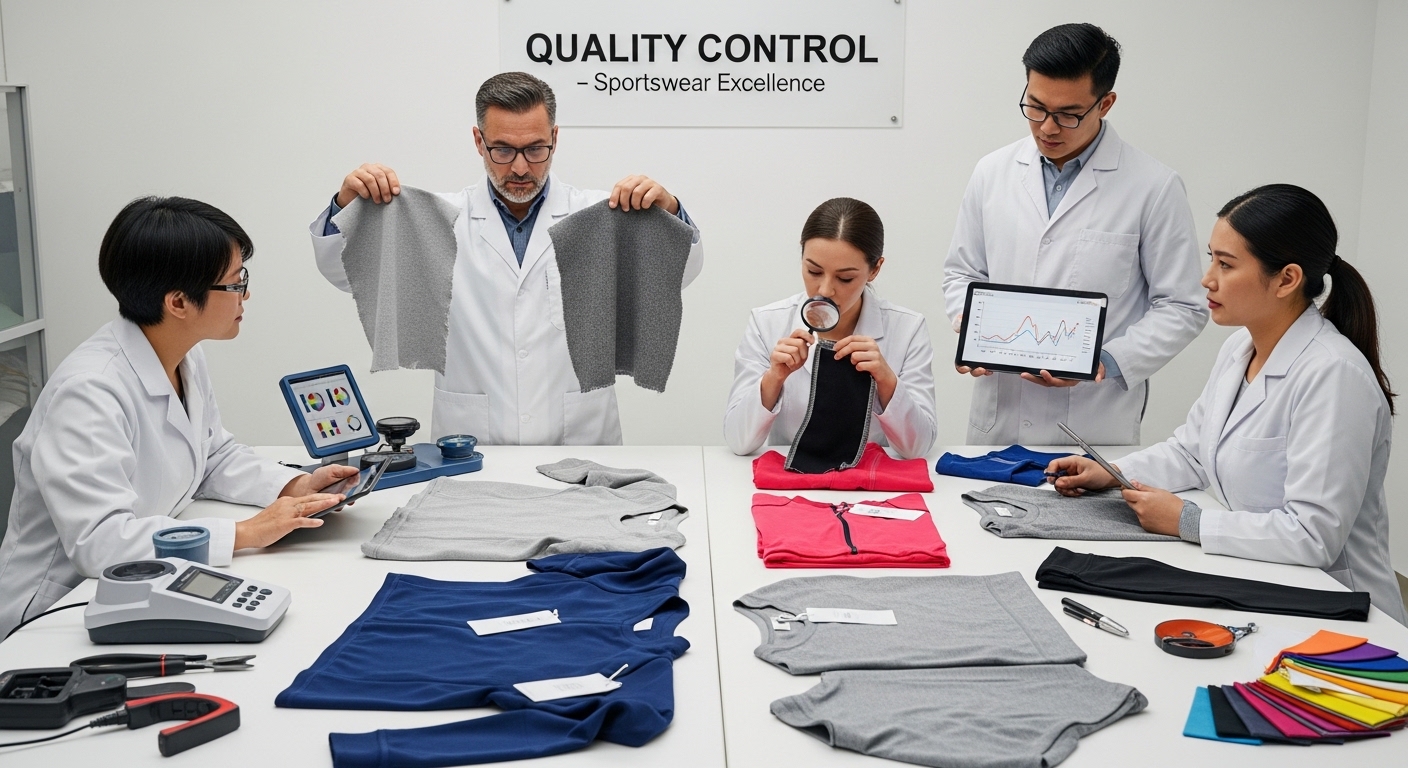
Cheap sportswear often comes from manufacturers that cut corners to minimize costs. This can manifest in inconsistent stitching, weak seams, poor colorfastness, and inadequate quality control. Garments may look acceptable at first but can unravel or tear after a few uses.
Reliable manufacturers, such as Bushi Sports, implement rigorous testing and quality standards to ensure garments perform consistently over time. This includes durability testing, seam strength evaluation, and colorfastness assessments. Investing in well-made products reduces the likelihood of early damage and replacement costs, making higher-quality sportswear a smarter long-term investment.
The Impact of Cheap Sportswear on Performance
For athletes, fitness enthusiasts, or even casual sports participants, performance is directly tied to apparel quality. Low-cost garments can restrict movement, retain moisture, or fail to support the body during high-intensity activity. Over time, the limitations of cheap sportswear can negatively affect training efficiency, comfort, and even safety.
Performance-oriented features such as compression zones, ventilation panels, and moisture-wicking fabrics are often absent in low-cost options. This not only reduces the effectiveness of the garment but may also contribute to discomfort or injury. For brands and consumers seeking value, it becomes clear that cheap sportswear costs more when considering the overall impact on performance and satisfaction.
Frequent Replacements Increase Costs
One of the most direct ways cheap sportswear ends up costing more is the need for frequent replacements. While a low-cost t-shirt or pair of shorts may save a few dollars initially, these garments often wear out faster than higher-quality alternatives. Frequent replacements lead to cumulative spending that exceeds the cost of investing in a single premium item.
Additionally, repeated purchases are inconvenient and contribute to environmental waste. Durable sportswear designed to last multiple seasons not only saves money but also supports sustainability initiatives, reducing textile waste and minimizing environmental impact. Brands like Bushi Sports focus on producing long-lasting apparel that balances performance and environmental responsibility.
Fit and Comfort: Hidden Costs of Cheap Sportswear
Cheap sportswear may lack precise sizing or consistent fit standards. Garments that stretch out of shape, shrink, or fit inconsistently across different sizes can frustrate consumers and reduce satisfaction. Poor fit can lead to discomfort during workouts, requiring multiple replacements to find the right size or style.
Reliable sizing and high-quality materials ensure consistent performance and comfort. Consumers who invest in well-made sportswear save money over time because the garments remain functional, comfortable, and aesthetically pleasing across multiple uses. In this way, consistent quality reinforces why cheap sportswear costs more when factoring in user experience and replacement frequency.
Brand Reputation and Quality Assurance
Not all inexpensive sportswear brands prioritize long-term quality. Some mass-market brands focus on low price points to attract casual buyers, sacrificing materials, production standards, and durability. While these items may seem budget-friendly, they often fail to meet expectations, creating dissatisfaction and negative brand associations.
Conversely, premium manufacturers like Bushi Sports uphold stringent quality standards. This approach ensures garments perform reliably, even under demanding conditions. Investing in trusted brands reduces the risk of frequent failures, product complaints, or returns, further emphasizing why cheap sportswear costs more over time.
Sustainability Implications
Cheap sportswear is often produced with cost-cutting methods that disregard environmental impact. Fast fashion production leads to excessive waste, high water usage, and lower-quality textiles that quickly end up in landfills.
In contrast, investing in durable, high-quality sportswear reduces the frequency of replacement and the overall environmental footprint. Sustainable manufacturing practices, like using recycled fabrics or eco-friendly dyes, add to initial costs but result in long-term savings and environmental benefits. This reinforces the concept that cheap sportswear costs more, both financially and environmentally.
The Psychological Cost of Cheap Sportswear
Beyond monetary expenses, there is a psychological cost associated with cheap sportswear. Constantly replacing worn-out or poorly fitting garments creates frustration and dissatisfaction. Consumers may feel they are wasting money, which can reduce loyalty to the brand and overall satisfaction with their purchase experience.
Premium sportswear offers consistency, comfort, and reliability, fostering confidence and long-term brand loyalty. Over time, this emotional value translates into tangible savings, demonstrating that spending slightly more upfront avoids recurring dissatisfaction and financial loss.
Technology and Manufacturing Advances
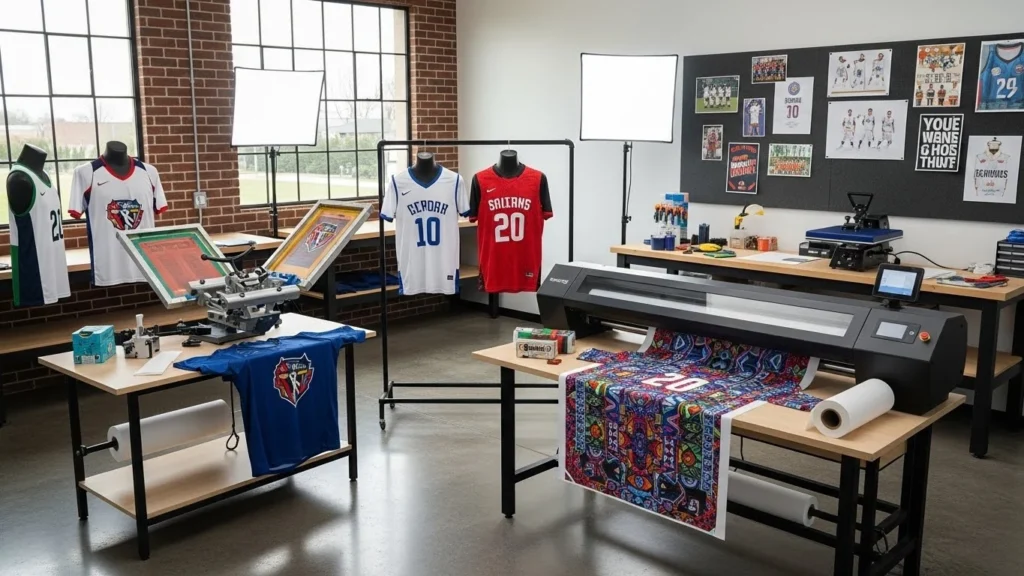
Modern sportswear brands invest in advanced technologies and innovative materials to enhance product performance and durability. Techniques such as moisture-wicking fabrics, compression zones, reinforced seams, and laser-cut ventilation panels often come at a higher upfront cost but dramatically extend garment life.
Manufacturers like Bushi Sports combine fabric innovation with precise production techniques, ensuring garments maintain shape, performance, and durability over time. These investments reduce replacement frequency, saving consumers money and time in the long run.
Cost-Benefit Analysis: Cheap vs Premium Sportswear
When evaluating sportswear purchases, brands and consumers should consider total lifetime cost, not just the initial price. While cheap options may appear affordable, total cost includes:
-
Frequent replacements
-
Reduced performance and comfort
-
Increased environmental impact
-
Loss of customer satisfaction and loyalty for retail brands
Premium sportswear, though more expensive upfront, provides:
-
Durability and longevity
-
Reliable sizing and fit
-
Performance-enhancing features
-
Sustainable production practices
Considering these factors clearly illustrates why cheap sportswear costs more when evaluating true value over time.
Sports Brands and MOQ Considerations
For sportswear brands, minimum order quantities (MOQ) also influence costs. Cheaper products often come from manufacturers with low MOQs but compromise quality. Conversely, investing in higher-quality production with reliable manufacturers like Bushi Sports may require larger MOQs but ensures consistent quality and performance.
By planning production runs strategically, brands can balance inventory, cost, and quality, ultimately avoiding the hidden expenses associated with low-quality, low-MOQ products.
The Consumer Perspective
Consumers may initially choose cheap sportswear to save money, but repeated dissatisfaction leads to additional costs. Sports enthusiasts often find themselves replacing shirts, shorts, shoes, or jackets multiple times within a single season.
Investing in premium, durable sportswear ensures that garments retain shape, color, and performance features. This minimizes replacements, reduces frustration, and reinforces the value of paying more upfront to save money in the long run. Reliable manufacturers, like Bushi Sports, make these benefits achievable by delivering consistent quality and long-lasting products.
Online Shopping Challenges
Online sportswear shopping exacerbates the issues of cheap products. Without the ability to try items on, fit and quality discrepancies become more apparent. Consumers often purchase multiple sizes or colors to find a suitable fit, increasing both cost and returns.
Premium brands and experienced manufacturers mitigate these challenges by providing accurate sizing charts, virtual fit tools, and high-quality materials that behave predictably. By doing so, they reduce return rates and reinforce why cheap sportswear costs more when purchased online.
Long-Term Brand Loyalty
For retail sportswear brands, selling cheap, low-quality products can harm long-term customer loyalty. Customers who experience wear, fading, or discomfort are unlikely to repurchase from the same brand. In contrast, offering high-quality, durable sportswear creates trust, repeat purchases, and positive brand reputation.
Manufacturers like Bushi Sports support brands in producing consistent, high-performance sportswear that strengthens customer retention and satisfaction, proving that investing in quality is more profitable than cutting costs on cheap alternatives.
Conclusion
The adage “cheap sportswear costs more” holds true across multiple dimensions: financial, performance, environmental, and emotional. While low-cost sportswear may seem appealing initially, the long-term costs of poor durability, compromised performance, frequent replacements, and customer dissatisfaction quickly outweigh any short-term savings.
Investing in high-quality sportswear from experienced manufacturers like Bushi Sports ensures garments perform reliably, last longer, and foster consumer trust. Both brands and individual consumers save money over time, while enjoying better comfort, performance, and sustainability.
Ultimately, understanding the true cost of cheap sportswear empowers informed decisions, encourages smarter investments, and strengthens long-term satisfaction—proving that quality always pays off in the end.