What MOQ Really Means in Sportswear Manufacturing
In the world of sportswear, understanding MOQ in sportswear manufacturing is crucial for both established brands and startups. MOQ, or Minimum Order Quantity, refers to the smallest number of units a manufacturer will produce in a single production run. It is a key concept that influences costs, inventory management, and supply chain efficiency.
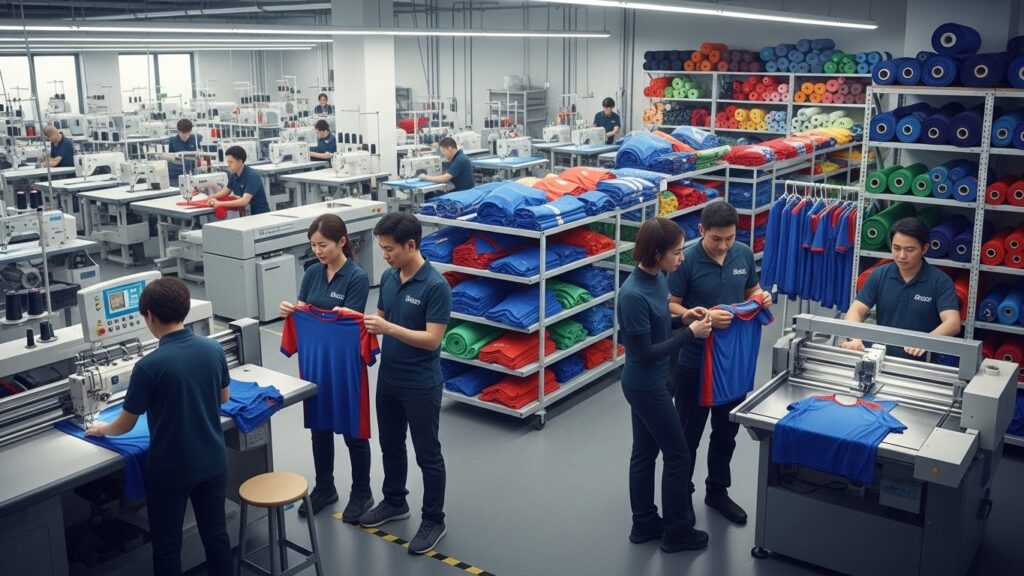
For brands, MOQ can feel like both a limitation and a guide. Producing below the MOQ often increases per-unit costs, while exceeding it can lead to surplus inventory. Therefore, understanding the dynamics of MOQ helps brands make informed decisions about production, pricing, and market strategy. Manufacturers like Bushi Sports often assist brands in determining realistic MOQs based on fabric, design complexity, and production capacity.
Why MOQ in Sportswear Manufacturing Is Crucial for Brands
MOQ affects multiple aspects of sportswear production:
-
Cost Efficiency: Manufacturers set MOQs to ensure production runs are profitable. Producing small batches may not cover setup, labor, and material costs.
-
Inventory Management: Brands must balance MOQ requirements with storage capabilities to avoid excess stock.
-
Design Planning: MOQ affects decisions on colorways, patterns, and fabric choices, especially for limited-edition or seasonal collections.
-
Supplier Relationships: Clear understanding of MOQ ensures smoother communication with manufacturers, avoiding production delays.
External resources like Textile World highlight that understanding MOQs is essential for scaling efficiently and reducing waste in textile manufacturing.
How Manufacturers Determine MOQ
Manufacturers consider several factors when setting MOQ levels for sportswear:
-
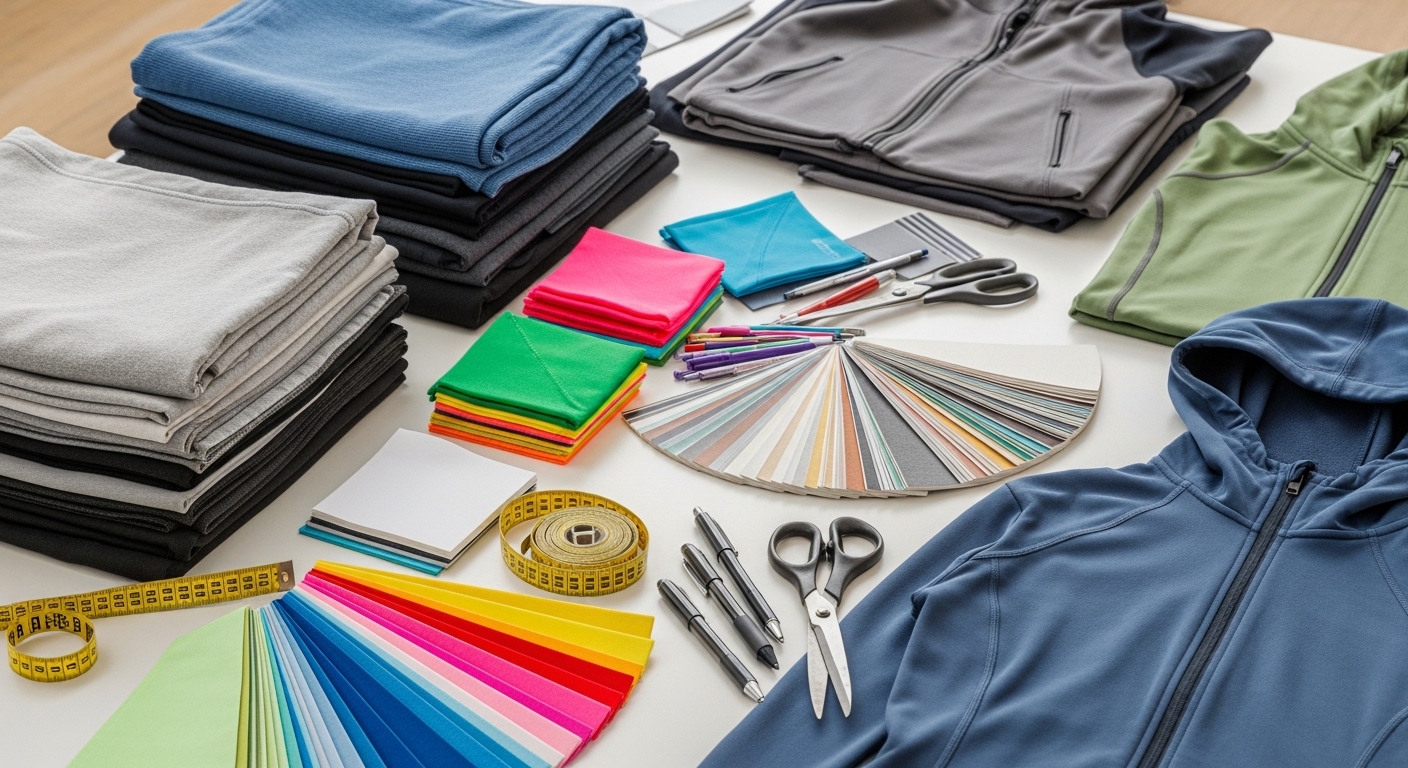
Fabric Type: Specialty fabrics, performance blends, or custom prints often require higher MOQs due to minimum material roll lengths.
-
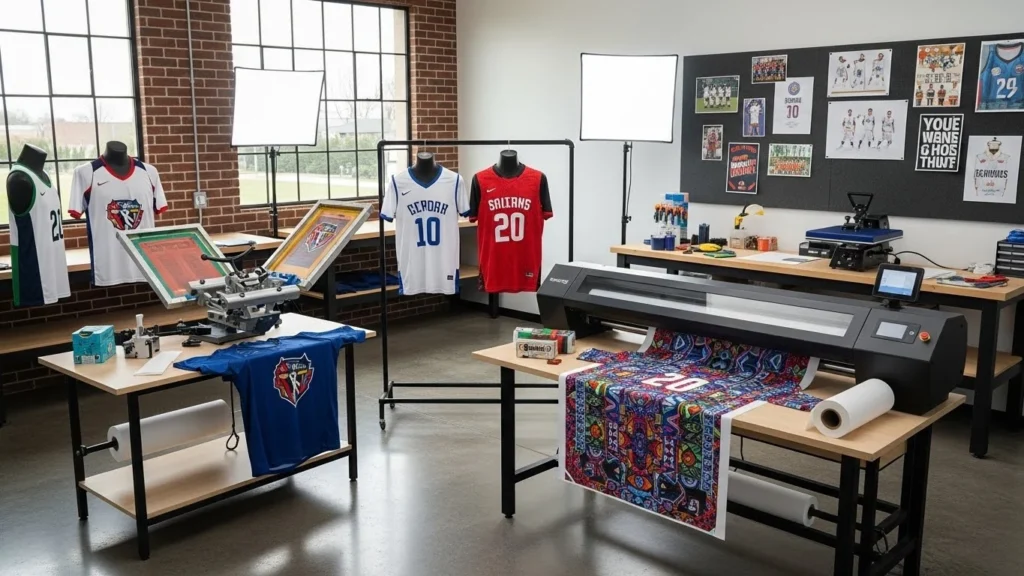
Design Complexity: Embroidery, sublimation, or laser-cut designs may increase MOQ because of setup and production time.
-
Production Capacity: Larger manufacturers can offer lower MOQs due to automated machinery, while smaller facilities may have higher minimums.
-
Order Frequency: Repeat customers or long-term partners may negotiate lower MOQs due to predictable production planning.
For example, a professional team kit with custom sublimated designs may require an MOQ of 100 units per color, whereas basic performance tees may have an MOQ of 50 units. Manufacturers like Bushi Sports often consult brands to balance MOQ with design requirements and budget constraints.
Balancing MOQ with Brand Goals
MOQ decisions directly impact brand operations. Retail sportswear brands, small startups, or custom apparel businesses must align MOQ with:
-
Budget: Smaller brands often have limited capital and cannot afford excessive inventory.
-
Market Testing: Lower MOQs allow testing new designs or products without overcommitting resources.
-
Supply Chain Flexibility: Brands targeting multiple channels—online, retail, or events—need MOQs that accommodate varying demand.
Strategies to Manage MOQ:
-
Negotiate with Manufacturers: Some suppliers reduce MOQ for long-term partners or pre-payment agreements.
-
Modular Designs: Create base templates that can be customized with minimal additional production, lowering MOQ constraints.
-
Collaborative Orders: Multiple brands can combine orders to meet MOQ while sharing costs.
These strategies help brands maintain flexibility while respecting manufacturer requirements, optimizing both cost and inventory management.
Common Misconceptions About MOQ
Many new sportswear brands misunderstand MOQ, leading to operational challenges:
-
“MOQ is optional.” Manufacturers set MOQ for a reason: profitability and efficiency. Skipping MOQ usually results in higher per-unit costs.
-
“MOQ is the same for every product.” MOQs vary based on fabric, size ranges, and production complexity.
-
“MOQ determines quality.” High MOQ does not automatically mean higher quality; quality depends on manufacturer expertise, not order quantity.
By understanding these nuances, brands can make smarter sourcing decisions and avoid unnecessary financial or logistical strain.
The Impact of MOQ on Cost and Pricing
MOQ directly affects production costs and retail pricing. Key considerations include:
-
Per-Unit Cost: Producing fewer than MOQ increases setup cost per unit, reducing profitability.
-
Bulk Discount: Higher MOQs often lower per-unit costs due to economies of scale.
-
Pricing Strategy: Brands must price products considering MOQ-related production costs to maintain margins.
Working with experienced manufacturers like Bushi Sports ensures that brands understand the cost implications of MOQ and can optimize their pricing strategy accordingly.
MOQ and Inventory Management
Maintaining proper inventory is critical. Too much stock can tie up capital, while too little can lead to stock-outs. Brands must balance MOQ with:
-
Forecasting Accuracy: Predict sales to avoid overproduction.
-
Storage Capacity: Ensure warehouse space can handle the minimum order quantity.
-
Seasonal Planning: Align MOQs with seasonal demand to prevent leftover stock.
Proper planning reduces waste, improves cash flow, and keeps the brand responsive to market trends.
MOQ in Custom Sportswear
For custom sportswear, MOQ plays a unique role. Customization often involves higher setup costs, making MOQs particularly relevant:
-
Team Uniforms: Each team color and design may require separate MOQ, impacting production planning.
-
Promotional Apparel: Limited-edition items can be difficult to produce in small quantities without negotiating MOQ with manufacturers.
-
Corporate Orders: Bulk orders may be easier to meet MOQ but require careful alignment with brand timelines.
Manufacturers like Bushi Sports provide flexible solutions for custom sportswear, helping brands navigate MOQ while maintaining high quality and timely delivery.
Negotiating MOQs with Manufacturers
Effective negotiation is key to managing MOQ challenges. Brands can negotiate by:
-
Committing to long-term partnerships
-
Prepaying a portion of production costs
-
Offering repeat business or larger seasonal orders
-
Adjusting design complexity or fabric choices to reduce setup costs
Negotiation ensures both the manufacturer and brand achieve profitability while maintaining flexibility.
Tips for Negotiation:
-
Be transparent about budget and production goals
-
Discuss potential for phased production runs
-
Explore shared production with other small brands
Global vs Local Manufacturing and MOQ
Manufacturing location can affect MOQ:
-
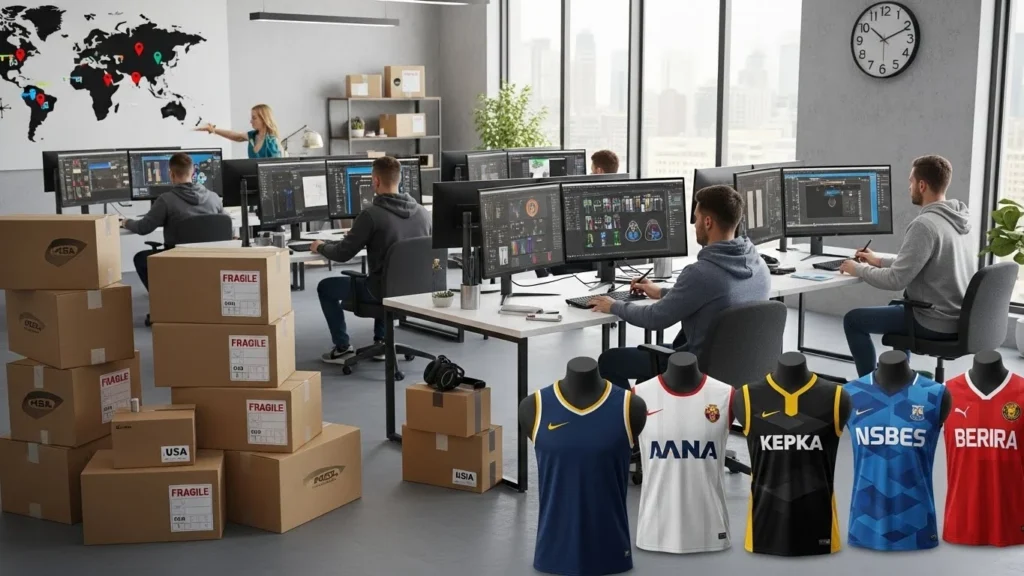
Global Manufacturers: Often lower MOQ due to scale, but shipping and lead times are longer.
-
Local Manufacturers: May have higher MOQ due to smaller facilities, but faster turnaround and easier quality control.
-
Hybrid Approach: Brands sometimes source high-performance fabrics globally and assemble products locally to balance MOQ, cost, and efficiency.
This strategy ensures brands meet deadlines without overcommitting to excess stock.
Future Trends in MOQ for Sportswear Manufacturing
Modern technologies are helping brands manage MOQs more effectively:
-
Digital Sampling: Reduces the need for full production runs before approval.
-
Virtual Production Planning: Predicts optimal order quantities based on sales data and trends.
-
Smart Supply Chains: Real-time tracking ensures production aligns with MOQ and demand.
Brands that embrace these technologies can optimize production, reduce waste, and strengthen supplier relationships.
Final Thoughts
Understanding MOQ in sportswear manufacturing is essential for brands of all sizes. It impacts cost, inventory, design flexibility, and customer satisfaction. By working with experienced manufacturers like Bushi Sports, retail and sports brands can navigate MOQ challenges while maintaining high-quality production, efficient supply chains, and consistent customer experiences.
Proper planning, negotiation, and collaboration allow brands to leverage MOQ as a strategic advantage rather than a limitation, ensuring profitability, timely deliveries, and long-term growth.