Introduction to the Bulk Sportswear Order Process
Placing a bulk sportswear order is an exciting milestone for any brand, club, academy, or retailer, but what happens after you confirm your order is often less visible. The bulk sportswear order process involves multiple coordinated stages that transform your design concept into finished garments ready for delivery. Understanding these stages helps buyers plan timelines, manage expectations, and avoid production delays.
When working with experienced custom sportswear manufacturers such as Bushi Sports, the post-order workflow becomes structured, transparent, and predictable. From order confirmation to final dispatch, each step is designed to ensure consistency, quality, and on-time delivery for bulk production.
What Happens After a Bulk Sportswear Order Is Confirmed
Once you place a bulk sportswear order, the first step is order confirmation. At this stage, the manufacturer reviews all submitted specifications, including designs, sizing charts, fabric choices, print methods, quantities, and delivery timelines. Any ambiguities are clarified before production begins to avoid costly changes later.
During technical review, production teams verify:
-
Artwork resolution and print-ready formats
-
Color references and placement guidelines
-
Fabric availability and performance requirements
-
Size grading and measurement tolerances
-
Packaging and labeling instructions
Brands that source custom kits and uniforms benefit from working with manufacturers who follow structured review protocols and global production standards outlined by organizations such as ISO. This early alignment reduces the risk of miscommunication during later stages.
Sampling and Pre-Production Approval
Before full-scale manufacturing begins, most professional suppliers create pre-production samples. Sampling allows brands to review how the design translates into a physical garment. This step is critical for validating fit, fabric behavior, print quality, and overall construction.
Sampling typically includes:
-
One or more prototype garments
-
Fit testing across selected sizes
-
Color and print accuracy checks
-
Stitch quality and seam reinforcement review
For teams and brands ordering custom jerseys, reviewing pre-production samples ensures that final production meets expectations. Manufacturers offering structured sampling workflows, such as Bushi Sports, help minimize costly changes once bulk production is underway.

Material Sourcing and Production Planning
After sample approval, the manufacturer begins sourcing materials. This stage includes procuring fabrics, trims, labels, and accessories required for the order. Production planners then schedule manufacturing timelines based on order volume, factory capacity, and delivery deadlines.
Key activities during this phase include:
-
Confirming fabric availability and lead times
-
Aligning production slots with factory capacity
-
Finalizing print method scheduling
-
Coordinating with quality control teams
Manufacturers that follow industry insights shared across textile manufacturing platforms such as Textile World are better positioned to manage supply chain coordination efficiently. Proper planning at this stage directly influences production speed and consistency.
Cutting, Printing, and Assembly
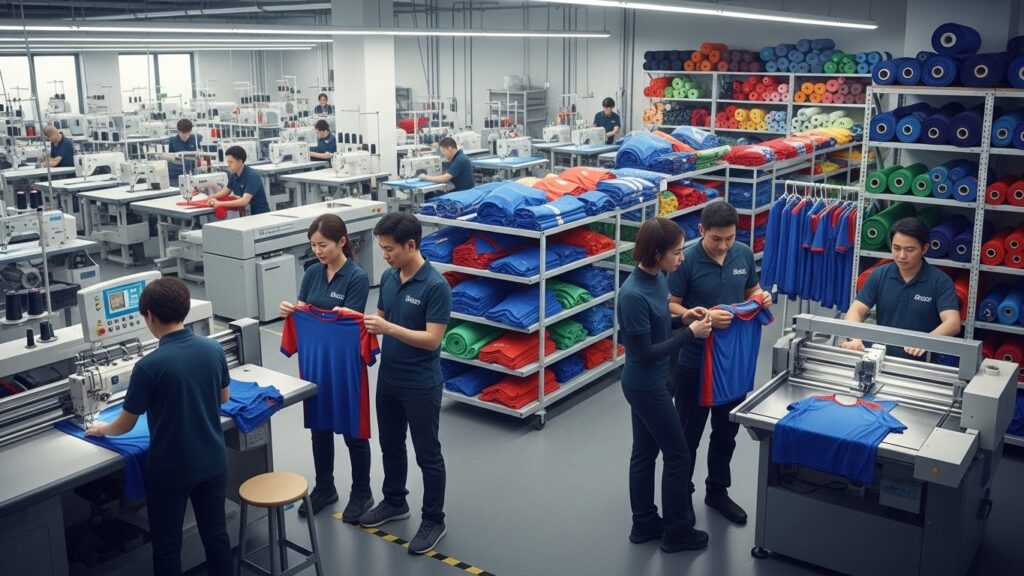
Once materials are ready, the bulk sportswear order process moves into active production. This stage involves cutting fabric panels, applying prints, and assembling garments through stitching and finishing. Each step requires precision to ensure consistency across hundreds or thousands of units.
Cutting and Panel Preparation
Fabric cutting determines sizing accuracy and garment symmetry. Precision cutting helps prevent inconsistencies that could lead to fit issues across different size ranges.
Printing and Branding
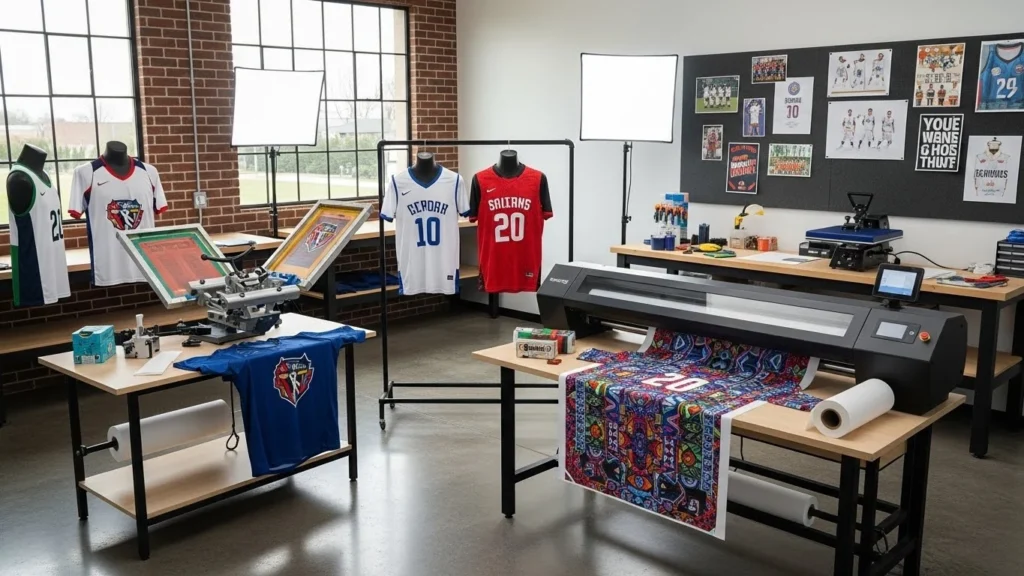
Printing methods such as sublimation, screen printing, or heat transfer are applied based on the design requirements. Maintaining color consistency and print alignment is essential for brand identity. Brands sourcing sublimated sportswear often rely on controlled production environments such as those offered by Bushi Sports to maintain visual accuracy across batches.
Garment Assembly
Stitching and panel assembly bring the garment together. Seam strength, thread quality, and finishing techniques directly affect durability and performance.
In-Process Quality Checks
Quality control is not limited to final inspection. During production, manufacturers conduct in-process checks to identify defects early and prevent large-scale rework. These checks include:
-
Verifying measurements during assembly
-
Monitoring print placement and color consistency
-
Inspecting seam strength and stitch density
-
Reviewing fabric behavior during handling
Manufacturers that follow structured quality frameworks discussed in global manufacturing research by organizations such as the World Bank improve production reliability and reduce waste.
Final Inspection and Packaging
After garments are assembled, final inspection ensures each piece meets approved specifications. Final checks focus on visual appearance, sizing accuracy, print quality, and finishing. Defective items are corrected or removed before packaging.
Packaging also plays a role in customer experience and logistics efficiency. Proper folding, labeling, and carton packing protect garments during transit and simplify distribution upon arrival.
Key final inspection checks include:
-
Visual defect screening
-
Measurement verification
-
Print durability assessment
-
Packaging accuracy
Brands partnering with professional sportswear manufacturers benefit from structured final inspection protocols that ensure consistency across large shipments.
Logistics, Shipping, and Delivery
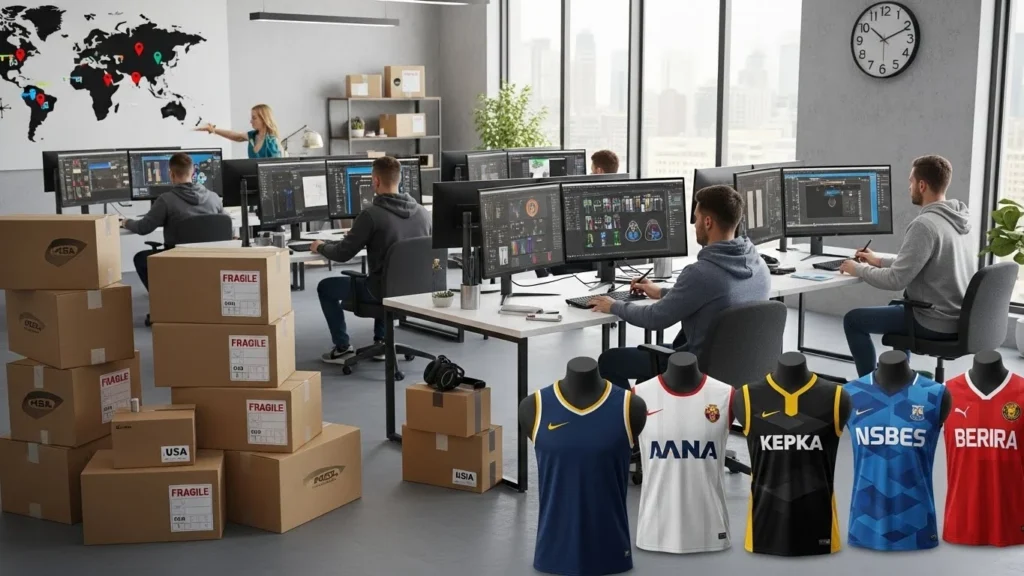
Once packaged, bulk sportswear orders move into the logistics phase. Manufacturers coordinate shipping based on the buyer’s preferred method, destination, and timeline. Logistics planning includes customs documentation, export compliance, and carrier coordination.
Key considerations during shipping include:
-
Selecting appropriate transport methods
-
Managing customs clearance documentation
-
Tracking shipments and delivery timelines
-
Ensuring packaging integrity during transit
Manufacturers experienced in export-ready production workflows, such as Bushi Sports, help buyers navigate international logistics smoothly.
Post-Delivery Support and Reorders
The bulk sportswear order process does not end at delivery. Reliable manufacturers offer post-delivery support to address any issues and support future reorders. Maintaining consistent sizing, colors, and fabrics across repeat orders is critical for long-term brand consistency.
Post-delivery processes may include:
-
Handling feedback and minor corrections
-
Documenting production specifications for future use
-
Supporting reorders with consistent quality standards
-
Advising on timeline planning for upcoming seasons
Long-term manufacturing partnerships enable brands to scale confidently without re-evaluating suppliers for every order.
Common Challenges After Placing a Bulk Sportswear Order
Even with structured workflows, buyers may face challenges during the bulk sportswear order process. Common issues include:
-
Delays caused by late design changes
-
Miscommunication regarding sizing specifications
-
Fabric availability constraints
-
Extended shipping timelines due to customs clearance
Proactive communication and early confirmation of specifications help mitigate these risks. Brands that maintain clear documentation and collaborate closely with their manufacturing partners experience smoother production cycles.
How to Prepare for a Smooth Bulk Sportswear Order Process
Brands can improve production outcomes by preparing thoroughly before placing an order. Best practices include:
-
Submitting print-ready artwork in correct formats
-
Finalizing size charts and grading rules
-
Confirming fabric performance requirements
-
Aligning delivery timelines with production lead times
-
Establishing clear communication channels with suppliers
Working with experienced custom sportswear manufacturers such as Bushi Sports helps brands navigate these requirements efficiently.
Why Understanding the Bulk Sportswear Order Process Matters
Understanding what happens after you place a bulk sportswear order empowers brands to manage timelines, control costs, and maintain quality standards. Transparency in production workflows reduces uncertainty and builds trust between buyers and manufacturers.
Brands that invest time in understanding the bulk sportswear order process gain:
-
Better timeline planning
-
Improved communication with suppliers
-
Reduced production risks
-
More consistent product outcomes
Final Thoughts on Managing Bulk Sportswear Orders
The bulk sportswear order process involves far more than placing an order and waiting for delivery. From order confirmation and sampling to production, quality control, packaging, and logistics, each stage plays a vital role in ensuring successful outcomes. Brands that partner with professional sportswear manufacturers and understand post-order workflows are better positioned to meet deadlines, maintain quality, and scale production with confidence.
By working with reliable custom sportswear manufacturers and maintaining clear communication throughout the production cycle, businesses can turn bulk orders into long-term growth opportunities.