Sportswear Fit Types: Slim, Athletic & Relaxed Cuts
Introduction
Choosing the right fit is crucial in sportswear design. Fit not only impacts comfort but also affects performance, mobility, and overall satisfaction. Understanding sportswear fit types—slim, athletic, and relaxed cuts—helps brands create products tailored to different body shapes and activity levels.
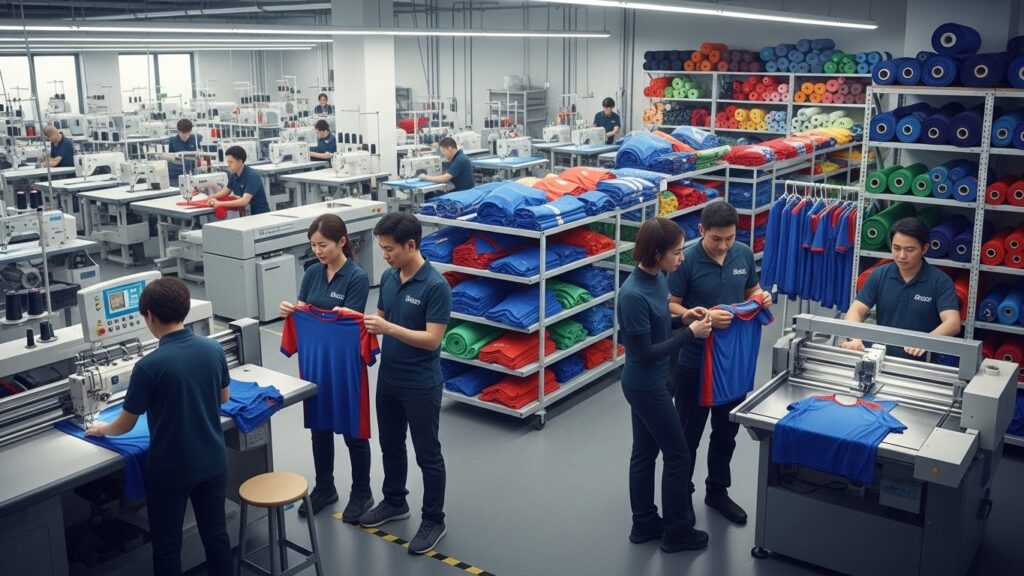
For sportswear brands and apparel designers, knowledge of fit types is essential for product development, marketing, and customer retention. Manufacturers such as Bushi Sports® specialize in producing custom sportswear in precise fits, ensuring both performance and style for athletes, fitness enthusiasts, and casual wearers.
This guide will explore each fit type, its benefits, ideal applications, and tips for brands to create apparel that resonates with consumers.
Understanding Sportswear Fit Types
Sportswear fit types describe how clothing is cut and tailored to suit different body types and activity levels. The main categories include:
-
Slim Fit: Close to the body, streamlined silhouette
-
Athletic Fit: Tailored for muscular or active builds
-
Relaxed Fit: Loose and comfortable for casual or low-intensity activities
Each fit is designed with a specific user in mind, making it important for brands to understand the differences when developing collections.
What Defines Different Sportswear Fit Types?
Slim fit sportswear is designed to hug the body while allowing movement. It emphasizes a sleek silhouette and is ideal for those who prefer a modern, form-fitting style.
Benefits of Slim Fit
-
Streamlined appearance enhances athletic aesthetics
-
Reduces fabric movement, minimizing friction during workouts
-
Ideal for layering under jackets or hoodies
Ideal Applications
-
Running and cycling
-
Gym and functional training apparel
-
Compression tops and performance layers
Slim fit is particularly popular among urban athletes and style-conscious consumers, combining performance with fashion. According to Textile World, slim-fit garments are one of the fastest-growing categories in activewear due to their versatility and visual appeal.
Athletic Fit in Sportswear Fit Types
Athletic fit is tailored for more muscular or active body types. This fit provides extra room in the shoulders and chest while tapering toward the waist, offering both comfort and style.
Advantages of Athletic Fit Sportswear
-
Accommodates larger upper-body dimensions without excess fabric
-
Offers full range of motion for dynamic movements
-
Retains a polished, performance-ready look
Popular Applications
-
Team jerseys and sports uniforms
-
Strength training apparel
-
Performance hoodies and tops
Athletic fit sportswear appeals to serious athletes who need mobility and durability. For brands, designing athletic fit products requires precise sizing and fabric selection to ensure comfort and functionality.
Relaxed Fit Sportswear
Relaxed fit sportswear provides looser, more comfortable cuts for casual wear or light activity. It prioritizes ease of movement and comfort over tight tailoring.
Benefits of Relaxed Fit
-
Maximum comfort and breathability
-
Accommodates diverse body types
-
Easy to layer over other apparel
Ideal Applications
-
Leisurewear and lifestyle collections
-
Yoga or low-intensity exercise apparel
-
Warm-ups and travel clothing
Relaxed fit is a staple for brands seeking to expand into lifestyle and casual activewear markets, offering customers comfort without compromising style.
How Brands Can Leverage Fit Types
Understanding Your Audience
Brands must consider activity level, body type, and consumer preferences when selecting fit types for their products. For instance:
-
Slim fit works for style-focused athletes
-
Athletic fit targets performance-driven or muscular users
-
Relaxed fit caters to lifestyle and casual wear
Product Development Tips
-
Use accurate measurements and sizing guides
-
Conduct fit tests with different body types
-
Select fabrics that complement each fit (e.g., stretchable for slim/athletic, breathable for relaxed)
Example: Bushi Sports®
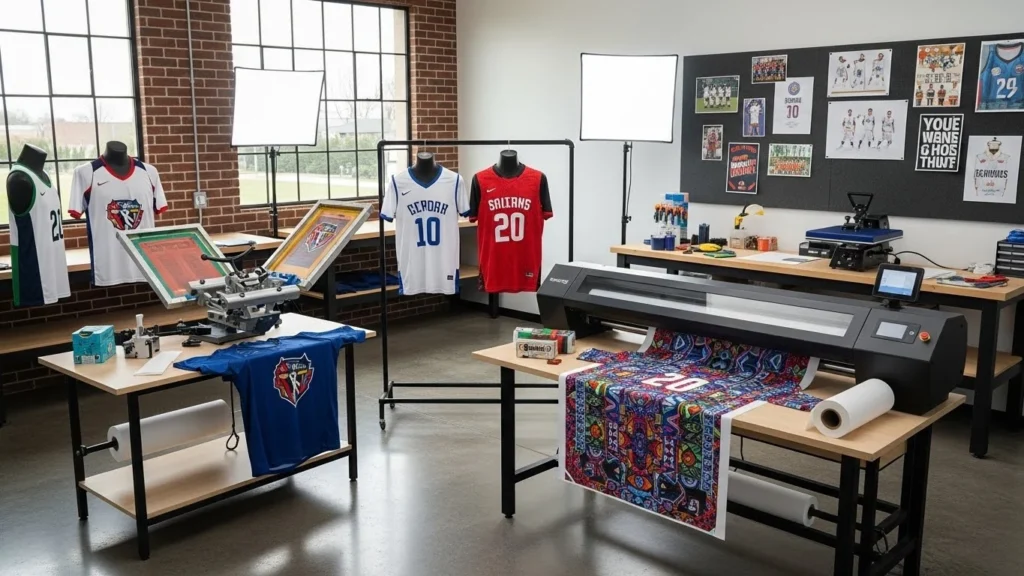
Brands looking for professional guidance often partner with Bushi Sports®. Bushi Sports® specializes in custom sportswear manufacturing, including slim, athletic, and relaxed cuts. Their expertise ensures that each product not only fits correctly but also maintains quality and durability, whether for team uniforms, private-label sportswear, or performance apparel.
Marketing Strategies for Different Fit Types
Highlight Fit in Product Descriptions
Clearly describe the fit type in product titles, descriptions, and size guides. This helps customers make informed decisions and reduces returns.
Use Visual Demonstrations
-
Show models wearing different fits
-
Include comparison images for slim, athletic, and relaxed cuts
Engage Communities
Promote each fit type through athlete endorsements, social media campaigns, and collaborations. According to McKinsey Apparel Industry Insights, visual demonstrations and influencer partnerships significantly increase engagement and conversions.
Choosing the Right Fabrics
The fabric choice directly impacts how well each fit type performs:
-
Slim Fit: Lightweight, stretchy fabrics for mobility
-
Athletic Fit: Durable, flexible materials that withstand intense activity
-
Relaxed Fit: Breathable and soft fabrics for comfort
Collaborating with manufacturers experienced in fit-specific apparel, such as Bushi Sports®, ensures fabrics and cuts are optimized for both performance and aesthetic appeal.
External Insight
The WRAP Compliance organization emphasizes that consistent sizing, durable fabrics, and ethical production practices are critical for long-term brand success in sportswear.
Future Trends in Sportswear Fit
-
Adaptive Fits: Technology-driven patterns that adjust to body shape and movement.
-
Hybrid Cuts: Combining slim and relaxed elements for multifunctional apparel.
-
Smart Fabrics: Stretchable, breathable, and moisture-wicking fabrics that complement all fit types.
Brands that integrate innovative fabrics and smart designs can offer premium, high-performance apparel that resonates across consumer segments.
Common Mistakes to Avoid
-
Using one-size-fits-all patterns for all body types
-
Ignoring fabric performance relative to fit
-
Failing to communicate fit clearly to customers
Addressing these mistakes helps reduce returns, improve customer satisfaction, and reinforce brand credibility.
Conclusion
Understanding sportswear fit types: slim, athletic, and relaxed cuts is essential for brands seeking to satisfy diverse customer needs and maximize product performance. Each fit type serves a specific purpose, from high-intensity workouts to casual lifestyle apparel.
Brands can increase customer loyalty and product appeal by leveraging fit-focused design, accurate sizing, and quality fabrics. Partnering with experienced manufacturers like Bushi Sports® ensures that fit, fabric, and functionality meet professional standards, helping brands deliver premium sportswear for every consumer segment.
By combining insightful design, quality manufacturing, and marketing that highlights fit, sportswear brands can stand out, drive sales, and build lasting connections with their audience.