Understanding lead times in sportswear production is a critical factor for brands that want to deliver high-quality apparel while meeting deadlines consistently. In the custom sportswear industry, production timelines influence everything from seasonal launches and inventory planning to customer satisfaction and long-term brand reputation. A well-managed lead time ensures that teams, clubs, and retailers receive their apparel exactly when they need it.
Sportswear manufacturing is not a single-step process. It involves design coordination, fabric sourcing, printing, stitching, quality control, and logistics. Each stage adds to the overall production timeline, and delays in one phase can affect the entire schedule. Brands that understand how these stages work together are better prepared to plan realistically and avoid costly disruptions. Managing sportswear production lead times effectively allows brands to plan launches, control costs, and meet delivery commitments with confidence.
What Lead Time Means in Sportswear Manufacturing
In sportswear manufacturing, lead time refers to the total duration from order confirmation to final delivery. This includes pre-production planning, material sourcing, sampling, bulk manufacturing, finishing, and shipping. Unlike generic apparel, sportswear often requires performance fabrics, precise sizing, and specialized printing techniques, which naturally influence timelines.
Lead times vary depending on several factors, including order size, customization level, and manufacturing capacity. A basic activewear order may move quickly, while fully customized team kits with logos, names, and numbers typically require additional time. Understanding this difference helps brands set realistic expectations and communicate clearly with stakeholders.
Why Lead Times Matter for Sportswear Brands
Production timelines directly affect how smoothly a sportswear brand operates. Missed deadlines can lead to canceled events, delayed product launches, or strained partnerships. For teams and academies, late delivery of uniforms can disrupt entire seasons.
Managing lead times effectively allows brands to:
-
Launch collections on schedule
-
Avoid emergency production costs
-
Reduce inventory holding risks
-
Build trust with customers and partners
Brands that prioritize production planning are more likely to scale successfully while maintaining consistent quality. Clear communication and structured workflows are essential for controlling sportswear production lead times without compromising quality.
Main Stages in the Sportswear Manufacturing Process
Every sportswear order passes through several core stages. Understanding these stages helps brands identify where delays are most likely to occur.
Design Planning and Technical Documentation
The production process begins with finalized designs and technical documentation. Tech packs include garment measurements, fabric specifications, color references, and printing details. Incomplete or unclear documentation often leads to revisions that slow production.
Brands that submit accurate and complete tech packs allow manufacturers to move directly into sampling. Clear designs reduce back-and-forth communication and prevent unnecessary delays.
Fabric Sourcing and Material Preparation
Fabric sourcing is one of the most time-sensitive stages in sportswear production. Performance materials such as moisture-wicking polyester, stretch blends, and breathable mesh are often sourced from specialized suppliers. Availability, dyeing schedules, and minimum order quantities all affect lead times.
Manufacturers with strong supplier networks can source materials efficiently while maintaining consistent quality. Many global producers align their processes with textile quality standards promoted by organizations such as the International Organization for Standardization, which helps ensure reliability across production runs.
Sampling, Fit Testing, and Approvals
Sampling allows brands to review garment fit, comfort, fabric behavior, and print quality before bulk production begins. Depending on complexity, one or more sample rounds may be required.
Sampling delays often occur due to:
-
Late feedback from brands
-
Frequent design changes
-
Color or fabric adjustments
Providing clear and timely approvals during this stage helps keep production schedules on track.
Bulk Production and Printing Processes
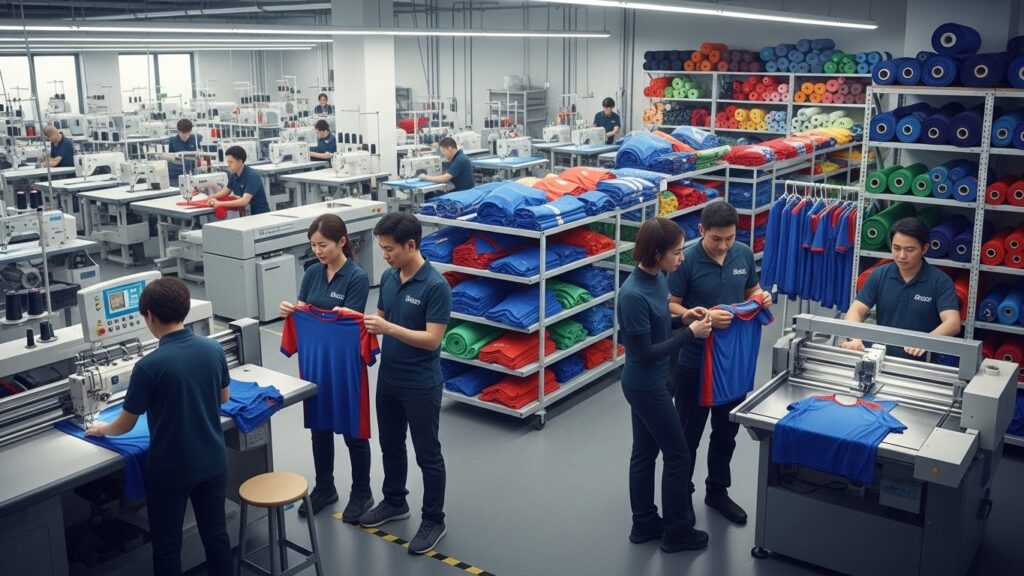
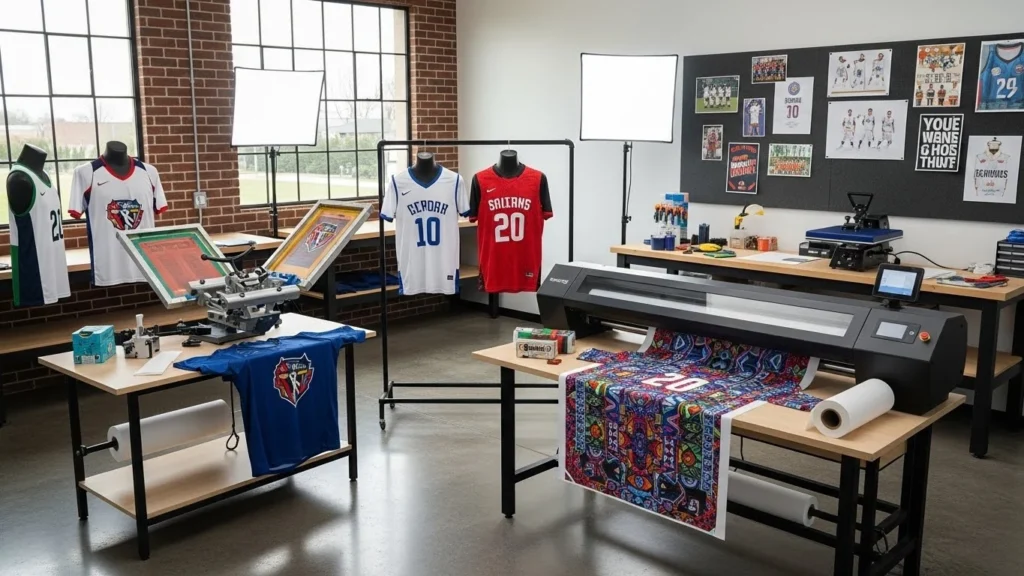
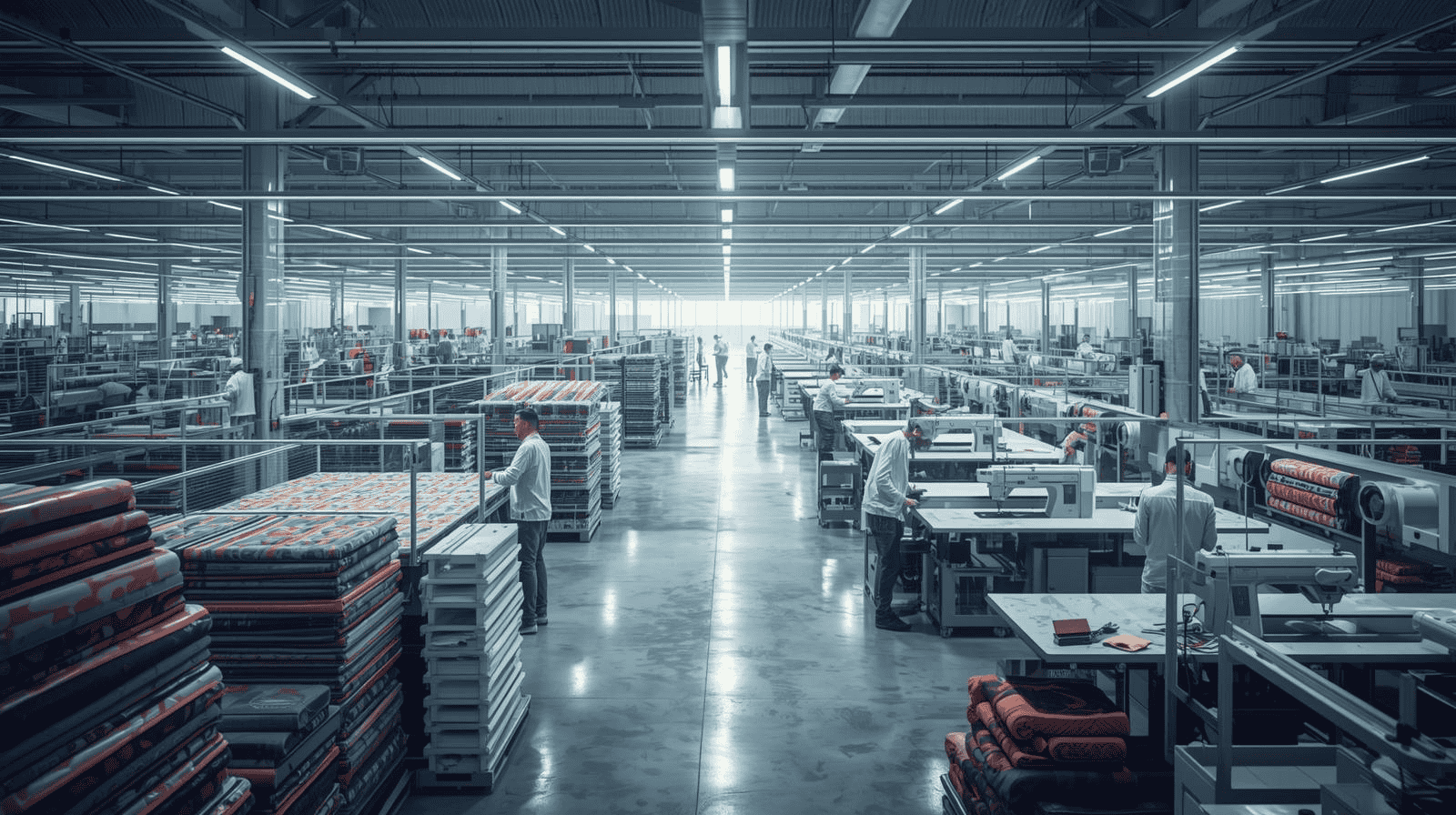
Once samples are approved, bulk production begins. This stage includes cutting, stitching, and printing. Sportswear printing methods such as sublimation, screen printing, and heat transfer each require different setup times.
Sublimation printing is widely used for custom sportswear because it allows vibrant, long-lasting colors without affecting fabric breathability. Industry insights into modern printing technologies can be found through Textile World, which highlights how advanced equipment improves efficiency and consistency in sportswear manufacturing.
Manufacturers with in-house printing capabilities often achieve shorter and more predictable lead times.
Quality Control and Finishing
Quality control ensures that finished garments meet sizing, construction, and color standards. This stage also includes labeling, folding, and packaging. While skipping quality checks may save time, it increases the risk of defects and returns.
Reliable manufacturers integrate quality control into each production stage rather than treating it as a final step.
Average Lead Times in Custom Sportswear Orders
Sportswear production timelines vary depending on order type and volume. While timelines differ by manufacturer, common ranges include:
-
Basic activewear orders: 4–6 weeks
-
Fully customized sportswear: 6–10 weeks
-
Large bulk or peak-season orders: 8–12 weeks
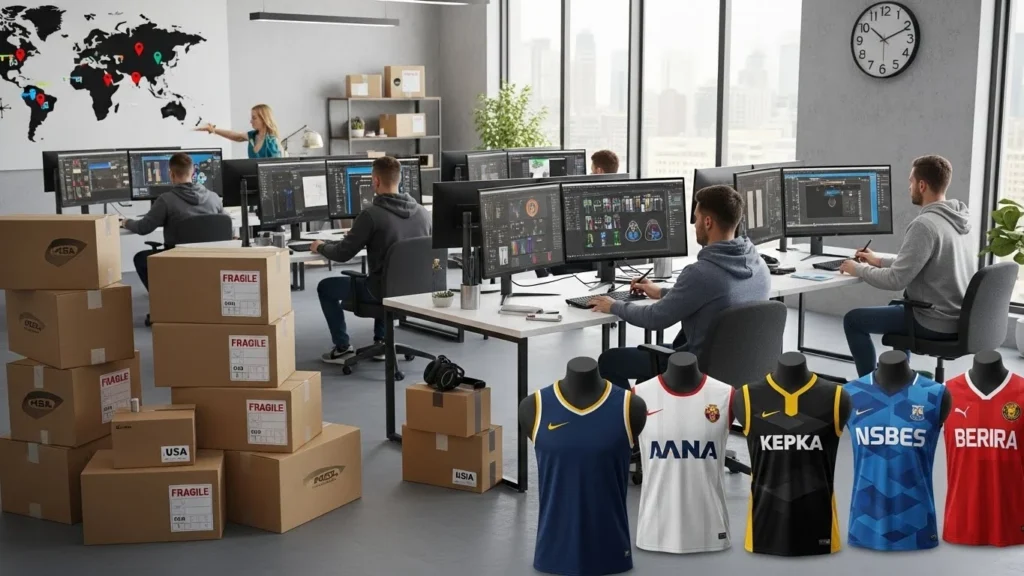
Shipping methods and destination markets also influence final delivery dates. Brands should factor logistics into their planning from the beginning.
Common Reasons for Delays in Sportswear Production
Several issues can disrupt sportswear production timelines if not managed carefully. One of the most common causes is poor communication between brands and manufacturers. Inaccurate sizing charts, unclear artwork, or delayed approvals can halt production.
Other frequent causes include:
-
Fabric shortages or supplier delays
-
Late design changes after production begins
-
High seasonal demand exceeding capacity
-
Shipping and customs clearance issues
Understanding these risks allows brands to build buffer time into their schedules.
How Brands Can Reduce Sportswear Manufacturing Lead Time
Reducing lead times requires strategic planning rather than rushing production. Brands that prepare thoroughly often experience smoother workflows and fewer delays.
Effective strategies include:
-
Finalizing designs early
-
Submitting complete tech packs
-
Planning orders ahead of peak seasons
-
Maintaining consistent communication
Working with manufacturers that offer integrated services can also reduce reliance on third-party suppliers.
The Role of Experienced Sportswear Manufacturers
Experienced sportswear manufacturers understand how to balance speed and quality. They anticipate challenges and optimize workflows to maintain efficiency. Brands benefit from partners who have handled a wide range of order sizes and customization levels.
Manufacturers offering end-to-end solutions often guide brands on realistic timelines and production planning. You can explore how structured workflows support consistent delivery through Bushi Sports’ sportswear manufacturing services.
In-House Production vs Outsourced Processes
Manufacturers with in-house cutting, printing, and stitching typically offer shorter and more reliable lead times. Outsourced processes introduce additional coordination and transportation steps that can extend timelines.
Brands focused on consistency often prefer manufacturers that control most production stages internally. This approach improves communication and quality control.
Shipping and Logistics Planning
Shipping is the final stage of sportswear production but can significantly impact total lead time. Air freight offers faster delivery at higher costs, while sea freight is more economical with longer transit times.
Key logistics considerations include destination regulations, customs clearance, and seasonal congestion. Insights into global trade and logistics challenges are frequently discussed by organizations such as the World Bank.
Building Trust Through Consistent Lead Times
Meeting delivery commitments builds trust with customers, teams, and retail partners. Brands that deliver on time demonstrate professionalism and reliability, strengthening long-term relationships.
Predictable lead times also support better inventory planning and reduce emergency production costs.
Why Bushi Sports Supports Reliable Production Timelines
Bushi Sports understands that reliable lead times are essential for brand success. By coordinating production stages efficiently and maintaining clear communication, Bushi Sports helps brands avoid unnecessary delays.
Their approach to custom sportswear production emphasizes:
-
Structured planning from order confirmation to delivery
-
In-house production coordination
-
Quality control without timeline disruption
Brands can also explore sublimation-based apparel solutions through Bushi Sports’ custom jersey printing services, which are designed for consistent quality and durable performance.
You can explore their consultation and production workflow, which reflects a strong focus on quality, transparency, and long-term manufacturing partnerships.
Choosing the Right Manufacturing Partner
Selecting the right manufacturing partner plays a major role in managing production timelines. Brands should evaluate partners based on experience, communication practices, and production capacity.
Reviewing manufacturing workflows and past projects helps brands assess a partner’s ability to meet deadlines consistently. Many brands also value transparency in pricing, sampling, and production updates.
Planning Sportswear Production for Long-Term Growth
Understanding lead times in sportswear production allows brands to move from reactive problem-solving to proactive planning. By recognizing how each stage contributes to the overall timeline, brands can set realistic expectations and avoid unnecessary stress.
Successful sportswear brands treat lead time management as a strategic advantage. With thoughtful preparation and strong manufacturing partnerships, brands can deliver high-quality sportswear on time while supporting sustainable growth in competitive markets. Brands looking to build long-term production stability often explore comprehensive custom sportswear solutions through Bushi Sports’ platform.