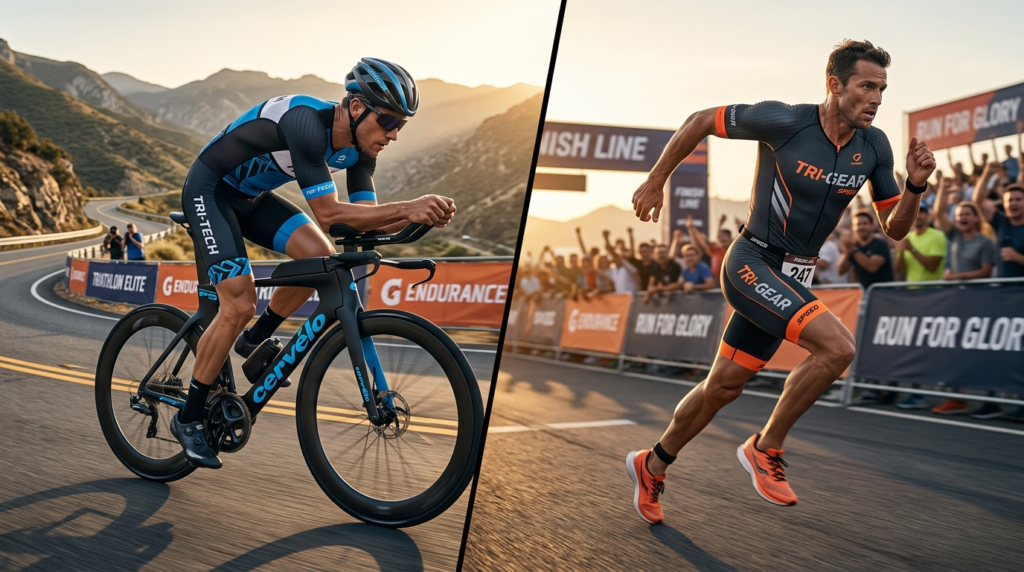
A triathlon suit manufacturer plays one of the most technically demanding roles within the global sportswear industry. Unlike ordinary athletic apparel, triathlon suits must perform effectively across three completely different sports disciplines including swimming, cycling, and long-distance running. Athletes transition directly between these activities without changing apparel, which means every fabric choice, seam position, and panel construction method directly affects comfort and performance.
As endurance sports continue expanding internationally, sportswear brands increasingly invest in apparel systems specifically engineered for multi-sport competition. According to the global sports apparel market, performance-focused athletic wear categories continue growing rapidly as athletes demand lighter, faster, and more technically advanced sportswear solutions.
This increasing demand has transformed the role of a triathlon suit manufacturer into a specialized area of textile engineering, ergonomic garment construction, and advanced athletic apparel production.
Modern manufacturers now focus heavily on balancing compression support, aerodynamic efficiency, moisture management, and flexibility inside a single garment system capable of performing under extreme endurance conditions.
Why Multi-Sport Apparel Requires Specialized Engineering
Triathlon athletes place enormous stress on their apparel because the same suit must perform efficiently inside water, during high-speed cycling, and throughout long-distance running. This creates unique manufacturing challenges that do not exist in traditional single-sport apparel production.
Swimming requires lightweight hydrodynamic fabric systems capable of reducing drag in water. Cycling apparel must support aerodynamic posture while minimizing wind resistance. Running sections demand unrestricted mobility, breathable comfort, and moisture control during extended physical exertion.
Because of this, a professional triathlon suit manufacturer carefully engineers every component of the garment to support multi-environment athletic performance.
Manufacturers commonly prioritize:
- lightweight compression textiles
- quick-dry moisture management systems
They also focus heavily on:
- aerodynamic panel shaping
- ergonomic seam positioning
Unlike generic activewear, triathlon apparel must reduce friction across all movement phases while remaining lightweight enough for endurance competition.
| Athletic Requirement | Manufacturing Focus |
|---|---|
| Hydrodynamic movement | Water-resistant textile systems |
| Cycling aerodynamics | Streamlined panel engineering |
| Running comfort | Flexible ergonomic fitting |
| Long-duration wear | Moisture-control fabrics |
Recent compression garment research continues highlighting how compression fabrics help improve muscle support and endurance stability throughout high-performance athletic activity.
Lightweight Fabrics Improve Endurance Performance
Modern endurance sportswear relies heavily on textile innovation. In triathlon competition, apparel weight, airflow, and drying speed all influence athletic efficiency throughout races that may last several hours.
A modern triathlon suit manufacturer therefore focuses heavily on lightweight technical fabrics engineered specifically for endurance movement.
Manufacturers now integrate advanced polyester blends capable of:
- reducing sweat retention
- improving drying speed
- supporting stretch flexibility
- maintaining aerodynamic structure
Unlike ordinary sportswear, triathlon suits cannot become heavy after swimming segments because excess water retention increases fatigue during cycling and running transitions.
Recent performance fabric innovation continues demonstrating how lightweight performance textiles influence endurance sportswear development through advanced moisture-management engineering and stretch-performance fabric construction.
Many manufacturers also use body-mapping techniques that strategically position breathable textile zones around high-heat areas of the body. This approach helps improve airflow while maintaining compression support during long competition sessions.
Because endurance athletes compete under varying temperatures and weather conditions, modern triathlon apparel must remain adaptable without compromising flexibility or comfort.
Aerodynamics and Compression Are Essential
Aerodynamic efficiency has become one of the biggest priorities in modern endurance sportswear manufacturing. Even small reductions in wind resistance can improve athletic performance during long-distance cycling phases.
A professional triathlon suit manufacturer therefore engineers apparel systems specifically around body posture and airflow movement.
Modern triathlon suits commonly feature:
- compression-fit construction
- low-profile seam engineering
Manufacturers also focus on:
- aerodynamic sleeve shaping
- stretch-performance textile systems
Unlike traditional loose athletic clothing, triathlon suits are designed to remain close to the body to reduce unnecessary fabric movement during cycling and running.
Compression support also plays an important role in muscle stabilization. Athletes competing over long distances require apparel capable of supporting circulation and reducing muscle fatigue throughout continuous movement.
| Compression Feature | Athletic Benefit |
|---|---|
| Compression textiles | Muscle stabilization |
| Aerodynamic fitting | Reduced wind resistance |
| Lightweight seams | Lower movement friction |
| Stretch-performance fabrics | Improved mobility |
These technical developments have significantly changed how endurance sportswear is manufactured across the global athletic apparel industry.
Branding and Customization Continue Expanding
Modern endurance apparel now serves both athletic and commercial purposes. Teams, sponsors, race organizers, and sportswear companies increasingly prioritize custom triathlon suits capable of supporting professional branding alongside technical performance.
A forward-thinking triathlon suit manufacturer therefore combines textile engineering with advanced customization systems.
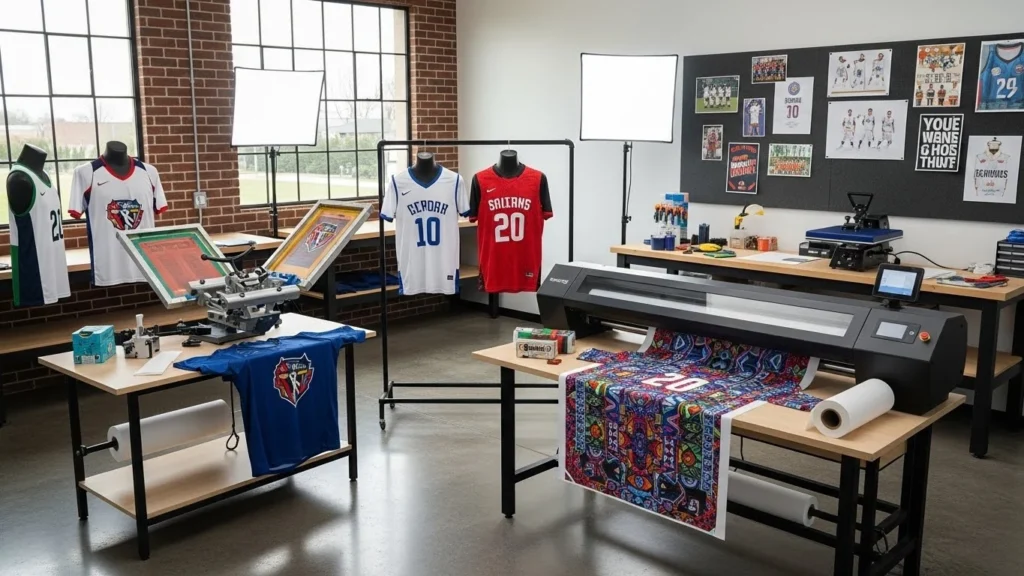
Modern sublimation technology allows manufacturers to create high-detail graphics without increasing fabric weight. Unlike traditional printing methods, sublimation integrates directly into the textile structure while maintaining flexibility and aerodynamic performance.
Sportswear brands increasingly collaborate with sublimation sportswear specialists capable of producing:
- race-ready triathlon suits
- sponsor-integrated endurance apparel
- coordinated competition kits
- private label performance collections
Customization has become especially important for:
- endurance sports teams
- triathlon clubs
- retail sportswear brands
- sponsored athletes
Professional apparel presentation now plays a major role in endurance sports branding and commercial visibility.
OEM Production Supports Endurance Sports Brands
OEM manufacturing has become one of the most important growth strategies within modern sportswear production because it allows endurance brands to scale efficiently without operating independent factories.
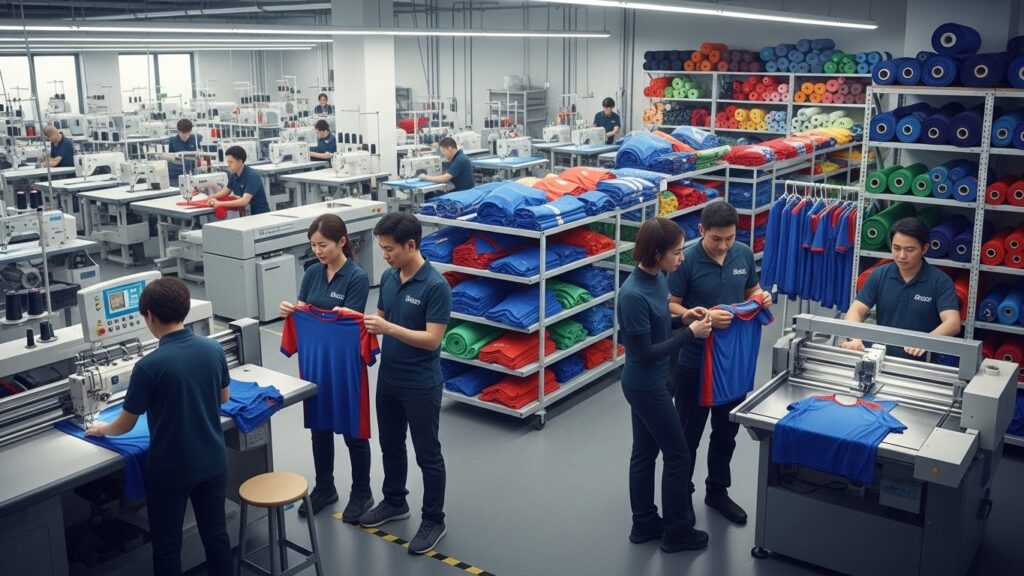
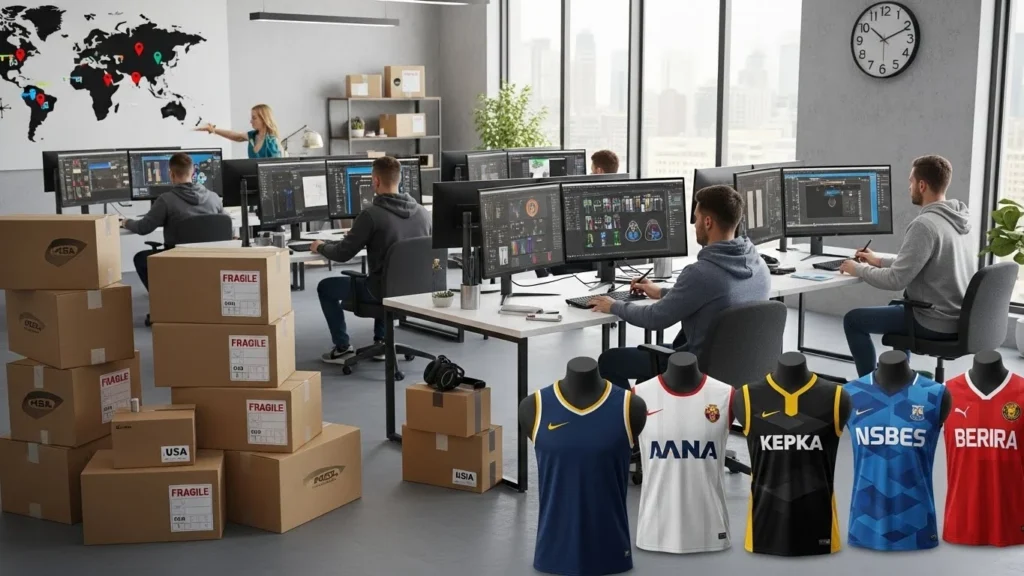
Many companies now collaborate directly with OEM athletic apparel manufacturers responsible for textile sourcing, sample development, customization systems, quality control, and large-scale apparel production.
This structure allows sportswear brands to focus more heavily on:
- athlete sponsorships
- marketing campaigns
- event partnerships
- retail growth
A dependable triathlon suit manufacturer commonly supports endurance startups, triathlon clubs, race organizations, and private label sportswear companies seeking scalable production solutions.
Many organizations also work closely with private label sportswear manufacturing providers capable of producing customized endurance apparel collections under independent brand identities.
Sustainability Is Reshaping Endurance Sportswear
Sustainability has become increasingly important throughout modern sportswear manufacturing as consumers and athletic brands seek environmentally responsible apparel production methods.
Many manufacturers are now integrating recycled polyester systems, lower-impact dye technologies, and reduced textile waste strategies into modern endurance apparel production.
Recent sustainable sportswear manufacturing insights continue highlighting how technical sportswear companies increasingly prioritize eco-conscious sourcing alongside advanced performance engineering.
A modern triathlon suit manufacturer now balances:
- aerodynamic efficiency
- lightweight comfort
- environmental responsibility
- long-term durability
Manufacturers capable of combining sustainable production systems with technical endurance apparel engineering are expected to remain highly competitive throughout the future of performance sportswear manufacturing.
Conclusion
Triathlon apparel manufacturing has evolved into one of the most technically advanced segments of the global sportswear industry. Modern suits now require aerodynamic engineering, lightweight compression support, moisture management, and ergonomic flexibility within a single multi-sport garment system.
Working with an experienced triathlon suit manufacturer allows endurance sports brands, race organizations, and athletic apparel companies to scale production while maintaining consistent quality across customized multi-sport collections.
From aerodynamic race suits and compression endurance apparel to OEM production systems and private label sportswear development, professional manufacturing partnerships continue shaping the future of endurance athletics.
Businesses seeking scalable endurance apparel production and advanced multi-sport sportswear solutions can explore professional manufacturing services through Bushi Sports®.