Why Thermal Fabrics Matter for Winter Training
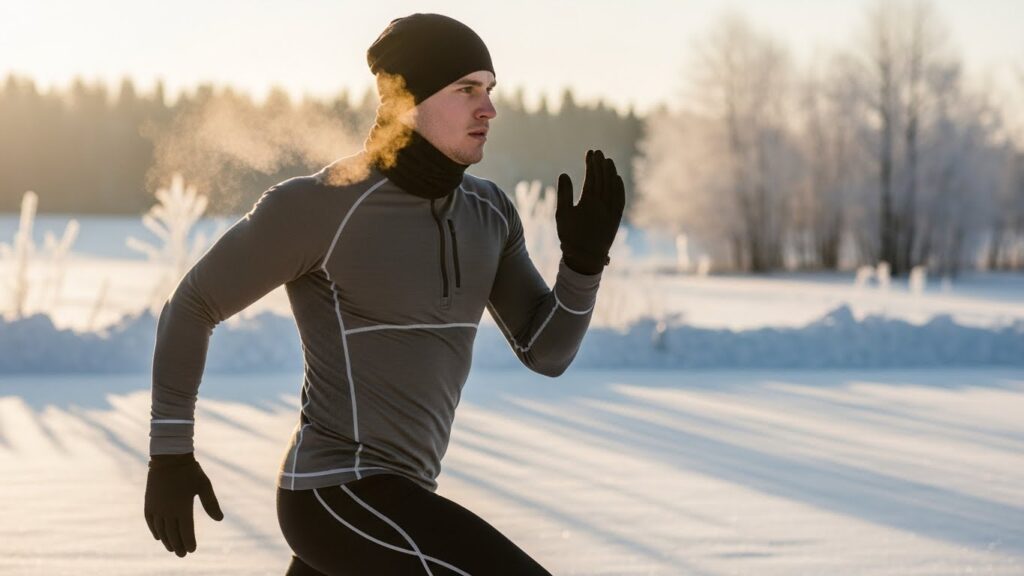
Winter training brings a different kind of challenge. Cold air tightens muscles, slows movement, and drains energy faster than most people expect. That’s where thermal sportswear fabrics step in. Designed specifically for low temperatures, they trap body heat without making athletes feel bulky or restricted. Unlike regular layers, proper thermal training wear works with your body, not against it. When warmth is steady, muscles stay ready, reactions stay sharp, and training sessions feel productive instead of punishing.
What truly sets winter sportswear fabrics apart is how they handle sweat. Cold weather doesn’t stop your body from working hard, and damp clothing can quickly become uncomfortable. Moisture-wicking thermal wear pulls sweat away from the skin while maintaining insulation. This balance keeps athletes dry, warm, and focused. Combined with breathable winter activewear design, it prevents overheating during intense drills while still protecting against cold winds and low temperatures.
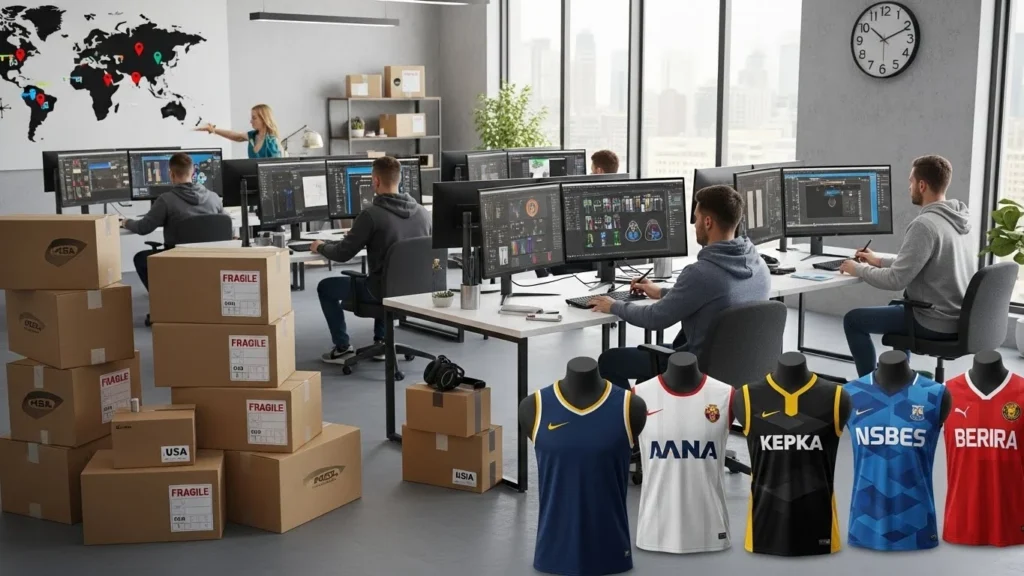
For teams and brands, the right fabric choice defines performance. Performance winter kits made through a b2b sportswear manufacturer ensure consistency, durability, and comfort across every athlete. With factory direct sportswear and fully customized team kits, thermal fabrics can be tailored to specific sports, climates, and movement needs. The result is custom winter sportswear that supports training goals, protects athletes, and delivers reliable performance throughout the toughest winter conditions.
How Thermal Sportswear Fabrics Keep Athletes Warm Without Overheating
Staying warm in winter training isn’t about piling on thick layers. Thermal sportswear fabrics work by holding close the heat your body naturally produces. These fabrics create a soft, insulated barrier that protects against cold air while still feeling light on the skin. Good thermal training wear supports movement and flexibility, so athletes can train freely without stiffness. When warmth is controlled and evenly distributed, the body stays relaxed, energized, and ready to perform in low temperatures.
What makes winter sportswear fabrics truly effective is their ability to manage moisture. Even in cold conditions, intense training causes sweating. Moisture-wicking thermal wear pulls sweat away from the skin, preventing dampness that can lead to chills. At the same time, breathable winter activewear allows excess heat to escape when activity levels rise. This balance keeps athletes comfortable, dry, and focused, rather than overheating or feeling weighed down by wet clothing.
For teams and training programs, fabric performance matters just as much as fit. Performance winter kits produced by a b2b sportswear manufacturer are designed with both insulation and breathability in mind. Through factory direct sportswear and fully customized team kits, brands can tailor thermal protection to specific sports and climates. The result is custom winter sportswear that keeps athletes warm, dry, and comfortable throughout every phase of winter training.
The Balance Between Insulation and Breathability in Winter Kits
- Thermal sportswear fabrics are designed to trap body heat without turning workouts into sweaty, uncomfortable sessions.
- Good thermal training wear keeps muscles warm while still allowing fresh air to move through the fabric.
- The best winter sportswear fabrics focus on warmth first, but never ignore airflow during intense movement.
- Insulated athletic apparel works best when insulation is light, flexible, and evenly distributed across the garment.
- Moisture-wicking thermal wear prevents sweat from settling on the skin, reducing chills after activity slows down.
- Proper breathable winter activewear releases excess heat before overheating becomes a problem.
- Well-designed performance winter kits adapt to changing effort levels during training sessions.
- Athletes stay comfortable when cold weather workout clothing responds to movement, not just temperature.
- Custom winter sportswear allows teams to balance insulation and breathability for their specific climate.
- Through factory direct sportswear and b2b sportswear manufacturer expertise, fully customized team kits perform consistently in winter conditions.
Moisture Control: Staying Dry in Cold Weather Workouts
Cold weather doesn’t stop your body from sweating, and that’s where many winter workouts go wrong. Thermal sportswear fabrics are built to manage moisture while keeping warmth locked in. Quality moisture-wicking thermal wear pulls sweat away from the skin before it turns cold and uncomfortable. When paired with smart winter sportswear fabrics, athletes stay dry even during high-effort drills. This makes cold weather workout clothing feel lighter, warmer, and far more comfortable from start to finish.
The right balance of insulation and airflow is key to staying dry. Breathable winter activewear allows excess heat and moisture to escape without letting cold air rush in. In well-designed performance winter kits, insulation works together with ventilation to keep body temperature steady. Through custom winter sportswear made by a b2b sportswear manufacturer, teams can choose fabrics that match their climate and training style. With factory direct sportswear and fully customized team kits, moisture control becomes a built-in advantage, not an afterthought.
Thermal Fabrics vs Regular Fabrics: What’s the Real Difference?
- Thermal sportswear fabrics are designed for cold conditions, while regular fabrics mainly focus on everyday comfort.
- Thermal training wear traps body heat, helping muscles stay warm during winter workouts.
- Regular cotton or basic synthetics lose warmth quickly once temperatures drop.
- Winter sportswear fabrics are built to insulate without adding heavy layers.
- Cold weather workout clothing made with thermal materials feels lighter yet warmer on the body.
- Regular fabrics often soak up sweat, becoming heavy and uncomfortable.
- Moisture-wicking thermal wear pulls sweat away before it cools the skin.
- Insulated athletic apparel maintains body temperature even during outdoor training.
- Basic clothing struggles to balance warmth and airflow.
- Breathable winter activewear releases excess heat during intense movement.
- Performance winter kits are tested for durability and consistent warmth.
- Custom winter sportswear allows teams to choose fabrics suited to their climate.
- With a b2b sportswear manufacturer and factory direct sportswear, fully customized team kits outperform regular training gear in winter conditions.
Best Thermal Materials Used in High-Performance Winter Sportswear
Modern thermal sportswear fabrics start with advanced synthetic blends designed to keep athletes warm without feeling bulky. Materials like brushed polyester and thermal elastane are widely used in thermal training wear because they hold heat close to the body while staying light. These fabrics stretch easily, making them ideal for intense movement. In cold weather workout clothing, this flexibility matters. Athletes can train freely, stay warm, and avoid stiffness, even during long outdoor sessions in harsh winter conditions.
Another key material found in winter sportswear fabrics is fleece-backed fabric with moisture control technology. This type of insulated athletic apparel creates a soft inner layer that traps warmth while the outer surface manages sweat. The result is comfort that lasts through changing activity levels. When workouts heat up, moisture-wicking thermal wear moves sweat away quickly. This balance helps prevent that cold, damp feeling that often ruins winter training and lowers performance.
High-level performance winter kits also rely on breathable thermal mesh panels and hybrid fabrics. These are carefully placed to improve airflow without sacrificing warmth. This approach defines true breathable winter activewear. For brands offering custom winter sportswear, working with a b2b sportswear manufacturer allows full control over fabric selection. Through factory direct sportswear, teams can receive fully customized team kits built with the exact thermal materials their climate and sport demand.
Layering Smart: How Thermal Fabrics Work With Base and Outer Layers
Thermal sportswear fabrics play the most important role at the base layer. This first layer sits close to the skin and sets the tone for comfort. Good thermal training wear traps body heat gently while pulling sweat away before it turns cold. When athletes move, these fabrics adapt instead of clinging. That’s why quality base layers are the foundation of reliable cold weather workout clothing, especially during long winter sessions.
The middle layer focuses on warmth and balance. Here, insulated athletic apparel adds controlled heat without making the body feel heavy. Paired with strong winter sportswear fabrics, this layer holds warmth during rest and releases it during movement. The best designs combine stretch and airflow, allowing moisture-wicking thermal wear to keep working underneath. This smart layering prevents overheating while maintaining steady body temperature.
Outer layers complete the system by protecting against wind, rain, and cold air. In well-designed breathable winter activewear, the outer shell shields the body without blocking airflow. This allows inner thermal sportswear fabrics to perform efficiently. For athletes training outdoors, this combination keeps conditions predictable, even when weather changes suddenly. The goal is protection without suffocation, warmth without sweat buildup.
Brands offering performance winter kits often rely on a b2b sportswear manufacturer to perfect this balance. Through factory direct sportswear, teams can create custom winter sportswear built layer by layer. With fully customized team kits, every fabric works together, ensuring athletes stay warm, dry, and focused—no matter how tough winter training becomes.
Choosing the Right Thermal Fabric for Your Sport and Climate
Choosing the right thermal sportswear fabrics starts with understanding how your body moves and how cold your environment really is. A runner training in light winter air needs different thermal training wear than a football team practicing in freezing winds. The goal is comfort, not bulk. Good winter sportswear fabrics keep you warm when you slow down and flexible when you push harder. When the fabric matches the sport, training feels natural instead of forced.
Climate plays a bigger role than most athletes realize. Dry cold, wet cold, and windy cold all demand different solutions. For intense sessions, moisture-wicking thermal wear keeps sweat from turning icy against the skin. In harsher conditions, insulated athletic apparel adds warmth without trapping heat. The best cold weather workout clothing balances protection and airflow, allowing breathable winter activewear to support long, consistent performance.
For teams and brands, smart choices often come through experience and customization. Working with a b2b sportswear manufacturer allows athletes to test and refine performance winter kits for real conditions. Through factory direct sportswear, teams can create custom winter sportswear that fits their climate and training style. With fully customized team kits, every layer feels intentional, helping athletes stay focused, warm, and ready in any weather.
How BUSHI Sports Designs Fully Customized Thermal Training Kits
At BUSHI Sports, everything starts with understanding how athletes actually train in winter. Designing with thermal sportswear fabrics is not just about warmth, it’s about movement, comfort, and real conditions. The team studies training intensity, climate, and sport type before selecting winter sportswear fabrics that feel natural on the body. From lightweight thermal training wear to tougher insulated athletic apparel, each fabric choice is made to support performance, not restrict it.
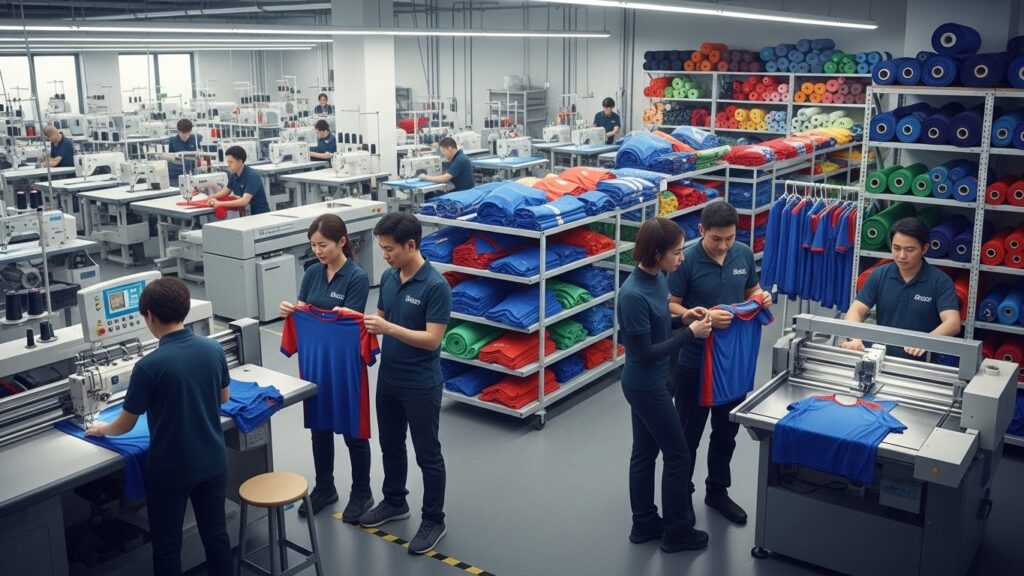
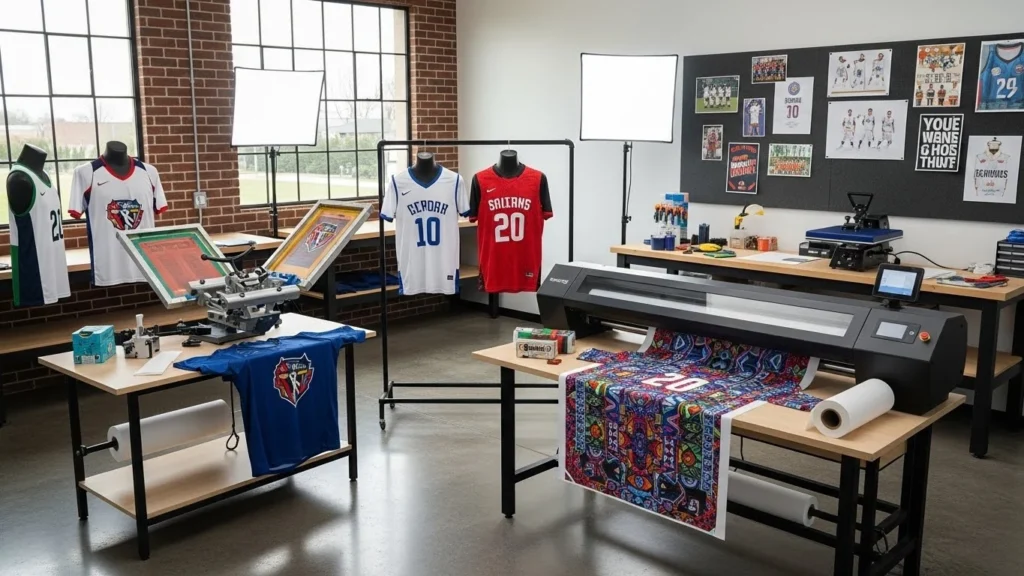
What truly sets BUSHI Sports apart is the level of customization. As a trusted b2b sportswear manufacturer, the brand works closely with teams to build fully customized team kits from the ground up. Through factory direct sportswear, every detail is controlled—fit, stretch, insulation, and moisture-wicking thermal wear. The result is custom winter sportswear that stays breathable, handles sweat, and delivers reliable performance winter kits built for cold weather workouts.