The Rise of Gender-Neutral Sportswear: Market Opportunities for Brands
The rise of gender-neutral sportswear is transforming the global apparel industry. Increasingly, consumers seek clothing that prioritizes comfort, performance, and self-expression over traditional gender categories. As a result, brands that adapt to this shift unlock new market opportunities, expand their customer base, and strengthen brand loyalty.
Today’s buyers value inclusivity, authenticity, and versatility. Consequently, sportswear brands that embrace gender-neutral collections position themselves at the forefront of cultural and commercial change. Moreover, this shift does not simply reflect a trend; instead, it signals a structural transformation in how consumers approach fashion and performance apparel.
Understanding the Growth of Gender-Neutral Sportswear
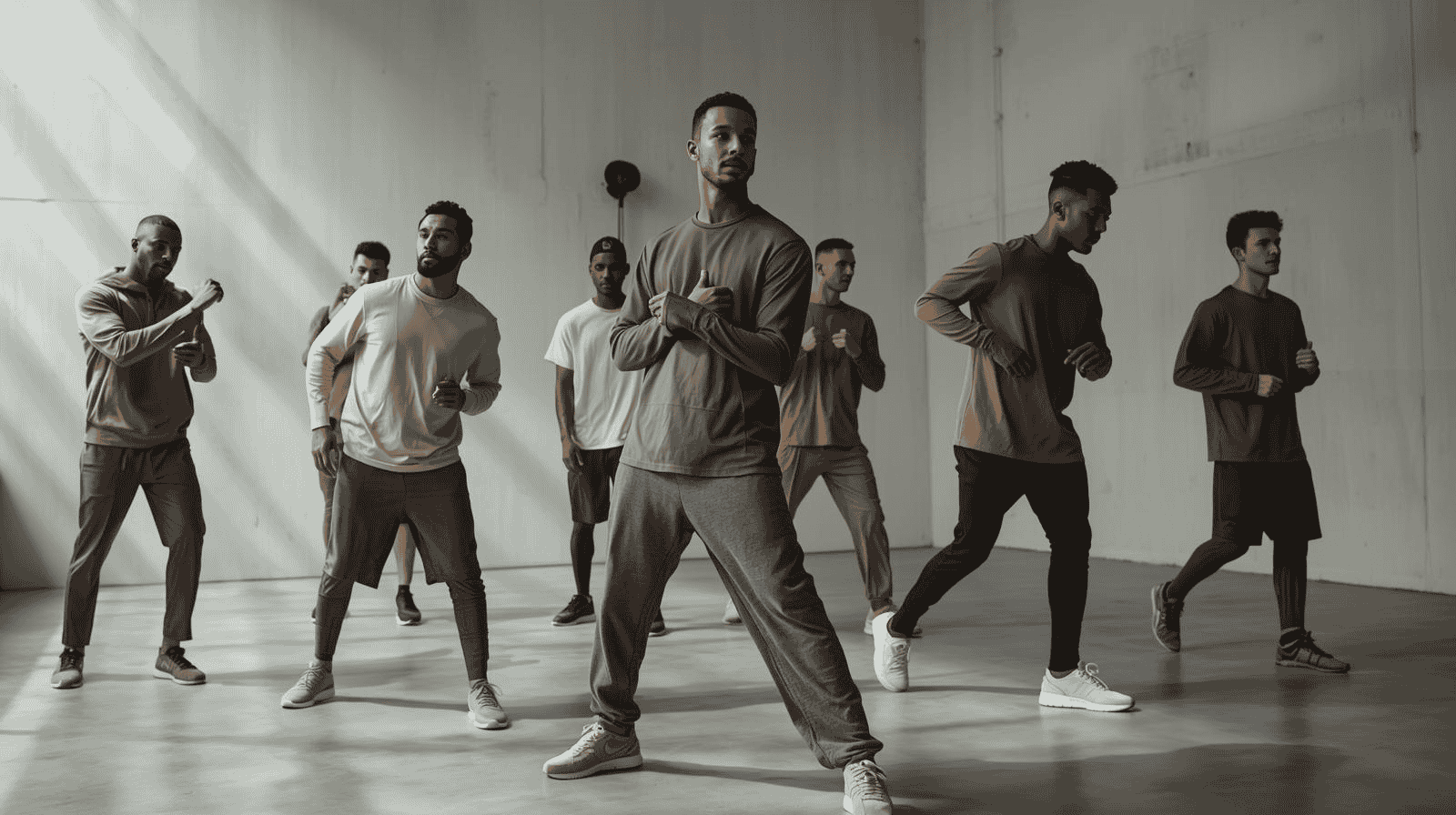
Over the past decade, fashion norms have evolved significantly. While traditional sportswear separated men’s and women’s collections, modern consumers increasingly challenge those boundaries. Therefore, brands now explore unisex silhouettes, neutral color palettes, and inclusive sizing systems.
According to industry insights from organizations like McKinsey & Company, inclusivity and personalization rank among the strongest drivers of growth in apparel markets. Similarly, younger generations, particularly Gen Z, prioritize brands that reflect diversity and fluid identity.
In this context, gender-neutral sportswear appeals to multiple segments:
-
Athletes seeking comfort over labels
-
Consumers who reject rigid sizing categories
-
Retailers aiming to simplify inventory structures
-
Brands targeting inclusive marketing strategies
Because of these shifts, companies that invest early in inclusive design gain a competitive advantage.
Why Consumers Prefer Gender-Neutral Sportswear
Consumer demand drives the expansion of gender-neutral sportswear. However, preference stems from several interconnected factors.
First, comfort and functionality matter more than ever. Many buyers prioritize performance fabrics, flexibility, and breathable materials rather than gendered cuts. Therefore, brands that design adaptable silhouettes attract a broader audience.
Second, cultural awareness influences purchasing decisions. Consumers increasingly support brands that align with values such as diversity and equality. For instance, global brands like Nike have introduced unisex collections that focus on inclusivity and performance.
Third, practicality also plays a role. Gender-neutral sportswear simplifies wardrobe choices. Additionally, it allows consumers to mix and match styles without limitations, enhancing versatility.
As a result, the demand for inclusive activewear continues to accelerate across both retail and teamwear segments.
Market Opportunities for Brands in Gender-Neutral Sportswear
The rise of gender-neutral sportswear opens several strategic opportunities for brands.
Expanding Target Audiences
Traditionally, brands divided marketing budgets between male and female segments. However, gender-neutral collections allow companies to address a unified audience. Consequently, brands can reduce segmentation costs while increasing reach.
Moreover, inclusive product lines resonate strongly with younger demographics. Therefore, companies that align messaging with progressive values strengthen long-term customer loyalty.
Streamlining Inventory and Production
Gender-neutral sportswear also simplifies production planning. Instead of manufacturing separate men’s and women’s styles, brands can consolidate SKUs. As a result, they reduce inventory complexity and improve forecasting accuracy.
Manufacturers like Bushi Sports support brands in developing flexible sizing systems and adaptable patterns. Furthermore, efficient production processes lower operational costs and reduce waste.
Enhancing Brand Positioning
Inclusive collections improve brand perception. When companies promote diversity and accessibility, they build trust. In addition, they attract partnerships with teams, organizations, and retailers that prioritize equality.
Therefore, gender-neutral sportswear not only generates revenue but also strengthens brand equity.
Design Considerations for Gender-Neutral Sportswear
Designing gender-neutral sportswear requires thoughtful planning. While inclusivity drives the concept, performance must remain a priority.
First, focus on adaptable silhouettes. Relaxed cuts, adjustable waistbands, and flexible shoulder structures ensure a comfortable fit for diverse body types. Additionally, designers should emphasize stretch fabrics and ergonomic construction.
Second, consider neutral color palettes. Earth tones, monochromes, and minimalist patterns often appeal to broad audiences. However, brands can still incorporate bold accents to maintain identity.
Third, prioritize inclusive sizing. Instead of labeling garments strictly as “men’s” or “women’s,” brands can adopt size ranges based on measurements. Consequently, shoppers feel more comfortable selecting products without gender-based restrictions.
Manufacturing partners such as Bushi Sports collaborate with brands to refine sizing charts and test samples before bulk production. Therefore, careful design and technical adjustments ensure product success.
The Role of Marketing in Promoting Inclusive Sportswear
Even the best product requires effective marketing. Therefore, brands must align messaging with inclusive values.
First, use diverse representation in campaigns. Featuring athletes and models from different backgrounds reinforces authenticity. Moreover, authentic storytelling strengthens emotional connection.
Second, focus on performance benefits rather than gender categories. Highlight moisture-wicking fabrics, durability, and stretch recovery. Consequently, customers evaluate products based on function rather than labels.
Third, leverage digital channels. Social media platforms allow brands to engage directly with communities that value inclusivity. In addition, user-generated content fosters trust and transparency.
Because marketing shapes perception, brands that communicate clearly about inclusivity gain stronger traction in competitive markets.
Sustainability and Gender-Neutral Sportswear
Interestingly, gender-neutral sportswear also aligns with sustainability goals. By consolidating product lines, brands reduce overproduction and excess inventory. Therefore, companies lower environmental impact while improving efficiency.
Additionally, many inclusive collections use eco-friendly fabrics. According to the Textile Exchange, demand for sustainable fibers continues to grow globally. Consequently, brands that combine sustainability with inclusivity appeal to conscious consumers.
Furthermore, simplified sizing systems reduce returns caused by poor fit. As a result, fewer garments travel back through supply chains, minimizing carbon emissions.
Thus, gender-neutral sportswear contributes to both ethical and environmental progress.
Challenges Brands Must Address
Although opportunities remain strong, brands must address potential challenges.
First, achieving universal fit can prove complex. Body shapes vary significantly; therefore, brands must invest in sample testing and feedback cycles.
Second, marketing must remain authentic. Consumers quickly identify performative messaging. Consequently, brands must ensure inclusivity extends beyond advertising into real production practices.
Third, retailers may initially hesitate to restructure store layouts. However, with proper data and demand forecasting, brands can demonstrate the benefits of unified collections.
By addressing these challenges strategically, companies can fully capitalize on this growing segment.
How Manufacturers Support the Shift
Manufacturers play a critical role in the expansion of gender-neutral sportswear. Experienced partners help brands translate inclusive concepts into practical production strategies.
For example, Bushi Sports assists with:
-
Pattern development for adaptable fits
-
Fabric sourcing for performance and comfort
-
Sample testing across multiple body types
-
Scalable production planning
Moreover, collaborative communication ensures that design intent aligns with manufacturing capabilities. Therefore, brands achieve consistency and quality across collections.
Future Outlook for Gender-Neutral Sportswear
Looking ahead, the growth of gender-neutral sportswear appears sustainable rather than temporary. As cultural norms continue to evolve, consumers will likely demand even greater inclusivity.
Furthermore, technology supports this evolution. Digital sizing tools, 3D modeling, and AI-driven personalization enable brands to refine fit and performance. Consequently, inclusive sportswear becomes more precise and accessible.
Additionally, global retailers increasingly dedicate space to unisex collections. Therefore, early adopters benefit from first-mover advantages and brand recognition.
In the coming years, gender-neutral sportswear will likely move from niche category to mainstream standard.
Strategic Steps for Brands Entering the Market
Brands considering entry into the gender-neutral segment should take strategic steps.
First, conduct market research to understand target demographics. Then, evaluate existing collections to identify adaptable styles. Next, collaborate with experienced manufacturers to refine patterns and sizing.
Afterward, launch pilot collections to test demand. Finally, collect customer feedback and iterate accordingly.
By following a structured approach, brands minimize risk while maximizing opportunity.
Conclusion
The rise of these sportswear represents a powerful shift in the apparel industry. Consumers increasingly prioritize comfort, inclusivity, and performance over traditional gender distinctions. Therefore, brands that embrace this movement unlock new audiences, simplify production, and strengthen brand identity.
Moreover, inclusive collections align with sustainability goals and evolving cultural values. When supported by experienced manufacturers like Bushi Sports, brands can confidently design, produce, and scale gender-neutral lines.
Ultimately, it is not merely a trend. Instead, it signals the future of performance apparel—where inclusivity, innovation, and opportunity intersect.