Stitching types for sportswear When it comes to sportswear, durability isn’t just about fabric—it’s in the stitching. The right stitching types can make your activewear last longer, move better with your body, and withstand intense workouts. From flatlock to cover stitch, each technique plays a crucial role in preventing seams from splitting and maintaining comfort. Understanding these stitching methods helps you choose high-quality sportswear that performs and lasts. Whether you’re a fitness enthusiast or sourcing custom sportswear, stitching matters more than you might think.
Understanding Stitching Types for Durable Sportswear
When it comes to sportswear, stitching is more than a finishing touch—it determines how well your clothes hold up under movement and repeated use. Understanding different stitching types for sportswear helps you identify garments that can withstand intense workouts and last longer. Techniques like flatlock stitching and coverstitch are popular because they provide strength without sacrificing comfort. Choosing the right seam can prevent fabric fraying, seam splitting, and stretching, making your activewear a reliable part of your routine.
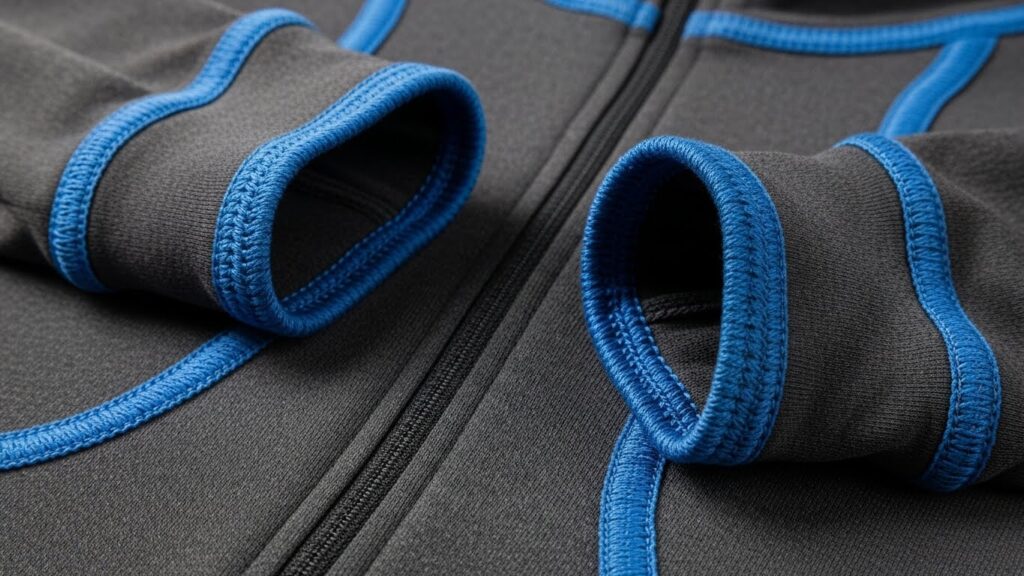
Flatlock stitching sportswear is designed to sit flat against the skin, reducing chafing while offering durability. This method is often used in high-performance sportswear and custom sportswear manufacturing because it combines comfort with reinforced seams in activewear. Flatlock stitching also allows the garment to stretch with your body, making it ideal for yoga pants, compression shirts, and other fully customized sportswear that require both flexibility and longevity.
Cover stitch for activewear is another essential technique. Unlike traditional stitching, cover stitch strengthens hems and seam edges, ensuring they hold up under frequent washing and heavy use. It’s commonly seen in factory direct sportswear and b2b sportswear supply lines, where durability is a selling point. For brands and individuals investing in custom sportswear, understanding these stitching techniques guarantees that your performance sportswear durability matches its design, delivering long-lasting workout clothes that stay comfortable and reliable over time.
Flatlock Stitching: Comfort Meets Strength
Flatlock stitching is one of the most valued stitching types for sportswear because it seamlessly blends comfort with durability. Unlike traditional seams, flatlock stitching sportswear lies flat against the skin, preventing chafing during intense workouts. This technique ensures that reinforced seams in activewear can stretch with your movements without pulling or breaking, making it ideal for long-lasting workout clothes and fully customized sportswear.
For performance sportswear, flatlock stitching isn’t just about comfort—it’s about reliability. Custom sportswear manufacturing often uses flatlock seams to provide both strength and flexibility. Whether it’s compression shirts, yoga pants, or running leggings, the flatlock method allows durable sportswear fabrics to move with your body while maintaining their shape, reducing wear and tear over time.
Brands sourcing factory direct sportswear or working with a b2b sportswear supplier frequently prioritize flatlock stitching because it enhances garment quality. This method also supports fully customized sportswear, as it can handle complex designs and multiple fabric layers without compromising durability. By understanding flatlock stitching, athletes and brands alike can choose sportswear that feels good, performs well, and lasts longer, combining style, strength, and comfort in every stitch.
Overlock Stitching and Its Role in Sportswear Longevity
Overlock stitching is a cornerstone in creating durable sportswear fabrics that last. This technique binds multiple layers of fabric while trimming excess edges, preventing fraying and unraveling over time. For performance sportswear, reinforced seams in activewear are essential, and overlock stitching provides exactly that—strength and flexibility. Brands focused on fully customized sportswear often choose this method because it supports complex designs without compromising comfort, ensuring garments maintain their shape even after repeated washes and intense workouts.
In custom sportswear manufacturing, overlock stitching also allows for more efficient production. Factory direct sportswear often uses overlock seams to speed up assembly while maintaining high quality. This stitching technique is ideal for b2b sportswear suppliers who need to produce bulk sportswear production without sacrificing durability. Its precision helps garments withstand stretching, movement, and the daily wear of athletes while preserving overall fabric integrity.
For athletes and sportswear enthusiasts, understanding stitching types for sportswear can make all the difference in long-term satisfaction. Overlock stitching not only enhances performance sportswear durability but also ensures comfort and professional finishing. Combined with other techniques like flatlock or cover stitch for activewear, overlock seams create sportswear that performs reliably, looks premium, and stands the test of time, offering both function and style in every piece.
Cover stitch Techniques That Prevent Seams from Splitting
Coverstitch techniques are essential for creating durable sportswear that withstands daily wear and rigorous workouts. This stitching method reinforces seams in activewear, ensuring they don’t split even under tension. By distributing stress across multiple threads, coverstitch for activewear improves both strength and flexibility. For athletes, this means garments remain comfortable and reliable during high-intensity activities. Custom sportswear manufacturing often relies on this method to combine professional finishing with long-lasting performance, making fully customized sportswear more resilient and appealing.
In factory direct sportswear production, cover stitch techniques are vital for maintaining consistent quality across large batches. B2b sportswear suppliers favor this method because it enhances performance sportswear durability while allowing bulk sportswear production without compromising precision. The reinforced seams in activewear created through cover stitch reduce the risk of fraying or tearing, even after repeated washes. This ensures long-term satisfaction for clients investing in premium custom sportswear for teams or individual athletes.
When choosing stitching types for sportswear, cover stitch provides both functionality and aesthetic appeal. It creates clean, professional seams that align perfectly with flatlock stitching sportswear, combining style and strength. These reinforced seams in activewear are particularly important for long-lasting sportswear fabrics, which need to endure stretching, movement, and heavy use without losing shape. By integrating cover stitch methods, sportswear brands deliver products that maintain their structural integrity and visual appeal over time.
For custom sportswear and b2b sportswear production, cover stitch ensures garments meet high-performance expectations. It complements other sportswear stitching techniques, providing additional durability for fully customized sportswear lines. Factory direct sportswear using cover stitch techniques can confidently offer long-lasting garments that resist seam splitting while enhancing wearer comfort. This makes cover stitch a critical tool in building sportswear that performs reliably, looks professional, and satisfies both athletes and retailers alike.
Reinforced Seams for High-Intensity Workouts
- Reinforced seams in activewear are crucial for garments designed for high-intensity workouts, ensuring durability under extreme movement.
- Using durable sportswear fabrics combined with precise stitching types for sportswear prevents tearing and maintains structural integrity.
- Flatlock stitching sportswear and coverstitch for activewear are often integrated into reinforced seams to offer both comfort and strength.
- Custom sportswear manufacturing relies on these techniques to deliver fully customized sportswear that withstands repeated stress.
- Factory direct sportswear production ensures that every seam is consistently reinforced, maintaining high-quality standards across bulk sportswear production.
- B2b sportswear suppliers use reinforced seams in activewear to guarantee long-lasting performance for professional and amateur athletes alike.
- Performance sportswear durability improves significantly when reinforced seams absorb tension rather than letting fabric stretch excessively.
- Reinforced seams complement other sportswear stitching techniques, making garments safer for rigorous exercises and minimizing wear and tear.
- Fully customized sportswear benefits from reinforced stitching, as unique designs often require extra seam strength to maintain shape.
- Sportswear fabrics combined with reinforced seams provide reliable elasticity and flexibility, supporting both movement and comfort.
- In b2b sportswear and factory direct sportswear lines, reinforced seams reduce returns and increase client satisfaction due to higher product longevity.
- By integrating reinforced seams into activewear, brands can produce custom sportswear that performs consistently, looks professional, and withstands high-intensity workouts.
The Role of Stretch Stitching in Activewear Flexibility
Stretch stitching plays a critical role in activewear, allowing garments to move naturally with the body without losing shape. By combining reinforced seams in activewear with durable sportswear fabrics, stretch stitching ensures both comfort and performance. Athletes and fitness enthusiasts benefit from this technique, as it reduces the risk of fabric tearing during intense workouts while maintaining flexibility.
Sportswear stitching techniques, such as cover stitch for activewear or flatlock stitching sportswear, often incorporate stretch stitching to balance durability and stretch. Custom sportswear manufacturing also uses these methods to create fully customized sportswear that fits perfectly while supporting active movements.
Factory direct sportswear production emphasizes stretch stitching to guarantee consistent quality across bulk sportswear production. B2b sportswear suppliers rely on this approach to deliver performance sportswear durability for both professional teams and casual fitness wearers. In essence, stretch stitching is not just a technical choice—it’s a commitment to long-lasting, flexible, and comfortable sportswear that keeps up with every movement.
Custom Sportswear Manufacturing with Durable Stitching
- Custom sportswear manufacturing relies heavily on stitching types for sportswear that combine strength and flexibility. Using reinforced seams in activewear ensures each garment can endure intense movements without tearing. Factory direct sportswear production emphasizes quality stitching, whether flatlock stitching sportswear or coverstitch for activewear, to maintain long-lasting durability. By integrating durable sportswear fabrics, brands deliver performance sportswear that meets both professional and casual athlete needs.
- Sportswear stitching techniques in custom sportswear manufacturing are carefully selected to enhance comfort while preventing seam splits. Fully customized sportswear benefits from precision stitching, which not only supports stretch but also protects the integrity of fabrics during repeated use and washes. B2b sportswear suppliers increasingly focus on these techniques to ensure bulk sportswear production maintains the same high standard.
- Performance sportswear durability depends on combining proper fabric with the right stitching. Flatlock and cover stitch methods reduce friction, prevent chafing, and improve garment lifespan. These techniques are essential in creating long-lasting workout clothes that retain their shape, feel, and function over time. Factory Direct production of custom sportswear allows brands to consistently deliver superior quality with every batch.
- Ultimately, durable stitching in custom sportswear is a strategic investment. It not only guarantees longevity but also reinforces brand reliability for clients ordering fully customized sportswear. B2b sportswear suppliers leverage these methods to maintain trust and provide athletes with garments that perform at their best in every situation. Every stitch tells a story of quality, comfort, and endurance.
How Stitching Types Affect Long-Lasting Sportswear Fabrics
- The choice of stitching types for sportswear directly impacts the durability of athletic garments. Reinforced seams in activewear prevent tearing during high-intensity workouts and reduce wear over time. Flatlock stitching sportswear is widely used because it creates a smooth, strong seam that doesn’t irritate the skin. Coverstitch for activewear adds flexibility while keeping the garment’s shape intact. Custom sportswear manufacturing leverages these techniques to ensure each piece of fully customized sportswear maintains long-lasting sportswear fabrics that perform well under repeated use.
- Sportswear stitching techniques are not just about strength—they also influence comfort and fit. Over time, poorly constructed seams can cause fabrics to fray or stretch unevenly. By contrast, factory direct sportswear with proper stitching ensures consistent quality across bulk production. B2b sportswear suppliers understand that combining durable sportswear fabrics with precise stitching types increases performance sportswear durability, keeping long-lasting workout clothes in top condition for both casual and professional athletes.
- Performance and longevity in sportswear are directly tied to how seams handle stress and movement. Custom sportswear with reinforced seams in activewear allows fabrics to withstand repeated stretching and washing. Fully customized sportswear benefits from advanced stitching methods that blend durability with comfort. By focusing on stitching types for sportswear, brands can deliver garments that not only look professional but also endure rigorous activity, giving athletes confidence in the long-lasting quality of their gear.
Factory Direct Sportswear: Ensuring Quality from Stitch to Finish
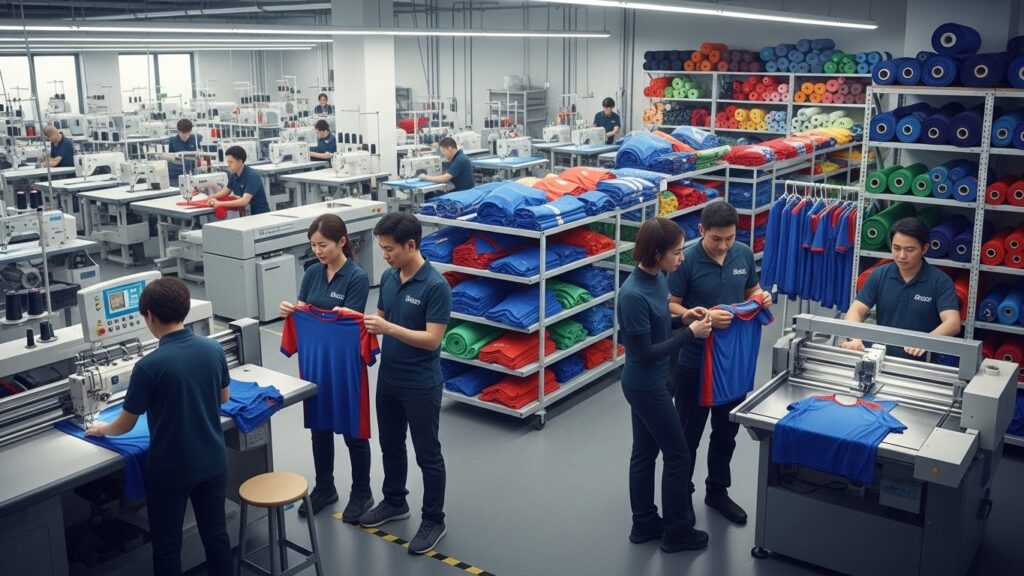
Factory direct sportswear provides a unique advantage in maintaining high-quality standards from stitching to final production. By managing the entire custom sportswear manufacturing process in-house, brands can monitor every detail—from reinforced seams in activewear to flatlock stitching sportswear. This ensures that durable sportswear fabrics are paired with the right stitching types for sportswear, offering long-lasting performance and comfort. Fully customized sportswear benefits significantly from factory direct oversight, allowing b2b sportswear suppliers to deliver consistent, reliable, and professional-grade athletic apparel.
Direct control also guarantees that sportswear stitching techniques meet both functional and aesthetic expectations. Cover stitch for activewear, reinforced seams in activewear, and precise flatlock stitching sportswear methods all contribute to garments that hold up under intense movement. With performance sportswear durability at the forefront, factory direct sportswear ensures long-lasting workout clothes without compromising comfort or design. Brands working with factory direct partners gain confidence that each piece of custom sportswear meets high standards for quality and resilience Contact Us.