Sportswear Manufacturing Cost Breakdown: Fabric to Final Delivery Explained
Introduction
The sportswear manufacturing cost breakdown helps apparel brands understand how much it actually costs to produce performance clothing from start to finish. From fabric sourcing and garment development to packaging and delivery, every stage contributes to the final product price. Without a clear understanding of these costs, sportswear businesses often struggle with pricing strategies, profit margins, and production planning.
For startups, private label brands, and sports teams ordering custom uniforms, knowing where the money goes during production is essential. A clear manufacturing cost structure allows companies to set better wholesale prices, avoid unexpected expenses, and maintain consistent product quality.
In this guide, we explain how sportswear production costs are distributed across different stages of the supply chain. The article also explores practical strategies that apparel businesses can use to optimize production spending while maintaining quality and performance standards.
Understanding the Sportswear Manufacturing Cost Breakdown
Producing athletic apparel involves several interconnected processes. Each step contributes to the total manufacturing cost.
The most common stages include:
| Production Stage | Description |
|---|---|
| Fabric sourcing | Selecting performance fabrics and materials |
| Design & sampling | Creating patterns and product samples |
| Manufacturing | Cutting, stitching, and assembling garments |
| Customization | Printing, logos, and branding |
| Packaging | Labels, tags, and protective wrapping |
| Logistics | Shipping products to buyers |
When brands evaluate these stages together, they gain a clearer understanding of overall production expenses.
Fabric and Material Expenses
Fabric usually represents the largest cost in sportswear production. Performance apparel requires specialized textiles designed for breathability, durability, and moisture management.
Manufacturers commonly use materials such as:
-
Polyester performance fabrics
-
Polyester-spandex blends
-
Mesh ventilation fabrics
-
Compression materials
The price of these materials depends on quality, weight, and technical treatments applied to the fabric.
According to Textile World, advanced synthetic fabrics used in sports apparel now include moisture-wicking and temperature-regulating properties, which can increase material costs but improve garment performance.
A general example of fabric pricing might look like this:
| Fabric Type | Estimated Price per Meter |
|---|---|
| Standard Polyester | $2 – $4 |
| Performance Polyester | $4 – $7 |
| Stretch Performance Fabric | $6 – $10 |
Although higher-end fabrics increase costs, they often improve product value and durability.
Design and Sampling in the Sportswear Manufacturing Cost Breakdown
Before production begins, sportswear brands must invest in product design and sampling. This phase ensures the final garment meets both performance and aesthetic expectations.
Development activities may include:
-
Technical garment design
-
Pattern creation
-
Prototype production
-
Fit adjustments
-
Sample testing
These steps require both time and skilled expertise. As a result, they contribute to early-stage manufacturing costs.
However, the investment often pays off because proper development reduces errors during mass production.
Manufacturing and Labor in the Sportswear Manufacturing Cost Breakdown
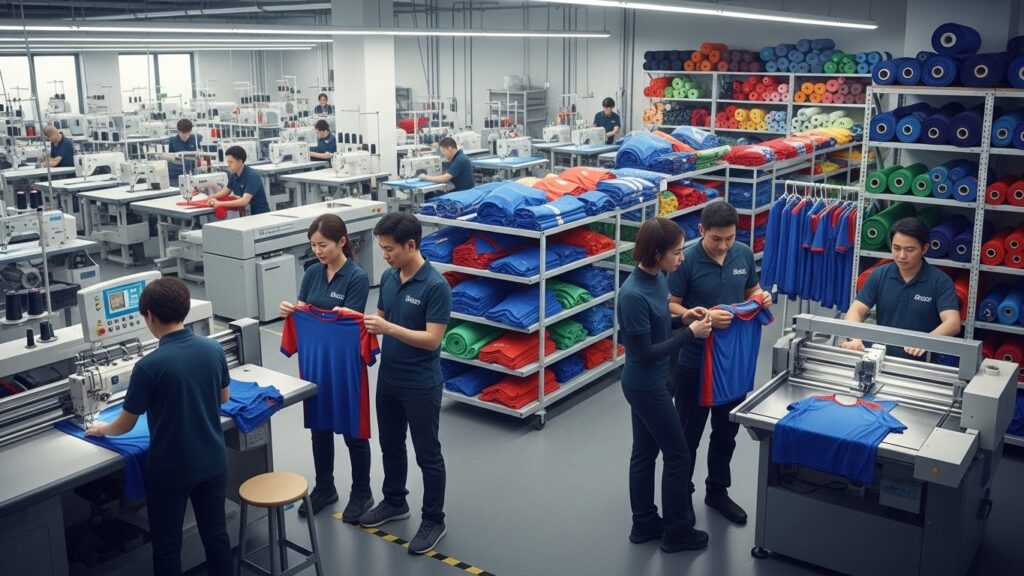
Once the product design is finalized, production moves to the manufacturing stage. Here, raw materials are transformed into finished garments.
This process generally includes:
-
Fabric cutting
-
Panel preparation
-
Stitching and assembly
-
Quality inspection
-
Final finishing
Labor costs vary depending on garment complexity. For example, a simple training shirt requires fewer production steps than a multi-panel performance jersey.
Production cost examples may include:
| Manufacturing Step | Estimated Cost |
|---|---|
| Fabric cutting | $1 – $2 |
| Stitching and assembly | $3 – $5 |
| Quality finishing | $1 – $2 |
To maintain efficiency, many brands rely on experienced manufacturers that specialize in Custom Sportswear Manufacturing and streamlined apparel production processes.
Customization and Branding Costs
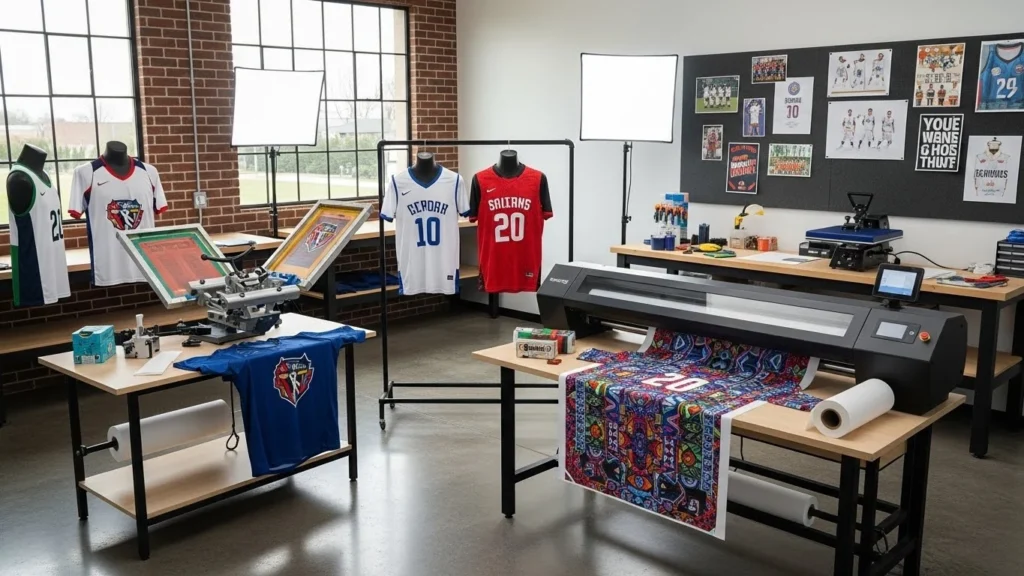
Modern sportswear often requires customization, especially for teams and private-label brands. Printing and branding processes add another layer to the overall production budget.
Common customization techniques include:
-
Sublimation printing
-
Screen printing
-
Heat transfer logos
-
Embroidery
Sublimation printing is particularly popular because it allows complex full-color designs without adding extra fabric weight.
Estimated customization costs may include:
| Customization Method | Average Cost |
|---|---|
| Sublimation printing | $2 – $5 |
| Screen printing | $1 – $3 |
| Embroidery logos | $2 – $6 |
Technological advancements in digital textile printing have expanded customization possibilities. As noted by Packaging Europe, modern digital printing technologies have significantly improved production flexibility and design precision in apparel manufacturing.
Labeling and Packaging
Packaging and labeling are smaller expenses per unit, yet they still play an important role in product presentation and branding.
Typical packaging elements include:
-
Size labels
-
Brand labels
-
Hang tags
-
Poly bags
-
Retail packaging boxes
A simplified packaging cost example may look like this:
| Item | Cost per Unit |
|---|---|
| Brand label | $0.20 |
| Hang tag | $0.30 |
| Poly bag | $0.25 |
Although these costs are relatively small, they can accumulate during large production runs.
Many apparel companies also explore eco-friendly packaging options to improve brand image and sustainability efforts.
Logistics and Delivery in the Sportswear Manufacturing Cost Breakdown
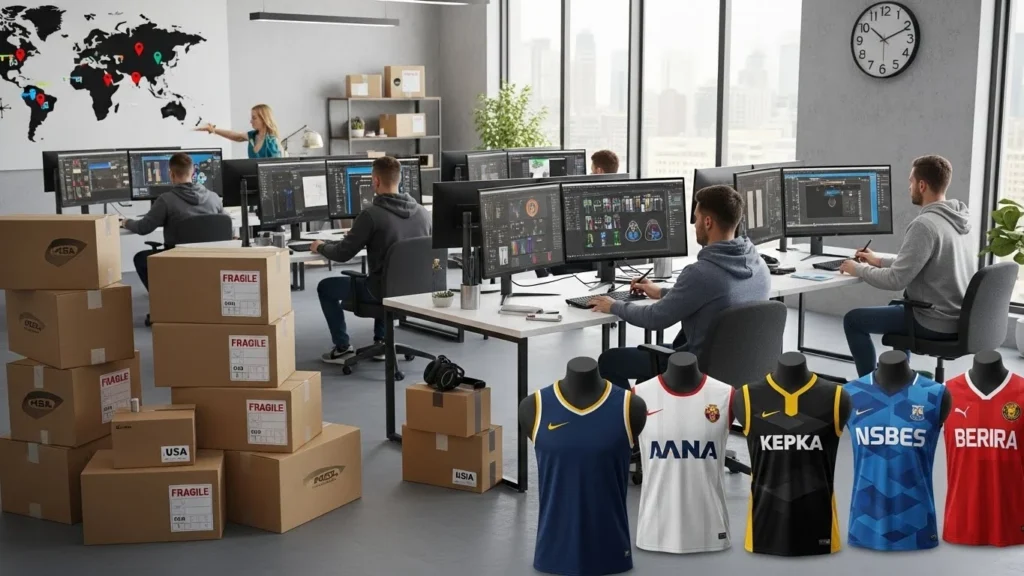
After production is completed, garments must be delivered to warehouses, distributors, or retail partners. Transportation costs therefore represent the final stage of the manufacturing process.
Logistics expenses typically include:
-
Freight transportation
-
Customs duties
-
Insurance
-
Distribution handling
Delivery costs depend on shipping method and distance. For example:
| Shipping Method | Key Characteristics |
|---|---|
| Sea freight | Lower cost, slower delivery |
| Air freight | Higher cost, faster delivery |
Efficient logistics planning has become increasingly important for apparel brands. According to McKinsey Apparel Industry Insights, supply chain optimization is now a major focus for global fashion companies seeking to reduce operational expenses.
Example of a Sportswear Manufacturing Cost Breakdown
To understand how production costs accumulate, consider a simplified example for a custom sports jersey.
| Cost Category | Estimated Cost |
|---|---|
| Fabric | $6 |
| Manufacturing labor | $5 |
| Printing and customization | $3 |
| Packaging | $1 |
| Logistics | $2 |
| Total cost | $17 |
This basic structure helps brands determine wholesale and retail pricing strategies.
For instance, if the total manufacturing cost is $17, a wholesale price might be set around $34, while the retail price could reach approximately $60–$70 depending on brand positioning.
Strategies to Optimize Production Costs
Reducing unnecessary production expenses allows brands to maintain strong profit margins.
Effective strategies include:
-
Ordering fabrics in bulk quantities
-
Simplifying garment panel structures
-
Optimizing production scheduling
-
Reducing fabric waste during cutting
Another important strategy involves working with experienced manufacturers who understand performance apparel production.
Manufacturers such as Bushi Sports® help brands manage production workflows, source appropriate fabrics, and ensure consistent quality across custom sportswear collections.
Why Cost Transparency Matters for Sportswear Brands
Cost transparency helps sportswear brands make smarter decisions when launching new products or expanding their apparel lines.
A well-documented production structure provides several advantages:
-
More accurate product pricing
-
Better financial planning
-
Improved supply chain efficiency
-
Reduced production risks
When brands clearly understand how production expenses are distributed, they can also negotiate more effectively with suppliers and manufacturing partners.
Conclusion
Sportswear production involves many interconnected steps, each contributing to the total manufacturing expense. Fabric sourcing, product development, garment assembly, customization, packaging, and logistics all influence the final cost of producing performance apparel.
By analyzing each stage of the sportswear manufacturing cost breakdown, brands can gain valuable insights into how their products are produced and priced. This understanding allows businesses to optimize manufacturing processes, improve profit margins, and remain competitive in the sportswear industry.
Working with experienced manufacturers can further simplify the production process. Companies like Bushi Sports® support sportswear brands with efficient manufacturing solutions, helping them develop high-quality custom athletic apparel while maintaining cost efficiency.