Sportswear Labeling Requirements for USA, UK & EU Markets
Introduction
Sportswear labeling requirements vary across global markets, and brands aiming to sell in the USA, UK, and EU must comply with specific regulations. Correct labeling ensures consumer safety, prevents legal penalties, and enhances brand credibility. For sportswear manufacturers, understanding these requirements is essential for exporting products, maintaining trust, and meeting market-specific standards.
By following regional labeling standards, brands can communicate critical product information, including material composition, care instructions, size, and country of origin. This article explores the labeling regulations for sportswear in the USA, UK, and EU, highlighting best practices, compliance strategies, and practical tips for manufacturers and retailers.
Why Sportswear Labeling Requirements Is Important
Accurate labeling is not just a legal obligation; it also benefits both brands and consumers:
-
Consumer Safety: Provides washing instructions and materials to prevent allergic reactions.
-
Legal Compliance: Avoids fines, product recalls, and import restrictions.
-
Brand Credibility: Shows professionalism and attention to detail.
Incorrect or incomplete labeling can damage a brand’s reputation and hinder access to international markets. According to McKinsey Apparel Industry Insights, globally compliant labeling significantly reduces product returns and compliance-related issues.
USA Sportswear Labeling Requirements: Fiber, Care & Origin
In the United States, the Federal Trade Commission (FTC) regulates textile labeling through the Textile Fiber Products Identification Act. Key requirements include:
Fiber Content
Labels must accurately list fiber types and percentages. For example:
-
Cotton 80%, Polyester 20%
-
Wool 100%
Country of Origin
All sportswear must indicate where it was made. Examples: “Made in USA,” “Made in China.”
Care Instructions
Labels must include washing, drying, and ironing instructions. Common abbreviations include:
-
Wash cold, tumble dry low
-
Do not bleach
RN (Registered Number)
Manufacturers can include an RN issued by the FTC instead of a company name.
Best Practices:
-
Ensure labels are durable and readable after multiple washes.
-
Place labels in accessible locations, such as inside the neck or waistband.
UK Sportswear Labeling Requirements
After Brexit, the UK follows the UK Textile Products Regulations, closely aligned with EU standards. Key labeling elements include:
Fiber Content
-
Labels must show percentages of each fiber in descending order.
-
Generic terms like “synthetic fibers” are not allowed; specify polyester, nylon, etc.
Care Instructions
-
Use ISO-standardized symbols for washing, drying, and ironing.
-
Symbols must be clearly visible and readable.
Size
-
Include a size designation using standard UK sizing or metric measurements (e.g., chest in cm).
Country of Origin
-
Labels must clearly state where the product was manufactured.
Textile World highlights that UK labeling compliance ensures smoother import approvals and reduces customer complaints.
EU Sportswear Labeling Requirements
The European Union has detailed labeling rules under the EU Textile Regulation (1007/2011). Key aspects include:
Fiber Content
-
Declare exact percentages of each fiber.
-
Use EU-recognized fiber names (e.g., polyamide, elastane).
Care Instructions
-
Use ISO care symbols consistently across garments.
-
Optional multilingual care instructions can improve consumer understanding.
Size
-
Use standard EU sizing systems (S, M, L, XL) or metric measurements.
Country of Origin
-
Clearly state where the product was manufactured.
-
Required for imported products to the EU market.
Additional Considerations
-
Certain EU member states may require eco-labels or CE marking for specialized sportswear equipment.
-
Anti-counterfeiting measures such as holographic tags are becoming more common.
Comparative Table of Sportswear Labeling Requirements
| Requirement | USA | UK | EU |
|---|---|---|---|
| Fiber Content | Must list fibers and percentages | Exact fiber percentages, no generic terms | Exact percentages, recognized fiber names |
| Care Instructions | Text instructions or symbols | ISO symbols recommended | ISO symbols required |
| Size | Standard US sizing | UK sizing or metric | EU sizing or metric |
| Country of Origin | Mandatory | Mandatory | Mandatory |
| Special Notes | RN allowed | None | CE or eco-labels for specialized products |
This table highlights the similarities and subtle differences brands must navigate when exporting sportswear internationally.
Manufacturing Best Practices for Sportswear Labeling Requirements
Use Durable Labels
Labels should withstand repeated washing, friction, and exposure to sweat. Materials like woven polyester labels are commonly used for sportswear.
Consistency Across Products
Maintain consistent formatting, symbols, and font size across all garments to improve brand professionalism.
Multi-Language Labels
For export, consider adding multilingual care instructions for EU or UK markets. This can prevent misinterpretation and reduce customer returns.
Test Labels
Conduct wash and abrasion tests to ensure the label remains readable after multiple uses.
Technology and Sportswear Labeling Requirements
Modern labeling technology can simplify compliance:
-
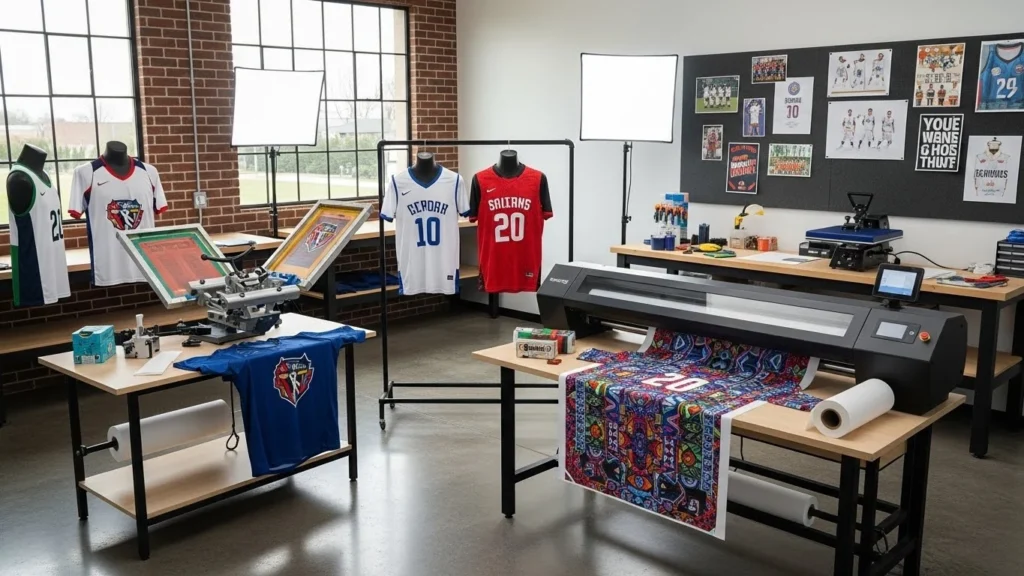
Digital Label Printing: Allows precise fiber, care, and size information to be printed directly on the fabric.
-
RFID and Smart Tags: Embed tracking or product authenticity information.
-
Integrated Compliance Software: Helps manufacturers track labeling requirements for different markets.
Using these tools, brands can reduce errors and speed up production. McKinsey reports that automation in labeling improves efficiency and reduces regulatory penalties for global apparel brands.
The Role of Manufacturers
Partnering with experienced manufacturers ensures accurate labeling:
-
Proper fiber identification and compliance with regional laws
-
Implementation of durable and readable labels
-
Integration of ventilation or ergonomic features without affecting label durability
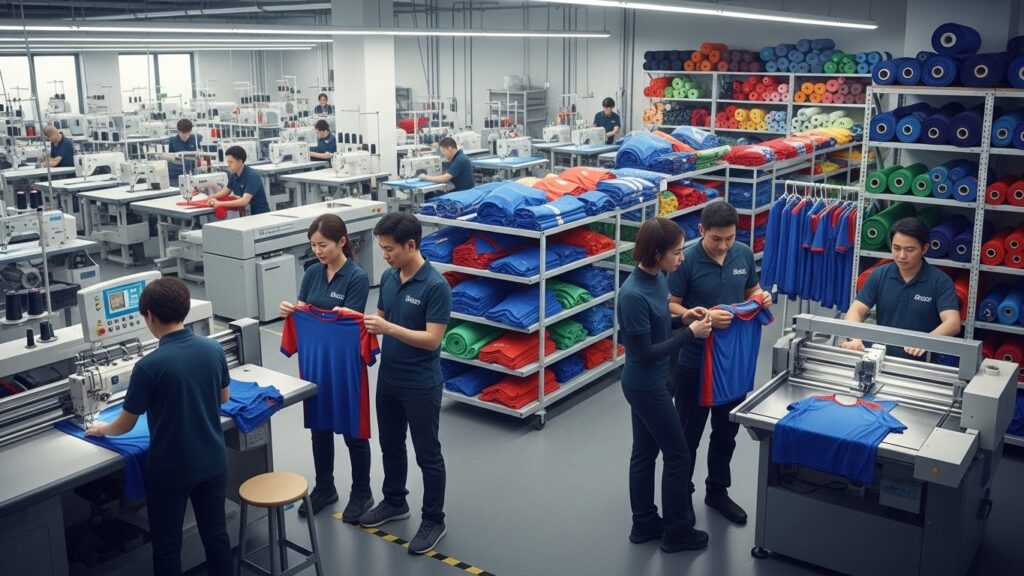
Brands like Bushi Sports® provide comprehensive solutions for custom sportswear production, including accurate labeling for USA, UK, and EU markets. They ensure compliance while maintaining high-quality garment construction for private-label, team uniforms, and performance apparel.
Common Challenges in International Sportswear Labeling Requirements
-
Keeping Up With Changing Regulations: Each region may update standards regularly.
-
Multilingual Requirements: EU markets may require multiple language instructions.
-
Durability: Sportswear undergoes frequent washing and sweat exposure, challenging label longevity.
-
Design Conflicts: Integrating care symbols or fiber content labels without affecting aesthetics requires careful placement.
Brands must stay proactive, testing labels and working with experienced manufacturers to avoid compliance issues.
Marketing Benefits of Compliant Sportswear Labeling |
Beyond legal compliance, proper labeling offers marketing benefits:
-
Transparency: Customers trust brands that provide clear fiber and care information.
-
Eco-Friendly Messaging: Proper labels allow brands to communicate sustainability credentials.
-
Premium Perception: Compliant and high-quality labeling elevates brand image in competitive markets.
Packaging Europe notes that consumers increasingly value clear, informative labels as part of product experience.
Conclusion
Understanding sportswear labeling requirements for USA, UK, and EU markets is essential for brands aiming for international reach. Accurate fiber content, care instructions, sizing, and country-of-origin information are critical to meet regulations and ensure consumer safety.
Partnering with reliable manufacturers such as Bushi Sports® helps brands implement compliant labeling, integrate advanced garment features, and maintain consistent quality. By adhering to regional standards, sportswear brands can confidently enter global markets, enhance customer trust, and avoid costly penalties.