
Sportswear Industry Trends 2026: What B2B Buyers Must Know
The Sportswear Industry Trends 2026 are redefining how global B2B buyers approach sourcing, production, and long-term partnerships. As the market becomes more competitive, wholesalers and private-label brands must look beyond price and focus on sustainability, innovation, and supply chain resilience. In 2026, informed decision-making separates growing brands from those struggling to keep pace.
Moreover, rapid technological advancement and shifting consumer expectations are pushing manufacturers to evolve quickly. Therefore, understanding the direction of the sportswear market is critical for buyers who want stable margins and scalable growth.
Below are the most important developments shaping the year ahead.
Sustainability in Sportswear Industry Trends 2026
Sustainability remains a central driver within Sportswear Industry Trends 2026. Buyers now expect environmentally responsible sourcing, while retailers demand transparency throughout the supply chain.
Manufacturers increasingly offer recycled polyester, regenerated nylon, and organic cotton blends. In addition, low-impact dyeing and reduced water consumption have become standard requirements rather than premium features.
Certifications such as OEKO-TEX® and the Global Recycled Standard help verify compliance. Consequently, B2B buyers must confirm documentation before confirming large-scale orders.
Sustainable production also improves long-term brand positioning. Retailers prefer suppliers that demonstrate measurable environmental responsibility, which strengthens partnership opportunities in competitive markets.
Performance Innovation in 2026 Sportswear Market Trends
Another important shift within Sportswear Industry Trends 2026 is the continued rise of performance-driven materials. Today’s consumers expect functionality as much as style.
Modern sportswear fabrics now integrate:
-
Moisture management systems
-
Temperature regulation
-
Anti-odor treatments
-
Stretch recovery technology
-
UV protection
Furthermore, research from McKinsey & Company’s State of Fashion Report highlights innovation as a primary growth engine in activewear. This means B2B buyers must evaluate suppliers based on their research and development capabilities.
Partnering with manufacturers that invest in fabric testing and performance upgrades enables brands to compete in premium segments. As a result, innovation directly influences profitability.
Agile Production as a Core Sportswear Industry Trend 2026
Speed-to-market plays a defining role in current sportswear industry trends. Social media launches and seasonal campaigns create unpredictable demand spikes. Therefore, buyers increasingly prefer manufacturers that offer flexible production systems.
Low minimum order quantities, digital sampling approvals, and faster lead times have become essential. In addition, nearshoring strategies reduce dependency on distant supply chains.
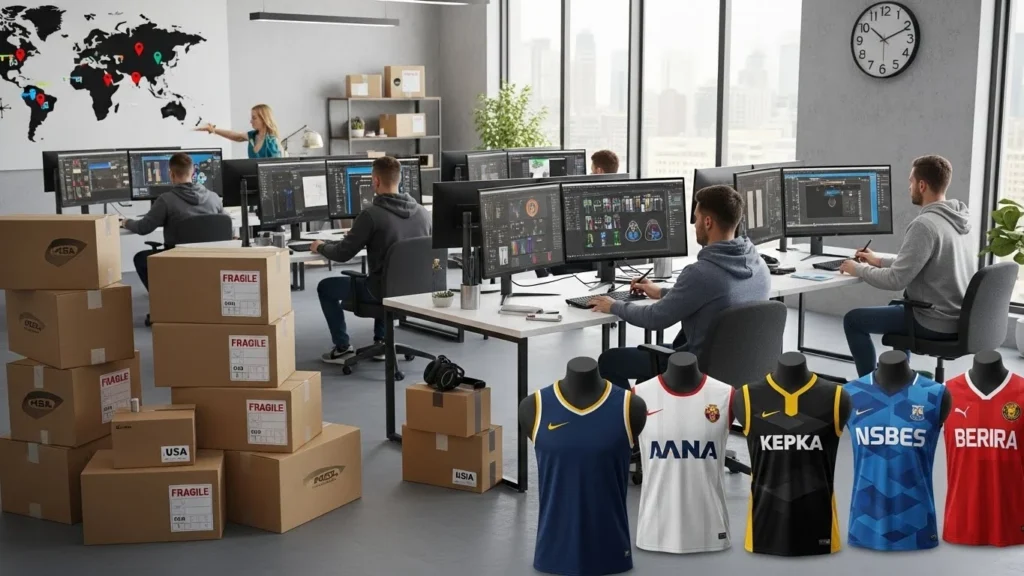
Efficient logistics management also supports profitability. According to DHL’s Global Logistics Insights, streamlined freight planning reduces operational disruptions and improves inventory flow.
For B2B buyers, this means supplier reliability is just as important as pricing. Quick adaptation to demand changes strengthens retailer confidence and repeat contracts.
Supply Chain Diversification in 2026
Recent global disruptions have encouraged brands to diversify sourcing strategies. Instead of relying on a single country or production hub, companies now distribute orders across multiple regions.
This approach reduces geopolitical risk and shipping delays. Moreover, diversified sourcing improves negotiation leverage and pricing transparency.
However, diversification must be strategic rather than reactive. Buyers should assess quality consistency, communication efficiency, and production capacity before expanding supplier networks.
Strong partnerships built on reliability offer more value than short-term cost savings.
Data-Driven Buying Decisions
Technology continues influencing purchasing strategies. Advanced forecasting tools now allow brands to analyze demand patterns, seasonal shifts, and regional preferences.
According to Statista’s Activewear Market Data, global sportswear revenue continues to rise steadily. Consequently, competition for market share intensifies, and accurate forecasting becomes crucial.
Digital inventory systems improve collaboration between buyers and manufacturers. As a result, restocking decisions become more precise, reducing overproduction and excess storage costs.
Data-backed planning also improves cash flow management, which is especially important for growing private-label brands.
Ethical Manufacturing and Transparency
Ethical standards remain central to sportswear industry trends heading into 2026. Consumers increasingly demand proof of fair labor practices, and retailers require documented compliance.
Organizations such as the Fair Wear Foundation provide guidelines that strengthen supply chain credibility. Therefore, B2B buyers should request audit reports, wage compliance documentation, and workplace safety certifications.
Transparency builds long-term trust. In addition, ethical sourcing enhances brand reputation in international markets where regulatory oversight continues increasing.
Customization and Private Label Growth
Private-label expansion continues shaping the sportswear landscape. Retailers seek higher margins and stronger brand identity, which makes customization essential.
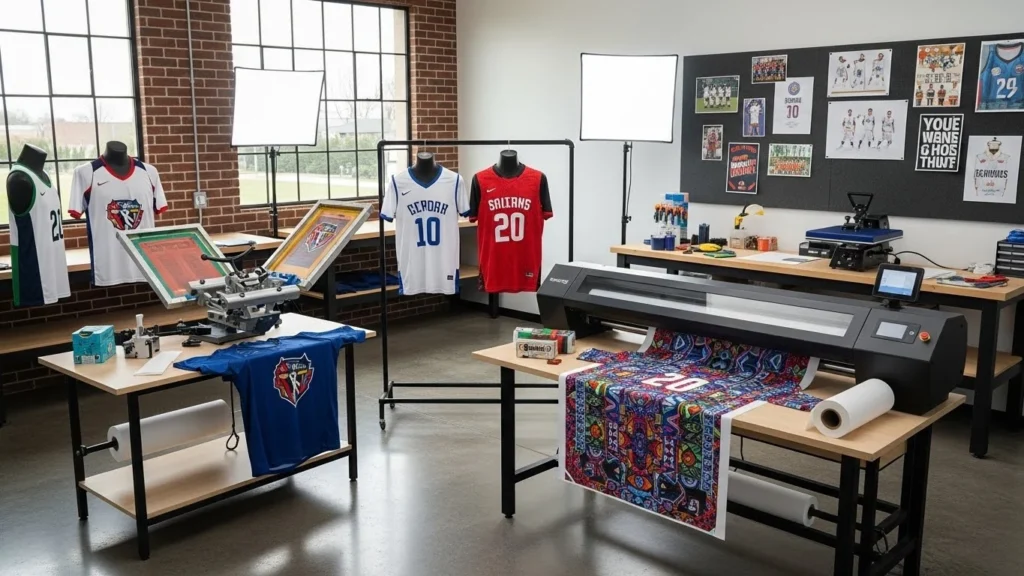
Manufacturers now provide advanced options such as sublimation printing, embroidery, premium labeling, and specialized packaging. Digital 3D garment rendering also reduces sampling errors and speeds approval cycles.
Because product differentiation matters more than ever, customization helps brands stand out in crowded marketplaces.
Buyers who collaborate closely with design-focused manufacturers can launch unique collections while maintaining quality standards.
Why Bushi Sports Aligns with 2026 Market Demands
As Sportswear Industry Trends 2026 emphasize sustainability, agility, and innovation, selecting the right manufacturing partner becomes critical.
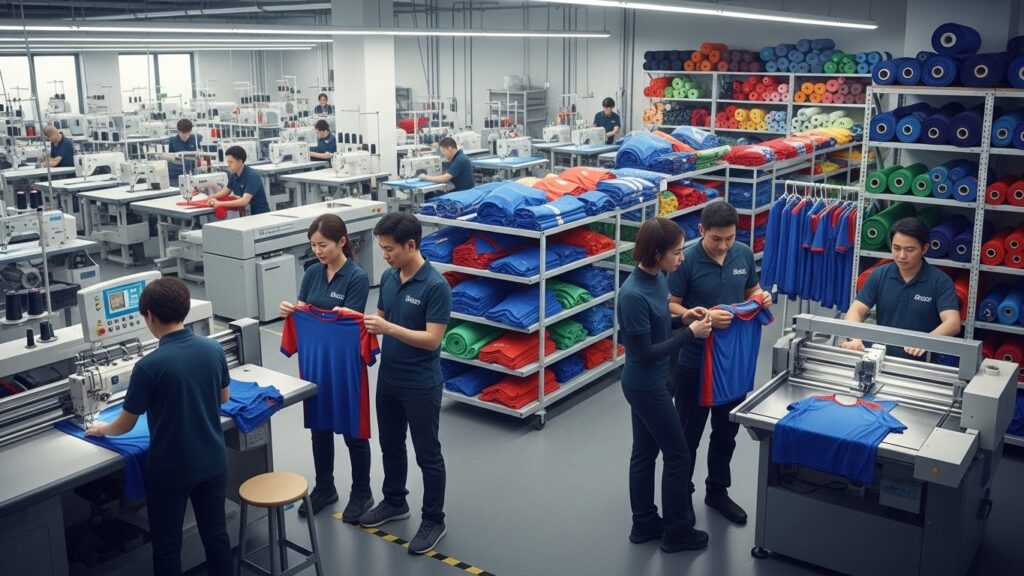
Bushi Sports aligns with these priorities by combining performance fabrics, responsible sourcing, and scalable production systems. The company focuses on durable material selection, efficient workflow management, and transparent communication.
Moreover, Bushi supports private-label brands with customization capabilities and flexible order quantities. This allows B2B buyers to test collections confidently before expanding production.
Because supply chain reliability defines success in 2026, working with a partner that values consistency and long-term collaboration creates measurable advantages.
Strategic Pricing and Long-Term Growth
Raw material costs continue fluctuating globally. Therefore, buyers must evaluate total production value rather than focusing solely on unit price.
Long-term contracts often provide more stability than short-term negotiations. Additionally, forecasting demand accurately reduces overstock risks and improves margin control.
Brands that align cost management with quality assurance gain sustainable growth opportunities. Ultimately, profitability depends on balancing innovation, sourcing strategy, and operational efficiency.
Conclusion: Preparing for the Future of Sportswear
The Sportswear Industry Trends 2026 reveal a market driven by sustainability, performance innovation, digital planning, and supply chain resilience. Design alone no longer guarantees success. Instead, informed sourcing and strategic partnerships determine competitive positioning.
B2B buyers who prioritize ethical manufacturing, agile production systems, and advanced fabric technology will strengthen their market presence. Meanwhile, brands that adapt quickly to these changes will secure long-term profitability.
In an increasingly competitive environment, understanding these developments ensures smarter decisions and stronger partnerships throughout 2026 and beyond.