Sportswear Import Duties, Tariffs & HS Codes Explained for Apparel Brands
Introduction
For sportswear brands sourcing products internationally, understanding sportswear import duties and HS codes is essential for managing costs and ensuring smooth global trade. When importing custom jerseys, team uniforms, or athletic apparel, governments apply tariffs and duties based on product classification systems known as HS codes. These codes determine how products are taxed and processed at customs checkpoints.
Many apparel startups and sports organizations underestimate how significantly import duties can impact the final cost of sportswear products. A misclassified product or incorrect HS code can lead to higher taxes, shipment delays, or even penalties from customs authorities. For brands importing sports jerseys or private label sportswear, learning how these systems work is a critical part of building an efficient supply chain.
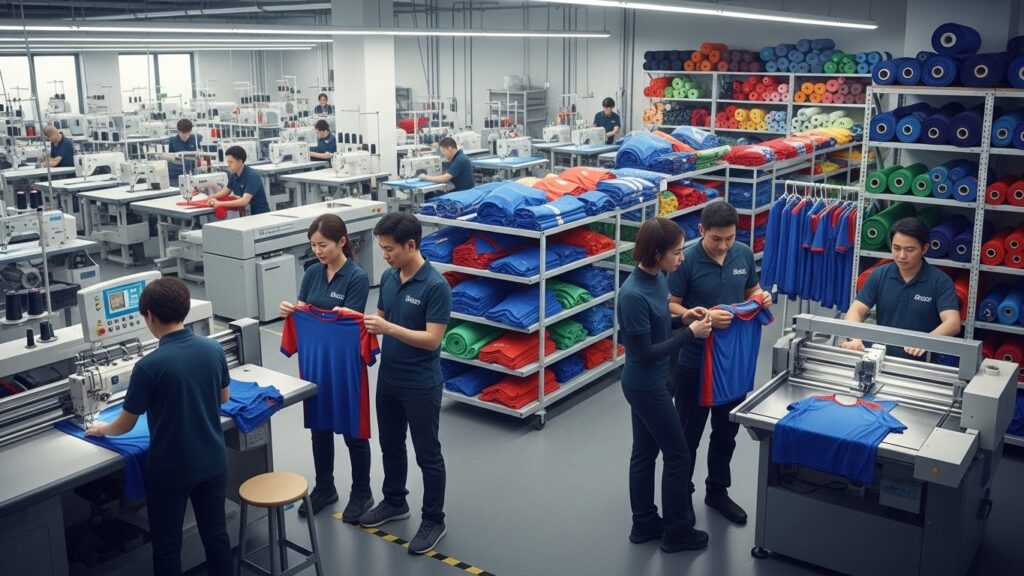
Professional manufacturers like Bushi Sports® regularly work with international sportswear buyers and understand how proper product classification and documentation help streamline global apparel trade. By understanding import duties and HS codes, sportswear companies can better control production costs and avoid unexpected financial risks.
Understanding Sportswear Import Duties and HS Codes
To successfully manage global sourcing, apparel businesses must understand the fundamentals of sportswear import duties and HS codes.
Import duties are taxes that governments apply to goods entering their country. These duties are usually calculated as a percentage of the product’s declared value. The percentage depends on several factors, including the product category, material composition, and country of origin.
In the sportswear industry, import duties may vary depending on whether the product is made from polyester, cotton, or performance fabric blends. Additionally, knitted sports jerseys may be taxed differently than woven athletic jackets.
HS codes—short for Harmonized System codes—are used worldwide to classify goods. According to the International Organization for Standardization ISO, standardized classification systems are critical for maintaining consistency in international trade documentation and customs processes.
For sportswear brands importing apparel products, accurate HS code classification ensures the correct tariff rates are applied.
How Sportswear Import Duties and HS Codes Work in Apparel Trade
Understanding how sportswear import duties and HS codes operate in real trade scenarios helps apparel businesses avoid costly mistakes.
The Harmonized System divides products into structured categories that help customs authorities identify imported goods. Sportswear generally falls under two main apparel chapters:
-
Chapter 61: Knitted or crocheted apparel
-
Chapter 62: Woven apparel products
Within these categories, each product receives a more specific code.
For example:
| Sportswear Product | Typical HS Category |
|---|---|
| Sports jerseys | 6109 |
| Performance T-shirts | 6109 |
| Athletic shorts | 6103 |
| Training jackets | 6201 |
| Sports hoodies | 6110 |
These codes allow customs officials to apply appropriate tariffs when goods enter a country.
Brands working with experienced manufacturers offering custom sportswear manufacturing solutions often receive assistance with proper classification and export documentation, reducing the risk of customs issues.
Why Sportswear Import Duties and HS Codes Matter for Sportswear Brands
For sportswear startups and established apparel brands alike, understanding sportswear import duties and HS codes is critical for several operational reasons.
Accurate Cost Planning
Import duties directly affect the landed cost of a product. Landed cost includes:
-
Manufacturing price
-
Shipping and freight
-
Import duties
-
Customs clearance fees
-
Warehousing and logistics costs
Without correct HS classification, apparel businesses may underestimate their total expenses.
Preventing Customs Delays
Incorrect HS codes or incomplete documentation can trigger customs inspections. This can result in:
-
Shipment delays
-
Storage fees at ports
-
Additional customs penalties
Working with export-experienced manufacturers like Bushi Sports® helps reduce these risks because documentation is typically prepared according to international trade standards.
Compliance With International Regulations
Customs authorities rely on HS codes to track global trade statistics and enforce regulatory policies.
According to Textile World, the apparel industry is one of the most globally traded manufacturing sectors, making accurate classification systems essential for international commerce.
Common HS Codes Used in Sportswear Import Duties and HS Codes Classification
Understanding the common classifications used in sportswear import duties and HS codes can help apparel buyers correctly categorize their products before importing.
Below are some commonly used HS classifications for sportswear items:
| Product Type | Example HS Code |
|---|---|
| Polyester sports jerseys | 6109 |
| Athletic training pants | 6103 |
| Performance sports shirts | 6109 |
| Track jackets | 6201 |
| Sports hoodies | 6110 |
| Team uniforms | 6114 |
However, exact classifications often depend on several factors such as:
-
Fiber composition
-
Knitted vs woven construction
-
Intended use of the garment
Because of these variables, brands often consult customs brokers or manufacturers before shipping goods internationally.
Key Factors That Influence Sportswear Import Duties and HS Codes
Several variables influence how sportswear import duties and HS codes are applied when products enter international markets.
Fabric Composition
The material used in sportswear production can affect tariff rates.
Examples include:
-
Polyester performance fabrics
-
Cotton athletic apparel
-
Nylon training gear
-
Blended sports fabrics
Different materials fall under different tariff brackets.
Country of Origin
The manufacturing country plays an important role in determining duty rates.
Some countries benefit from preferential trade agreements that reduce or eliminate apparel tariffs.
Product Construction
Knitted sportswear items are classified differently from woven garments. This distinction often changes the HS code category applied during customs clearance.
These small classification differences can have a noticeable impact on the final duty percentage applied to the product.
How Manufacturers Help Manage Sportswear Import Duties and HS Codes
Experienced sportswear manufacturers can play a major role in helping brands manage sportswear import duties and HS codes during international shipments.
Proper Export Documentation
Professional manufacturers provide detailed export documents including:
-
Commercial invoices
-
Packing lists
-
HS code classification
-
Certificates of origin
These documents are required by customs authorities to process shipments efficiently.
Accurate Product Specifications
Manufacturers must clearly declare product details such as:
-
Fabric type
-
Fabric weight
-
Garment construction
-
Intended product category
Providing transparent product data ensures customs officials classify garments correctly.
International Shipping Experience
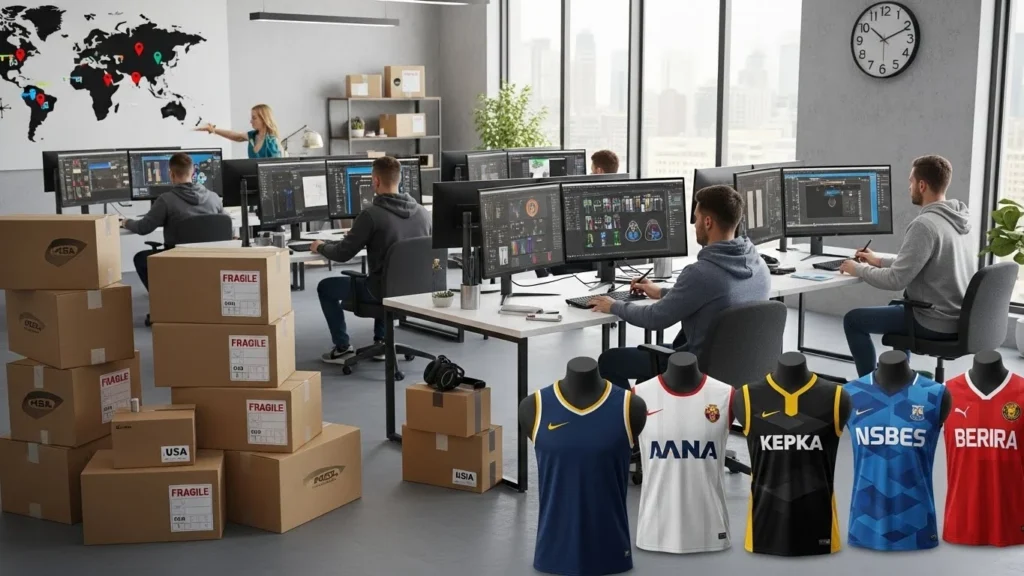
Manufacturers working with global clients understand export documentation requirements for different regions.
For example, companies like Bushi Sports® frequently supply custom sports jerseys and team uniforms to international markets, helping apparel buyers maintain efficient cross-border supply chains.
According to McKinsey Apparel Industry Insights, apparel companies that optimize their supply chains and sourcing strategies are significantly better positioned to compete in the global fashion market.
Practical Tips for Managing Sportswear Import Duties and HS Codes
Sportswear brands can take several practical steps to better manage sportswear import duties and HS codes when importing apparel products.
Verify HS Codes Before Shipping
Always confirm the correct HS code before exporting or importing sportswear items.
Work With Customs Brokers
Professional customs brokers specialize in product classification and can help prevent misclassification errors.
Track Trade Policy Changes
Tariffs and import regulations change frequently due to trade agreements or economic policies.
Brands that monitor these changes can adjust sourcing strategies accordingly.
Consolidate Shipments
Combining multiple orders into larger shipments may reduce logistics costs and simplify customs procedures.
Conclusion
Understanding sportswear import duties and HS codes is a fundamental part of operating a successful international sportswear business. These classifications determine how athletic apparel products are taxed, documented, and processed during global trade.
For sportswear brands importing jerseys, team uniforms, or performance apparel, accurate HS code classification helps ensure correct duty calculations, smooth customs clearance, and predictable landed costs. Businesses that invest time in understanding these trade systems gain a major advantage when scaling their global supply chains.
Partnering with experienced sportswear manufacturers can further simplify the process. Companies like Bushi Sports® help sportswear brands develop high-quality custom jerseys and team uniforms while supporting the documentation and compliance required for efficient international apparel exports.