Women’s activewear has become one of the most technically demanding categories in sportswear manufacturing because performance apparel for female athletes requires far more than simple fabric construction. Unlike ordinary gym clothing, sports bras must provide movement control, pressure distribution, moisture management, flexibility, and long-term comfort simultaneously during physically demanding athletic activity.
Because of this complexity, a modern sports bra manufacturer operates within one of the most engineering-focused segments of the global activewear industry.
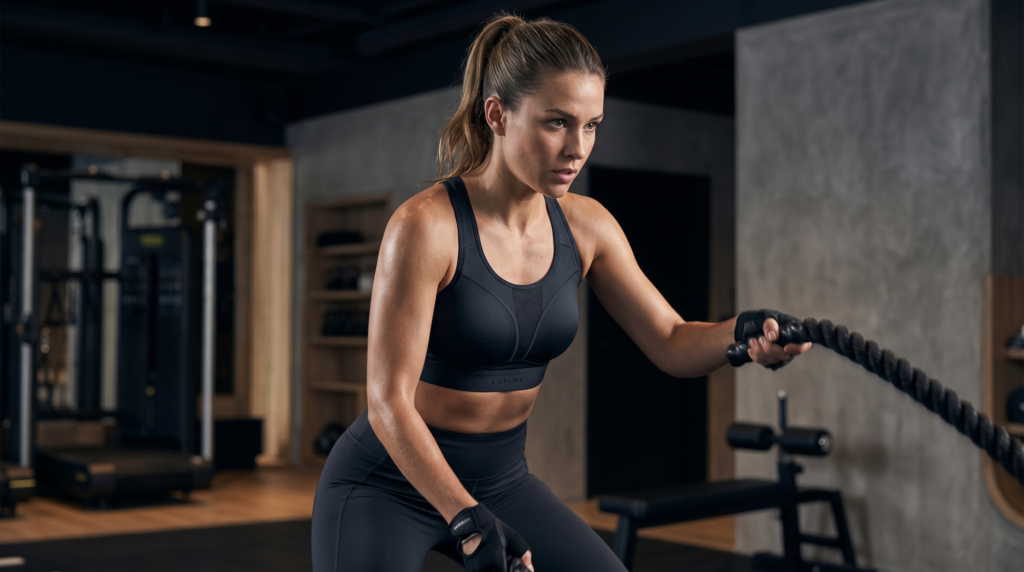
The modern sports bra is no longer viewed as only a fitness accessory. It has become a critical performance garment used across running, functional training, yoga, CrossFit, cycling, gym workouts, and professional sports environments. Athletes now expect sports bras capable of delivering technical support while still maintaining lightweight comfort and fashionable aesthetics.
As women’s participation in sports and fitness continues expanding worldwide, demand for technically advanced support apparel has increased rapidly. This has encouraged many activewear brands to collaborate with custom sportswear manufacturing companies capable of producing scalable women’s fitness apparel collections with advanced support engineering systems.
Unlike many traditional apparel products, sports bra manufacturing relies heavily on biomechanics, textile science, and ergonomic garment architecture.
Why Support Engineering Is the Foundation of Sports Bra Manufacturing
Support remains the single most important factor in sports bra development because athletic movement creates continuous impact stress during exercise. Running, jumping, sprinting, and strength training all generate repetitive body motion that can create discomfort without proper garment stabilization.
A professional sports bra manufacturer therefore focuses heavily on support engineering rather than simple fashion-oriented construction.
Recent breast movement research continues demonstrating how sports bras significantly reduce physical discomfort during high-impact athletic activity by limiting excessive movement through compression and encapsulation systems.
Modern sports bras generally use three core support approaches:
- compression support
- encapsulation support
- hybrid support systems
Compression-based sports bras hold the body closer to the chest using elastic pressure systems, while encapsulation designs provide individual structural support zones. Hybrid systems combine both approaches to balance flexibility and stabilization during movement-intensive activities.
Unlike ordinary undergarments, sports bras are specifically engineered around athletic biomechanics. Manufacturers carefully study movement patterns during exercise to determine how garments should distribute pressure without limiting mobility or breathing comfort.
This has transformed sports bra manufacturing into a highly specialized technical discipline within activewear production.
Seam Construction Plays a Bigger Role Than Most Consumers Realize
One of the least visible but most important elements in sports bra manufacturing involves seam engineering.
Poor seam placement can create:
- skin irritation
- pressure discomfort
- limited flexibility
- reduced garment lifespan
Because of this, a modern sports bra manufacturer carefully designs seam positioning around body movement zones to reduce friction during workouts.
Many high-performance sports bras now use:
- flatlock seam systems
- seamless knitting technologies
- bonded construction methods
- reinforced elastic integration
These construction methods help improve comfort during repetitive movement while reducing fabric irritation during long workout sessions.
Recent compression garment engineering research highlights how pressure distribution systems influence comfort and support performance in activewear garments designed for athletic movement.
Unlike ordinary stitched apparel, sports bras require balanced seam tension because excessive rigidity can restrict movement while loose construction reduces support effectiveness.
This balance between stability and flexibility has become one of the most technically demanding aspects of women’s activewear manufacturing.
Fabric Selection Directly Affects Athletic Performance
The materials used in sports bra production play a major role in determining both comfort and support quality.
A reliable sports bra manufacturer carefully selects fabrics based on:
- elasticity
- recovery strength
- sweat management
- compression performance
- long-term durability
Modern sports bras commonly use synthetic blends containing polyester, nylon, elastane, and spandex because these materials maintain structural support while allowing flexibility during movement.
Unlike cotton fabrics that absorb sweat and lose stability under moisture exposure, technical synthetic fabrics are designed specifically for activewear performance.
Recent performance fabric innovation analysis continues showing how modern textile systems are improving flexibility and support across fitness apparel manufacturing.
Manufacturers also increasingly integrate mesh ventilation panels around heat-intensive body zones to improve airflow during training.
| Activewear Requirement | Technical Manufacturing Solution |
|---|---|
| Impact reduction | Compression support systems |
| Sweat management | Moisture-control textiles |
| Long workout sessions | Seamless comfort construction |
| Movement flexibility | Stretch-performance fabrics |
Rather than focusing only on aesthetics, a sports bra manufacturer must prioritize structural garment performance throughout every stage of production.
Fashion Has Become a Major Influence in Sports Bra Development
One of the biggest changes in activewear over the past decade has been the merging of fitness apparel and fashion culture.
Sports bras are now frequently worn:
- as standalone gym tops
- in athleisure styling
- during outdoor fitness activities
- within lifestyle activewear collections
Because of this, a modern sports bra manufacturer must now combine technical engineering with fashion-oriented garment presentation.
Many brands increasingly prioritize:
- modern silhouettes
- minimal seam visibility
- coordinated color collections
- premium fabric texture
Recent rise of performance fashion analysis explains how activewear has become deeply integrated into modern fashion retail and consumer lifestyle trends.
This transition has encouraged manufacturers to develop sports bras that deliver athletic support while also functioning as visually appealing fashion products.
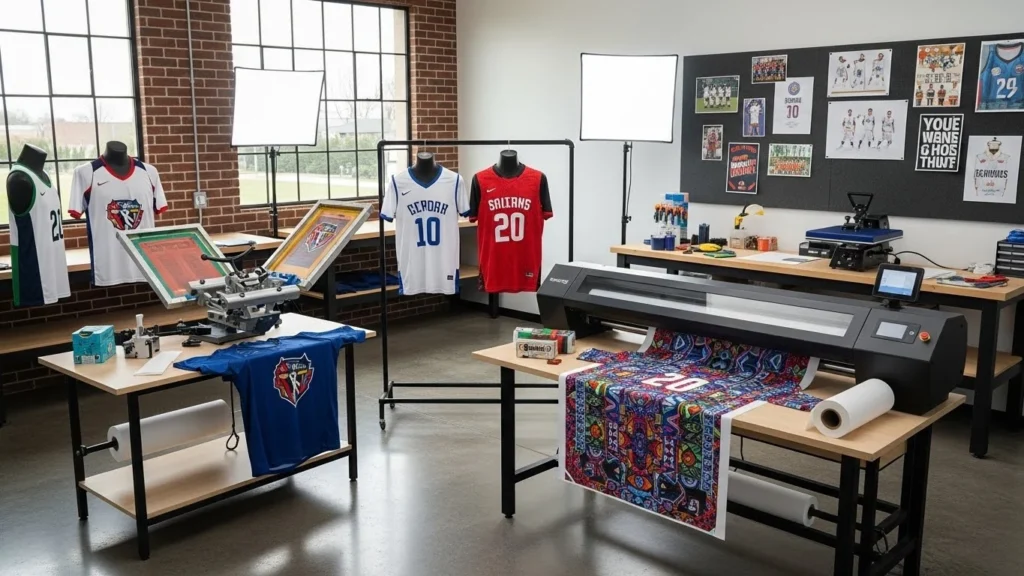
Many activewear companies now collaborate with sublimation sportswear specialists capable of producing lightweight customized branding systems without affecting garment flexibility or comfort.
OEM Manufacturing Has Expanded Women’s Activewear Markets
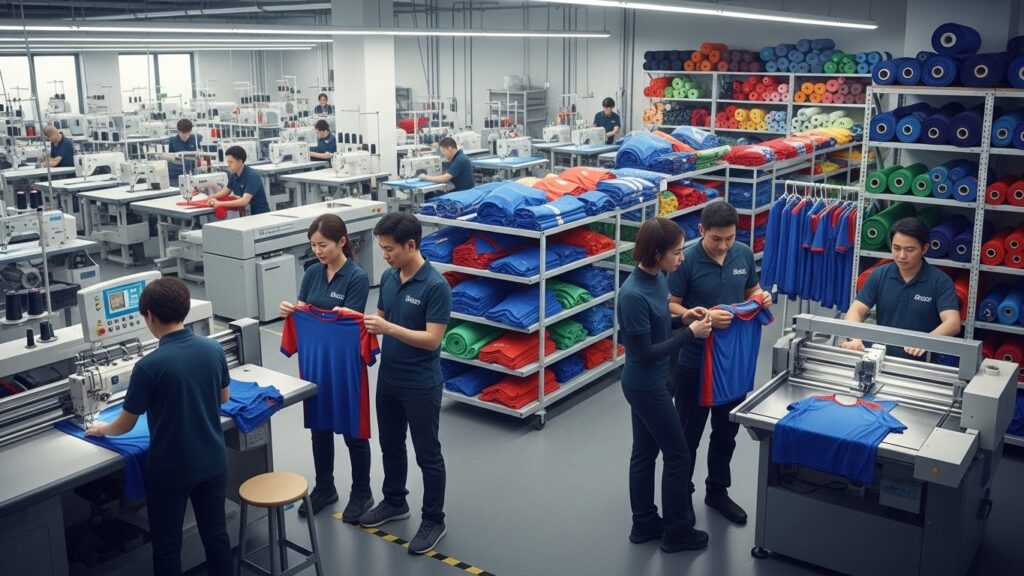
OEM production has become one of the most important systems in modern activewear manufacturing because it allows sportswear companies to scale efficiently without building independent production facilities.
Many fitness brands now collaborate directly with OEM athletic apparel manufacturers responsible for:
- fabric sourcing
- sizing systems
- sample development
- technical garment testing
- bulk production operations
This structure allows brands to focus more heavily on:
- fitness influencer partnerships
- e-commerce growth
- athlete marketing
- retail expansion
A scalable sports bra manufacturer commonly works with:
- women’s fitness brands
- gym apparel startups
- yoga apparel companies
- activewear retailers
Many businesses also collaborate with private label sportswear manufacturing providers capable of producing customized women’s activewear collections under independent brand identities.
Women’s Activewear Is Moving Toward Adaptive Apparel Systems
The future of sports bra manufacturing is increasingly focused on adaptive support systems capable of adjusting to different workout intensities and body movement conditions.
Manufacturers are now exploring:
- smart compression textiles
- seamless adaptive knitting
- lightweight recycled fabrics
- flexible support mapping
Recent women’s activewear evolution analysis highlights how consumers increasingly prioritize comfort-driven activewear capable of functioning across both fitness and everyday environments.
This has encouraged brands to develop sports bras that feel lighter while still maintaining technical support performance during demanding workouts.
As women’s activewear continues evolving globally, manufacturers capable of combining:
- technical support engineering
- comfort optimization
- modern aesthetics
- scalable production
will likely remain highly competitive throughout the future activewear market.
Conclusion
Women’s fitness apparel manufacturing has evolved into a highly specialized technical industry where support engineering, ergonomic construction, and modern fashion presentation all work together.
A reliable sports bra manufacturer now plays a critical role in modern activewear development by creating garments capable of supporting athletic movement while maintaining flexibility, comfort, and durability.
From compression support systems and seamless sports bra construction to OEM production and private label activewear manufacturing, professional manufacturing partnerships continue shaping the future of women’s fitness apparel.
Businesses seeking scalable women’s activewear manufacturing and advanced support apparel production solutions can explore professional services through Bushi Sports®.