Shipping and Logistics Explained for Sportswear Buyers
For sportswear brands, understanding shipping and logistics for sportswear is crucial. Efficient logistics not only reduces costs but also ensures that products reach customers on time, maintain quality, and enhance the overall shopping experience. Thus, without a clear understanding of shipping options, delivery timelines, and customs regulations, buyers risk delays, damaged shipments, and dissatisfied customers.
Indeed, from retail brands managing seasonal releases to teamwear suppliers handling bulk orders, logistics play a central role in operational success. Moreover, manufacturers such as Bushi Sports emphasize early planning and coordination to optimize shipping routes, packaging, and transport methods. Finally, by mastering shipping and logistics, brands maintain product integrity, reduce operational risks, and improve customer satisfaction.
Why Shipping and Logistics Matter for Sportswear Buyers
Shipping and logistics affect nearly every aspect of sportswear operations. From procurement to customer delivery, logistics decisions impact costs, timelines, and product quality. Efficient logistics provide multiple benefits:
-
Ensure timely delivery for seasonal collections or team orders
-
Reduce risks of product damage during transport
-
Minimize shipping costs through optimized packaging and routing
-
Improve customer experience and trust in the brand
Moreover, poor logistics management can lead to costly errors, such as delayed launches, high return rates, or inventory shortages. Therefore, sportswear buyers must proactively manage logistics rather than relying solely on manufacturers or shipping providers.
Understanding Shipping Options for Sportswear
Next, sportswear buyers need to choose appropriate shipping methods based on order size, urgency, and destination. Key options include:
Air Freight: Ideal for urgent deliveries, air freight offers fast transit times, typically 3–7 days internationally. However, it comes at a higher cost and may limit shipment volume. Brands often use air freight for high-value sportswear, limited editions, or last-minute orders.
Sea Freight: For bulk shipments or non-urgent orders, sea freight is cost-effective. Shipping times vary depending on port location and customs processing, usually 20–40 days. For instance, sea freight requires careful planning, as longer transit times can affect seasonal launches and inventory turnover.
Courier Services: Couriers like DHL, FedEx, or UPS offer door-to-door delivery with tracking. This method suits smaller shipments, samples, or individual customer orders. Couriers provide reliable service but may be costlier for large volumes compared to freight options.
Hence, choosing the right shipping method depends on your priorities: speed, cost, or shipment size. Many sportswear buyers balance these factors based on seasonal demand and product type.
Packaging Considerations in Sportswear Logistics
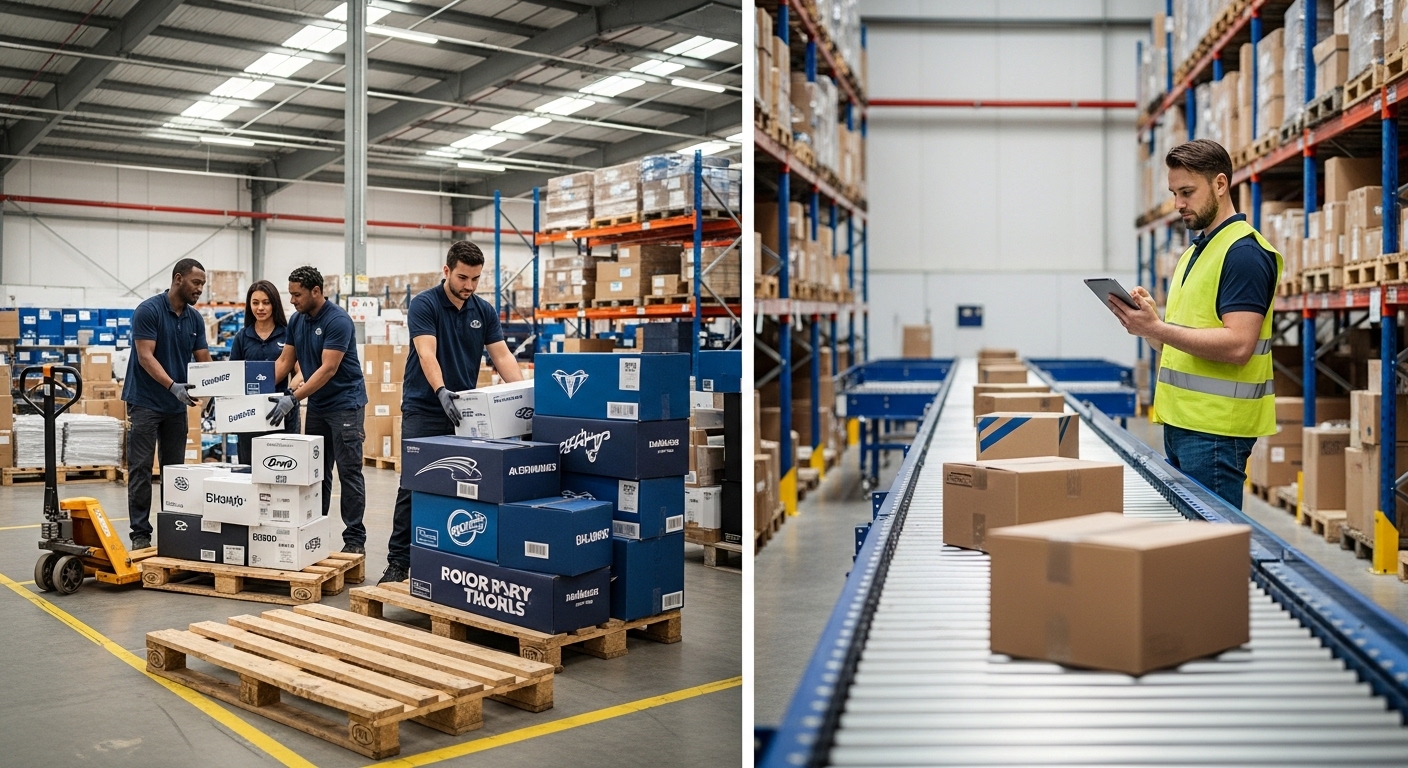
Proper packaging protects sportswear products during shipping and enhances brand presentation. Buyers should pay attention to:
-
Material Protection: Use sturdy boxes, padded envelopes, or garment bags to prevent tears, wrinkles, or moisture damage.
-
Efficient Space Usage: Optimize packaging to reduce shipping volume, which lowers freight costs.
-
Branding Elements: Include branded packaging, labels, or inserts to create a premium experience for customers.
-
Sustainability: Use recyclable or eco-friendly packaging materials to reduce environmental impact and appeal to eco-conscious consumers.
However, manufacturers like Bushi Sports often provide guidance on packaging options that balance protection, cost, and aesthetics. Properly packaged sportswear arrives in excellent condition and reinforces a positive brand image.
Key Logistics Steps for Sportswear Buyers
Successful logistics management involves multiple steps:
-
Order Planning: Forecast demand and prepare orders in advance. Accurate forecasting prevents last-minute shipping stress and inventory shortages.
-
Inventory Management: Track stock levels, warehouse locations, and reorder points. Effective inventory systems reduce delays and overstocking.
-
Carrier Selection: Choose reliable carriers for the destination, balancing cost, speed, and risk. Compare multiple providers to find the best fit.
-
Customs and Documentation: Ensure proper documentation, such as commercial invoices, packing lists, and certificates of origin, for smooth customs clearance.
-
Tracking and Communication: Use tracking tools to monitor shipments and communicate status updates with retailers, teams, or end customers.
As a result, these steps reduce errors, optimize delivery times, and create a seamless supply chain for sportswear brands.
Understanding Customs and Import Regulations
International shipments involve customs procedures that can affect timelines and costs. Sportswear buyers should know:
-
HS Codes: Harmonized System codes classify products for tariffs and import duties. Using accurate codes ensures proper taxation and avoids delays.
-
Duties and Taxes: Calculate import duties and VAT to estimate total landed cost.
-
Restricted Materials: Certain fabrics or chemicals may have restrictions; ensure compliance with local regulations.
-
Documentation Accuracy: Errors in invoices, packing lists, or certificates of origin can lead to shipment holds or fines.
In fact, proper customs planning prevents unexpected fees and avoids delays, especially when importing bulk sportswear from overseas manufacturers like Bushi Sports.
Risk Management in Sportswear Shipping
Shipping sportswear carries risks that buyers must mitigate:
-
Damage in Transit: Clothes may tear, wrinkle, or get wet. Insist on protective packaging and insurance.
-
Lost Shipments: Track shipments and use reliable carriers with delivery guarantees.
-
Delays: Plan for seasonal congestion, customs delays, or carrier backlogs.
-
Cost Overruns: Optimize shipping methods, packaging, and consolidation to control costs.
Active risk management ensures that sportswear arrives safely, on time, and within budget.
Warehouse and Fulfillment Strategies
For sportswear buyers managing bulk shipments, warehouse strategy matters. Key practices include:
-
Centralized Warehousing: Store inventory in a single location to simplify order fulfillment and reduce shipping costs.
-
Regional Fulfillment Centers: For large markets, regional centers reduce delivery time and shipping costs to end customers.
-
Inventory Tracking Systems: Implement real-time tracking for stock levels, order processing, and shipment management.
Efficient warehouse and fulfillment management supports timely delivery and reduces operational errors.
Shipping Cost Optimization
Controlling logistics costs directly impacts profitability. Buyers can reduce costs by:
-
Consolidating shipments to maximize freight efficiency
-
Negotiating volume discounts with carriers
-
Using packaging that minimizes dimensional weight
-
Combining sea freight for bulk orders with air freight for urgent deliveries
Moreover, manufacturers such as Bushi Sports advise buyers on cost-effective logistics solutions while maintaining quality and delivery speed.
Technology in Sportswear Logistics
Modern logistics relies on technology to improve accuracy and efficiency. Tools include:
-
Tracking Systems: Real-time shipment tracking increases transparency and customer satisfaction.
-
Inventory Management Software: Automates stock monitoring, reorder alerts, and warehouse efficiency.
-
AI and Predictive Analytics: Forecast demand and optimize shipping routes to reduce cost and delays.
Technology allows sportswear buyers to monitor shipments, anticipate problems, and make data-driven logistics decisions.
In addition to traditional carriers and freight options, sportswear buyers can explore third-party logistics (3PL) providers to streamline shipping and distribution. 3PL companies handle warehousing, order fulfillment, shipping, and returns, allowing brands to focus on marketing and product development. Consequently, services like Flexport offer technology-driven logistics solutions, including real-time tracking, customs management, and cost optimization, making them particularly useful for international shipments. Partnering with a reputable 3PL can reduce errors, improve delivery times, and enhance overall operational efficiency.
Sustainability in Shipping and Logistics
Eco-friendly logistics benefits both brands and the environment. Key strategies include:
-
Using recyclable packaging and biodegradable materials
-
Consolidating shipments to reduce carbon footprint
-
Selecting carriers with green initiatives
-
Optimizing shipping routes for fuel efficiency
Sustainable shipping enhances brand reputation and aligns with consumer expectations for responsible practices.
Consumer Experience and Logistics
Shipping affects the end-user experience. Fast, reliable, and safe delivery builds trust. Sportswear buyers should ensure:
-
Accurate delivery estimates and tracking updates
-
Packaging that preserves garment quality
-
Communication regarding delays or issues
A positive logistics experience can differentiate brands in a competitive sportswear market.
Working with Experienced Manufacturers
However, partnering with manufacturers who understand shipping logistics simplifies the process. Experienced manufacturers like Bushi Sports guide buyers through:
-
Choosing the right shipping methods
-
Understanding customs requirements
-
Optimizing packaging for transport
-
Coordinating timelines with production and warehouse teams
Collaborating with knowledgeable partners minimizes errors, improves delivery, and ensures smooth supply chain management.
Case Study: Efficient Logistics in Sportswear
A sportswear brand launching a seasonal collection relied on a combination of sea freight for bulk inventory and air freight for limited edition items. Also, by coordinating closely with Bushi Sports and asking key logistics questions upfront, the brand avoided delays, reduced shipping costs by 15%, and maintained consistent product quality. Real-time tracking and proactive customs documentation ensured shipments reached retailers on schedule, illustrating the value of careful logistics planning.
Best Practices for Sportswear Buyers
To succeed in shipping and logistics, buyers should:
-
First, plan orders well in advance to avoid rushed shipping
-
Next, choose reliable carriers and compare rates
-
Maintain detailed records of shipments, tracking, and customs paperwork
-
Collaborate closely with manufacturers and fulfillment teams
-
Monitor shipments and communicate proactively with stakeholders
Implementing these practices ensures products arrive safely, on time, and within budget.
Conclusion
Understanding shipping and logistics for sportswear is essential for buyers who want consistent quality, timely delivery, and customer satisfaction. By carefully selecting shipping methods, optimizing packaging, managing inventory, coordinating with manufacturers, and leveraging technology, brands reduce costs, minimize risks, and enhance operational efficiency.
Experienced partners like Bushi Sports provide expertise in shipping logistics, ensuring that sportswear reaches its destination safely and efficiently. Sportswear buyers who master shipping and logistics gain a competitive edge, improve customer experiences, and achieve long-term success in a demanding market.