How Retail Sports Brands Source Reliable Manufacturers
Retail sports brands rely on consistent quality, timely delivery, and ethical production standards to maintain their reputation. The process of sourcing reliable manufacturers is not just about finding a factory—it’s about building long-term partnerships that align with brand values, product quality expectations, and market strategy.
From high-performance jerseys to lifestyle sportswear, brands need manufacturers who can handle complex designs, technical fabrics, and large-scale production runs. A single misstep in manufacturing can lead to delays, compromised quality, or even legal issues related to labor practices. Consequently, sourcing reliable manufacturers has become a critical function for sports brands, influencing both profitability and customer trust.
Why Reliable Manufacturers Are Essential for Retail Sports Brands
Quality is the backbone of any retail sports brand. A reputable manufacturer ensures that fabrics, stitching, and performance features meet specifications. In addition, reliable manufacturers support innovation by advising on material selection, production methods, and compliance standards.
Retail sports brands face multiple challenges if manufacturers fail to deliver consistently:
-
Compromised product quality, leading to dissatisfied customers
-
Missed deadlines, impacting seasonal collections and retail launches
-
Increased production costs, due to rework or material waste
-
Brand reputation damage, especially in markets where customer reviews and social media influence sales
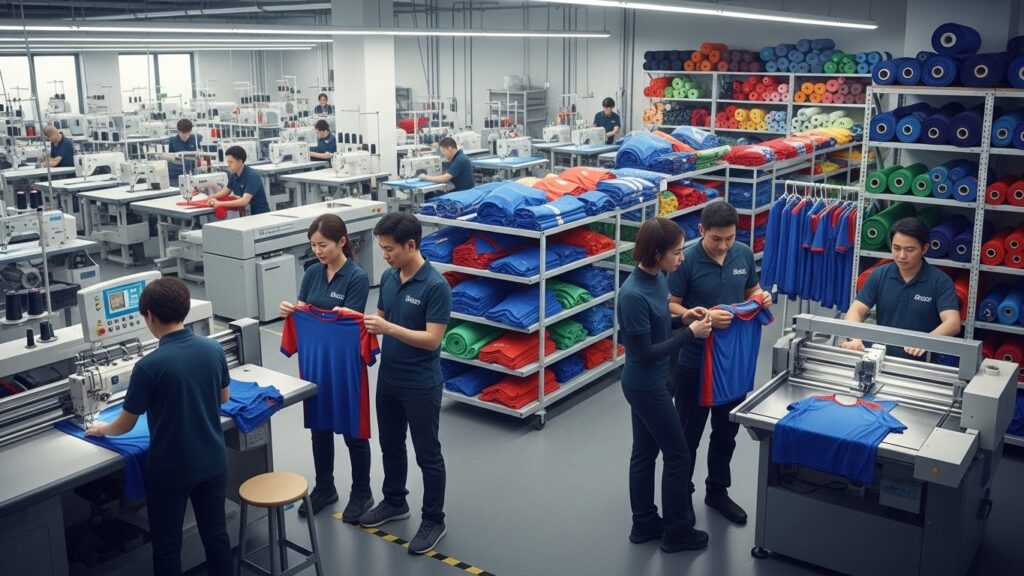
Manufacturers such as Bushi Sports specialize in meeting these expectations, offering scalable production while maintaining rigorous quality standards.
The Sourcing Process for Reliable Manufacturers
The sourcing process typically involves multiple steps to ensure alignment with brand goals and technical requirements. Retail sports brands follow a structured approach:
1. Research and Shortlisting: Brands begin by identifying potential manufacturers through trade shows, industry directories, and professional networks. Factors considered include:
-
Geographic location and logistics
-
Specialization in sportswear fabrics and finishes
-
Previous experience with similar products
-
Certifications (ISO, OEKO-TEX, GOTS for sustainability)
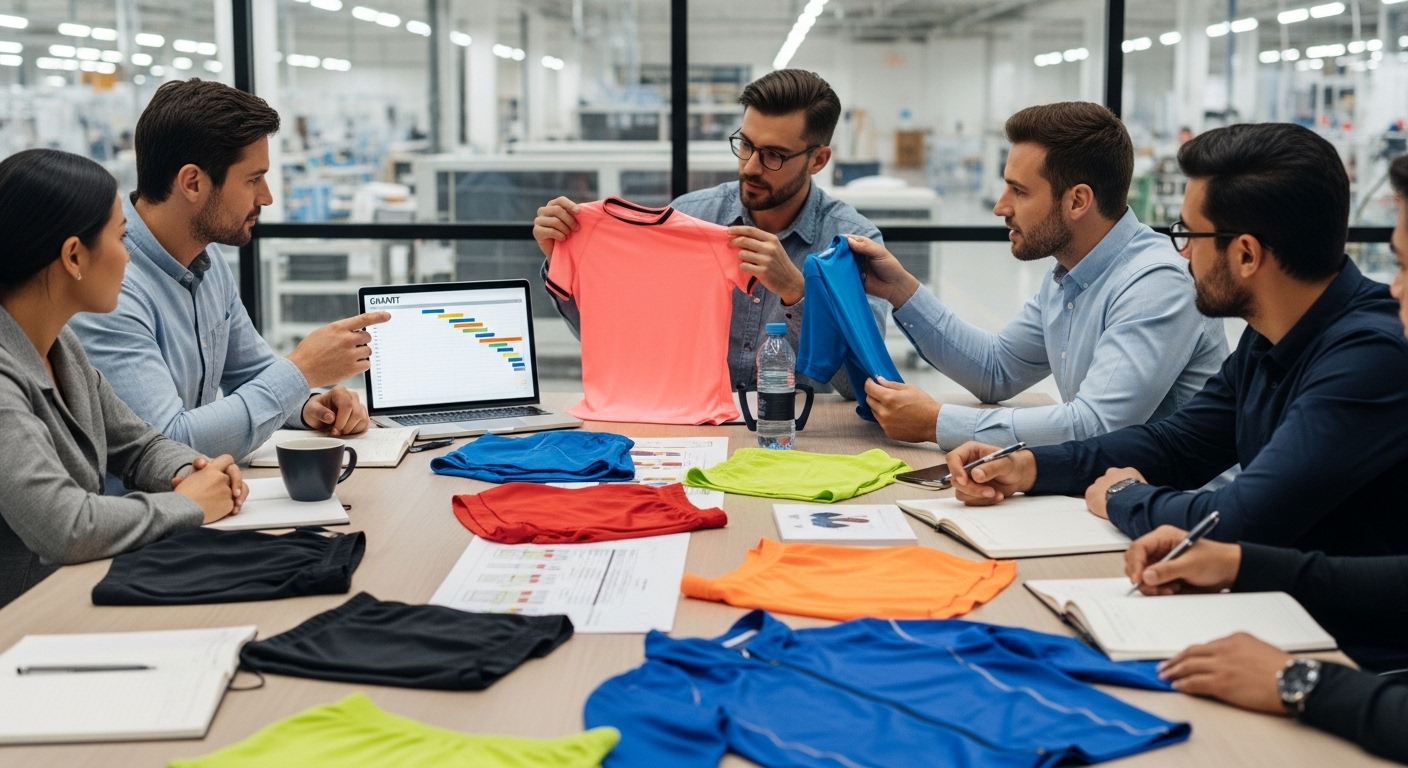
2. Sampling and Testing: Before committing to a full production run, brands request samples. This allows evaluation of:
-
Fabric quality and performance (stretch, breathability, moisture-wicking)
-
Stitching and durability
-
Color fidelity and print accuracy
3. Factory Audits and Compliance Checks: Ensuring ethical practices is critical. Brands review:
-
Labor conditions and fair wages
-
Environmental compliance
-
Health and safety standards
These steps reduce risk and ensure that the manufacturer can deliver products that meet both brand and regulatory requirements.
Evaluating Technical Expertise
Reliable manufacturers often bring technical knowledge to the table, guiding brands on fabric choices, performance features, and production methods. This is especially important for retail sports brands producing high-performance items such as training gear, running apparel, or team uniforms.
Key technical considerations include:
-
Fabric performance: Breathability, moisture management, stretch recovery, and durability
-
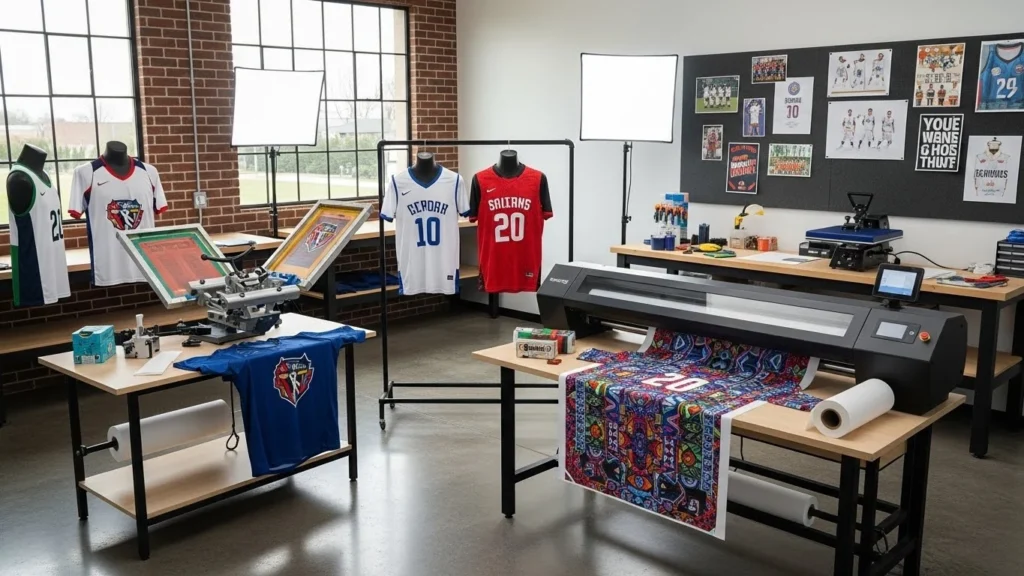
Printing and finishing techniques: Sublimation, heat transfer, embroidery, or laser-cut designs
-
Fit and sizing consistency: Grading across multiple sizes while maintaining comfort and performance
-
Production scalability: Ability to handle seasonal peaks without compromising quality
For example, a manufacturer like Bushi Sports often provides consultation on material blends and seam placements to optimize athlete performance while preserving aesthetic design.
Long-Term Partnerships vs One-Time Contracts
Retail sports brands often face the decision of working with manufacturers on a long-term basis or through one-time contracts. Building a long-term relationship has multiple benefits:
-
Consistent quality and fewer defects
-
Better communication and understanding of brand standards
-
Priority access to limited resources or specialty fabrics
-
Collaborative innovation in materials, design, and production methods
In contrast, one-time contracts may reduce upfront costs but increase risk of misalignment and errors. Trusted manufacturers, familiar with brand processes, help reduce delays, prevent costly mistakes, and improve overall production efficiency.
Cost Considerations When Choosing Reliable Manufacturers
Cost is always a key factor in sourcing. However, brands must balance price with quality and reliability. Low-cost manufacturers may be tempting, but hidden costs can emerge from:
-
Material defects and returns
-
Delays due to inadequate production capacity
-
Ethical compliance issues resulting in fines or recalls
By contrast, investing in a reliable manufacturer often saves money in the long run. While initial costs may be higher, dependable suppliers ensure consistency, durability, and faster time-to-market. Brands also reduce overhead associated with rework or crisis management.
Leveraging Technology and Digital Tools
Modern sports brands increasingly use technology to identify and manage manufacturers efficiently. Digital tools streamline the sourcing process and improve transparency:
-
ERP and supply chain management systems monitor production timelines and inventory
-
Virtual sampling reduces physical sample costs and accelerates approval processes
-
Data analytics track manufacturer performance metrics such as defect rates and delivery times
By leveraging these tools, brands gain better oversight of the manufacturing process, reduce errors, and maintain high-quality standards.
External resources like Supply Chain Digital explain how digital tracking is revolutionizing sourcing and compliance in retail.
Sustainability in Manufacturing
Sustainability has become a non-negotiable factor for many retail sports brands. Consumers increasingly value eco-friendly production and ethical sourcing. Reliable manufacturers often support sustainability goals by:
-
Using recycled or responsibly sourced fabrics
-
Minimizing water and energy usage in production
-
Implementing environmentally friendly dyeing and finishing techniques
-
Achieving sustainability certifications (e.g., OEKO-TEX, GOTS)
By partnering with manufacturers who prioritize sustainability, brands not only reduce environmental impact but also enhance their market appeal.
Global vs Local Manufacturing
Retail sports brands must decide between local and global manufacturing:
Global Manufacturing:
-
Often more cost-effective for large-scale production
-
Access to specialized materials and techniques
-
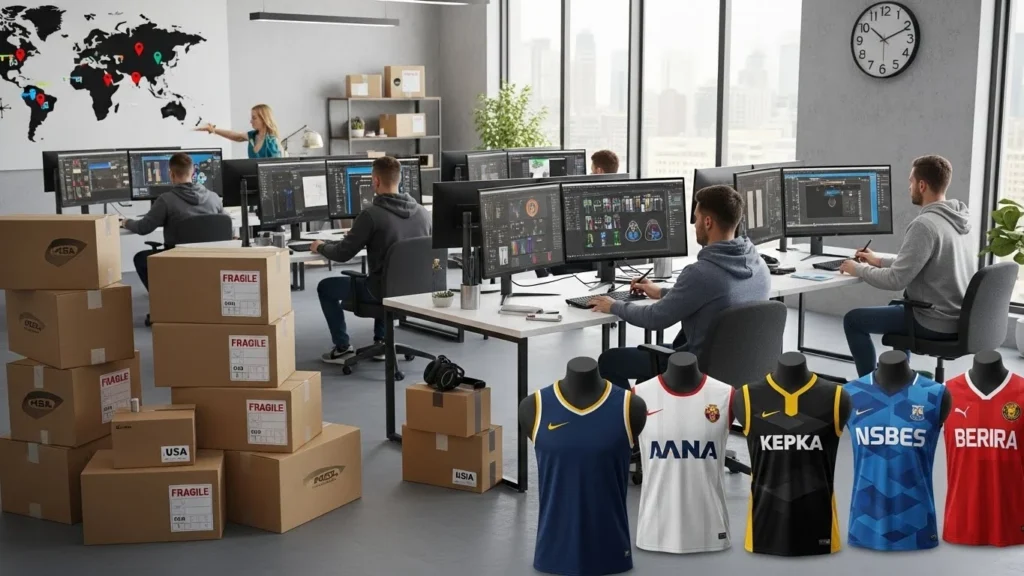
Requires strong logistics management for shipping and customs
Local Manufacturing:
-
Faster turnaround and easier quality control
-
Supports local economies
-
Can enhance brand image through “Made in [Country]” labeling
Brands often adopt a hybrid approach, sourcing high-tech performance fabrics globally while assembling products locally to balance cost, quality, and delivery speed.
Collaboration and Communication with Manufacturers
Clear communication is critical when sourcing reliable manufacturers. Brands must share:
-
Technical specifications for fabrics and trims
-
Design mockups and templates
-
Delivery timelines and seasonal schedules
-
Quality expectations and inspection protocols
Frequent collaboration reduces errors, ensures alignment on production standards, and strengthens long-term partnerships. Experienced suppliers like Bushi Sports often provide dedicated account managers to maintain consistent communication throughout production.
Tips for Retail Sports Brands to Source Reliable Manufacturers
-
Conduct thorough research before shortlisting suppliers
-
Request multiple samples and run performance tests
-
Evaluate technical expertise, including fabric and print capabilities
-
Perform factory audits for quality, labor, and environmental compliance
-
Build long-term relationships rather than relying on one-off contracts
-
Prioritize sustainability and ethical practices
-
Use digital tools to monitor timelines, defects, and production quality
These steps ensure that retail sports brands maintain high standards, meet customer expectations, and mitigate risks associated with production.
Future Trends in Sportswear Manufacturing
The manufacturing landscape is evolving rapidly, and retail sports brands need forward-thinking suppliers. Emerging trends include:
-
Smart textiles with integrated sensors or temperature regulation
-
Advanced printing techniques for vibrant, long-lasting designs
-
Digital twins and virtual prototyping to speed up sample approvals
-
Greater transparency and traceability in supply chains
By aligning with manufacturers that embrace innovation, brands stay competitive and meet modern consumer expectations.
Final Thoughts
Sourcing reliable manufacturers is more than a logistical necessity—it’s a strategic decision that impacts quality, brand image, and customer satisfaction. Retail sports brands that carefully evaluate suppliers based on technical expertise, ethical practices, scalability, and communication are better positioned to deliver high-quality products consistently.
Partnering with experienced suppliers like Bushi Sports ensures access to performance fabrics, expert consultation, and reliable production workflows. By prioritizing reliability, collaboration, and innovation, sports brands create a supply chain that supports growth, performance, and long-term brand reputation.