Introduction to OEM vs ODM Sportswear Manufacturing
Choosing between OEM vs ODM sportswear manufacturing is one of the most important strategic decisions a sportswear brand can make. The manufacturing model you select influences how much control you have over design, how fast you can bring products to market, how much you invest upfront, and how your brand evolves long term.
With the global sportswear industry expanding rapidly, brands today have more manufacturing options than ever before. Startups, private labels, sports clubs, academies, and established brands all face the same question: should you build fully custom products through OEM manufacturing, or launch faster using ODM manufacturing? Understanding how these two models work is essential for avoiding costly mistakes and choosing a path that supports sustainable growth.
This article explains OEM and ODM sportswear manufacturing in depth, compares their advantages and limitations, and helps you decide which approach is best for your brand.
Understanding OEM Sportswear Manufacturing
OEM sportswear manufacturing, or Original Equipment Manufacturing, is a model where the brand provides its own designs, specifications, and branding, while the manufacturer produces the garments according to those requirements. In this setup, the brand owns the product concept and intellectual property, while the manufacturer focuses on execution.
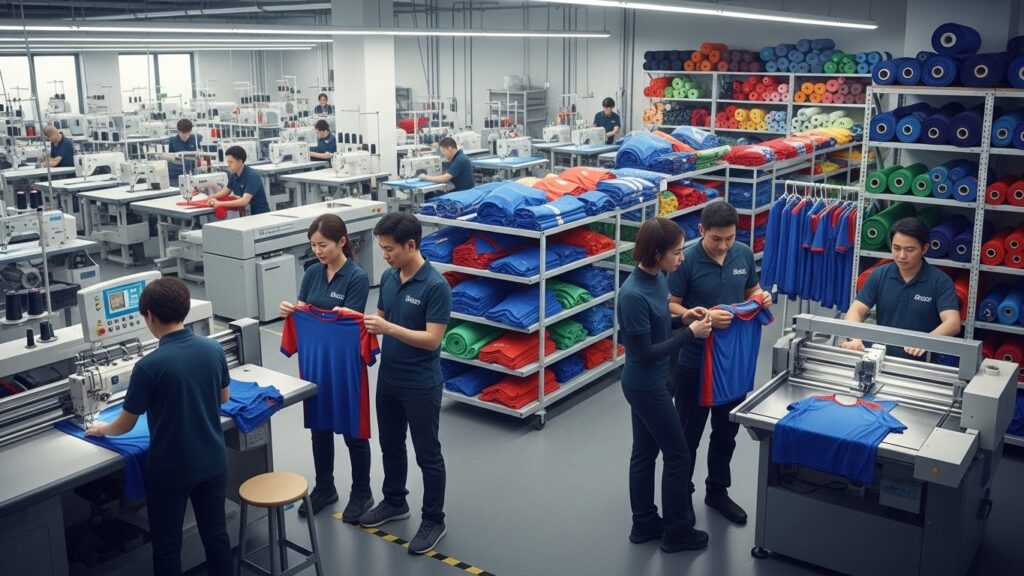
OEM manufacturing is commonly used by brands that want full creative control over their sportswear collections. This includes control over fabric selection, garment fit, performance features, trims, labels, and packaging. The manufacturer acts as a production partner rather than a design provider.
How OEM Manufacturing Works
The OEM process usually begins with the brand submitting detailed information such as tech packs, sizing charts, artwork files, and fabric requirements. Based on these inputs, the manufacturer develops samples for approval. Once the samples meet expectations, bulk production begins.
This structured workflow ensures accuracy and consistency but requires clear communication and technical understanding from both sides. OEM manufacturing is best suited for brands that already have a clear product vision and are prepared to invest time in development.
Benefits of OEM Sportswear Manufacturing for Brands
OEM manufacturing offers several long-term advantages. Full design ownership allows brands to create unique products that stand out in competitive markets. Custom fabrics, tailored fits, and exclusive designs strengthen brand identity and customer loyalty.
OEM also supports scalability. Once designs are finalized, reorders become efficient, allowing brands to maintain consistency across seasons. Intellectual property protection is another major benefit, as designs remain exclusive to the brand.
Limitations of OEM Sportswear Manufacturing
Despite its advantages, OEM manufacturing comes with challenges. Development costs are higher, sampling takes longer, and brands must manage more details during production. OEM requires patience and planning, making it less suitable for brands that need immediate market entry.
What Is ODM Sportswear Manufacturing?
ODM sportswear manufacturing, or Original Design Manufacturing, is a model where the manufacturer provides pre-designed products that brands can customize with their logo, colors, and branding elements. The base design is owned by the manufacturer, not the brand.
ODM manufacturing is popular among startups, sports teams, schools, and organizations that want quick, cost-effective solutions without investing heavily in product development. It allows brands to focus on marketing and sales while relying on the manufacturer’s existing designs.
How ODM Sportswear Manufacturing Works
In ODM production, brands select styles from the manufacturer’s catalog. Customization options such as color changes, logo placement, and labeling are applied. After sample approval, bulk production begins almost immediately.
Because the design phase is already complete, ODM significantly reduces lead times and development costs.
Benefits of ODM Sportswear Manufacturing
ODM manufacturing offers speed and simplicity. Brands can launch products faster and with lower upfront investment. This model is ideal for testing markets, running short-term campaigns, or fulfilling team and academy orders.
Manufacturers often offer ODM designs that have already been tested for fit and performance, reducing technical risks for buyers.
Limitations of ODM Sportswear Manufacturing
The main drawback of ODM manufacturing is limited exclusivity. Since designs are not unique, similar products may appear in the market. Customization is also restricted compared to OEM, which can limit long-term brand differentiation.
Key Differences Between OEM and ODM Models
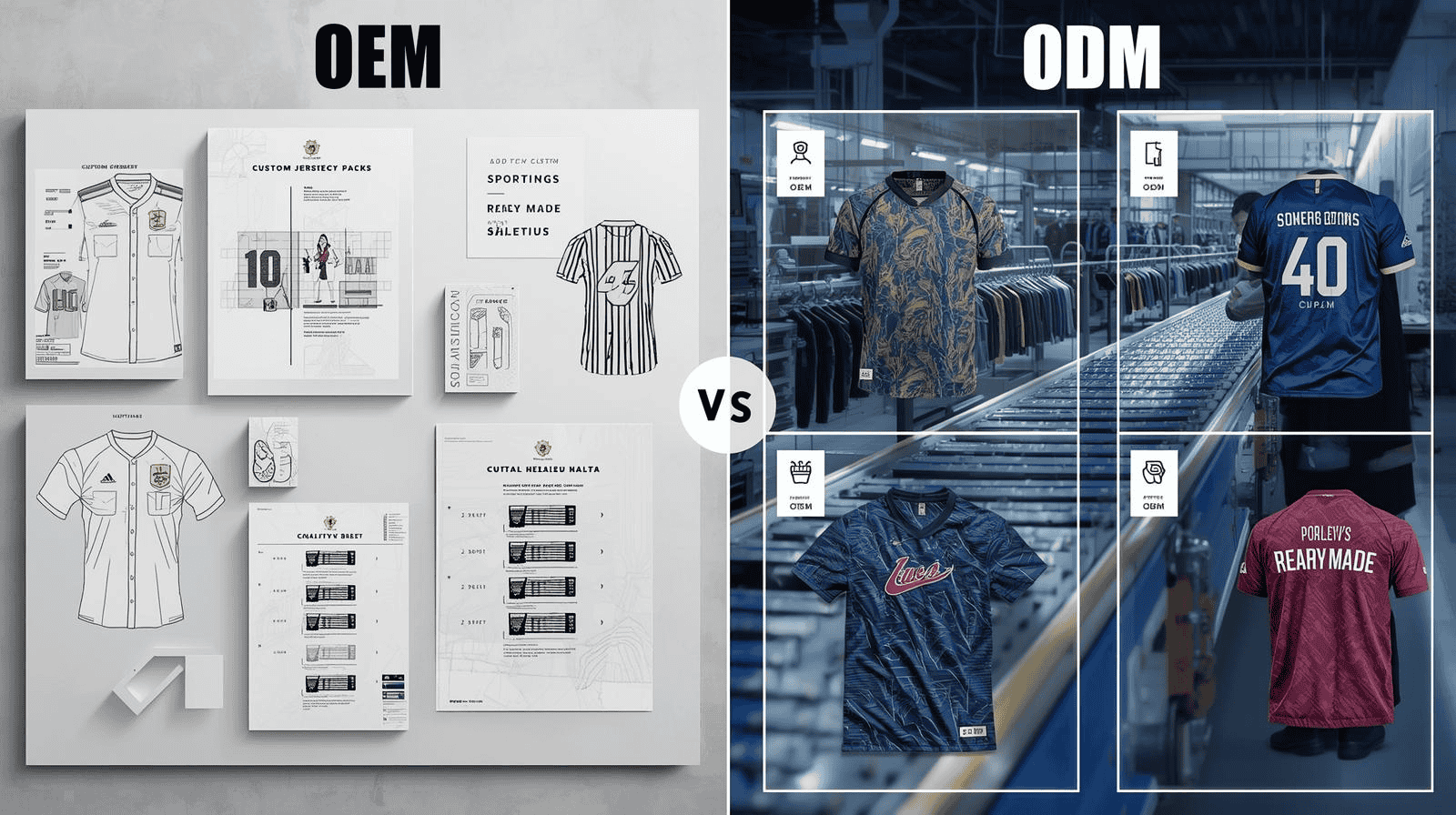
Design Ownership and Customization
In OEM manufacturing, the brand owns the design and intellectual property. In ODM manufacturing, the manufacturer retains ownership of the base design.
Customization Levels in Sportswear Manufacturing
OEM allows complete customization of fabrics, patterns, and performance features. ODM typically allows surface-level customization such as colors, logos, and labels.
Cost Comparison Between OEM and ODM Models
OEM involves higher development costs but offers greater control and exclusivity. ODM reduces upfront investment and is more budget-friendly for new brands.
Speed to Market and Production Timelines
ODM is significantly faster due to pre-developed designs. OEM requires longer preparation but delivers unique products.
Which Sportswear Manufacturing Model Is Best for Your Brand?
When OEM Sportswear Manufacturing Is the Right Choice
OEM is ideal for brands that want to build a strong identity, own their designs, and scale long term. It suits established brands, private labels, and businesses focused on differentiation.
When ODM Sportswear Manufacturing Makes More Sense
ODM works well for startups, clubs, and organizations that need quick turnaround, lower costs, and simple customization. Many brands use ODM as a starting point before transitioning to OEM.
Hybrid Sportswear Manufacturing: Combining OEM and ODM
Some brands adopt a hybrid strategy, using ODM designs for initial launches while gradually developing OEM products. This approach reduces risk, allows market testing, and supports gradual brand evolution.
Why Manufacturing Experience Matters in OEM and ODM Sportswear Production
Not all manufacturers can handle both OEM and ODM production effectively. Experience plays a critical role in quality, consistency, and communication. Industry insights from Textile World highlight how advanced manufacturing processes improve reliability in sportswear production.
Experienced manufacturers understand bulk production challenges, fabric behavior, and print performance, which is essential for both models.
Quality Control in OEM vs ODM Sportswear Manufacturing
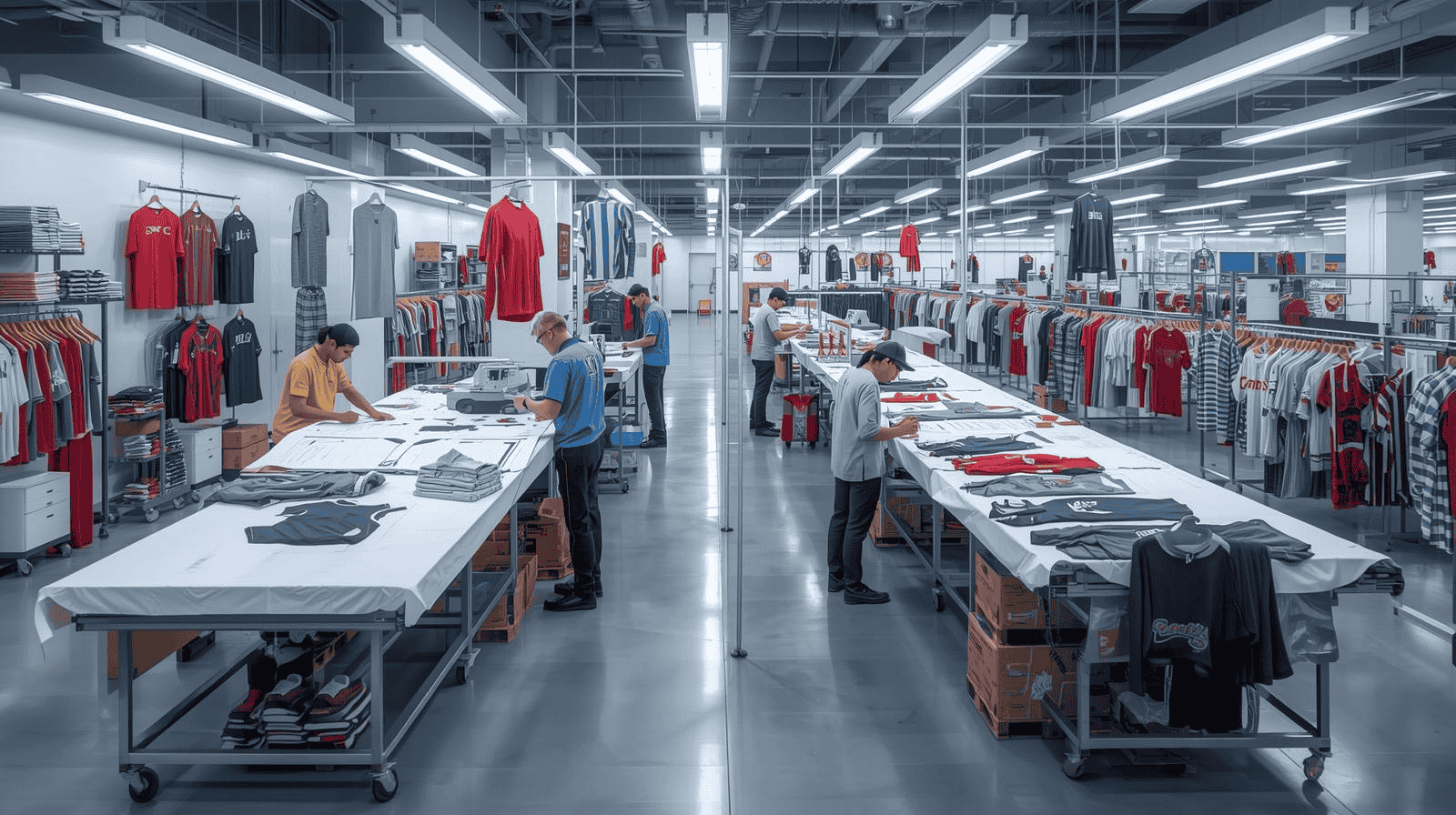
Quality control differs slightly between OEM and ODM. OEM quality checks focus on meeting design specifications, while ODM quality control emphasizes consistency across standardized products. Strong inspection processes reduce defects and rework in both models.
Fabric and Printing Considerations in OEM and ODM Sportswear
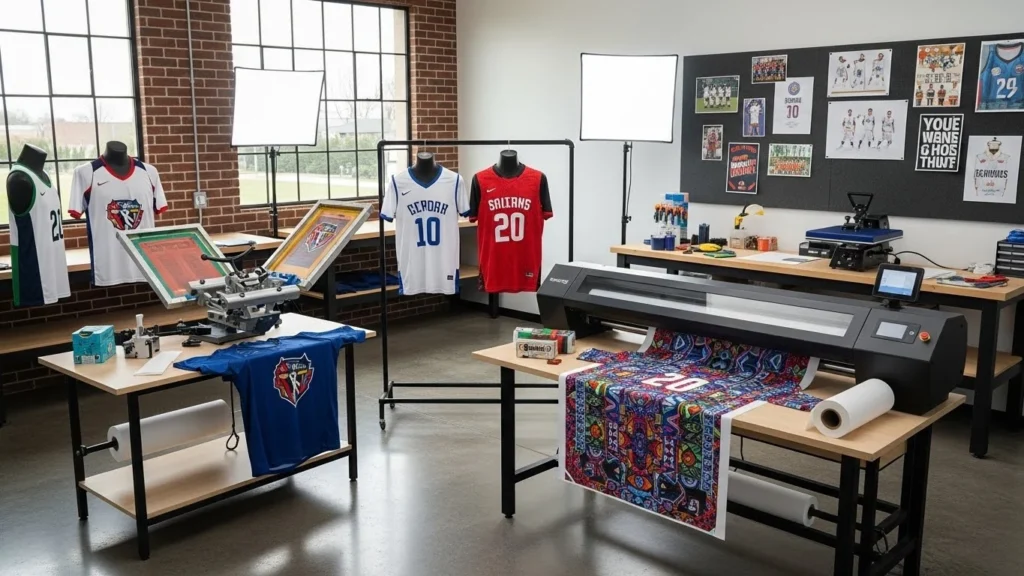
Fabric selection plays a major role in sportswear performance. OEM allows brands to choose custom fabric blends, while ODM relies on standardized materials. Advanced printing methods such as sublimation improve durability and color accuracy, a trend widely discussed by Fibre2Fashion.
Export, Packaging, and Logistics in Sportswear Manufacturing
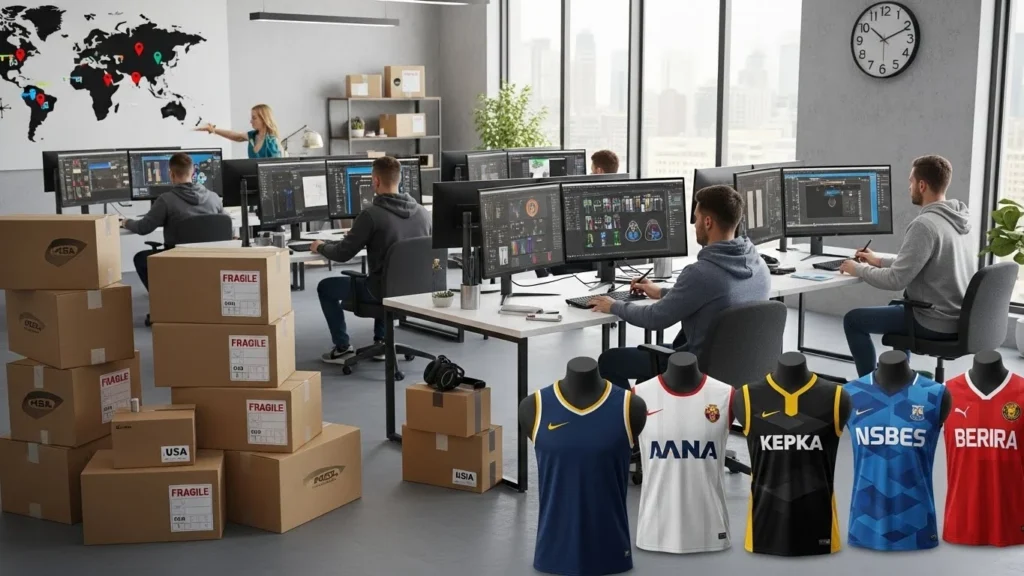
For international buyers, export readiness is essential. Manufacturers should handle documentation, packaging standards, and shipping compliance. Global trade insights from the World Bank emphasize the importance of efficient logistics for cross-border business.
Why Bushi Sports Is the Right Partner for OEM and ODM Sportswear Manufacturing
Bushi Sports offers flexible OEM and ODM sportswear manufacturing solutions tailored to different brand needs. From fully custom sportswear production to ready-made designs with branding, Bushi Sports supports brands at every stage of growth.
With a strong focus on quality control, modern printing technology, and export-ready processes, Bushi Sports ensures consistency and reliability. Brands can explore options through Bushi Sports, learn more about the company at here, or review teamwear solutions.
How the Right Manufacturing Model Supports Long-Term Brand Growth
Choosing the correct manufacturing model improves consistency, reduces costs over time, and strengthens customer trust. Market data from Statista shows steady growth in global sportswear demand, making scalable manufacturing partnerships increasingly important.
Final Checklist Before Choosing OEM or ODM Sportswear Manufacturing
Before deciding, brands should consider:
-
Budget and development capacity
-
Desired customization level
-
Speed-to-market requirements
-
Long-term brand vision
-
Manufacturing partner experience
Conclusion: OEM vs ODM Sportswear Manufacturing for Brand Success
Understanding OEM vs ODM sportswear manufacturing allows brands to make informed production decisions. OEM offers control, exclusivity, and scalability, while ODM provides speed, efficiency, and lower entry barriers. Bushi Sports supports both models with professional manufacturing, quality control, and global shipping expertise. To discuss your requirements, visit Bushi Sports and connect with the team.