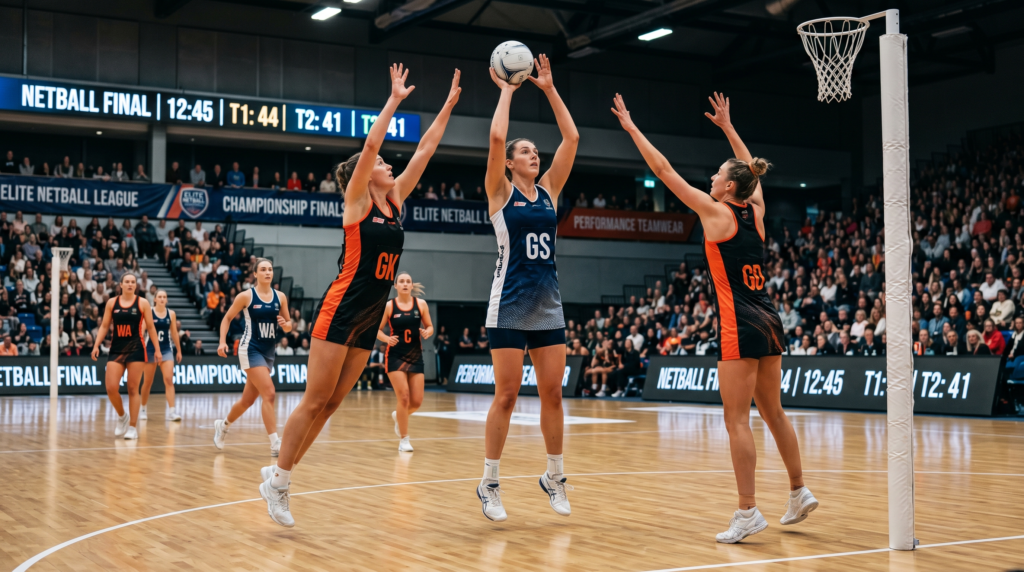
Netball has become one of the fastest-growing women’s sports across schools, academies, universities, and professional leagues worldwide. The sport demands rapid directional movement, constant jumping, quick passing, and nonstop athletic coordination throughout every match.
Because of this high-intensity movement, modern netball apparel must support lightweight flexibility, breathability, moisture control, and long-term comfort without restricting athlete mobility.
This increasing demand for performance-driven women’s sportswear has transformed the role of a netball uniform manufacturer into a highly specialized area of athletic apparel production.
Today’s manufacturers are expected to combine technical textile engineering, ergonomic garment construction, sublimation customization, and scalable OEM manufacturing systems for clubs, sports brands, educational institutions, and professional netball organizations.
As women’s athletics continue expanding globally, sportswear brands increasingly prioritize apparel collections specifically designed for female athletic movement and long-duration indoor competition.
Many organizations now collaborate with professional sportswear manufacturers capable of producing lightweight netball uniforms optimized for speed, flexibility, and comfort.
Why Lightweight Fabric Engineering Matters in Netball
Netball athletes rely heavily on explosive movement and rapid directional changes throughout matches. Heavy uniforms can reduce agility and create discomfort during extended gameplay sessions.
Because of this, lightweight textile engineering has become one of the most important priorities for a modern netball uniform manufacturer.
Unlike generic activewear, netball uniforms are specifically engineered to support:
- unrestricted lower-body movement
- upper-body flexibility
- moisture management
- lightweight athletic fitting
Recent breathable fabric engineering research continues highlighting how lightweight sports textiles improve athlete comfort through advanced airflow systems and moisture-control technology.
Modern manufacturers commonly integrate:
- microfiber polyester fabrics
- stretch-performance textiles
- mesh ventilation systems
- quick-dry athletic materials
These features help athletes remain comfortable during fast-paced indoor competition while supporting flexibility across jumping, sprinting, and defensive movement situations.
| Performance Need | Manufacturing Solution |
|---|---|
| Sweat management | Moisture-wicking textiles |
| Fast movement | Stretch-performance fitting |
| Indoor comfort | Breathable ventilation systems |
| Long-term durability | Reinforced seam engineering |
A professional netball uniform manufacturer carefully balances lightweight comfort with durability to support repeated athletic use across competitive seasons.
Women’s Sportswear Requires Ergonomic Design
Modern women’s athletic apparel has evolved significantly over the last decade. Athletes increasingly expect sportswear designed specifically around female body movement rather than generic unisex garment structures.
A dependable netball uniform manufacturer therefore prioritizes ergonomic fitting systems capable of improving both comfort and athletic performance.
Netball uniforms are now commonly engineered with:
- contoured athletic shaping
- lightweight compression support
- flexible seam positioning
- movement-focused garment construction
Unlike traditional oversized sportswear, modern women’s netball apparel focuses heavily on maintaining lightweight structure while supporting unrestricted movement.
Manufacturers also use body-mapping techniques to strategically position ventilation zones around high-heat movement areas, helping improve airflow during competition.
Sportswear companies producing modern women’s athletic collections frequently collaborate with sublimation apparel specialists capable of combining technical fabrics with advanced customization systems.
Sublimation Customization Has Changed Teamwear
Team identity plays a major role in modern netball apparel development. Schools, academies, clubs, and professional organizations increasingly prioritize visually distinctive uniforms that strengthen branding and improve professional presentation.
A forward-thinking netball uniform manufacturer therefore supports both technical performance and visual identity simultaneously.
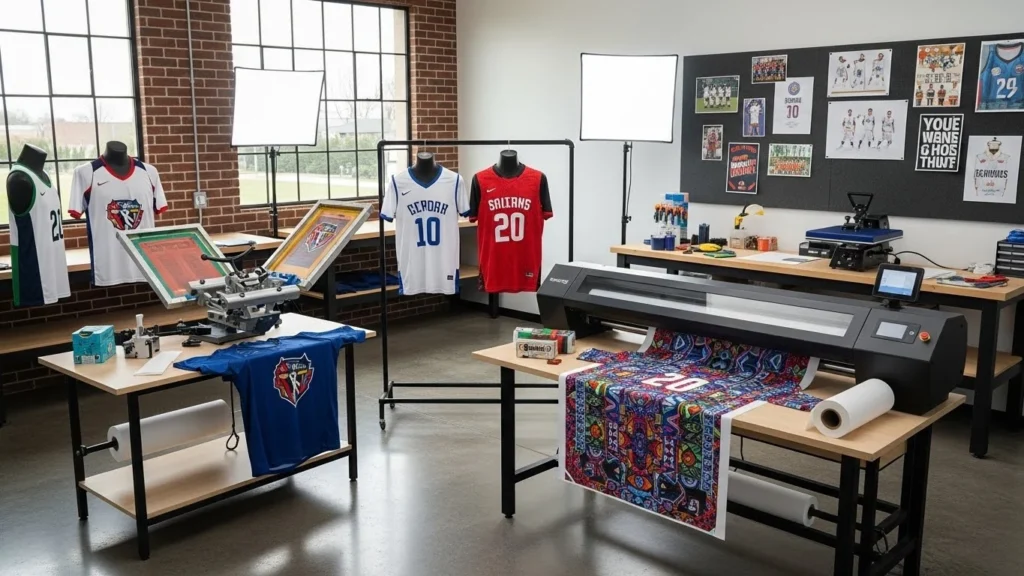
Modern sublimation printing technology allows manufacturers to create:
- fade-resistant graphics
- vibrant team colors
- lightweight logo integration
- player personalization systems
Unlike traditional printing methods, sublimation embeds graphics directly into the fabric structure, helping preserve flexibility and durability even after repeated washing.
| Branding Feature | Team Advantage |
|---|---|
| Sublimated graphics | Long-lasting visual quality |
| Coordinated uniforms | Stronger team identity |
| Player personalization | Better organization |
| Lightweight logos | Improved comfort |
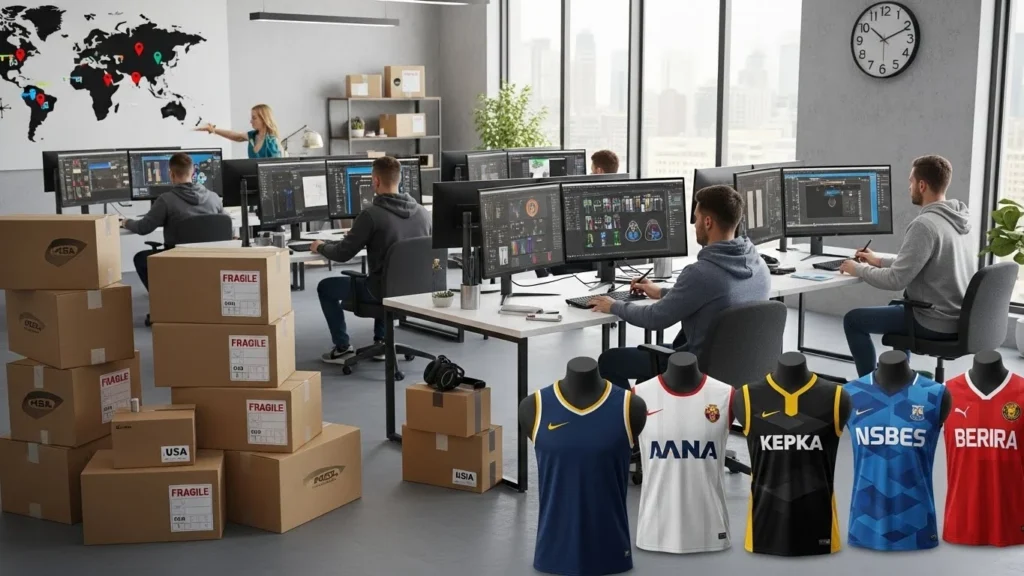
Many sports organizations now partner with custom teamwear manufacturers capable of producing scalable netball apparel collections for schools, tournaments, and professional leagues.
OEM Production Supports Growing Sports Brands
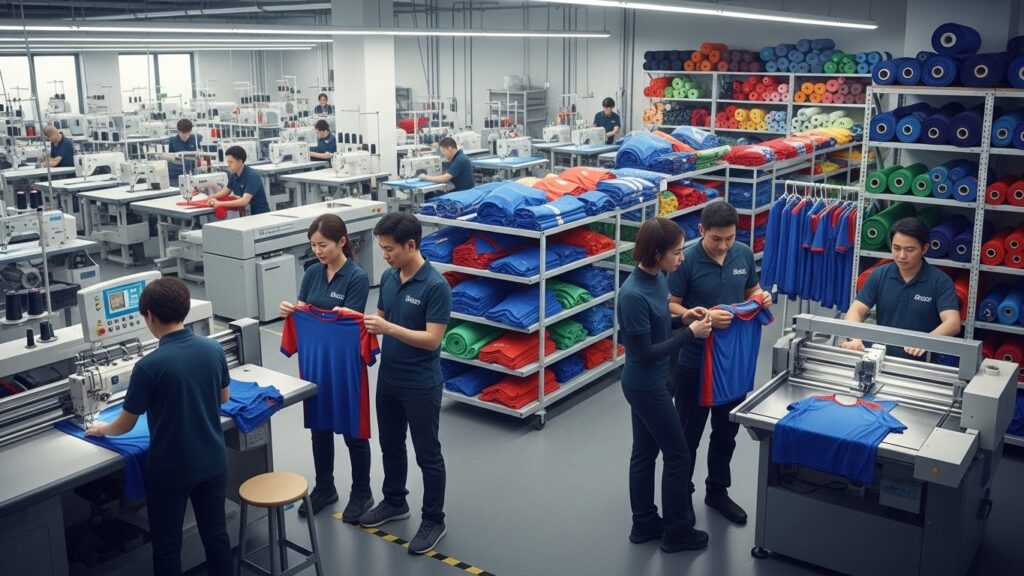
OEM manufacturing has become one of the most important growth strategies within modern sportswear production because it allows brands to scale apparel manufacturing without operating their own factories.
Many sportswear businesses now collaborate directly with OEM apparel manufacturers responsible for:
- textile sourcing
- sample development
- sublimation customization
- bulk production systems
- packaging solutions
This production structure allows sportswear companies to focus more heavily on athlete marketing, retail expansion, sponsorships, and brand development while manufacturing specialists handle technical production.
A professional netball uniform manufacturer commonly supports:
- school athletic programs
- women’s sports academies
- startup sportswear brands
- indoor sports retailers
- professional league organizations
Many growing activewear businesses also collaborate with private label sportswear manufacturers capable of producing customized women’s athletic apparel under independent brand identities.
Breathability Improves Indoor Athletic Comfort
Netball is commonly played inside enclosed sports halls where heat buildup and limited airflow can create discomfort during long matches.
Because of this, breathable textile engineering remains one of the biggest priorities for a professional netball uniform manufacturer.
Recent sportswear ventilation studies explain how airflow-focused fabric systems continue improving athlete comfort during high-intensity indoor competition.
Modern netball uniforms commonly feature:
- breathable mesh side panels
- lightweight quick-dry fabrics
- moisture-control ventilation zones
- flexible athletic panel construction
Rather than focusing only on appearance, manufacturers now engineer apparel systems capable of improving overall athletic comfort throughout extended gameplay sessions.
| Breathability Feature | Athletic Benefit |
|---|---|
| Mesh ventilation panels | Improved airflow |
| Quick-dry fabrics | Faster sweat evaporation |
| Lightweight textiles | Reduced heat buildup |
| Flexible seam systems | Better movement comfort |
This technical focus helps athletes maintain comfort and movement consistency during competitive indoor play.
Sustainability Is Influencing Women’s Sportswear
Sustainability has become increasingly important throughout global sportswear manufacturing as brands and consumers seek environmentally responsible apparel production systems.
Many manufacturers are now integrating:
- recycled polyester fabrics
- eco-conscious dye systems
- reduced textile waste strategies
- energy-efficient manufacturing operations
Recent sustainable sportswear manufacturing research highlights how modern athletic apparel companies increasingly prioritize environmentally responsible sourcing alongside technical innovation.
A modern netball uniform manufacturer now considers sustainability alongside:
- lightweight performance
- ergonomic comfort
- customization quality
- long-term durability
Manufacturers capable of balancing performance innovation with environmentally responsible production are expected to remain highly competitive throughout future women’s sportswear markets.
Conclusion
Netball apparel manufacturing has evolved into a highly specialized segment of women’s sportswear production where lightweight comfort, flexibility, customization, and breathability all play essential roles.
Modern athletes and sports organizations increasingly require uniforms capable of supporting fast-paced indoor movement while maintaining professional appearance and long-term comfort.
Working with an experienced netball uniform manufacturer allows schools, academies, sports brands, and league organizations to scale production while maintaining consistent quality across customized women’s athletic apparel collections.
From sublimated netball dresses and lightweight performance jerseys to OEM apparel systems and private label women’s sportswear development, manufacturing partnerships continue shaping the future of modern athletic apparel.
Businesses seeking scalable women’s sportswear manufacturing and custom netball apparel solutions can explore professional production services through Bushi Sports®.