Laser-Cut Ventilation in Performance Sportswear: How It Works
Introduction
Laser-cut ventilation sportswear is transforming the performance apparel industry by providing targeted airflow, improved comfort, and enhanced athlete performance. Unsold or poorly designed ventilation zones can lead to overheating, discomfort, and reduced effectiveness, making it essential for brands to understand how laser-cut ventilation works in modern sportswear.
By using precise laser technology to create micro-perforations in high-performance fabrics, brands can improve thermoregulation, reduce weight, and maintain seamless garment aesthetics. This article explores how laser-cut ventilation sportswear works, the materials and design considerations involved, production advantages, and its growing role in performance apparel.
This article explores the principles of laser-cut ventilation, its benefits for athletes, how manufacturers implement it, and why it is becoming a standard in high-performance sportswear.
What is Laser-Cut Ventilation?
Laser-cut ventilation involves using precise laser technology to create micro-perforations in fabric. These perforations allow airflow while maintaining the structural integrity of the garment. Unlike traditional cutouts or mesh inserts, laser cutting is seamless and highly customizable.
Key Characteristics:
-
Precision: Micro-perforations can be tailored to size, shape, and placement.
-
Durability: Laser cuts reduce fraying and fabric damage.
-
Flexibility: Can be applied to various materials including polyester, nylon, and blended fabrics.
| Feature | Benefit |
|---|---|
| Micro-perforations | Targeted airflow for hot zones |
| Seamless design | Aesthetic appeal and reduced irritation |
| Precision control | Adjustable size and pattern for performance needs |
| Wide material compatibility | Works with synthetic and blended fabrics |
According to Textile World, digital cutting and laser technology in fabrics are transforming sportswear design by improving both function and efficiency.
How Laser-Cut Ventilation Improves Athletic Performance
Laser-cut ventilation enhances sportswear functionality in several ways:
1. Improved Breathability
Micro-perforations allow air to circulate around the body, reducing heat buildup during workouts or competitions. This is particularly important in high-intensity sports such as running, cycling, or basketball.
2. Moisture Management
Laser-cut areas help evaporate sweat faster, keeping athletes dry and comfortable. This also reduces the risk of chafing in high-sweat areas.
3. Lightweight Design
By replacing heavy mesh inserts with laser-cut patterns, garments remain lightweight without compromising performance or durability.
4. Targeted Ventilation
Designers can place perforations in specific “hot zones” such as the back, underarms, and sides, where heat tends to accumulate.
Materials Suitable for Laser-Cut Ventilation
Not all fabrics respond equally to laser cutting. Common materials used in performance sportswear include:
| Material | Laser Cut Suitability | Benefits |
|---|---|---|
| Polyester | High | Lightweight, durable, and moisture-wicking |
| Nylon | High | Stretchable and smooth for skin contact |
| Spandex blends | Medium | Allows ventilation without losing elasticity |
| Cotton blends | Low | Risk of fraying, less durable with laser cuts |
Selecting the right material ensures the micro-perforations remain intact through washing and regular wear.
Design Considerations for Laser-Cut Sportswear
When designing laser-cut ventilation, brands must consider:
-
Perforation Size: Smaller holes for subtle airflow, larger for maximum cooling.
-
Pattern Placement: Focus on high-sweat areas and zones prone to heat accumulation.
-
Fabric Weight: Heavier fabrics may require larger or denser perforation patterns.
-
Garment Function: Compression apparel may need denser patterns, while casual performance shirts may use smaller, aesthetic cuts.
Using 3D garment simulations, designers can model airflow and predict cooling efficiency before cutting, reducing prototyping costs and errors.
Production Techniques and Advantages
Laser-cut ventilation offers several production advantages over traditional ventilation methods:
-
Precision Cutting: Lasers create consistent micro-perforations that are difficult to achieve with manual cutting.
-
Reduced Labor Costs: Less manual stitching or mesh application is required.
-
Faster Turnaround: Digital laser systems can execute complex patterns quickly, improving production timelines.
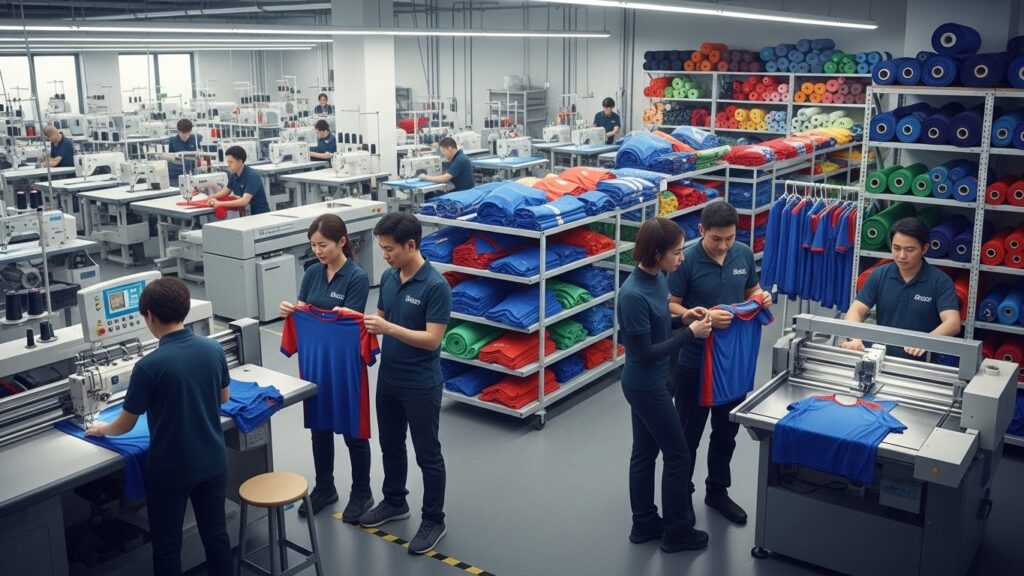
Bushi Sports® integrates advanced production methods like laser-cut ventilation into custom sportswear manufacturing, ensuring high-quality, breathable garments for teams, private-label brands, and athletic collections.
Comparing Traditional Ventilation vs Laser-Cut Ventilation
| Feature | Traditional Mesh/Perforation | Laser-Cut Ventilation |
|---|---|---|
| Precision | Moderate | High |
| Labor Requirement | High | Low |
| Aesthetic | Bulkier, visible seams | Sleek, seamless |
| Customization | Limited | Highly customizable |
| Durability | Mesh can fray | Laser cuts prevent fraying |
As this table shows, laser-cut ventilation offers significant advantages in precision, aesthetics, and scalability for sportswear manufacturers.
Case Study: Laser-Cut Sports Jerseys
Consider a performance basketball jersey:
-
Hot Zones: Back and underarm areas identified for ventilation
-
Fabric: Polyester-spandex blend for stretch and moisture management
-
Pattern: Hexagonal micro-perforations placed strategically using digital templates
Results:
-
20% improved airflow during workouts
-
Reduction in chafing complaints
-
Faster production due to elimination of mesh inserts
This demonstrates how laser-cut ventilation can deliver measurable performance improvements while maintaining sleek design aesthetics.
Marketing Advantages of Laser-Cut Ventilation
Beyond performance, laser-cut sportswear provides marketing benefits:
-
Innovation Messaging: Brands can highlight cutting-edge design in marketing campaigns.
-
Customization for Teams: Logos and graphics can be integrated alongside perforations for unique aesthetics.
-
Consumer Education: Explaining benefits like airflow and moisture management increases perceived value.
According to McKinsey Apparel Industry Insights, consumers are willing to pay premium prices for technical performance features in sportswear.
Challenges and Considerations
Despite advantages, laser-cut ventilation comes with challenges:
-
Initial investment in laser-cutting equipment can be high.
-
Not all fabrics are suitable; cotton blends may fray.
-
Precision is required to prevent over-cutting and fabric weakening.
Brands must carefully evaluate costs, production capacity, and fabric compatibility to maximize benefits.
Future Trends in Laser-Cut Performance Sportswear
-
Smart Fabrics Integration: Micro-perforations combined with moisture-wicking and anti-microbial fabrics.
-
Wearable Tech Compatibility: Laser-cut areas may house sensors or airflow pathways for smart apparel.
-
Advanced Customization: Consumers may choose personalized ventilation patterns for aesthetic and performance purposes.
These trends indicate that laser-cut ventilation will continue to evolve as a standard in premium sportswear design.
Conclusion: Why Brands Should Invest in Laser-Cut Ventilation
Laser-cut ventilation is transforming performance sportswear by combining function, design, and production efficiency. It allows brands to deliver lightweight, breathable, and durable garments that improve athlete comfort and performance.
For brands seeking high-quality production and expertise in advanced techniques like laser-cut ventilation, partnering with experienced manufacturers such as Bushi Sports® ensures that products are produced accurately and efficiently. From team jerseys to private-label collections, integrating laser-cut ventilation enhances performance, aesthetics, and customer satisfaction.
By leveraging this technology, sportswear brands can maintain competitive advantage, reduce prototyping errors, and create garments that meet modern athletic demands.