How to Reduce Dead Stock & Overstock in Sportswear Retail
Introduction
Reduce dead stock sportswear is a critical challenge for retail brands. Unsold inventory ties up capital, occupies storage space, and reduces profitability. For sportswear retailers, understanding how to reduce dead stock effectively ensures products reach customers on time while minimizing financial losses.
By implementing strategic planning, data-driven forecasting, and agile production methods, brands can optimize inventory and prevent overstock.
Understanding how to reduce dead stock and overstock in sportswear retail involves analyzing sales patterns, improving forecasting, optimizing production, and leveraging digital tools. Brands that successfully tackle overstock not only protect profits but also maintain a sustainable supply chain, which is increasingly important in the apparel industry.
This article explores strategies to minimize dead stock, optimize inventory management, and improve operational efficiency in sportswear retail.
Understanding Dead Stock and Overstock
Before diving into strategies, it is important to define key terms:
-
Dead Stock: Products that remain unsold for an extended period, often due to lack of demand, poor timing, or outdated styles.
-
Overstock: Excess inventory resulting from overproduction or inaccurate demand forecasts.
Both dead stock and overstock lead to financial strain, as brands incur costs for storage, potential markdowns, and lost opportunities for new products.
According to McKinsey Apparel Industry Insights, inefficient inventory management in retail contributes significantly to losses, with global apparel brands reportedly losing billions annually due to unsold inventory.
Causes of Dead Stock and Overstock in Sportswear
Identifying the root causes helps brands address the problem effectively. Common factors include:
-
Inaccurate demand forecasting: Overestimating demand for certain sizes, colors, or styles.
-
Overproduction: Producing more than the market requires, often due to long production lead times.
-
Seasonal misalignment: Releasing products too late for trends or seasonal peaks.
-
Limited market analysis: Failing to account for regional preferences or changing consumer behavior.
Addressing these issues requires a combination of data-driven planning and agile production methods.
Implementing Data-Driven Demand Forecasting
Accurate demand forecasting is essential for reducing dead stock and overstock. Sportswear brands can adopt several techniques:
-
Historical Sales Analysis: Examine past sales data to predict future demand for products, sizes, and colors.
-
Trend Analysis: Track market trends and social media activity to anticipate popular items.
-
Advanced Analytics: Use software tools and AI algorithms to predict demand with higher accuracy.
By integrating these approaches, brands can produce inventory aligned with actual market needs, reducing the risk of excess stock.
Optimizing Production Planning
Production planning plays a significant role in inventory control. Brands that implement flexible and small-batch production can respond quickly to market demand, minimizing overstock.
-
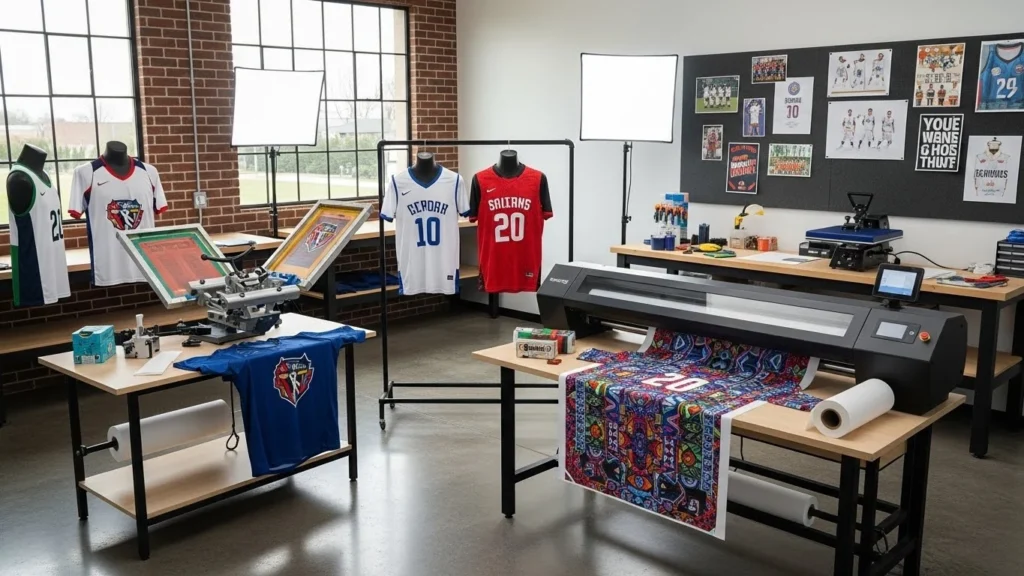
Small Batch Runs: Produce limited quantities to test the market before scaling production.
-
Agile Manufacturing: Work with manufacturers capable of fast turnaround and on-demand production.
-
Seasonal Planning: Align production schedules with market demand cycles to prevent inventory pile-ups.
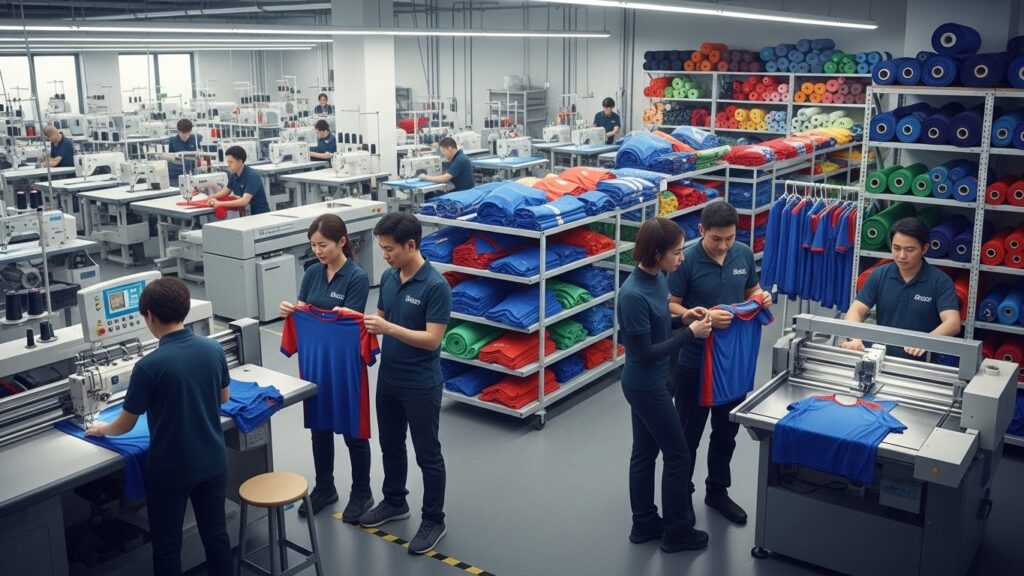
Partnering with experienced manufacturers like Bushi Sports® can help brands implement agile production strategies while maintaining high-quality custom sportswear for teams, private-label collections, and activewear lines.
Inventory Management Techniques
Effective inventory management reduces dead stock by ensuring products are distributed and sold efficiently. Techniques include:
-
ABC Analysis: Prioritize products based on sales performance, focusing on high-demand items.
-
Regular Stock Audits: Identify slow-moving inventory early to make timely decisions.
-
Dynamic Replenishment: Adjust stock levels based on sales trends and regional demand.
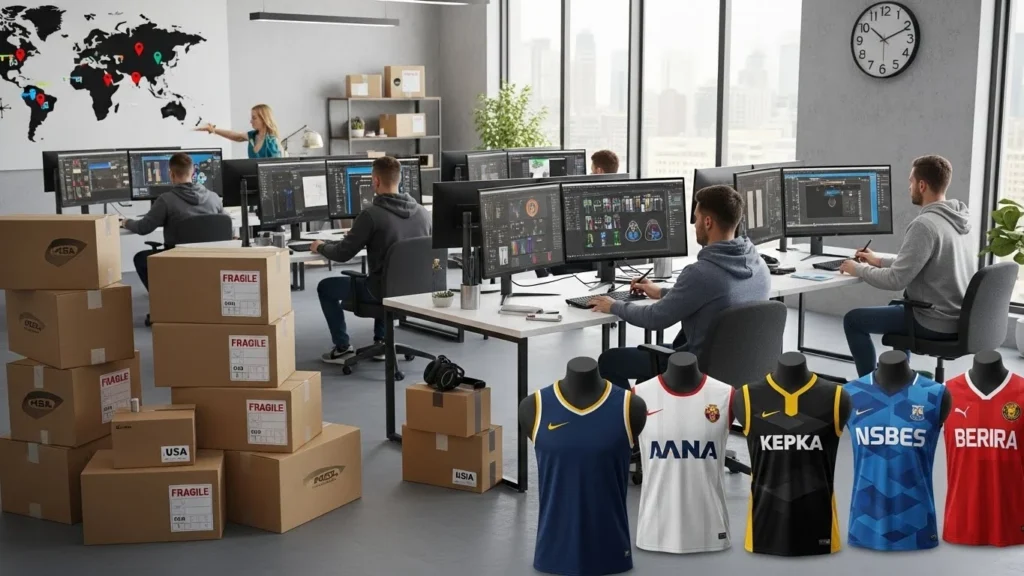
Retailers can also use technology solutions to track inventory in real-time, reducing excess stock and improving operational efficiency.
Leveraging Technology to Reduce Dead Stock Sportswear
Digital tools and software play a pivotal role in controlling inventory. Examples include:
-
ERP Systems: Integrate sales, production, and inventory data for better decision-making.
-
AI Forecasting Tools: Predict demand fluctuations and optimize production accordingly.
-
E-commerce Analytics: Monitor online sales trends to adjust inventory distribution across channels.
According to WRAP Compliance, using technology to manage inventory contributes significantly to reducing waste and improving sustainability in apparel manufacturing.
Marketing Strategies to Move Excess Stock
Sometimes, overstock is unavoidable. Strategic marketing can help brands convert excess inventory into revenue:
-
Limited-Time Promotions: Offer seasonal or flash sales to encourage immediate purchase.
-
Bundling: Combine slow-moving items with popular products to increase sales.
-
Targeted Campaigns: Use customer data to market overstocked items to specific audiences.
These approaches help minimize financial losses while maintaining brand reputation and customer satisfaction.
Sustainable Approaches to Reduce Dead Stock Sportswear
Sportswear brands are increasingly adopting sustainable strategies to reduce dead stock:
-
Upcycling and Repurposing: Transform unsold products into new items or limited-edition designs.
-
Donations or Partnerships: Collaborate with organizations to donate unsold apparel.
-
On-Demand Manufacturing: Produce garments only when orders are received, reducing surplus.
Sustainability not only benefits the environment but also appeals to conscious consumers who value eco-friendly practices.
The Role of Manufacturers in Reducing Dead Stock Sportswear
Reducing dead stock and overstock requires a seamless connection between design, production, and distribution. Manufacturers experienced in flexible, small-batch production can make a major difference.
-
Partnering with suppliers who understand market dynamics ensures products are produced in the right quantities.
-
Manufacturers that offer custom sportswear production, like Bushi Sports®, can help brands maintain agility while ensuring high-quality apparel.
-
Collaboration ensures that new collections are introduced efficiently and that slow-moving items are minimized.
By combining data-driven planning with expert manufacturing, brands can maintain a lean inventory while meeting customer demand.
Conclusion
Reducing dead stock and overstock in sportswear retail requires a holistic approach: accurate demand forecasting, agile production, effective inventory management, and smart marketing strategies. Technology, analytics, and collaboration with experienced manufacturers are key enablers of efficient operations.
Brands that adopt these strategies not only protect their profits but also create a more sustainable supply chain. Partnering with Bushi Sports® ensures that sportswear brands can implement these best practices while producing high-quality custom apparel that meets performance, style, and market demands.
Through careful planning and modern technology, sportswear retailers can minimize excess inventory, enhance profitability, and maintain consumer trust.