How to Prevent Logo Cracking, Peeling & Fading on Custom Apparel
Logo cracking on sportswear is one of the most common quality issues faced by apparel brands, fitness labels, and private label manufacturers. When logos crack, peel, or fade after a few washes, it damages customer trust and reduces the perceived value of your products. Preventing logo cracking on sportswear requires the right combination of printing methods, fabric selection, production controls, and proper care guidance.
For brands producing custom sportswear, maintaining logo durability is essential for long-term brand credibility. Whether you are working with heat transfers, screen printing, or sublimation, understanding why logos fail and how to prevent peeling and fading will help you deliver consistent quality across every production batch.
This guide explains the most common causes of logo damage and provides practical, production-level solutions to ensure your logos stay intact throughout the garment’s life cycle.
Causes of Logo Cracking on Sportswear
Logos deteriorate due to a combination of production flaws, material mismatches, and improper care. Sportswear fabrics stretch, wick moisture, and endure frequent washing, making logo application more demanding than on casual clothing.
Common causes of logo failure include:
-
Low-quality heat transfer materials
-
Incorrect temperature and pressure during logo application
-
Incompatible logo method for performance fabrics
-
Poor washing and drying practices
-
Low-grade inks or vinyl films
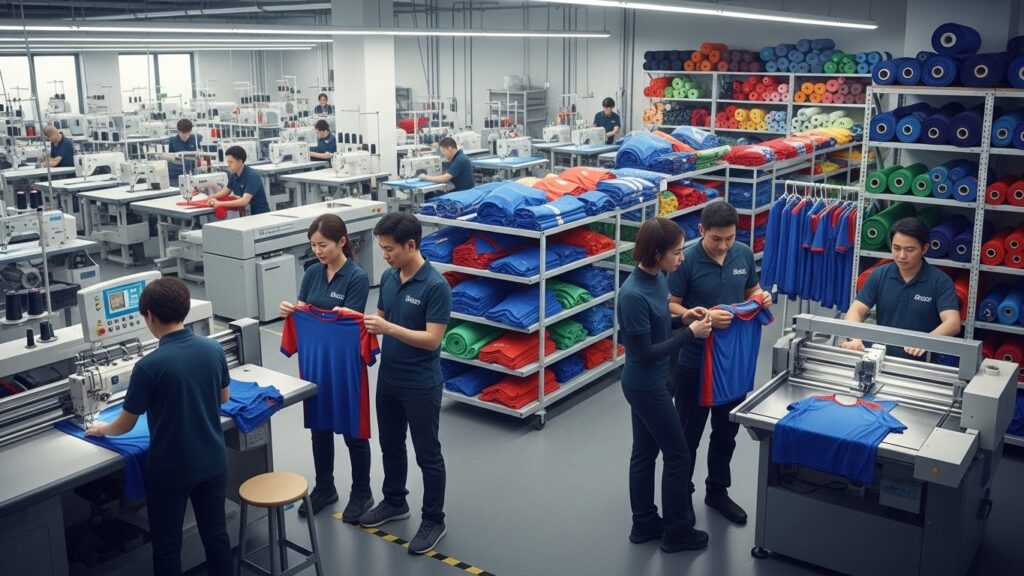
Many manufacturers improve logo durability by refining their production workflows and quality controls, similar to the structured processes used by professional sportswear manufacturers like Bushi Sports.
Best Printing Methods to Prevent Logo Cracking on Sportswear
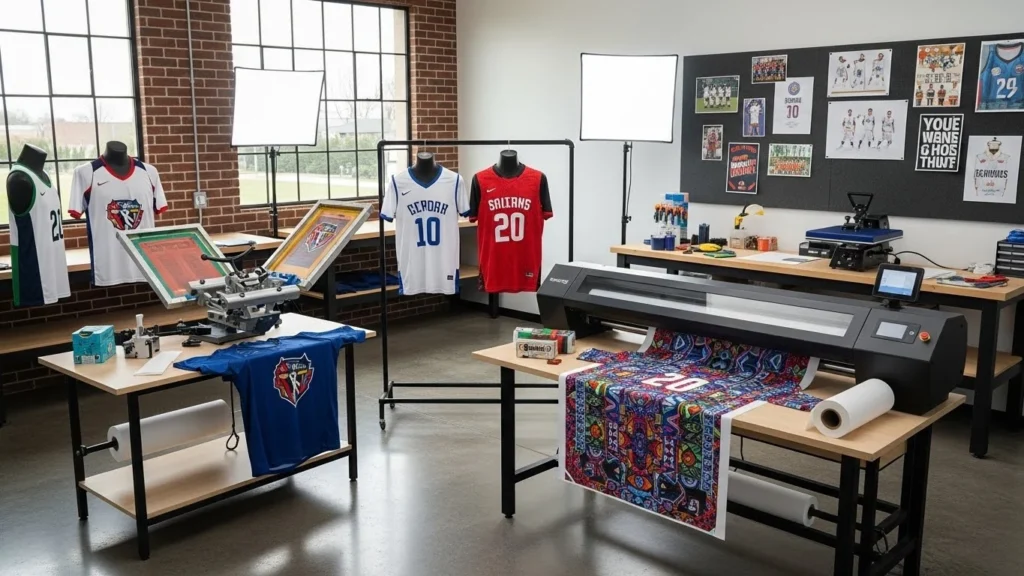
Different logo techniques perform differently depending on fabric type, stretch level, and garment usage. Selecting the correct method at the design stage is one of the most effective ways to prevent logo cracking and peeling.
Best Logo Printing Methods for Performance Apparel
Common logo application options include:
-
Heat transfer vinyl
-
Screen printing
-
Silicone transfers
-
Sublimation printing
-
Embroidery
Each method has specific advantages and limitations. For example, sublimation integrates the logo into polyester fibers, making fading and peeling almost impossible. Industry textile resources like Textile World discuss how different printing methods interact with synthetic fabrics.
When Embroidery Works Better Than Printed Logos
Embroidery offers high durability for hoodies, jackets, and thicker fabrics. However, embroidery may restrict stretch in high-mobility areas, making it less suitable for compression garments and lightweight sportswear.
Brands often review real-world application examples and testing methods with manufacturing partners during product development, similar to the sample evaluation workflows followed by professional custom apparel producers.
Fabric Compatibility and Its Impact on Logo Durability
Fabric choice directly affects how well logos adhere and perform over time. Stretchy, moisture-wicking materials behave differently than cotton or fleece.
How Stretch Fabrics Affect Logo Durability
Performance fabrics stretch during wear and washing. If logo films or inks lack elasticity, the logo layer cracks as the garment flexes. This is especially common in:
-
Compression wear
-
Leggings and tights
-
Performance jerseys
-
Activewear tops
Using stretch-compatible inks and flexible transfer materials reduces stress on the logo layer.
Moisture-Wicking Fabrics and Logo Adhesion
Moisture-wicking fabrics often contain chemical treatments or special coatings. If logo materials are not compatible, adhesion weakens, leading to peeling after repeated washes. International textile standards organizations such as ISO provide guidance on fabric performance testing and material compatibility.
Production Errors That Cause Logo Peeling
Even high-quality materials fail when production processes are inconsistent. Logo peeling is often linked to poor heat application or rushed production cycles.
Heat Press Errors That Cause Logo Peeling on Sportswear
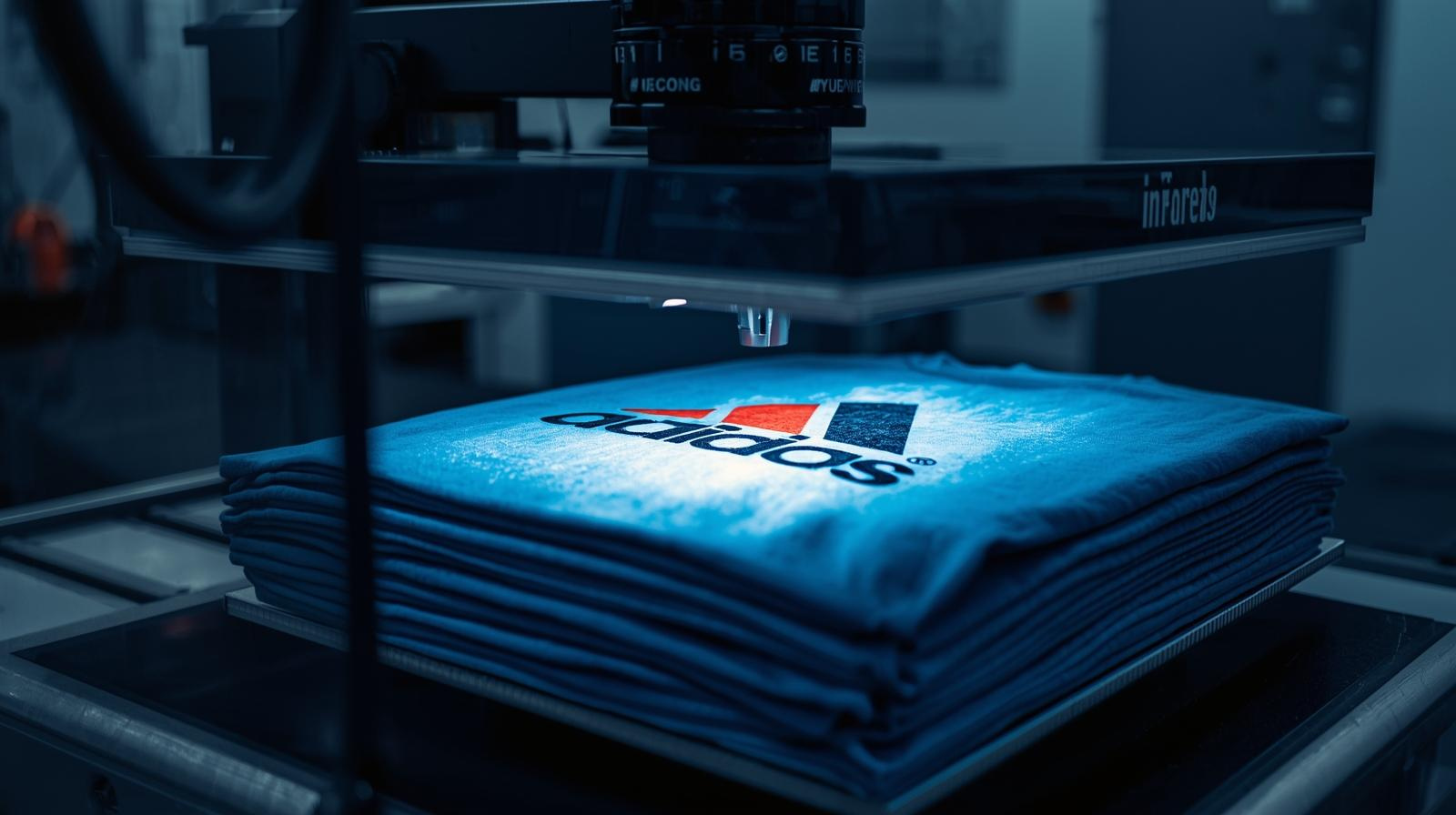
Incorrect heat press settings are one of the most common causes of logo failure. Problems include:
-
Insufficient temperature preventing proper bonding
-
Uneven pressure causing partial adhesion
-
Overheating that weakens adhesive layers
Manufacturers reduce these risks by following standardized heat application protocols and performing test presses before full production runs, a practice emphasized in professional quality systems such as those promoted by WRAP compliance frameworks.
Cooling and Curing Time After Logo Application
Logos require proper curing and cooling time to achieve full bond strength. Handling garments too quickly after pressing can weaken adhesion and cause premature peeling. Allowing sufficient rest time ensures the logo bonds permanently to the fabric surface.
Washing and Care Tips to Prevent Logo Fading on Sportswear
Logo fading often occurs due to repeated exposure to detergents, heat, and friction. While some fading is natural over time, premature fading usually signals production or care issues.
Best Washing Practices to Protect Logos
To preserve logo color and clarity, brands should educate customers on proper garment care. Recommended practices include:
-
Washing inside out
-
Using cold water cycles
-
Avoiding harsh detergents
-
Skipping fabric softeners
-
Air drying instead of tumble drying
Many apparel brands include care instructions based on global garment care standards referenced by organizations such as the International Association for Textile Care Labeling.
Using High-Quality Inks and Pigments
Low-grade inks fade faster when exposed to detergents and UV light. Premium sportswear manufacturers use fade-resistant pigments and UV-stable inks to extend logo lifespan, particularly for outdoor and training apparel exposed to sunlight.
Quality Control Checks That Prevent Logo Defects
Implementing logo-specific quality checks during production significantly reduces the risk of cracking, peeling, and fading. Regular testing helps reduce logo cracking on sportswear during long-term use.
In-Line Logo Inspection During Manufacturing
Effective in-line checks include:
-
Visual inspection of logo alignment
-
Adhesion testing on random samples
-
Stretch testing on printed areas
-
Wash testing before bulk approval
These checks are often built into professional sportswear production workflows used by established manufacturers such as Bushi Sports.
Pre-Production Sample Testing for Logo Durability
Before approving bulk production, brands should request:
-
Wash-tested samples
-
Stretch-tested samples
-
Abrasion-tested samples
This helps identify logo weaknesses early, preventing costly rework and product returns.
Logo Placement Strategy for Long-Lasting Results
Where a logo is placed on a garment affects how much stress it experiences. High-movement zones increase the risk of cracking and peeling.
Best Logo Placement on Sportswear Garments
Logos perform best when placed on areas with limited stretch and friction, such as:
-
Upper chest
-
Sleeve panels
-
Upper back areas
-
Non-stretch fabric zones
Avoid placing logos directly over high-flex areas like waistbands, elbows, or high-stretch seams.
Design Considerations for Flexible Logo Areas
When logos must be placed on stretch zones, brands should opt for:
-
Silicone-based transfers
-
Stretchable inks
-
Smaller logo sizes
-
Flexible film materials
These design choices reduce stress concentration and improve logo longevity.
Packaging and Storage Practices That Protect Sportswear Logos
Logos can be damaged even before garments reach customers if storage and packaging conditions are poor.
How Packaging Can Cause Logo Cracking
Improper folding can cause logo creases, especially with thick transfers. Stacking heavy garments on top of logo-printed areas may also cause pressure damage. Packaging strategies discussed by Packaging Europe highlight how protective packaging improves product presentation and durability.
Temperature and Humidity Control in Warehousing
Extreme temperatures and humidity can weaken adhesives and fade inks during storage. Climate-controlled warehousing reduces these risks and protects logo quality throughout the supply chain.
Why Brands Trust Professional Sportswear Manufacturers for Logo Quality
Many apparel brands struggle with logo durability when working with inexperienced suppliers. Professional sportswear manufacturers offer:
-
Proven logo application techniques
-
Tested material compatibility
-
In-house quality control systems
-
Consistent production standards
Brands often prefer experienced production partners like Bushi Sports due to their structured workflows, sample testing processes, and focus on long-term product durability.
Common Mistakes That Lead to Logo Damage
Avoiding common production and design mistakes helps preserve logo quality:
-
Choosing logo methods based only on cost
-
Skipping wash testing
-
Ignoring fabric compatibility
-
Overlooking heat press calibration
-
Rushing production timelines
Addressing these mistakes early protects brand reputation and reduces customer complaints.
Long-Term Strategies for Maintaining Logo Quality
Sustainable logo quality is achieved through process discipline and continuous improvement.
Effective long-term strategies include:
-
Developing detailed logo application standards
-
Training production staff regularly
-
Maintaining consistent supplier partnerships
-
Collecting customer feedback on logo performance
-
Periodically updating logo materials and methods
As brands grow, refining these processes ensures consistent logo performance across collections and seasons.
Final Thoughts on Preventing Logo Cracking, Peeling, and Fading
Logo durability is not just a technical detail—it directly influences brand credibility, customer trust, and product perceived value. By choosing the right logo application method, matching materials to fabrics, enforcing production quality checks, and educating customers on proper care, brands can significantly reduce logo cracking, peeling, and fading.
For private label sportswear brands and custom apparel companies, investing in professional manufacturing processes and long-term production partnerships creates a strong foundation for consistent logo quality. With the right systems in place, your brand’s logo can remain as strong and recognizable as the garments themselves.