Introduction: Why Production Delays in Custom Apparel Matter
Production delays in custom apparel can quietly turn a profitable project into a stressful and costly experience. Whether you are launching a new sportswear line, fulfilling bulk team orders, or restocking inventory for a growing eCommerce brand, delays affect more than just timelines. They impact cash flow, customer trust, marketing schedules, and long-term brand reputation. In today’s fast-moving apparel industry, speed and reliability are just as important as design and quality.
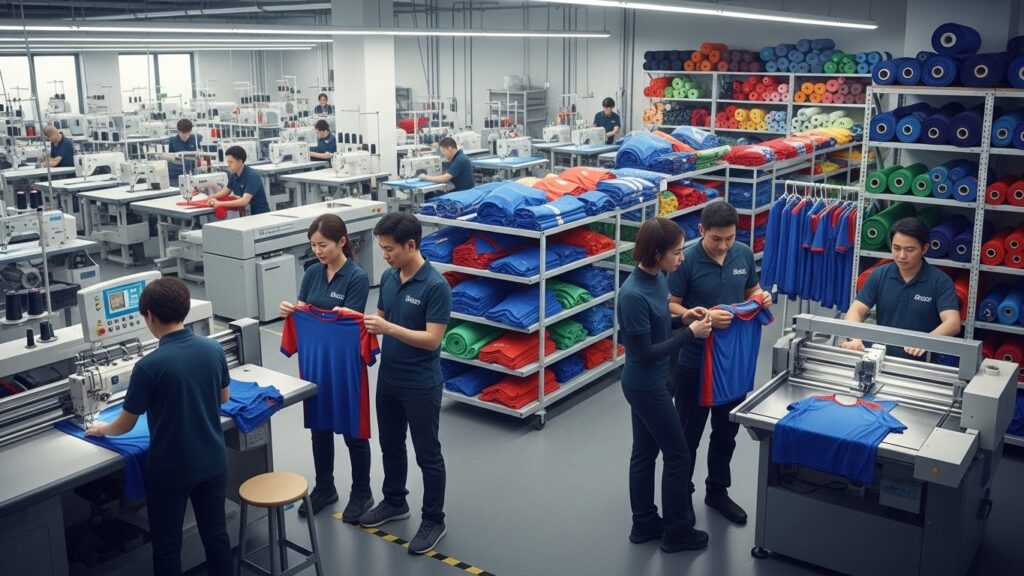
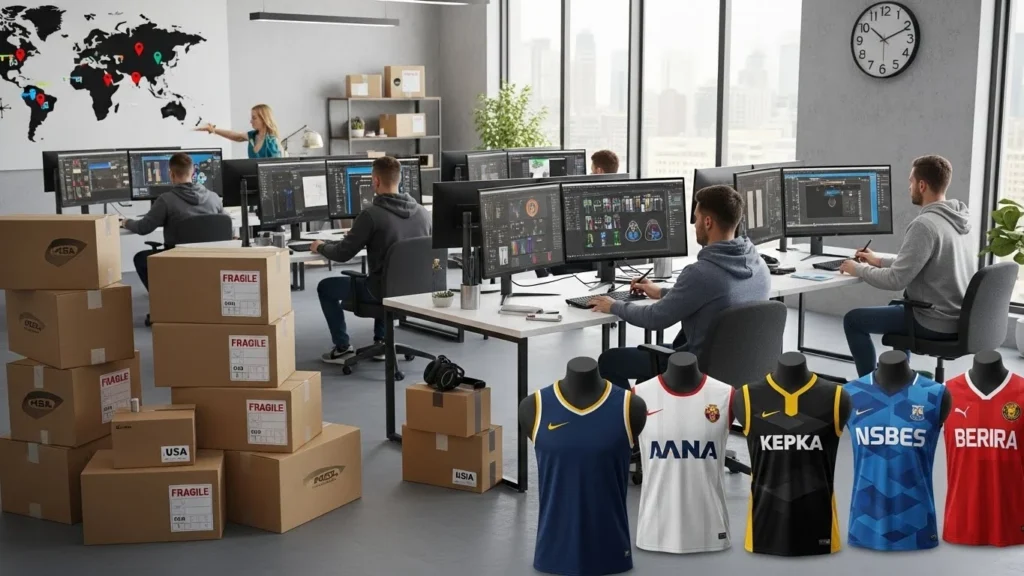
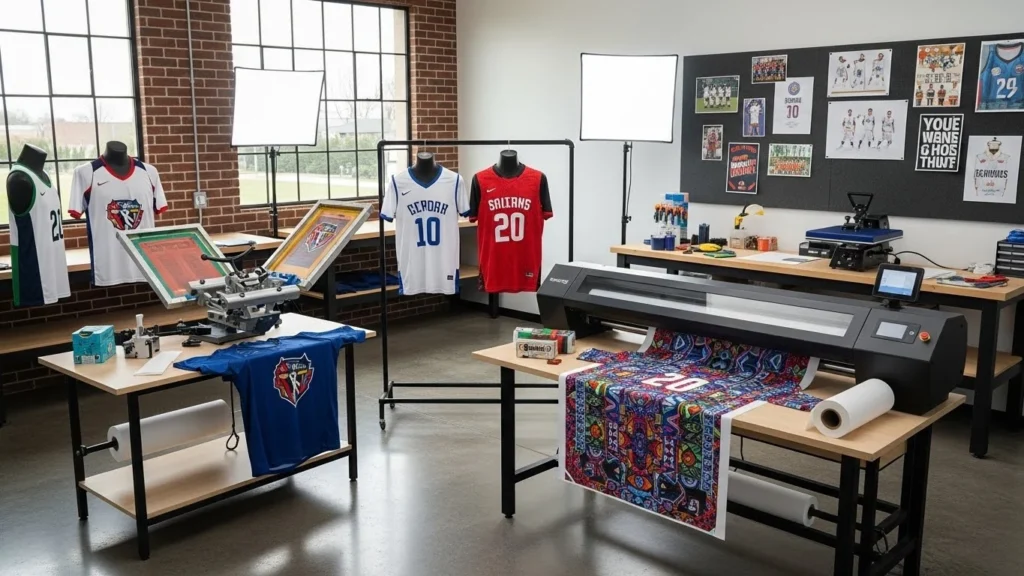
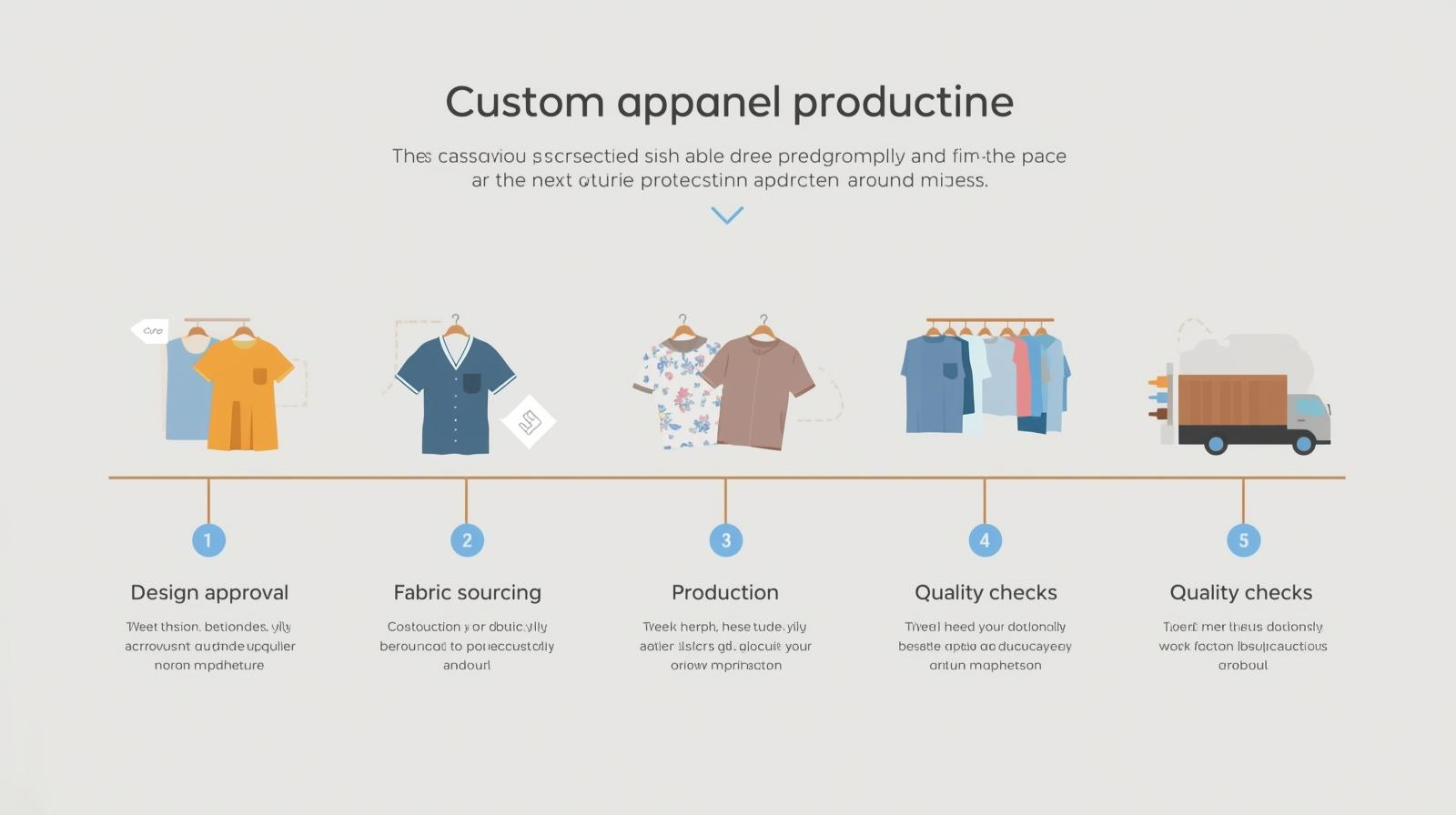
Custom apparel manufacturing involves multiple moving parts, from design approvals and material sourcing to printing, stitching, quality control, and final shipping. Even a small bottleneck in one stage can ripple across the entire production timeline. Brands that understand how these processes connect are better positioned to prevent issues before they happen. Many successful labels streamline their workflows by learning from experienced manufacturers and adopting structured production planning methods used across the global apparel industry.
In this guide, you will learn how to avoid production delays in custom apparel by focusing on practical planning, clear communication, and proven operational strategies that keep your supply chain moving smoothly.
Understanding the Root Causes of Production Delays in Custom Apparel
Before you can prevent production delays in custom apparel, it is essential to understand where delays usually originate. Most production setbacks are not caused by a single major failure but by a series of small, avoidable issues that compound over time.
Common causes include:
-
Late design approvals or frequent last-minute changes
-
Incomplete or unclear technical specifications
-
Delays in fabric or trim sourcing
-
Production bottlenecks during printing, embroidery, or stitching
-
Quality issues that require rework
-
Poor coordination between brand teams and manufacturers
-
Shipping and logistics disruptions
When brands underestimate the complexity of the production cycle, they often set unrealistic timelines. This creates pressure on factories and increases the likelihood of mistakes. Industry benchmarks and quality frameworks promoted by international manufacturing standards bodies highlight the importance of process control and documentation to reduce such risks.
Understanding these root causes helps you design a production strategy that addresses potential weak points before they escalate into costly delays.
Plan Your Custom Apparel Production Timeline Early
One of the most effective ways to avoid production delays in custom apparel is to plan your timeline well in advance. Rushed timelines often lead to rushed decisions, which increase the chances of errors, miscommunication, and production slowdowns.
Start by breaking your project into clear stages:
-
Concept and design development
-
Sample creation and approval
-
Material sourcing and procurement
-
Bulk production scheduling
-
Quality inspections
-
Packaging and shipping
Each stage should have realistic deadlines with built-in buffer time. Buffer periods are especially important during material sourcing and sample approvals, as these stages frequently experience unforeseen delays. Brands that work with professional sportswear manufacturers often benefit from structured production roadmaps that outline each step of the process clearly. Learn More!
By mapping your production timeline in detail, you create transparency for both your internal team and your manufacturing partner, reducing the risk of surprises later.
Finalize Designs and Specifications Before Production Begins
Unclear or changing designs are a major contributor to production delays in custom apparel. Every time a design is revised after production planning has begun, it can disrupt sourcing, printing setups, and stitching workflows.
To minimize this risk:
-
Lock your designs before confirming production
-
Provide detailed tech packs with measurements, color codes, and fabric types
-
Clearly specify printing or embroidery methods
-
Confirm placement of logos, labels, and packaging details
A well-prepared technical package helps manufacturers move forward without needing repeated clarifications. Many apparel production delays happen because factories must pause work to seek confirmation on missing or conflicting details. Clear documentation reduces back-and-forth communication and accelerates production readiness.
Brands that invest time upfront in design finalization often experience smoother production cycles and more predictable delivery schedules.
Choose Reliable Custom Apparel Manufacturing Partners
Your choice of manufacturing partner plays a crucial role in whether you experience production delays in custom apparel. Not all factories operate with the same level of efficiency, transparency, and quality control. Partnering with a manufacturer that understands your market and production needs can significantly reduce operational friction.
When evaluating manufacturers, consider:
-
Their experience with similar apparel categories
-
Production capacity and scalability
-
Communication practices and responsiveness
-
Quality assurance processes
-
Ability to meet international compliance standards
Working with established sportswear production partners allows brands to benefit from refined workflows and tested production systems. Visit here!
Reliable manufacturers are proactive in identifying potential bottlenecks and suggesting alternative solutions when issues arise.
Building long-term relationships with your manufacturing partners also improves trust and collaboration, which can be invaluable when navigating tight timelines or complex customizations.
Align Material Sourcing with Production Schedules
Material delays are one of the most common reasons behind production delays in custom apparel. Fabric shortages, color mismatches, or late delivery of trims can halt production entirely. To avoid this, brands must align sourcing schedules with manufacturing timelines.
Key strategies include:
-
Confirming fabric availability before finalizing production dates
-
Using standardized materials when possible to reduce sourcing time
-
Approving lab dips and strike-offs early
-
Building relationships with reliable material suppliers
The global textile supply chain can be affected by seasonal demand, shipping disruptions, and geopolitical factors. Keeping an eye on broader textile industry trends helps brands anticipate potential sourcing challenges and plan accordingly.
Proactive material planning ensures that production lines are not left waiting for essential components, helping maintain steady output.
Implement Strong Communication Workflows
Communication gaps between brands and manufacturers are a silent driver of production delays in custom apparel. Misunderstandings about quantities, specifications, or deadlines can result in rework, missed milestones, and strained relationships.
To improve communication:
-
Establish a single point of contact on both sides
-
Use shared project management tools or production trackers
-
Schedule regular production updates and milestone reviews
-
Document all approvals and changes in writing
Consistent communication creates alignment and accountability. It also allows issues to be identified early, when they are easier and less costly to resolve. Brands that maintain structured communication channels with their production partners often experience fewer disruptions and smoother delivery cycles.
Strengthen Quality Control to Prevent Rework Delays
Quality issues can cause significant production delays in custom apparel. If defects are discovered late in the process, garments may need to be reworked or remade, which extends timelines and increases costs. Implementing quality control at multiple stages helps catch problems early.
Effective quality control practices include:
-
Inspecting materials upon arrival
-
Reviewing samples before bulk production
-
Conducting in-line quality checks during production
-
Performing final inspections before packaging
Global manufacturing guidelines emphasize continuous quality monitoring as a key driver of production efficiency and reliability. When quality is built into each stage of the workflow, brands reduce the likelihood of last-minute corrections that can derail delivery schedules.
Use Technology to Improve Production Visibility
Digital tools can play a powerful role in avoiding production delays in custom apparel. Production management software, shared dashboards, and real-time reporting systems provide visibility into each stage of the manufacturing process.
Technology can help you:
-
Track production progress in real time
-
Monitor inventory and material availability
-
Identify bottlenecks early
-
Coordinate logistics more effectively
As the apparel industry becomes more data-driven, brands that embrace digital workflows gain a competitive advantage. Access to real-time insights allows decision-makers to intervene early when delays are likely, rather than reacting after timelines have already slipped.
Build Flexibility into Your Production Strategy
Even with the best planning, unexpected disruptions can still occur. Shipping delays, equipment breakdowns, or sudden demand changes are part of the manufacturing reality. Brands that build flexibility into their production strategies are better equipped to absorb shocks without major disruptions.
Ways to build flexibility include:
-
Maintaining buffer stock for critical materials
-
Working with multiple suppliers or production partners
-
Scheduling production in phases rather than one large batch
-
Allowing contingency time in launch calendars
Flexibility does not mean inefficiency. It means designing your production system to adapt when conditions change. Brands that rely on experienced manufacturing partners often gain access to contingency options that help keep projects on track during unforeseen challenges such as Bushi Sports.
Coordinate Shipping and Logistics Early
Logistics planning is often treated as an afterthought, yet shipping issues can cause some of the most frustrating production delays in custom apparel. Delays at ports, customs clearance issues, or incorrect documentation can extend delivery timelines well beyond production completion.
To minimize logistics-related delays:
-
Confirm shipping methods and timelines early
-
Prepare documentation in advance
-
Factor in customs clearance and regulatory requirements
-
Work with experienced freight partners
Global trade regulations and shipping standards can influence delivery schedules, making it important to stay informed about international logistics practices. Early coordination with logistics partners ensures that finished products move smoothly from factory to destination without unnecessary hold-ups.
Build Long-Term Systems to Avoid Production Delays in Custom Apparel
Avoiding production delays in custom apparel is not just about solving one-off problems. It requires building long-term systems that support efficient planning, communication, and execution. Brands that treat production as a strategic function rather than a transactional process tend to experience more consistent outcomes.
Long-term improvements may include:
-
Developing standardized production workflows
-
Creating reusable tech packs and documentation templates
-
Establishing preferred supplier and manufacturer lists
-
Training internal teams on production management best practices
By investing in operational maturity, brands create a foundation for sustainable growth. Over time, these systems reduce dependency on crisis management and enable smoother, more predictable production cycles.
Conclusion: Creating Reliable Custom Apparel Production Timelines
Production delays in custom apparel are not inevitable. With thoughtful planning, strong partnerships, and structured workflows, brands can significantly reduce the risk of missed deadlines and disrupted launches. The key lies in understanding the interconnected nature of the production process and addressing potential weak points before they become critical failures.
From early design finalization and material planning to communication alignment and quality control, each step contributes to the overall reliability of your production timeline. Brands that collaborate with experienced manufacturing partners and follow global best practices build more resilient supply chains capable of meeting modern market demands.
By adopting these strategies, you position your custom apparel projects for smoother execution, timely delivery, and long-term success in a competitive and fast-paced industry.