Quality Control Practices in Modern Sportswear Manufacturing
Sportswear quality control is the foundation of reliable custom apparel production. In bulk manufacturing, even small inconsistencies can turn into large-scale issues that affect brand credibility, delivery timelines, and customer satisfaction. Brands sourcing custom kits, training wear, and performance apparel depend on structured quality systems to ensure each piece meets both functional and aesthetic standards.
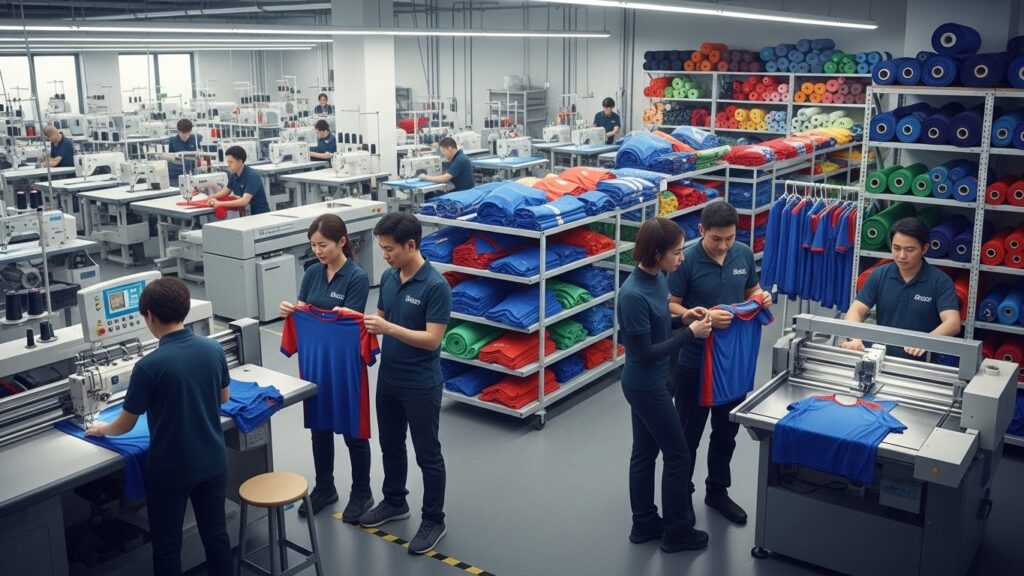
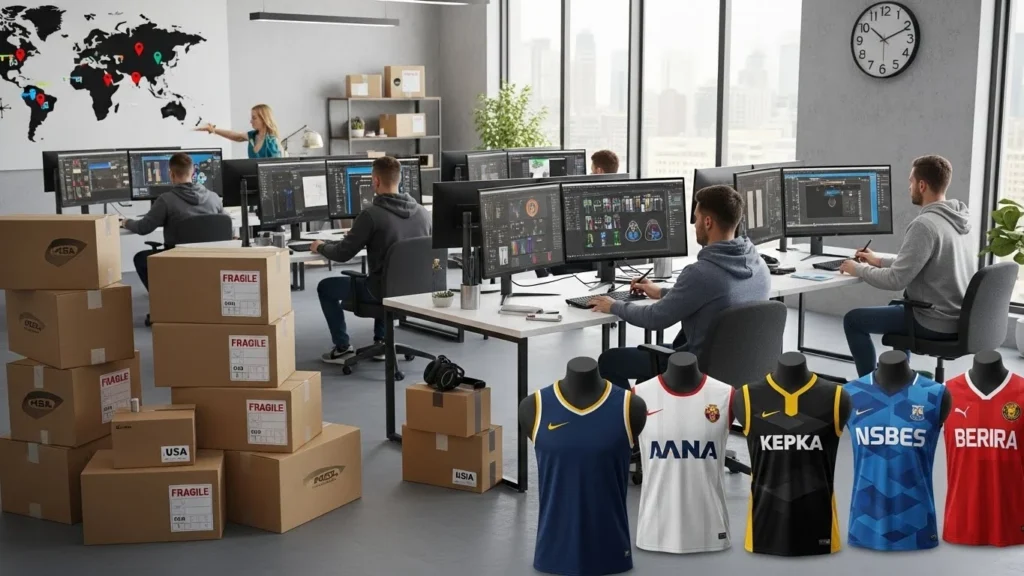
As production volumes increase, the margin for error narrows. Leading manufacturers integrate quality control processes across every stage of manufacturing, from fabric inspection to final packaging. Businesses partnering with professional custom sportswear manufacturers such as Bushi Sports benefit from structured production workflows that minimize defects and improve consistency across repeat orders.
Quality control also directly influences athlete comfort and performance. Factors such as breathability, moisture management, stretch recovery, and seam strength are all tied to manufacturing accuracy. Manufacturers that align with internationally recognized production standards from organizations like ISO ensure their processes meet global benchmarks for textile quality and safety.
Why Sportswear Quality Control Matters for Brands
Sportswear quality control is not just a factory-level process; it is a brand protection strategy. Poor manufacturing quality leads to high return rates, damaged brand reputation, and increased operational costs. In contrast, strong quality systems help brands maintain trust with teams, retailers, and end users.
Brands that fail to implement strong quality checks often face:
-
Inconsistent sizing across different production batches
-
Color mismatches that weaken brand identity
-
Print defects that reduce product appeal
-
Fabric issues that shorten garment lifespan
-
Production delays caused by rework and corrections
Manufacturers that follow best practices discussed in textile manufacturing research from platforms like Textile World are better equipped to maintain production consistency and manage large-scale orders effectively.
Key Stages in the Production Workflow
Sportswear quality control is a multi-stage process applied throughout the manufacturing lifecycle. Each stage plays a critical role in ensuring the final garment meets performance and durability standards.
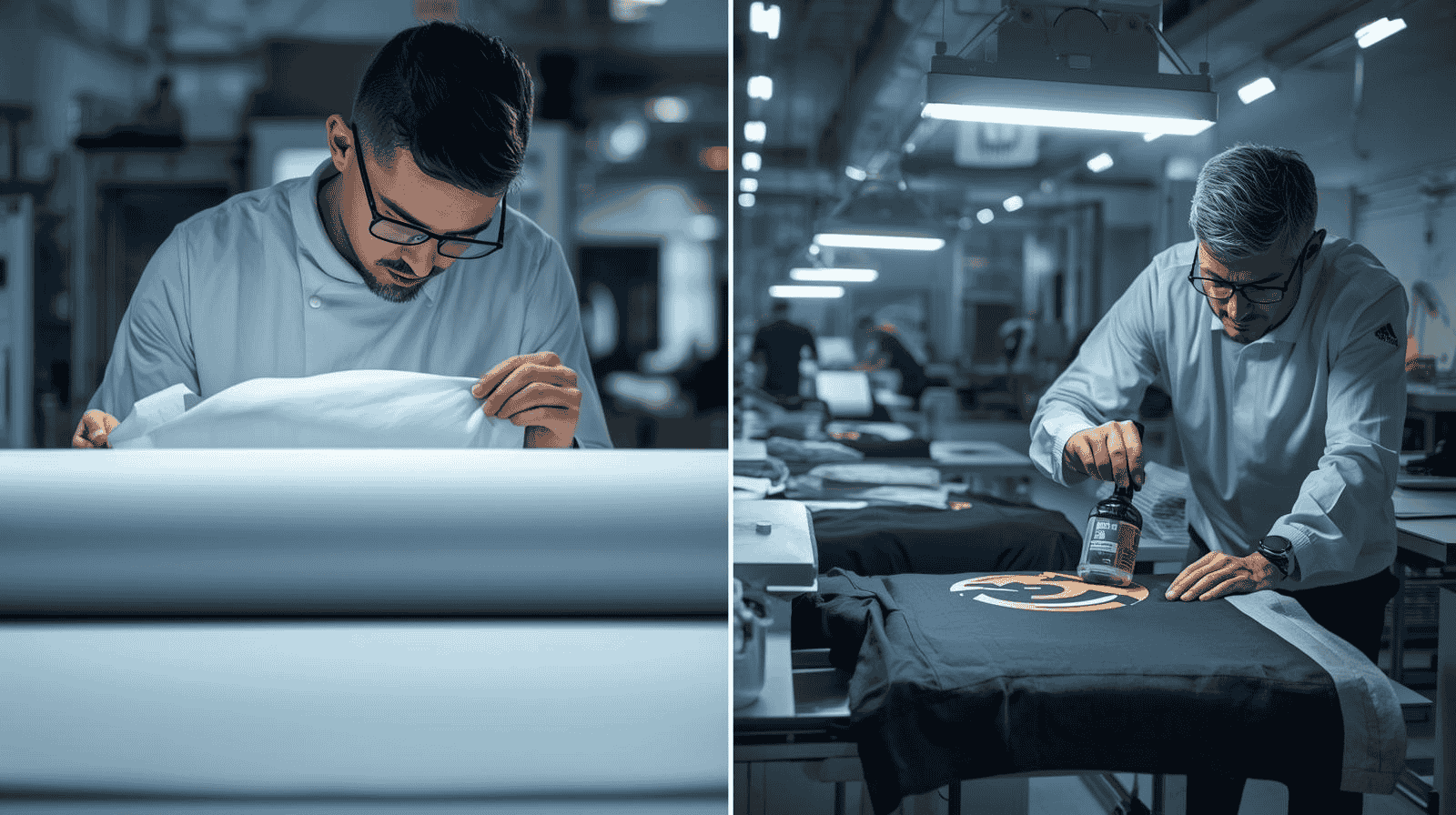
Raw Material Inspection and Fabric Testing
Quality begins with fabric and trims. Before production starts, materials are inspected for:
-
Fabric composition and weight consistency
-
Colorfastness and dye stability
-
Stretch performance and recovery
-
Breathability and moisture-wicking properties
-
Resistance to pilling and abrasion
Manufacturers sourcing performance fabrics from global textile markets rely on industry insights shared by platforms like Fibre2Fashion to evaluate material quality and supplier reliability.
Sampling and Pre-Production Approval Process
Sampling ensures that the design concept translates accurately into a wearable product. Prototype garments help verify:
-
Fit accuracy across size ranges
-
Print placement and clarity
-
Stitching strength and seam durability
-
Comfort during movement and performance testing
Brands working with experienced custom sportswear manufacturers such as Bushi Sports benefit from structured sampling workflows that reduce the risk of costly design errors during full-scale production.
In-Process Checks During Garment Manufacturing
During manufacturing, continuous inspections help catch defects early. These checks typically focus on:
-
Cutting accuracy to prevent sizing inconsistencies
-
Printing alignment and color consistency
-
Stitching tension and seam reinforcement
-
Panel assembly symmetry
Manufacturers following global supply chain quality frameworks discussed in economic development research by organizations like the World Bank emphasize transparency and process standardization to improve manufacturing outcomes.
Printing and Branding Accuracy Checks
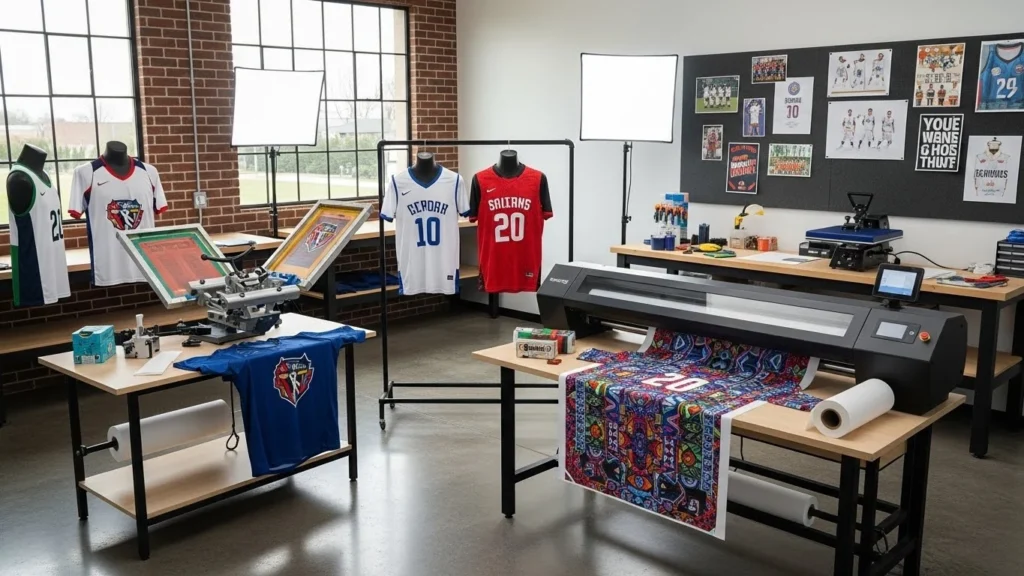
Printing quality directly affects brand visibility and product perception. Whether using sublimation, screen printing, or heat transfer methods, maintaining consistency across batches is essential.
Key printing quality checks include:
-
Color accuracy across production runs
-
Ink bonding strength and penetration
-
Resistance to fading, cracking, or peeling
-
Alignment of logos, names, and numbers
Brands sourcing sublimation-based custom kits from professional sportswear manufacturers such as Bushi Sports benefit from controlled printing environments that reduce variation and improve durability.
Fit and Sizing Accuracy in Sportswear Manufacturing
Fit consistency is one of the most common quality challenges in custom sportswear production. Even small measurement errors can impact comfort, movement, and athlete performance.
Quality teams manage sizing accuracy by:
-
Maintaining standardized size charts
-
Conducting random fit audits during production
-
Testing garments on real users
-
Monitoring tolerance limits for stretch fabrics
Brands that prioritize sizing accuracy experience fewer returns and stronger customer loyalty across team and retail segments.
Final Inspection and Packaging in Sportswear Quality Control
Before shipment, finished garments undergo final quality checks to ensure they meet all production standards. Final inspection includes:
-
Visual checks for stains, misprints, or loose threads
-
Measurement verification against approved size charts
-
Fabric surface inspection for defects
-
Packaging accuracy for sorting and labeling
Professional packaging improves protection during transport and enhances the unboxing experience for teams and retailers.
Common Quality Challenges in Sportswear Production
Even well-managed production systems face quality challenges, including:
-
Variability in raw material supply
-
Human error during stitching and assembly
-
Color drift in large production batches
-
Communication gaps between design and production teams
Manufacturers that invest in workforce training, standardized documentation, and continuous process improvement are better positioned to manage these risks effectively.
Technology and the Future of Sportswear Quality Control
Technology is transforming how quality control is managed in modern sportswear manufacturing. Digital tools improve traceability and accuracy across production stages.
Advancements include:
-
Digital measurement systems for sizing consistency
-
Color management software for printing accuracy
-
Automated fabric inspection machines
-
Production tracking systems for real-time quality monitoring
Brands partnering with technology-driven manufacturers benefit from improved transparency, fewer defects, and greater production efficiency.
Why Bushi Sports Prioritizes Sportswear Quality Control
Bushi Sports emphasizes structured sportswear quality control across fabric sourcing, printing, stitching, and final inspection. By maintaining transparent workflows and standardized production practices, Bushi Sports supports brands seeking long-term manufacturing partnerships rather than one-time transactional sourcing.
This commitment to quality-driven manufacturing helps ensure that custom kits, training wear, and team uniforms maintain consistent performance standards across multiple production cycles, reducing reorders caused by defects and inconsistencies.
Long-Term Brand Growth Through Quality Control of Sportwear
Apparel quality control supports sustainable brand growth by improving customer satisfaction and operational efficiency. Brands that prioritize manufacturing quality benefit from:
-
Stronger customer trust
-
Lower return and complaint rates
-
Improved product durability
-
Greater confidence when scaling production
In competitive global sportswear markets, consistent quality becomes a long-term differentiator that supports brand expansion.
Conclusion: Ensuring Reliable Production Through Strong Quality Control
Quality assurance in Sportswear is the backbone of successful custom apparel manufacturing. From raw material inspection to final packaging, every stage of production influences product performance and brand perception. Brands that partner with manufacturers committed to structured quality systems gain reliability, consistency, and long-term growth potential.
By aligning with professional sportswear manufacturers that prioritize quality-driven production, businesses can confidently scale their product lines while maintaining high standards across every order.