How Professional Packaging Adds Value to Sportswear Brands
Professional packaging for sportswear plays a far bigger role in brand perception, product protection, and customer experience than many apparel businesses realize. In today’s highly competitive sportswear market, where products often look similar in design and performance, packaging has become a powerful differentiator. It is the first physical interaction customers have with your brand, whether they are retail buyers, team managers, or international distributors receiving bulk shipments.
Beyond aesthetics, professional packaging directly impacts logistics efficiency, product safety, retail presentation, and even long-term brand loyalty. Brands that treat packaging as an afterthought often face higher return rates, damaged goods, and weaker shelf presence. On the other hand, sportswear companies that invest in structured, professional packaging strategies create a more premium and trustworthy brand image while improving operational efficiency across their supply chain.
Why Professional Packaging for Sportswear Matters
Professional packaging for sportswear is not just about “looking good.” It serves multiple functional and commercial purposes across the product lifecycle, from factory dispatch to final customer unboxing.
At a practical level, packaging:
-
Protects garments during storage and transportation
-
Prevents moisture damage, dust exposure, and creasing
-
Organizes bulk orders for easier warehousing and inventory handling
From a brand perspective, packaging:
-
Reinforces brand identity
-
Enhances perceived product value
-
Improves customer experience at the point of delivery
-
Creates consistency across retail and wholesale channels
Sportswear brands that supply teams, academies, and retailers benefit greatly when their packaging communicates professionalism and reliability. Many manufacturers that offer complete production solutions, such as custom sportswear manufacturing, integrate packaging design into their service offerings to ensure products reach buyers in optimal condition.
Branding Elements in Professional Sportswear Packaging
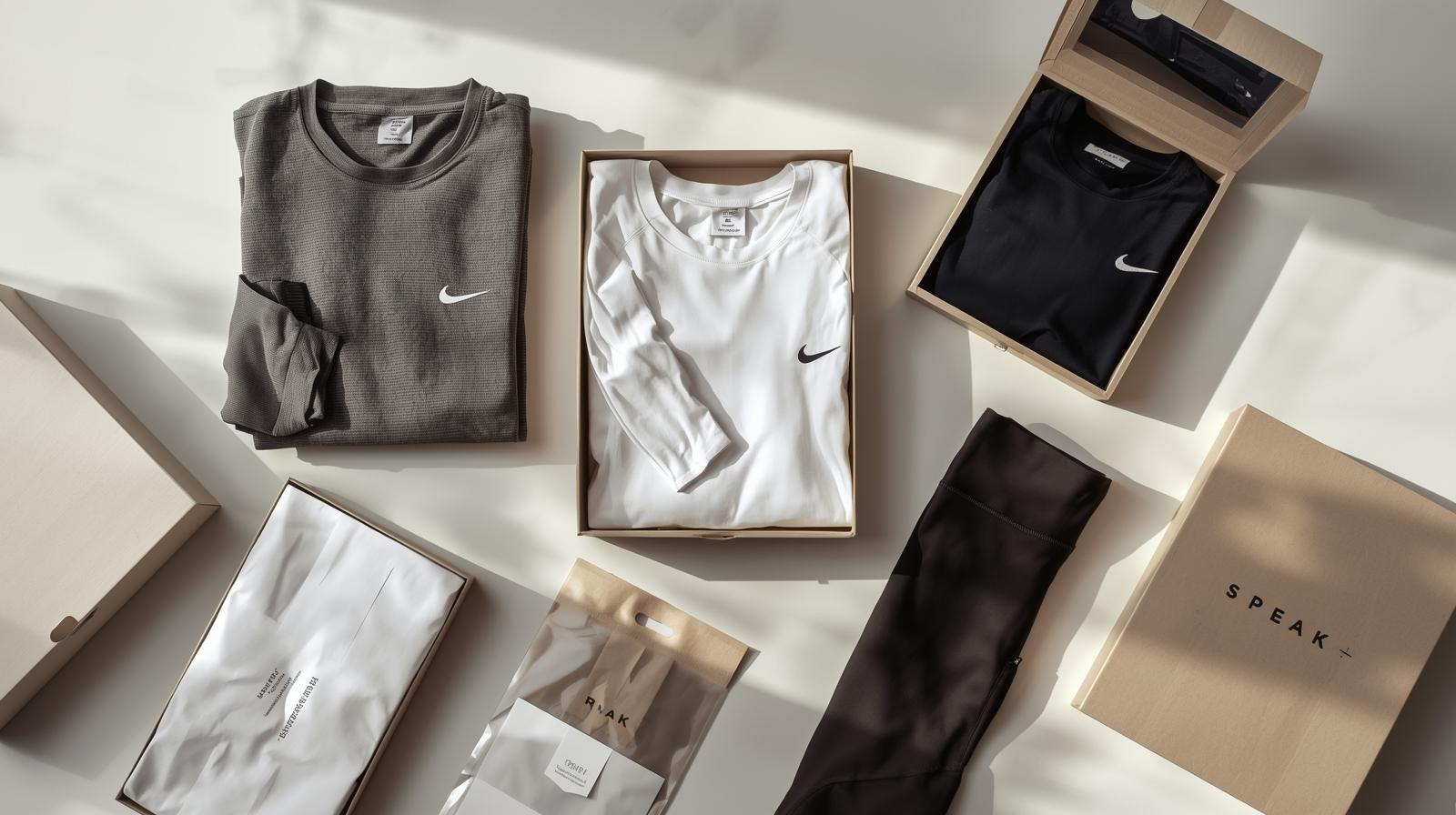
Strong branding elements such as consistent color palettes, logo placement, and packaging structure play a major role in shaping how customers perceive a sportswear brand. When packaging is thoughtfully designed, it reinforces brand identity across retail shelves, eCommerce deliveries, and international shipments. High-quality presentation builds familiarity and trust, helping customers associate the product with professionalism and reliability even before they experience the garment itself.
How Packaging Shapes Brand Perception
Packaging is a silent brand ambassador. Before customers evaluate fabric quality or fit, they experience your brand through packaging. In the sportswear industry, where buyers often deal with multiple suppliers, packaging quality subtly signals the professionalism of the manufacturer and the seriousness of the brand.
Professional packaging for sportswear influences:
-
Perceived product quality
-
Brand trust and reliability
-
Willingness to reorder
-
Retail partner confidence
A clean, well-structured package with consistent branding builds immediate credibility. For B2B buyers, packaging that simplifies sorting and distribution adds operational value, making them more likely to choose your brand again for future bulk orders.
Industry insights into packaging design trends and functionality can be found through packaging and textile resources such as Textile World, which highlight how packaging increasingly contributes to brand positioning in competitive markets.
Protecting Sportswear During Storage and Shipping
Sportswear is often produced in large quantities and shipped across long distances. Without professional packaging, products are exposed to damage risks that can quickly erode profit margins.
Effective packaging helps protect against:
-
Fabric contamination
-
Moisture exposure
-
Color transfer between garments
-
Wrinkling and deformation
-
Physical damage during transit
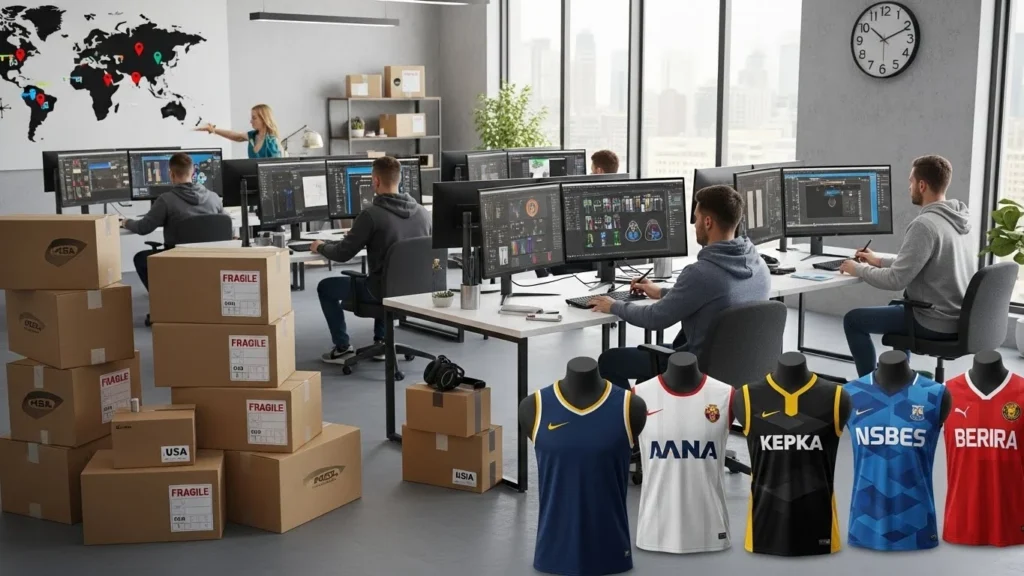
For international shipments, packaging standards also influence how smoothly goods pass through customs and logistics checkpoints. Brands exporting sportswear benefit from packaging that aligns with international logistics practices, reducing the risk of shipment delays.
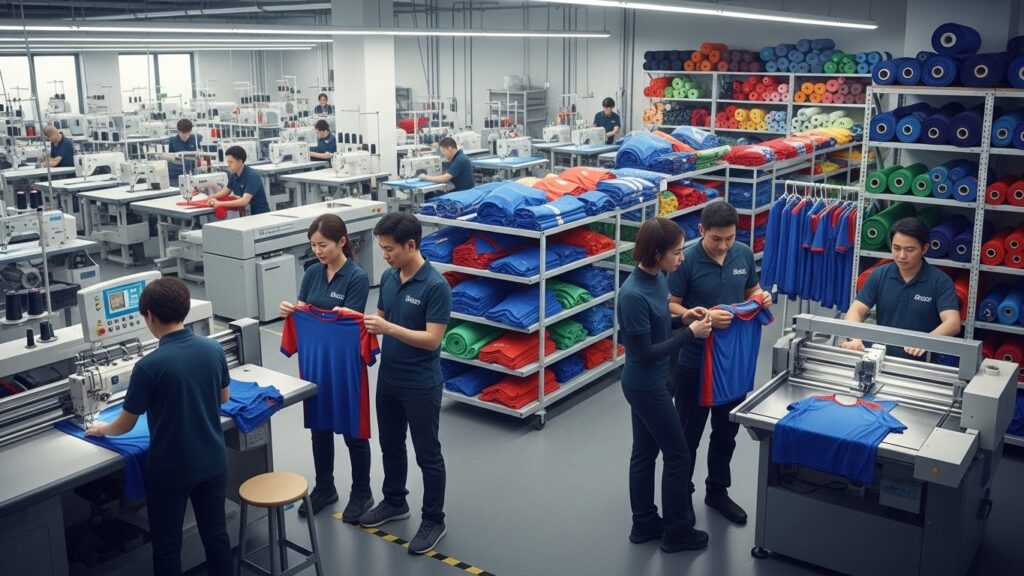
Manufacturers that handle both production and packaging ensure that garments leave the facility ready for domestic and global distribution. This integrated approach reduces the need for repackaging at later stages of the supply chain.
How Professional Packaging Supports Retail Success
For sportswear brands selling through retail channels, packaging contributes directly to shelf presence and retail readiness. Retail buyers expect products to arrive in packaging that aligns with store display requirements and inventory systems.
Professional packaging for sportswear can:
-
Improve in-store presentation
-
Simplify product handling for retail staff
-
Support barcode scanning and inventory management
-
Reduce unpacking and preparation time
Retailers are more likely to work with brands whose packaging is consistent, informative, and easy to manage. This becomes especially important for brands distributing custom jerseys, team kits, and training apparel through multi-location retail networks.
Packaging consistency also helps reinforce brand identity across physical and online retail environments, creating a cohesive customer experience.
The Role of Packaging in Customer Experience
In today’s digital-first market, customer experience begins long before the garment is worn. The unboxing moment has become a meaningful brand touchpoint, even in B2B transactions.
Well-designed packaging:
-
Creates a premium unboxing experience
-
Builds emotional connection with the brand
-
Reinforces brand values and positioning
-
Encourages social sharing and brand advocacy
For sportswear brands serving clubs, teams, and institutions, packaging that feels organized and professional enhances the perceived value of the entire order. This experience plays a role in long-term customer relationships and brand loyalty.
Sustainable Packaging and Brand Responsibility
Sustainability is becoming a core concern for both brands and buyers. Professional packaging for sportswear increasingly incorporates eco-conscious materials and responsible sourcing practices.
Brands are adopting:
-
Recyclable packaging materials
-
Reduced plastic usage
-
Minimalist packaging designs
-
Reusable packaging solutions for bulk orders
Sustainable packaging not only reduces environmental impact but also strengthens brand reputation among environmentally conscious buyers. Global sustainability frameworks promoted by organizations such as the International Organization for Standardization provide guidance for companies aiming to align packaging practices with international standards.
Operational Benefits of Structured Packaging Systems
From a logistics and operations perspective, professional packaging streamlines internal workflows and reduces inefficiencies. Standardized packaging formats allow manufacturers and distributors to manage inventory more effectively.
Operational benefits include:
-
Faster packing and dispatch processes
-
Reduced error rates in order fulfillment
-
Improved warehouse space utilization
-
Easier stock tracking and reconciliation
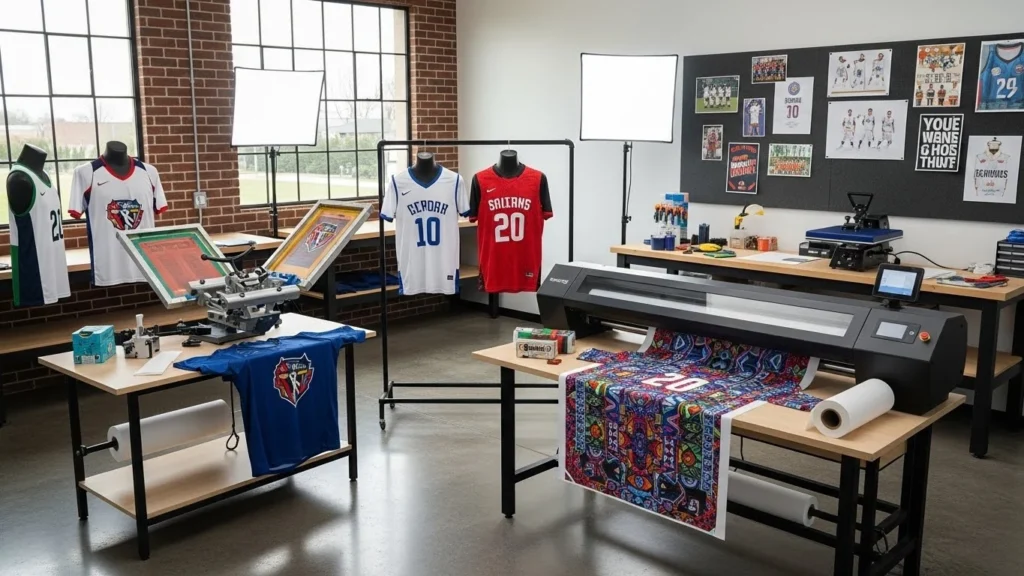
Brands that work with manufacturers offering end-to-end production and packaging support, including Bushi Sports sublimation printing services, benefit from smoother operations across their supply chain.
Functional Design for Sportswear Packaging at Scale
As brands grow, packaging must balance visual appeal with logistical efficiency. Functional design focuses on durability, space optimization, and ease of handling throughout storage and transportation. Well-structured packaging reduces the risk of damage, speeds up fulfillment, and supports smoother inventory management, especially when fulfilling bulk orders for retailers or distributors across different regions.
Why Bushi Sports Is Preferred by Global Buyers
Global buyers increasingly prefer manufacturing partners that understand packaging as part of the brand experience, not just a logistical necessity. Bushi Sports is often chosen by international clients because of its integrated approach to production, quality control, and packaging standards. By aligning packaging formats with export requirements, retail expectations, and brand identity, Bushi Sports helps brands reduce operational friction and enhance their market presentation. This consistency supports smoother global distribution and reinforces brand credibility in competitive sportswear markets.
Export Packaging Standards for Sportswear
Professional packaging plays a key role in export readiness for sportswear brands. Export packaging must meet specific durability, labeling, and documentation requirements to ensure smooth cross-border movement.
Export-ready packaging:
-
Protects garments during long transit
-
Meets labeling and compliance requirements
-
Supports efficient customs inspection
-
Reduces risk of shipment rejection
International trade guidelines, such as those provided by the World Trade Organization, emphasize the importance of proper packaging and documentation in global commerce. Brands that align packaging practices with export standards experience fewer logistical disruptions.
The Role of Technology in Modern Packaging
Technology is reshaping packaging workflows in sportswear manufacturing. Digital design tools, automated packing systems, and supply chain software enable brands to create more efficient and consistent packaging strategies.
Technological advancements include:
-
Automated packing and labeling systems
-
Digital inventory integration
-
Packaging design software for branding consistency
-
Track-and-trace solutions for logistics
These tools help manufacturers maintain packaging quality at scale, especially for bulk and export orders.
Choosing the Right Packaging Strategy
There is no one-size-fits-all solution when it comes to professional packaging for sportswear. The ideal packaging strategy depends on your brand’s distribution model, target markets, and positioning.
Consider:
-
Your primary sales channels (retail, B2B, online)
-
Export versus domestic distribution
-
Brand positioning (premium vs. value-driven)
-
Sustainability goals
-
Logistics and warehousing capabilities
Brands that align packaging strategies with long-term business objectives are better positioned to scale efficiently.
Final Thoughts on Packaging as a Brand Asset
Professional packaging for sportswear is far more than a finishing touch. It is a strategic asset that influences brand perception, customer experience, operational efficiency, and export readiness. As competition in the sportswear market intensifies, brands that invest in structured, professional packaging gain a tangible advantage.
By treating packaging as part of the overall brand and supply chain strategy, sportswear companies can protect product quality, enhance retail presentation, and build lasting relationships with buyers across global markets.