How 3D Apparel Design Technology Speeds Up Sportswear Production
Introduction
In today’s fast-moving sportswear industry, brands must balance quality, speed, and efficiency. Traditional product development processes—creating physical samples, testing fabrics, and revising patterns—can take weeks or even months. This is where 3D apparel design technology comes in. By allowing designers and manufacturers to visualize garments digitally, it drastically shortens lead times and improves accuracy.
The impact is particularly significant for sportswear, where fit, performance, and functionality are critical. Brands that leverage 3D design tools can test materials, simulate movement, and refine patterns without producing multiple physical samples. This reduces costs, speeds up production, and ensures products are ready for market faster.
What is 3D Apparel Design Technology?
3D apparel design technology is a digital approach to creating garments. Designers can model a piece in three dimensions, apply fabrics, simulate colors, and adjust fits in real time. Instead of relying solely on paper patterns or physical prototypes, designers and product developers can make informed decisions virtually.
Some core features include:
-
Digital simulation of fabric drape and stretch
-
Accurate pattern visualization
-
Realistic rendering of colors, textures, and logos
-
Integration with production planning
By simulating garments before production, 3D apparel design reduces errors and ensures consistent quality.
Benefits for Sportswear Brands
Faster Product Development
One of the main advantages of 3D apparel design is faster turnaround times. Designers can test different cuts, patterns, and styles digitally. This eliminates the need to create multiple physical samples for approval.
Digital prototypes allow design teams to:
-
Test athletic and relaxed fit types instantly
-
Compare colorways and patterns without additional production
-
Identify potential design or fit issues early
According to Textile World, brands using 3D design technology can cut product development time by up to 50%, giving them a competitive edge in fast-moving markets.
Cost Efficiency
Physical sampling can be expensive, especially for limited-edition collections or custom sportswear. By reducing the number of physical prototypes, brands save on:
-
Fabric and material costs
-
Shipping and logistics for samples
-
Labor involved in repeated iterations
Cost savings allow companies to invest more in premium fabrics, design innovation, or marketing campaigns.
Improved Fit and Accuracy
Fit is particularly important in sportswear, where comfort and performance can directly impact athletic performance. 3D design allows brands to:
-
Visualize how garments fit different body types
-
Adjust patterns for athletic, slim, or relaxed cuts
-
Simulate movement for high-performance apparel
This reduces returns due to poor fit and enhances customer satisfaction.
Enhancing Collaboration
Real-Time Team Collaboration
3D apparel design enables designers, product developers, and manufacturers to collaborate on the same digital model. Feedback can be applied instantly, reducing miscommunication and avoiding repeated revisions.
Global Manufacturing Integration
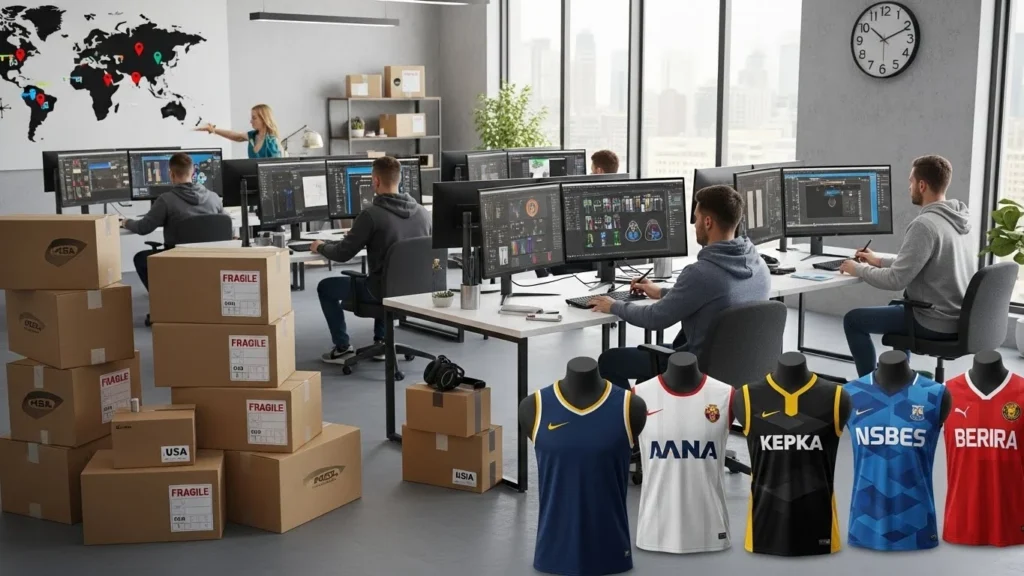
For brands working with international suppliers, 3D design eliminates delays caused by physical sample shipping. Teams can approve designs digitally, make adjustments remotely, and ensure production aligns with the original vision.
McKinsey Apparel Industry Insights highlights that virtual collaboration tools, including 3D apparel platforms, significantly enhance operational efficiency and reduce lead times.
Applications of 3D Apparel Design in Sportswear
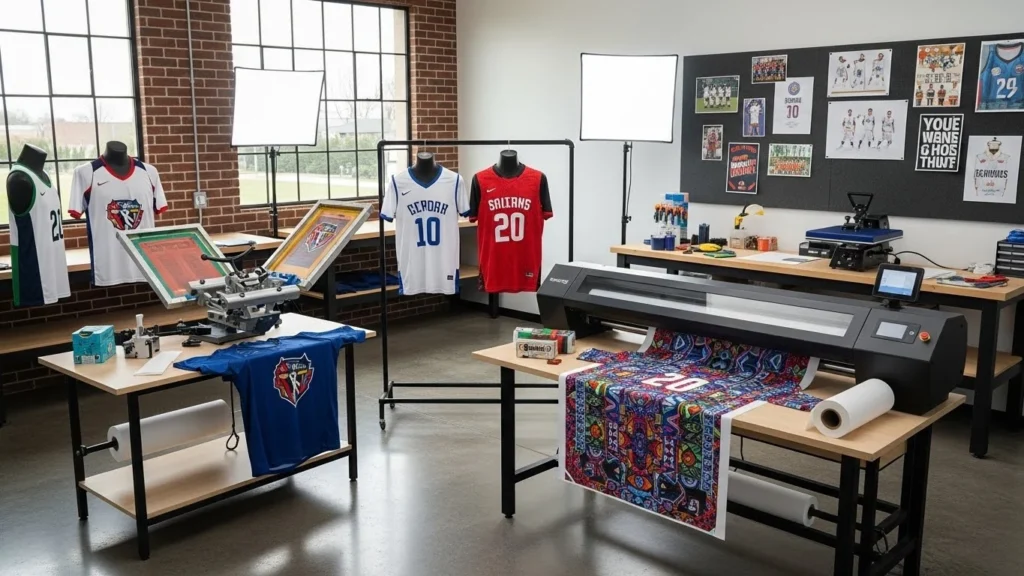
Custom Team Jerseys and Uniforms with 3D Apparel Design
3D design is particularly useful for team uniforms. Brands can:
-
Visualize logo placement, colors, and patterns
-
Test fit for different body types
-
Approve designs digitally before production
This is critical for seasonal collections or tournament-specific apparel.
Private Label Sportswear
Private label brands can create unique products without the expense of multiple physical samples. 3D tools allow designers to:
-
Test multiple colorways or graphic variations
-
Adjust fabric types and textures digitally
-
Reduce errors during bulk production
Performance Apparel
Sportswear designed for training or competition benefits from digital simulation. Designers can evaluate stretch, breathability, and movement, ensuring garments meet performance requirements before cutting fabrics.
Marketing and Sales Advantages of 3D Apparel Design
3D apparel design also enables faster marketing and sales campaigns. Digital garments can be showcased online before production, allowing:
-
Pre-order campaigns
-
Teasers for limited-edition drops
-
Interactive visualizations for e-commerce platforms
Interactive digital models increase consumer engagement and help buyers visualize products more accurately.
Textile World reports that brands that integrate digital visualization experience higher engagement and reduced returns, improving overall ROI.
Future Trends in 3D Apparel Design for Sportswear
-
AR, VR, and AI Integration in 3D Apparel Design: Customers can virtually try on apparel before purchase.
-
AI-driven design: Machine learning algorithms suggest optimal cuts and styles for specific customer segments.
-
Simulation of Advanced Fabrics Using 3D Apparel Design: Anti-microbial, moisture-wicking, and high-stretch fabrics can be tested digitally before production.
These advancements show how 3D apparel design is transforming the sportswear industry into a faster, more responsive, and innovation-driven market.
Challenges and Considerations
While the benefits are clear, brands should consider:
-
Initial investment in software and training
-
Ensuring digital fabric simulations accurately match real-world performance
-
Integration with existing production workflows
Despite these challenges, the long-term benefits in speed, cost efficiency, and product quality outweigh the upfront efforts.
Conclusion: Why Sportswear Brands Should Adopt 3D Apparel Design
3D design technology is no longer optional for sportswear brands seeking efficiency and innovation. It speeds up production, enhances collaboration, improves fit, and reduces costs, making it a strategic tool for both established and emerging brands.
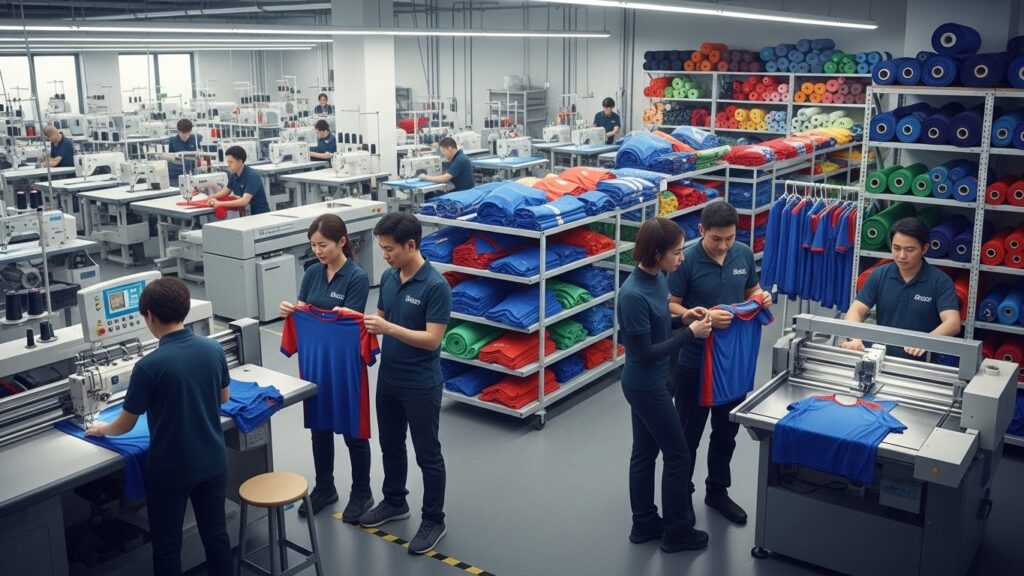
For companies looking to implement 3D design in production, partnering with experienced manufacturers is key. Bushi Sports® specializes in custom sportswear production and integrates digital design technology into their workflow. This ensures that slim, athletic, and relaxed fit garments, whether for team uniforms or private-label collections, are produced accurately, efficiently, and with consistent quality.
By combining 3D technology with professional manufacturing expertise, sportswear brands can meet high-demand markets, launch products faster, and provide athletes with apparel that looks and performs perfectly.