Fabric Testing Methods Used by Manufacturers
Fabric testing methods play a critical role in modern textile and apparel manufacturing. From sportswear and uniforms to casual clothing and industrial textiles, manufacturers must ensure that every fabric meets strict quality, performance, and safety standards. Without proper testing, garments may fail in durability, comfort, or compliance, leading to customer dissatisfaction and costly product recalls.
As the global apparel market grows increasingly competitive, brands are under constant pressure to deliver reliable quality at scale. Therefore, fabric testing methods are no longer optional checkpoints but essential parts of the product development and production workflow. Whether working with performance fabrics for activewear or durable textiles for workwear, manufacturers rely on systematic testing to maintain consistency and protect brand reputation.
Why Fabric Testing Matters in Manufacturing
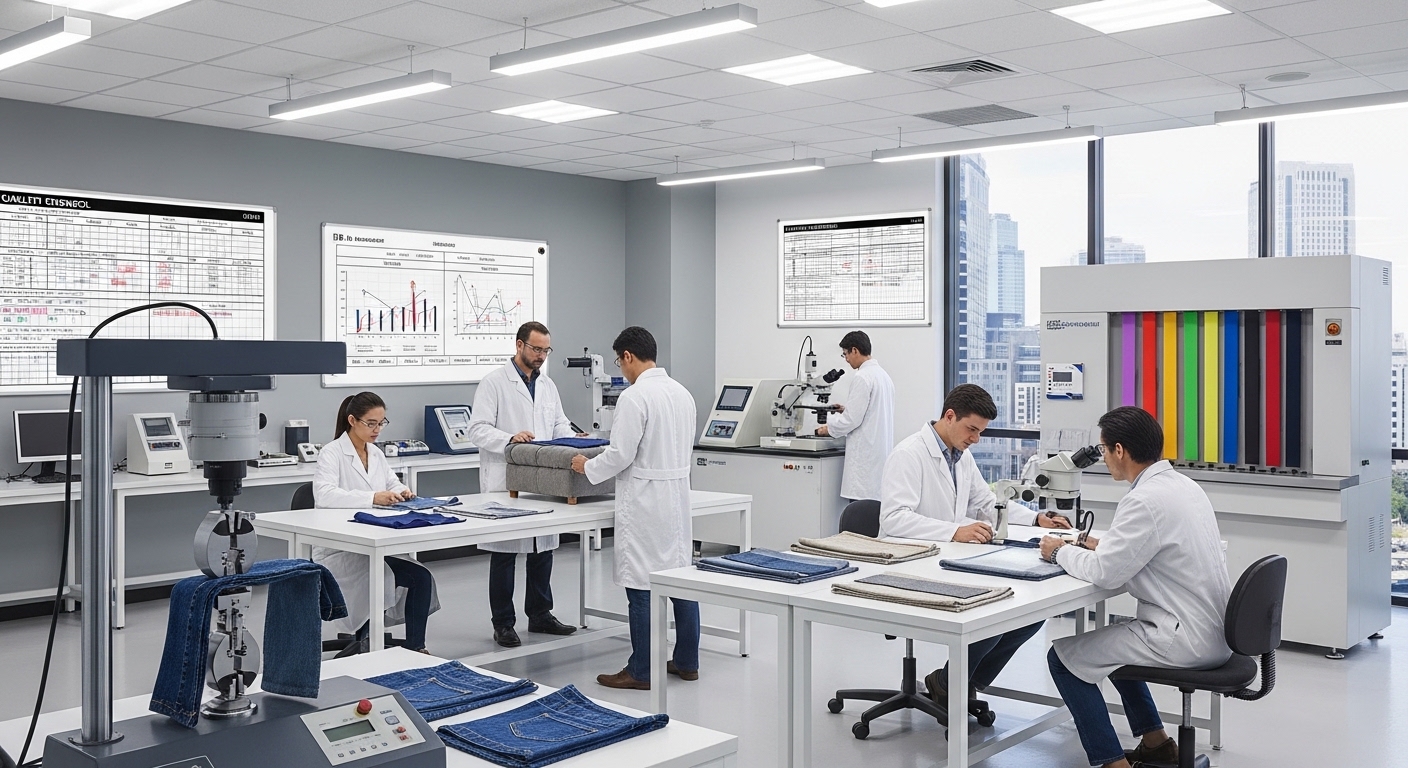
Fabric testing is the foundation of quality control in textile production. It ensures that raw materials and finished fabrics perform as expected under real-world conditions. Moreover, testing helps manufacturers identify weaknesses early in the supply chain, preventing expensive production errors later.
Key reasons manufacturers use fabric testing methods include:
-
Ensuring product durability and longevity
-
Verifying comfort and performance properties
-
Meeting regulatory and safety standards
-
Reducing production defects and returns
-
Supporting brand trust and customer satisfaction
In addition, consistent fabric testing enables manufacturers to work more confidently with suppliers and production partners such as Bushi Sports, where quality assurance processes are often aligned with international standards.
Categories of Fabric Testing Methods
Fabric testing methods can be grouped into several core categories, each addressing different performance aspects. By understanding these categories, brands can better plan their testing strategy.
Physical Property Testing
Physical tests evaluate how fabric behaves under stress, movement, and repeated use. These tests are particularly important for garments intended for sports, workwear, and uniforms.
Common physical fabric testing methods include:
-
Tensile strength testing
-
Tear resistance testing
-
Abrasion resistance testing
-
Pilling resistance evaluation
These tests help manufacturers predict how fabrics will perform over time. As a result, brands can select materials that maintain appearance and function after repeated wear and washing.
Dimensional Stability and Shrinkage Testing
Dimensional stability testing measures how much a fabric changes size after washing, drying, or exposure to moisture. Shrinkage issues can damage customer trust and lead to high return rates.
Manufacturers typically test for:
-
Lengthwise and widthwise shrinkage
-
Fabric distortion after washing
-
Shape retention after multiple cycles
By applying fabric testing methods early in development, brands reduce the risk of poorly fitting garments reaching the market. Many apparel producers working with Bushi Sports integrate shrinkage testing into pre-production sampling to ensure size consistency.
Performance Testing for Functional Fabrics
As functional apparel grows in popularity, performance-based fabric testing methods have become more important than ever.
Breathability and Air Permeability Testing
Breathability testing measures how easily air passes through fabric. This property is crucial for activewear, sports jerseys, and summer clothing.
Testing focuses on:
-
Airflow rates
-
Moisture vapor transmission
-
Ventilation effectiveness
Consequently, breathable fabrics improve wearer comfort, especially in high-intensity or warm environments.
Moisture Management and Wicking Tests
Moisture-wicking performance directly impacts how comfortable a garment feels during use. Fabric testing methods assess how efficiently sweat moves away from the skin and evaporates.
Manufacturers evaluate:
-
Absorption rate
-
Spreading speed
-
Drying time
These tests are essential for sportswear brands and performance apparel manufacturers aiming to deliver comfort-driven products.
Durability and Wear Resistance Testing
Durability remains one of the most important quality indicators in fabric testing methods. Manufacturers must ensure textiles can withstand daily wear and repeated laundering.
Abrasion Resistance Testing
Abrasion tests simulate friction caused by regular use. Fabrics used in high-contact areas such as knees, elbows, and shoulders undergo strict abrasion testing.
This helps brands:
-
Predict fabric lifespan
-
Reduce customer complaints
-
Improve garment durability
Seam Strength and Fabric Integrity
Seam strength testing evaluates how well stitched areas hold up under stress. Even high-quality fabric can fail if seams are weak. Therefore, manufacturers combine seam testing with fabric strength evaluation for a more complete quality picture.
Colorfastness and Appearance Testing
Color performance significantly influences customer perception. Fabric testing methods related to colorfastness ensure dyes remain stable during washing, exposure to light, and friction.
Colorfastness tests assess:
-
Resistance to washing
-
Resistance to perspiration
-
Resistance to rubbing
-
Lightfastness under UV exposure
According to international textile standards published by organizations such as ISO (International Organization for Standardization), consistent colorfastness testing is essential for global apparel distribution.
As a result, brands that invest in appearance testing reduce the risk of faded, stained, or uneven-looking garments in the marketplace.
Safety and Compliance Testing
Safety-related fabric testing methods protect both consumers and brands. Manufacturers must ensure materials comply with chemical and regulatory requirements, especially for children’s clothing and workwear.
Common safety tests include:
-
Chemical residue testing
-
Flammability testing
-
Skin irritation assessments
External organizations like OEKO-TEX provide certification frameworks that help manufacturers verify fabric safety.
By following recognized safety standards, brands demonstrate responsibility and regulatory compliance across markets.
Lab Testing vs In-House Testing
Manufacturers often combine internal testing processes with third-party laboratory verification. Each approach offers distinct advantages.
In-House Fabric Testing
In-house testing allows manufacturers to:
-
Perform quick quality checks
-
Monitor production consistency
-
Adjust materials during development
This approach is particularly useful for brands working closely with production partners such as Bushi Sports, where rapid prototyping and sampling benefit from immediate feedback loops.
Third-Party Laboratory Testing
Independent laboratories provide unbiased validation of fabric testing results. Third-party testing is especially important for:
-
Regulatory compliance
-
Export requirements
-
Brand certifications
By combining both approaches, manufacturers create a robust quality assurance system that balances speed with credibility.
How Fabric Testing Supports Product Development
Fabric testing methods influence decisions at every stage of product development. From concept design to final production, testing guides material selection, construction techniques, and performance expectations.
Testing supports:
-
Fabric sourcing decisions
-
Product sampling and prototyping
-
Quality control during mass production
-
Continuous improvement of materials
Moreover, testing data helps brands communicate performance benefits more transparently to consumers, strengthening marketing claims and product positioning.
Common Challenges in Fabric Testing
Despite its importance, fabric testing comes with challenges that manufacturers must manage carefully.
Typical challenges include:
-
Inconsistent test results across labs
-
Time constraints in fast fashion cycles
-
Cost pressures in large-scale testing
-
Variations in fabric batches
To overcome these issues, manufacturers establish standardized testing protocols and collaborate closely with reliable production partners.
Future Trends in Fabric Testing Methods
The future of fabric testing methods is shaped by digital innovation and sustainability goals. Emerging trends include:
-
Smart textile testing with embedded sensors
-
AI-assisted quality inspection
-
Increased sustainability testing metrics
-
Real-time production monitoring
As technology advances, manufacturers will gain more precise tools to assess fabric performance faster and more accurately.
Final Thoughts on Fabric Testing Methods Used by Manufacturers
Fabric testing methods form the backbone of reliable textile manufacturing. They ensure that fabrics meet performance expectations, safety standards, and aesthetic requirements before reaching consumers. From durability and breathability to colorfastness and compliance, testing protects both brands and end users.
By integrating systematic testing practices, collaborating with trusted manufacturing partners such as Bushi Sports, and referencing global standards from organizations like ISO and OEKO-TEX, manufacturers can build resilient quality control systems. Ultimately, consistent fabric testing supports long-term brand growth, customer trust, and product excellence.