Why Fabric Quality Matters More Than Design
Fabric quality is the foundation of every successful garment, and in many cases, fabric quality is what separates long-lasting products from those that quickly lose value. While design shapes the first impression, material performance determines whether customers feel satisfied after weeks and months of wear. Because of this, brands that prioritize material performance alongside creative design build stronger relationships with their customers over time.
In today’s competitive apparel market, shoppers expect more than attractive visuals. They look for garments that remain comfortable, durable, and reliable after repeated use. Therefore, companies that invest in stronger materials as part of their product strategy are more likely to achieve long-term customer loyalty.
Fabric Quality vs Design: First Impressions and Lasting Value
Design influences attention at the point of sale, while fabric quality defines how a garment performs during everyday use. Colors, silhouettes, and branding may encourage the first purchase, but ongoing satisfaction depends on comfort, durability, and reliability.
Over time, customers evaluate:
-
How the garment feels against the skin
-
Whether it holds its shape after washing
-
How well colors and textures remain intact
-
If the item stays comfortable throughout daily wear
As a result, products that rely only on aesthetics tend to lose appeal quickly. Many brands work with experienced manufacturing partners such as Bushi Sports to ensure that material performance is tested early in development.
How Fabric Quality Shapes Comfort
Comfort is one of the strongest factors behind repeat purchases, and fabric quality plays a direct role in how garments feel on the body. Softness, breathability, and moisture management all stem from the materials used.
High-performing textiles typically provide:
-
Better airflow for temperature control
-
Improved moisture handling
-
A softer feel against the skin
-
Greater flexibility during movement
According to insights from Textile Exchange, advancements in textile innovation continue to improve comfort while also supporting more responsible sourcing practices.
Consequently, thoughtful material selection leads to better wear ability and higher customer satisfaction.
Durability and Trust Built Through Fabric Quality
Durability builds trust over time, and fabric quality is central to how long garments maintain their performance. Customers quickly notice when clothing pills, stretches out, or fades after only a few washes.
Stronger materials contribute to:
-
Resistance to everyday wear
-
Longer-lasting color and finish
-
Improved seam stability
-
Reduced need for early replacement
Therefore, durable products reduce returns and improve brand perception. Over time, customers come to associate consistent material performance with overall brand reliability.
Brand Reputation and Fabric Performance
Brand reputation is shaped by consistent experiences. Even the most creative designs cannot protect a brand from negative feedback when materials fail to meet expectations. Problems such as shrinkage, fading, or discomfort often stem from poor sourcing or limited testing.
To avoid these issues, many companies collaborate with production partners like Bushi Sports to maintain consistent quality control standards. In addition, certifications and guidelines from organizations such as OEKO-TEX help brands ensure safer textile processes and reliable material inputs.
Why Performance Outlasts Design Trends
Fashion trends change rapidly, but performance expectations remain stable. Customers consistently expect garments to fit well, feel comfortable, and last over time. Because of this, products built on dependable materials remain useful even as styles evolve.
When garments perform reliably, they continue to deliver value beyond seasonal trends. This long-term usability strengthens customer loyalty and reinforces brand credibility.
Sustainability and Responsible Material Choices
Sustainability is becoming central to modern apparel strategies, and fabric quality plays an important role in reducing environmental impact. Garments that last longer reduce waste and the need for frequent replacement.
Responsible material choices support sustainability by:
-
Extending product lifespan
-
Reducing textile waste
-
Improving resource efficiency
-
Supporting ethical sourcing initiatives
Organizations such as OEKO-TEX emphasize the importance of safer textile inputs and responsible manufacturing practices, which further supports sustainable production goals.
Material Performance in Sportswear and Activewear
In functional categories like sportswear, uniforms, and workwear, material performance is critical. Stretch, breathability, abrasion resistance, and moisture control shape how garments perform in demanding environments.
Brands producing team apparel often work with manufacturers like Bushi Sports to ensure materials meet performance expectations in real-world conditions. This collaboration helps deliver products that support comfort, movement, and durability.
Cost Efficiency Across the Product Lifecycle
Although premium materials may increase initial production costs, they often reduce total expenses over time. Low-quality inputs can lead to:
-
Higher return rates
-
Increased customer service demands
-
Shorter product lifecycles
-
Damage to brand reputation
In contrast, dependable materials improve long-term value by reducing post-sale issues and supporting consistent customer satisfaction.
Improving Material Decisions in Product Development
Brands can improve outcomes by strengthening how they approach material selection:
-
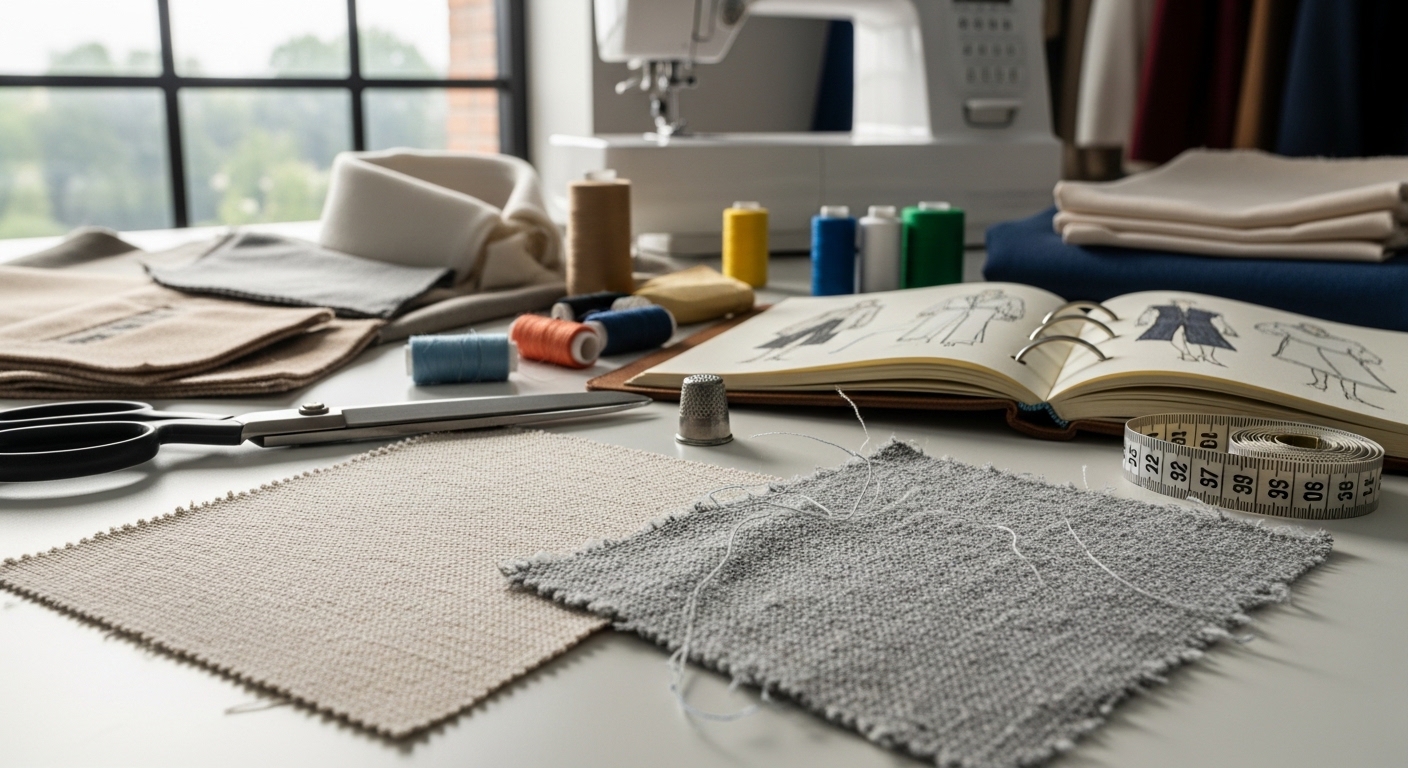
Test fabrics during early sampling
-
Align design concepts with material capabilities
-
Build long-term supplier relationships
-
Gather feedback from wear trials
-
Review production standards regularly
This structured approach ensures that creative design is supported by reliable performance.
The Manufacturer’s Role in Quality Control
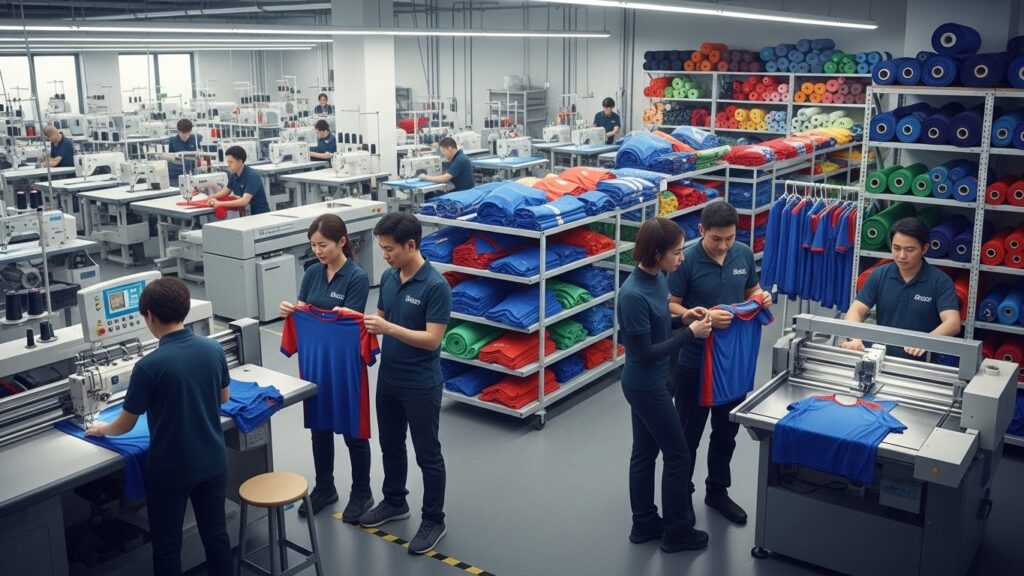
Manufacturers play a key role in maintaining consistent standards through sourcing, testing, and production oversight. Experienced partners provide the systems needed to scale production without compromising reliability.
By collaborating with production teams such as Bushi Sports, brands can better manage supplier standards, quality checkpoints, and performance evaluation across collections.
Consumer Expectations in a Digital Market
As online shopping grows, customers rely on reviews and brand reputation to judge product reliability. Since they cannot touch products before purchasing, their experience after delivery becomes even more influential.
When garments meet expectations over time, customers are more likely to leave positive feedback, recommend the brand, and return for future purchases. As a result, dependable materials play a central role in shaping digital brand perception.
The Future of Fabric Quality and Design Integration
Advances in textile technology continue to expand creative possibilities for designers. However, innovation only creates value when supported by consistent testing and quality control. Brands that invest in both material performance and thoughtful design will be better positioned to meet evolving customer expectations.
Final Thoughts
Design may capture attention, but long-term satisfaction is shaped by how garments perform in everyday life. By prioritizing dependable materials, brands create products that deliver comfort, durability, and lasting value beyond visual trends.
Through collaboration with experienced manufacturers such as Bushi Sports, alignment with global standards from Textile Exchange and OEKO-TEX, and consistent quality checks, brands can ensure their products succeed well beyond the first impression.