Export-Ready Sportswear: What Global Buyers Should Know
Export-ready sportswear is a concept that many brands mention but few fully understand — until they’re deep into a production cycle and facing delays, compliance issues, or unexpected costs. Whether you’re a retailer expanding into international markets, a sports brand fulfilling team orders abroad, or a private label scaling your supply chain, knowing what makes sportswear truly export-ready is essential for smooth global distribution and successful market entry.
Sportswear manufacturing for export involves more than just bulk production. It requires compliance with international regulations, appropriate packaging and labeling standards, quality assurance documentation, customs readiness, and reliable logistics planning. When manufacturers embed export readiness into their operational workflows, buyers benefit from predictable delivery timelines, reduced risk, and smoother customs clearance.
This guide takes you through every critical stage of creating export-ready sportswear, helping you understand what to expect and how to prepare for global buying success.
Why Export-Ready Sportswear Matters for Global Buyers
Today’s apparel industry is global by nature. Whether selling team kits to clubs in different countries or distributing performance wear through international retail networks, buyers must ensure their sportswear is designed and manufactured for export.
Without export preparation:
-
Shipments may be held at customs
-
Documentation errors can delay delivery
-
Non-compliant labeling may result in fines or rejections
-
Products may not meet destination country standards
Export-ready sportswear is not just about compliance — it’s about building trust, managing risk, and improving supply chain efficiency. In competitive markets, brands that consistently deliver export-ready goods show reliability and professionalism that differentiate them from suppliers who struggle with cross-border logistics.
Industry trade organizations and export readiness frameworks, such as those outlined by the International Trade Centre, highlight how export preparation reduces friction and accelerates access to international markets.
Key Requirements for Export-Ready Sportswear
To be considered export-ready, sportswear must meet several interrelated criteria:
1. Compliance With Destination Country Regulations
Each country has its own import regulations, labeling rules, and safety standards for apparel. Export-ready sportswear must adhere to these requirements before it can be accepted at the border.
Common compliance areas include:
-
Fiber content disclosure
-
Country of origin labeling
-
Size and care instructions in local language(s)
-
Safety certifications for performance textiles
Different regions such as the European Union, the United States, and Australia may have their own standards. Buyers should consult relevant authorities such as the U.S. Consumer Product Safety Commission or EU textile labeling regulations for specifics.
External resources like the World Trade Organization provide accessible guides on global textile trade compliance.
2. Accurate and Complete Documentation
Export-ready sportswear requires thorough documentation, without which shipments can be held or returned.
Essential export documents usually include:
-
Commercial invoice
-
Packing list
-
Bill of lading / airway bill
-
Certificate of origin
-
Export declaration forms
-
Textile export compliance certificates
Working with manufacturers experienced in global logistics ensures proper documentation is prepared and reviewed before shipping. Many custom sportswear producers include documentation support as part of their quality and export services.
Information on export documentation standards can also be found through global export-focused organizations like the World Bank’s trade facilitation portals.
3. Quality Standards and Consistency
Products intended for export must demonstrate consistent quality — a factor that customs officials may inspect and that retailers expect.
Export-ready sportswear must meet:
-
Consistent sizing across all units
-
High printing durability
-
Fabric performance (moisture management, breathability)
-
Seam strength and durability tests
Manufacturers with structured quality assurance practices help brands avoid costly quality rejections in foreign markets. Compliance with global quality frameworks, such as those promoted by ISO (International Organization for Standardization), supports export readiness and product reliability.
4. Labeling and Packaging Requirements
Proper labeling and packaging are not just marketing elements — they are legal and logistical essentials for export-ready sportswear.
Labels must include:
-
Fiber content breakdown
-
Country of origin
-
Washing and care instructions
-
Size designation
-
Brand identification
Packaging must be designed for international transit and may require:
-
Carton strength ratings
-
Moisture-resistant materials
-
Tamper evidence
-
Barcode placement
Retail buyers and distributors often demand professional packaging standards to streamline inventory management.
Brands working with experienced sportswear manufacturers ensure packaging meets both destination requirements and retailer expectations.
5. Logistics and Shipping Preparation
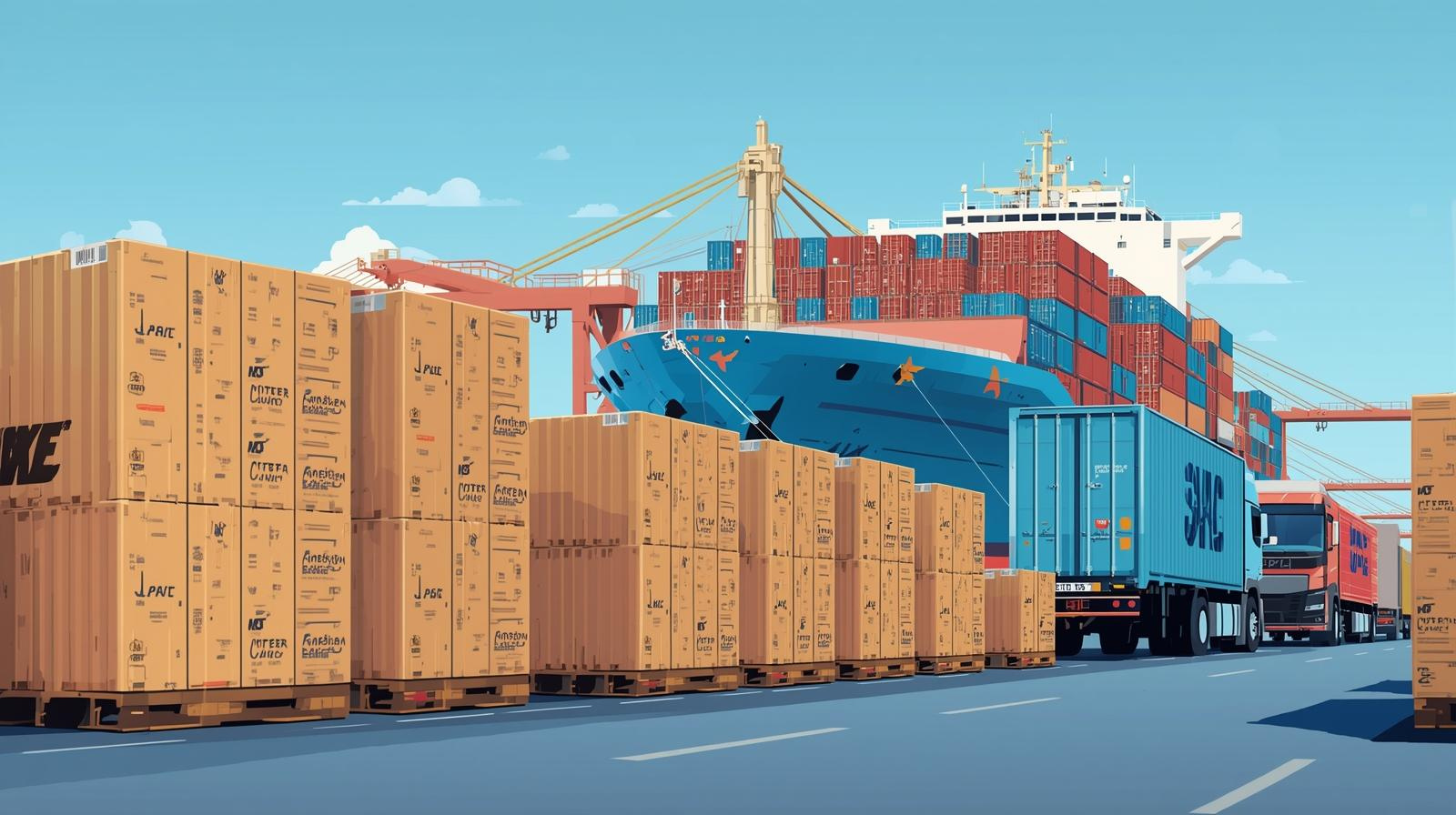
Once sportswear is compliant, documented, and packed, the next critical step is logistics planning.
Export-ready sportswear must be:
-
Booked with reliable carriers (ocean, air)
-
Tracked through every stage
-
Cleared through customs efficiently
-
Delivered to distribution centres or direct to retailers
Delays often happen not in production but at ports due to documentation errors, unpaid duties, or mismatched codes.
Global logistics firms and customs brokers can help reduce friction for export shipments, and manufacturers who partner with experienced logistics teams add significant value.
Best Practices for Manufacturers to Support Export-Ready Sportswear
To consistently produce sportswear that is export-ready, manufacturers should integrate export support into their workflows.
Key practices include:
Early Export Considerations
Address export requirements during design and sampling, not after production starts.
Documentation Support
Manufacturers should prepare and verify all documentation well before shipment.
Quality Assurance Standards
In-line and final inspections ensure garments meet international expectations.
Compliance Checklists
Check regulatory compliance for each target market.
Logistics Coordination
Coordinate with freight forwarders and customs brokers early in the process.
Brands working with well-established sportswear manufacturers often benefit from this end-to-end export support, especially when expanding into new global markets.
How Export-Ready Sportswear Impacts Supply Chain Efficiency
When sportswear is export-ready from the start, brands experience several supply chain advantages:
-
Faster customs clearance
-
Fewer returns due to non-compliance
-
Improved retailer relationships
-
Reduced shipping delays
-
Greater predictability in launch timelines
These advantages are especially important for seasonal launches, international tournaments, and retail rollouts, where timing can make or break sales success.
Why Global Buyers Should Work With Experienced Manufacturers
Choosing a manufacturing partner familiar with export requirements is a significant advantage. Global buyers benefit when their supplier:
-
Understands international compliance and documentation
-
Provides export packaging best practices
-
Offers logistics support and tracking
-
Maintains quality standards aligned with target markets
Manufacturers that provide this level of support help brands reduce risk and avoid last-minute surprises that could delay shipments.
Bushi Sports emphasizes end-to-end support for global buyers, including export readiness for custom sportswear orders, ensuring that products arrive on time and meet international expectations.
Common Challenges in Preparing Export-Ready Sportswear
Even well-planned exports can face challenges, such as:
-
Customs delays due to missing or incorrect paperwork
-
Mislabeling that violates destination country rules
-
Shipping delays from port congestion
-
Changes in import regulation or tariffs
Being aware of these risks helps brands prepare mitigation strategies, such as advance documentation reviews and updated compliance checks.
How Technology Improves Export Readiness
Modern digital tools help streamline export processes:
-
ERP systems track production and documentation
-
Customs compliance software pre-validates forms
-
Supply chain dashboards monitor shipments in real time
This increased visibility helps brands anticipate delays and respond proactively rather than reactively.
Planning for Long-Term Export Success
Export-ready sportswear is not a one-off requirement — it should be part of a brand’s long-term strategy if global growth is a priority.
Steps for long-term success include:
-
Building reusable export documentation templates
-
Creating standardized labeling and packaging formats
-
Partnering with experienced international logistics teams
-
Maintaining quality and compliance consistency
Over time, these practices become operational assets that support faster market expansion and stronger global competitiveness.
Conclusion: Becoming Global Ready With Export-Ready Sportswear
Export-ready sportswear is more than a label or a packaging checklist — it is a comprehensive approach that prepares your product for international success. From compliance and documentation to quality standards and logistics, every stage matters.
Global buyers who understand export requirements, and work with experienced partners who can guide them through the process, gain confidence, predictability, and market reach. As the custom sportswear industry continues to expand across borders, mastering export readiness will be a competitive advantage for brands aiming for global growth.
By embracing structured export processes and aligning manufacturing practices with international expectations, brands can avoid costly delays, enhance customer trust, and build scalable global operations.
Global buyers also tend to prefer manufacturing partners that combine export readiness with consistent communication, transparent processes, and dependable quality standards. This is where Bushi Sports stands out for many international clients. By aligning production workflows with export documentation requirements, packaging standards, and quality assurance benchmarks, Bushi Sports helps reduce the operational friction that often slows down cross-border orders. Their experience working with overseas buyers means fewer surprises during customs clearance, more predictable delivery timelines, and a smoother overall sourcing experience for brands looking to scale into global markets.