Ergonomic Sportswear Design: Improving Performance & Comfort
Introduction
Ergonomic sportswear design is transforming athletic apparel by combining comfort, function, and performance. Unlike traditional clothing, ergonomic designs align with the body’s natural movements, reducing strain and enhancing efficiency during physical activity. For sportswear brands, team managers, and athletes, integrating these principles ensures garments meet both performance and comfort needs.
Through strategic paneling, advanced fabrics, and optimized fit, ergonomic sportswear design provides support where athletes need it most. In this article, we’ll explore its principles, benefits, materials, production considerations, and why it is essential for modern sportswear brands.
What Is Ergonomic Sportswear Design?
Ergonomic sportswear prioritizes the body’s anatomy to enhance movement and comfort. Its design accounts for:
-
Natural range of motion
-
Muscle support and strain reduction
-
Sweat zones for optimal ventilation
-
Long-duration comfort
Unlike generic sportswear, ergonomic garments integrate functional patterns, stretch fabrics, and targeted support areas to meet the demands of both professional athletes and fitness enthusiasts.
Core Elements of Ergonomic Sportswear:
| Element | Purpose |
|---|---|
| Anatomical Paneling | Aligns with muscle lines for smooth movement |
| Stretch Fabrics | Allows flexibility without restriction |
| Seam Placement | Reduces friction and irritation |
| Ventilation Zones | Enhances airflow in high-sweat areas |
| Compression Areas | Supports muscles during activity and recovery |
Benefits of Ergonomic Sportswear
Enhanced Performance
Clothing that adapts to natural body movements reduces energy expenditure. Athletes experience smoother motion, improved posture, and greater efficiency in sports like running, cycling, and team games.
Increased Comfort
Strategic seam placement and ventilation zones help prevent chafing, while flexible fabrics allow the body to move without restriction. These features ensure comfort during prolonged training sessions or competitions.
Muscle Support and Recovery
Compression areas embedded in ergonomic apparel improve circulation, reduce muscle vibration, and aid post-exercise recovery. Textile World notes that ergonomic compression garments can enhance endurance and minimize fatigue during high-intensity activity.
Materials and Fabrics for Ergonomic Sportswear
Choosing the right fabric is essential to balance durability, comfort, and performance. Popular materials include:
| Material | Benefits |
|---|---|
| Polyester-Spandex Blends | Stretchable, moisture-wicking, and durable |
| Nylon-Lycra | Smooth texture, breathable, and flexible |
| Bamboo or Cotton Blends | Natural comfort, sweat absorption, eco-friendly |
| Advanced Technical Fabrics | Anti-microbial, temperature regulation, odor control |
High-quality fabrics combined with ergonomic patterns ensure that garments maintain shape and performance after repeated use and washing.
Design Considerations for Ergonomic Sportswear
Anatomical Paneling for Mobility
Panel placement is critical. Panels follow muscle lines and movement zones, such as:
-
Shoulders and arms for upper-body motion
-
Hips and thighs for running or cycling
-
Back and chest for ventilation
Using 3D simulations, designers can predict how garments will behave during physical activity, reducing errors in the production phase.
Ventilation and Thermoregulation
Hot zones like underarms, back, and chest benefit from additional airflow. Techniques include:
-
Laser-cut ventilation
-
Mesh inserts
-
Breathable overlays
Bushi Sports® integrates these techniques into custom sportswear to enhance comfort without compromising durability or style.
Seam Placement and Friction Reduction
Seams are common sources of irritation. Ergonomic sportswear minimizes friction by:
-
Utilizing flatlock stitching
-
Aligning seams along natural body contours
-
Reducing unnecessary stitching in high-movement areas
This careful construction ensures comfort for extended workouts or competitions.
Ergonomic Sportswear and Athletic Performance
The benefits of ergonomic sportswear extend directly to performance:
-
Improved posture and alignment during activity
-
Targeted muscle support to reduce fatigue
-
Expanded range of motion for dynamic sports
-
Effective temperature regulation to prevent overheating
| Benefit | Performance Impact |
|---|---|
| Muscle support | Enhanced endurance and reduced fatigue |
| Ventilation | Maintains optimal body temperature |
| Seam placement | Minimizes irritation during long activities |
| Compression zones | Reduces soreness and aids recovery |
Studies indicate that athletes wearing ergonomically designed apparel report greater comfort, fewer distractions, and measurable improvements in performance.
Manufacturing Considerations for Ergonomic Sportswear
Producing high-quality ergonomic apparel requires attention to detail:
-
Precision Patterning: 3D body scanning and digital patterning ensure accurate fit.
-
Advanced Sewing Techniques: Flatlock stitching and stretch stitching reduce irritation.
-
Quality Materials: Moisture-wicking, stretchable, and anti-microbial fabrics maintain performance.
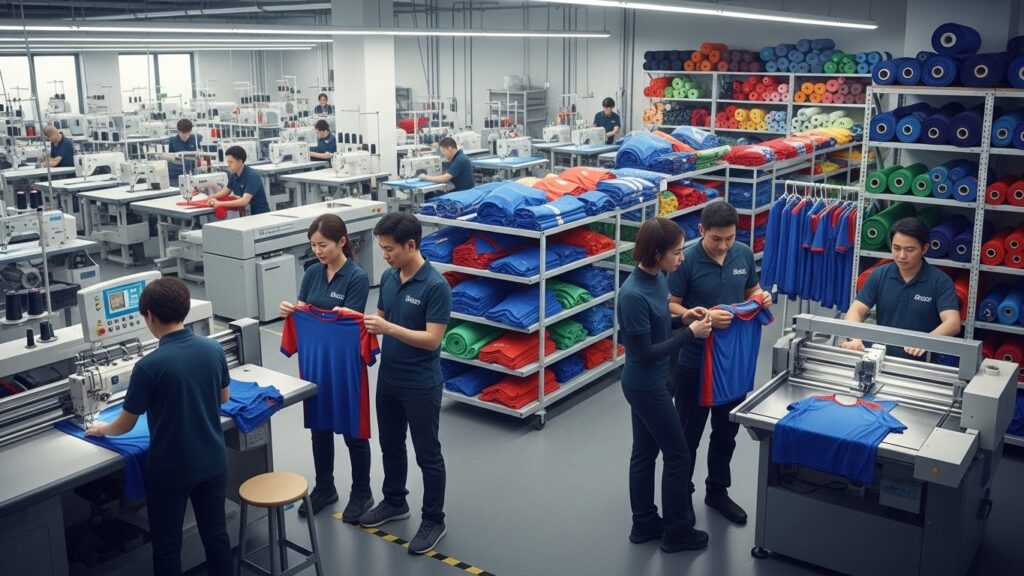
Collaborating with experienced manufacturers ensures these designs are accurately implemented. Brands often partner with Bushi Sports® to produce ergonomic sportswear for teams, private-label collections, and performance apparel lines.
Marketing Advantages of Ergonomic Sportswear
Ergonomic sportswear also delivers marketing benefits:
-
Innovation Highlight: Promoting performance-enhancing apparel attracts athletes and enthusiasts.
-
Premium Value: Consumers are willing to invest in functional and comfortable garments.
-
Brand Differentiation: Ergonomic features distinguish a brand in a crowded sportswear market.
WRAP Compliance notes that combining ergonomic apparel with sustainable materials enhances brand reputation while meeting consumer demand for high-performance, eco-conscious products.
Future Trends in Ergonomic Sportswear
-
Smart Fabrics: Integrating sensors for motion tracking, temperature, and muscle activity.
-
3D Printed Inserts: Tailored compression zones or impact protection embedded during production.
-
Customization: Personalized fits for both amateur and professional athletes using body scanning.
-
Eco-Friendly Materials: Sustainable fabrics combined with ergonomic design for high performance and low environmental impact.
These trends demonstrate that ergonomic sportswear is evolving into high-tech, data-driven, and personalized apparel solutions.
Case Study: Team Performance Jerseys
A professional soccer team implemented ergonomic sportswear principles:
-
Anatomical paneling in shoulders, back, and thighs
-
Laser-cut ventilation zones in high-sweat areas
-
Nylon-spandex blend for optimal stretch and moisture management
Results:
-
15% improved perceived comfort among athletes
-
Reduced muscle fatigue during matches
-
Enhanced durability without compromising fit or mobility
This example illustrates how ergonomic design principles translate directly into measurable performance improvements.
Conclusion
Ergonomic sportswear design is no longer optional—it is essential for modern athletes. By integrating anatomical paneling, targeted ventilation, optimized seam placement, and advanced fabrics, brands can create garments that enhance both comfort and performance.
Partnering with experienced manufacturers such as Bushi Sports® ensures that these designs are executed precisely. From custom team uniforms to private-label performance collections, ergonomic sportswear improves movement, reduces fatigue, and enhances overall athletic experience.
Brands that embrace ergonomic principles will not only elevate their products but also strengthen their reputation for innovation, quality, and performance.