Design Trends Shaping Modern Sports Jerseys in 2026
Modern sports jerseys are transforming the sportswear industry, driven by rapid advances in technology, performance demands, and the growing influence of fashion and street culture. Moreover, modern sports jerseys are no longer simple team uniforms; instead, they have become high-performance athletic wear, brand statements, fan merchandise, and lifestyle apparel. As competition in the global sportswear market intensifies, therefore, brands, clubs, and private labels must stay aligned with evolving jersey design trends to remain relevant and profitable.
Today’s consumers expect more from sportswear. For instance, athletes demand lightweight, breathable, and durable materials that enhance performance. Meanwhile, fans want bold visuals, unique graphics, and limited-edition designs they can wear beyond match days. At the same time, brands require flexibility for customization, sponsor integration, and seasonal updates. Consequently, this blend of function, identity, and aesthetics continues to shape how jerseys are designed, manufactured, and marketed worldwide.
This in-depth guide, therefore, explores the most important design trends shaping modern sports jerseys, including color direction, pattern language, typography, fabric innovation, digital printing, and customization strategies. Furthermore, it highlights how brands can adopt new trends without sacrificing consistency, production efficiency, or long-term brand identity.
The Evolution of Modern Sports Jerseys
Sports jersey design has evolved dramatically over the past two decades. Traditionally, jerseys focused on clear team colors, simple striping, and prominent logos. While those elements remain essential, contemporary jersey design now draws inspiration from streetwear, global fashion movements, and digital culture.
Several key factors have driven this evolution:
-
Rapid improvements in printing and manufacturing technology
-
The rise of e-sports and lifestyle sportswear
-
Increased emphasis on brand storytelling and visual identity
-
The impact of social media and digital-first marketing
-
Growing consumer demand for personalization
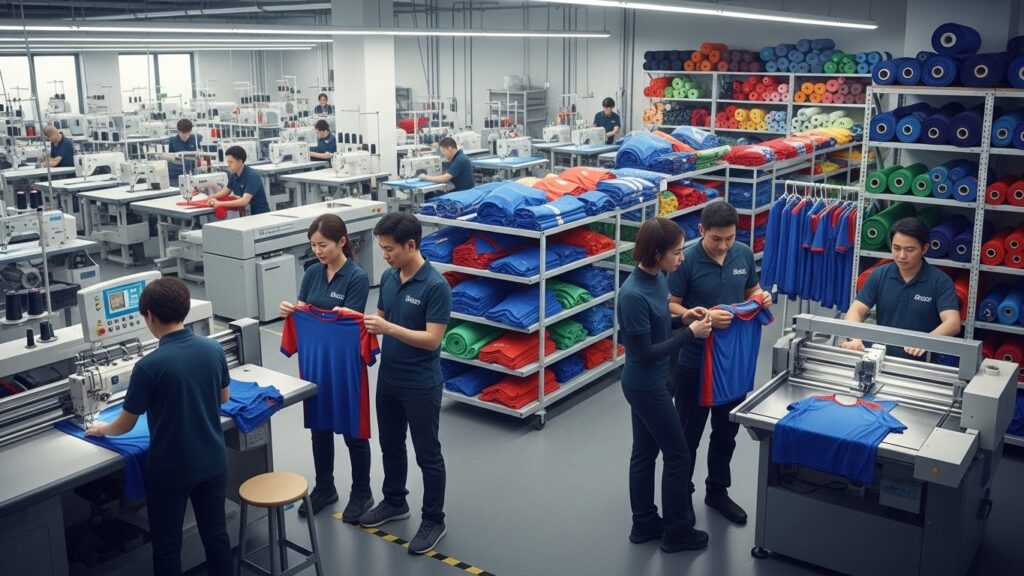
As a result, jerseys are no longer designed solely for match-day performance. Designers now consider how products appear in online campaigns, social media content, retail displays, and everyday wear. Brands often collaborate with experienced manufacturing partners like Bushi Sports to balance creativity with production feasibility and quality control.
Color Direction in Modern Sports Jerseys
Color remains one of the most powerful visual tools in sportswear design. While heritage colors anchor team identity, designers increasingly explore fresh palettes and contrast-driven layouts to create visual impact and differentiation.
Modern Sports Jerseys and Bold Color Blocking
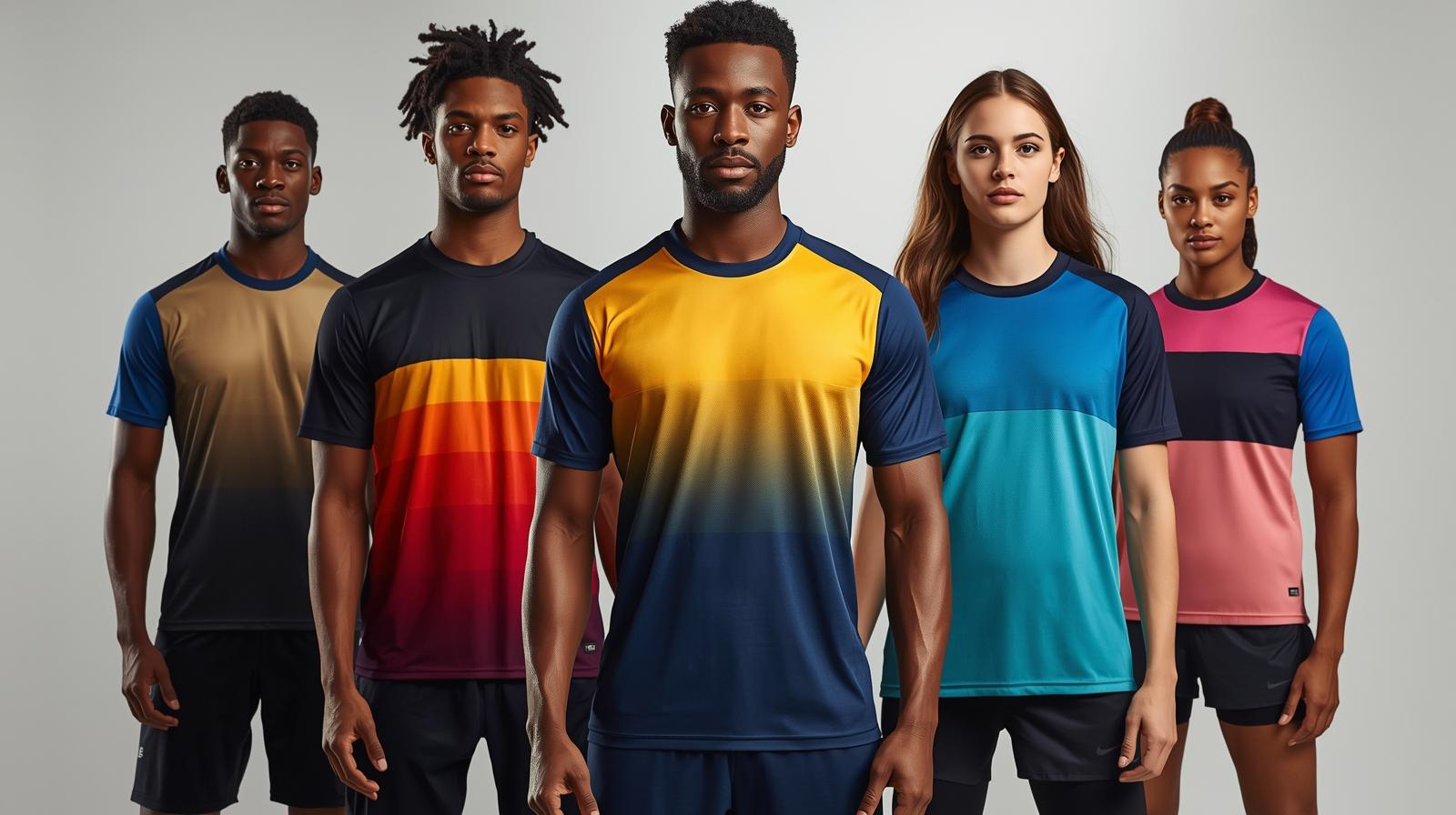
Bold color blocking has become a defining trend in modern sports jerseys. High-contrast panels placed along the sides, shoulders, or sleeves help highlight movement and create a more dynamic silhouette. This approach also improves on-field visibility and strengthens brand recognition, particularly in televised matches and digital content.
Color blocking is also effective for creating clear distinctions between home, away, and alternate kits. By maintaining a consistent base template while changing color zones, brands can refresh collections seasonally without rebuilding entire designs from scratch.
Gradient and Fade Effects in Jersey Design
Gradients are increasingly popular for adding depth and motion to jersey designs. Smooth color transitions can represent team heritage, city landscapes, or symbolic narratives without overwhelming logos and sponsor placements. Thanks to modern digital printing techniques, gradients can now be reproduced consistently across large production runs.
For broader context on how textile technology influences color application in sportswear, industry publications like Textile World provide useful insights into fabric treatments and printing innovation.
Patterns, Textures, and Visual Identity
Patterns and textures play a crucial role in giving jerseys character while preserving clarity. Subtle geometric lines, abstract motifs, and tonal textures are widely used to add visual interest without cluttering the design.
Cultural Storytelling Through Design
Many teams and brands incorporate cultural references, city-inspired textures, or historical motifs into their jerseys. This storytelling approach helps build emotional connections with fans and reinforces a sense of belonging. For example, subtle architectural patterns or symbolic shapes can be woven into background graphics to reflect local identity.
When translating these intricate designs into finished products, working with specialized sportswear manufacturers such as Bushi Sports helps ensure accuracy, color consistency, and quality across production batches.
Typography Trends in Modern Sports Jerseys
Typography has become a central design element rather than a purely functional one. Consequently, custom number styles and name fonts allow teams to express personality, heritage, or competitive spirit through typography alone.
Custom Fonts and Brand Recognition
Custom typefaces strengthen visual identity and help teams stand out across leagues and competitions. Aggressive, angular fonts can convey speed and intensity, while rounded or minimalist fonts create a modern, lifestyle-oriented feel. Consistent typography across jerseys, merchandise, and digital assets improves brand recognition.
Clean and Minimalist Type
Minimalist typography is particularly popular in lifestyle jerseys worn casually by fans. Clean fonts improve readability and give jerseys a premium, fashion-forward aesthetic, making them suitable for everyday wear beyond the stadium.
Fabric Innovation and Performance Materials
Material choice is at the heart of modern jersey design. For example, lightweight, moisture-wicking fabrics help regulate body temperature, reduce friction, and improve comfort during high-intensity performance. In addition, stretch zones and breathable mesh panels are now standard features in performance-oriented designs.
Sustainability in Modern Sports Jerseys
Sustainability is no longer optional; it is becoming a core design and production consideration. Many brands are shifting toward recycled polyester, water-efficient dyeing methods, and eco-conscious packaging. Leading sportswear companies such as Adidas have made sustainability a central part of their long-term strategy.
Manufacturers like Bushi Sports support brands looking to integrate performance materials with more sustainable production practices, helping bridge the gap between design ambition and real-world manufacturing.
Digital Printing and Creative Freedom
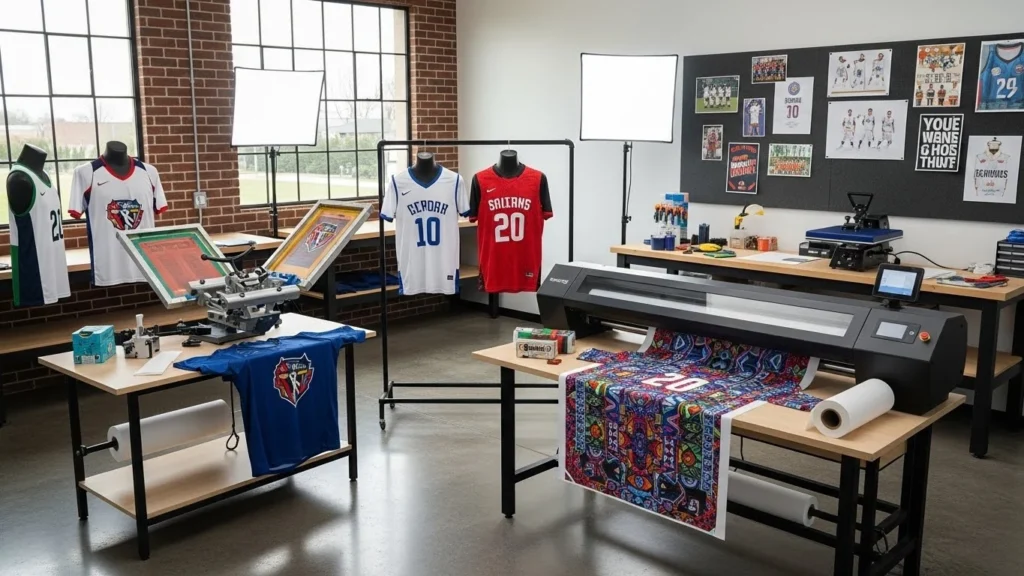
Digital printing has fundamentally changed how jerseys are designed and produced. Full-coverage graphics, high-resolution artwork, and intricate textures can now be applied seamlessly across entire garments.
All-Over Prints and Limited Editions
All-over printing allows designers to create bold, immersive visuals that cover the entire jersey surface. This is particularly effective for special-edition kits, anniversary releases, and fan-focused collections. Because digital workflows reduce setup time, brands can experiment with limited runs without excessive cost.
High-Resolution Graphics
Modern printing technologies support fine detail and subtle gradients, enabling designers to translate complex digital artwork directly onto fabric. This capability enhances storytelling and opens new creative directions for branding and seasonal collections.
Customization and Personalization
Customization is now a defining expectation in sportswear. Fans, amateur clubs, schools, and corporate teams increasingly seek personalized jerseys with custom names, numbers, and graphics.
Modular Design Systems
To manage customization efficiently, many brands adopt modular design systems. These templates allow quick updates to colorways, sponsor placements, and seasonal elements without redesigning the entire jersey. This approach speeds up production cycles and reduces design costs.
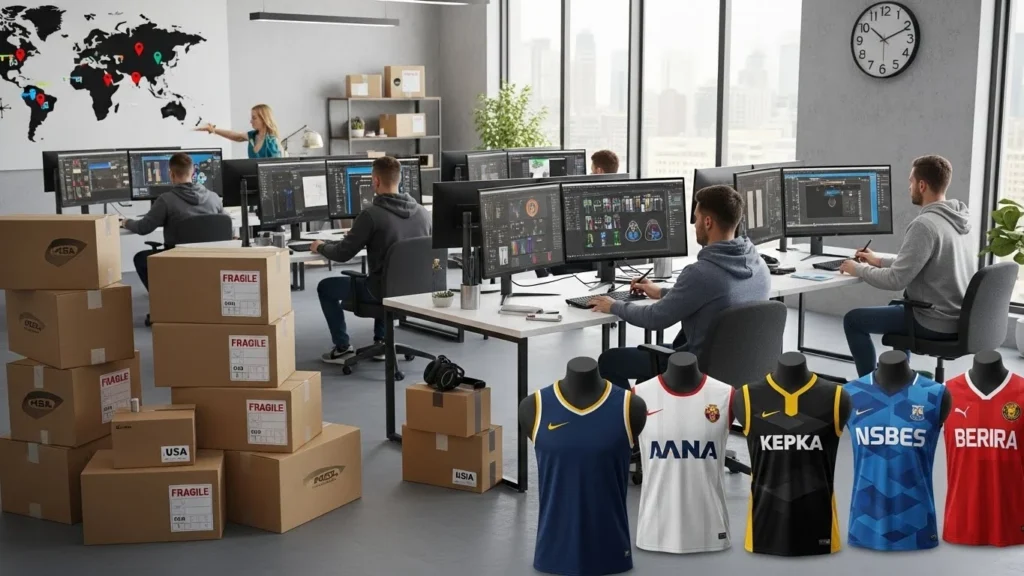
Brands offering scalable customization often rely on production partners like Bushi Sports to manage complex workflows while maintaining quality and consistency.
Branding and Sponsorship Integration
Sponsorship remains central to jersey design. However, modern layouts emphasize clarity and balance. Therefore, clean sponsor placement, clear visual hierarchy, and harmonious spacing improve overall aesthetics while preserving commercial value. Moreover, subtle storytelling elements—such as commemorative badges or anniversary graphics—add emotional depth to jersey designs.
Common Challenges When Following Trends
While trends offer inspiration, brands must nevertheless avoid several pitfalls. For example:
-
Overcrowding designs with too many elements
-
As a result, reducing readability through complex patterns
-
Moreover, chasing short-term trends that dilute brand identity
-
Finally, ignoring production constraints during the design phase
Therefore, the most successful brands balance creativity with manufacturability.
The Future of Modern Sports Jerseys
Looking ahead, the future of sportswear will continue blending performance technology with fashion aesthetics. For example, smart fabrics, interactive fan experiences, and advanced customization platforms are emerging directions. Furthermore, sustainability will increasingly influence design systems and production decisions.
Final Thoughts
Modern sports jerseys have evolved into powerful tools for performance, branding, and lifestyle expression. Brands that adopt design trends thoughtfully—while maintaining a clear identity and reliable production processes—can create jerseys that resonate with athletes and fans alike. By aligning creative direction with experienced manufacturing partners like Bushi Sports, brands can turn evolving trends into scalable, market-ready sportswear collections built for long-term success.