How Consistent Sizing Improves Customer Retention
In today’s competitive retail and sportswear market, consistent sizing plays a crucial role in building customer trust and loyalty. Shoppers expect their favorite brands to offer apparel that fits the same way every time. When sizing is inconsistent, it leads to frustration, increased returns, and lost sales. Conversely, brands that maintain consistent sizing across products create a reliable customer experience, which encourages repeat purchases and strengthens overall retention.
For retail sportswear and lifestyle apparel brands, maintaining sizing consistency requires careful attention to fabric behavior, grading standards, and manufacturing processes. Manufacturers like Bushi Sports help brands standardize sizes across production runs, ensuring that athletes, fitness enthusiasts, and casual wearers can rely on fit and comfort every time they purchase.
Why Consistent Sizing Matters in Retail
Consistent sizing goes beyond vanity—it directly impacts customer satisfaction and business metrics. Apparel customers form expectations based on prior experiences. If a medium fits one product but a large in the same brand feels small, confidence is lost.
Key reasons consistent sizing matters include:
-
Customer trust: Shoppers return to brands that reliably meet fit expectations.
-
Reduced returns: Inconsistent sizing is a leading cause of online returns, which increases operational costs.
-
Brand reputation: Fit inconsistencies create negative reviews and social media backlash.
-
Enhanced sales: Loyal customers are more likely to buy additional items when sizing is predictable.
A study by McKinsey & Company highlights that nearly 20% of online apparel returns are due to size discrepancies, underscoring the importance of standardization in reducing losses and improving retention.
Factors That Influence Sizing Consistency
Maintaining consistent sizing involves multiple considerations, from design to production:
1. Fabric Behavior
Different fabrics behave differently after washing, stretching, or under body movement. Knit fabrics may stretch over time, while woven fabrics retain structure. Brands must account for these characteristics when grading sizes across styles.
2. Manufacturing Precision
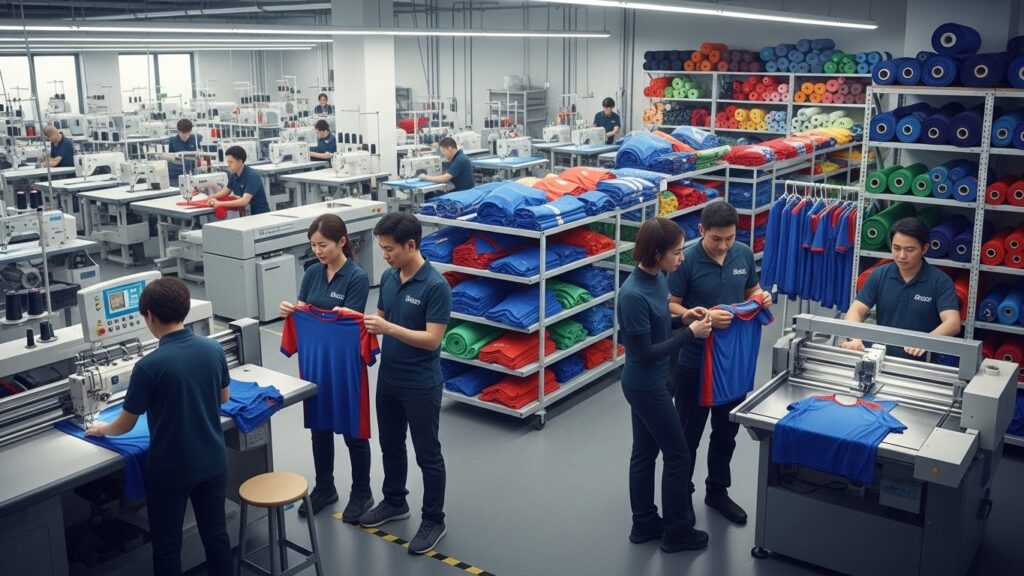
Reliable manufacturers implement strict quality control measures to maintain dimensions during cutting, sewing, and finishing. Using templates, measurement charts, and automated cutting machines ensures uniformity across batches.
3. Grading Standards
Grading is the process of creating different sizes from a base pattern. Standardized grading tables help brands maintain proportional consistency across XS, S, M, L, XL, and other sizes. Lack of precise grading can create noticeable fit differences, even within the same product line.
How Brands Implement Consistent Sizing
Retail and sportswear brands use several strategies to standardize sizing:
-
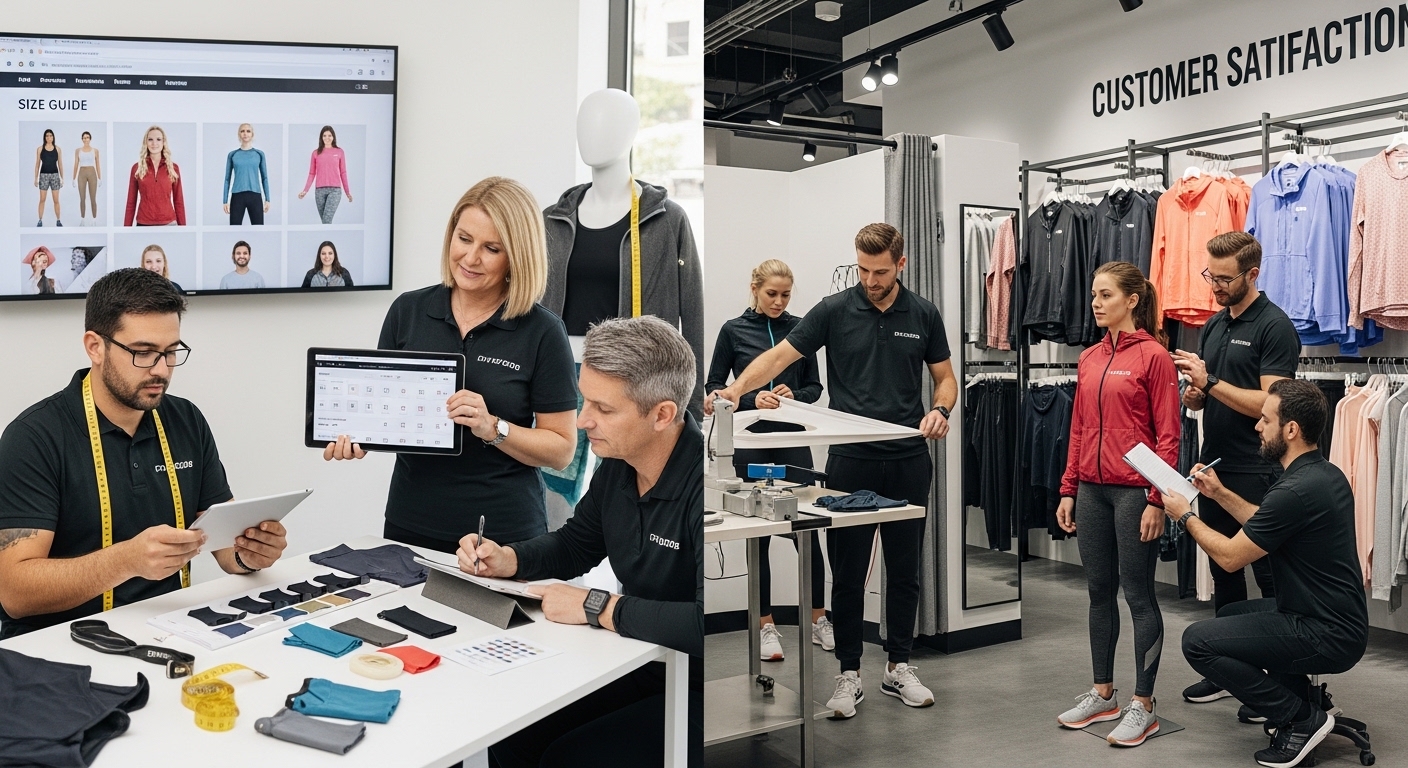
Measurement Guidelines: Clear charts for chest, waist, hips, and inseam for each size
-
Sample Testing: Pre-production samples are tested on models to confirm intended fit
-
Digital Pattern Making: CAD-based systems minimize human error in grading
-
Fabric Testing: Stretch recovery, shrinkage, and elasticity are evaluated before bulk production
Manufacturers like Bushi Sports work closely with brands to integrate these steps into production workflows, ensuring that sizes remain consistent across seasons and batches.
The Impact of Sizing on Customer Retention
Customer retention is significantly influenced by fit satisfaction. Consistent sizing leads to:
-
Repeat Purchases: Customers confidently buy the same size across collections.
-
Positive Reviews: Reliable sizing results in satisfied feedback and stronger brand reputation.
-
Reduced Returns and Costs: Accurate sizing minimizes logistical challenges associated with returns and exchanges.
Retail brands that invest in sizing consistency often see measurable improvements in repeat business and lifetime customer value. According to a report by Business of Fashion, brands that standardized sizing experienced a 15–20% reduction in return rates and a notable increase in repeat online sales.
Online Shopping Challenges and Solutions
Online apparel shopping magnifies the impact of sizing inconsistency. Without the ability to try items on, customers rely entirely on brand reliability. Retailers address this by:
-
Providing detailed measurement charts
-
Using fit prediction technology and AI sizing recommendations
-
Offering consistent size labeling across products
Common Solutions for Online Retailers:
-
Virtual Fit Tools: 3D sizing software helps shoppers select the correct size based on personal measurements.
-
Standardized Templates: Consistent measurements ensure the same size fits similarly across multiple collections.
-
Return Policy Integration: Clear return policies reassure customers, but fewer returns occur when sizing is consistent.
Brands that combine consistent sizing with digital tools build stronger trust and loyalty among online shoppers.
Sportswear and Athletic Apparel Considerations
For performance apparel, sizing consistency is not just a matter of comfort—it affects athletic performance. Improperly fitting sportswear can:
-
Restrict movement during training or games
-
Cause discomfort that distracts athletes
-
Reduce the effectiveness of compression or moisture-wicking fabrics
Sports brands prioritize consistent sizing in:
-
Team uniforms: Ensures all players have identical fit and performance standards
-
Training apparel: Supports correct movement, flexibility, and injury prevention
-
Lifestyle sportswear: Builds brand recognition when fans purchase merchandise that fits like athletic gear
Manufacturers like Bushi Sports specialize in creating sizing standards that work for both youth and professional athletes, ensuring comfort and performance.
Challenges in Maintaining Consistent Sizing
Even with best practices, maintaining consistency can be challenging:
-
Fabric Variations: Different production lots may behave slightly differently
-
Human Error: Manual cutting and sewing can introduce size differences
-
Regional Differences: Sizing expectations vary across global markets
-
Shrinkage and Stretch: Washing, drying, and material elasticity can alter fit
To address these challenges, brands perform rigorous testing and quality control checks, often in partnership with experienced manufacturers who understand these technical details.
Tips for Brands to Ensure Consistent Sizing
-
Invest in Reliable Manufacturers: Work with partners experienced in grading, fabric behavior, and quality control.
-
Standardize Size Charts: Use clear and accurate measurement charts for every product category.
-
Test Across Multiple Materials: Each fabric type may behave differently, requiring separate sizing evaluations.
-
Monitor Customer Feedback: Collect reviews and returns data to detect sizing discrepancies early.
-
Leverage Technology: Use 3D modeling, CAD, and virtual fit tools to maintain uniformity.
These steps help retail and sports brands maintain consistent sizing, reduce operational costs, and improve overall customer experience.
The Role of Manufacturer Collaboration
Brands cannot achieve sizing consistency alone. Collaboration with reliable manufacturers ensures that designs translate perfectly from concept to production. Benefits of this collaboration include:
-
Expertise in fabric behavior, shrinkage, and stretch recovery
-
Guidance on grading and pattern adjustments
-
Quality assurance checks to catch sizing errors before bulk production
-
Scalability for seasonal demand without sacrificing fit
Suppliers like Bushi Sports provide end-to-end support for consistent sizing, from design consultation to production audits, enabling brands to maintain uniformity across all product lines.
Future Trends in Consistent Sizing
As technology evolves, brands can further enhance sizing reliability:
-
AI Fit Prediction: Personalized recommendations based on body measurements
-
Digital Twins: Virtual prototypes that model how fabrics stretch and drape
-
Global Sizing Standards: Efforts to unify size labeling internationally
-
Advanced Fabric Testing: Real-time analysis of stretch, shrinkage, and recovery
By embracing these innovations, brands can maintain trust and loyalty while minimizing sizing-related returns.
Final Thoughts
Consistent sizing is a key factor in customer retention, impacting satisfaction, repeat purchases, and brand loyalty. Retail sports and lifestyle brands that prioritize uniformity across products demonstrate reliability and professionalism.
By partnering with experienced manufacturers like Bushi Sports, implementing rigorous grading standards, and leveraging technology, brands can provide a dependable shopping experience. Over time, this investment translates into happier customers, fewer returns, and stronger brand equity.
Ultimately, consistent sizing is not just about fit—it’s about building trust, loyalty, and long-term customer relationships.