How to Compare Sportswear Samples Like a Pro
For sportswear brands, evaluating samples is a critical step in the production process. Learning how to compare sportswear samples effectively can save money, prevent quality issues, and ensure the final product meets design and performance standards. Whether you are developing custom team kits, retail sportswear, or lifestyle apparel, proper sample comparison allows brands to make informed decisions about fabric quality, fit, durability, and aesthetics.
Manufacturers like Bushi Sports often provide multiple sample options, from prototype runs to pre-production samples. Comparing these samples systematically ensures brands identify potential issues early, avoid costly mistakes, and maintain consistency across production batches.
Why Comparing Sportswear Samples Matters
Comparing sportswear samples is not just a formality—it is a critical quality control step. Many brands encounter issues post-production that could have been avoided with careful sample evaluation. A thorough comparison ensures that:
-
Fabrics meet performance and durability expectations
-
Fit and sizing are consistent across all garments
-
Colors, prints, and graphics match brand standards
-
Stitching, seams, and construction meet durability requirements
Skipping this step or failing to compare samples effectively can result in large-scale production errors, increased returns, and dissatisfied customers. By mastering this process, brands uphold product integrity, reduce operational risks, and strengthen their market reputation.
Key Factors to Compare in Sportswear Samples
When comparing sportswear samples, several factors require close attention. Each aspect contributes to the garment’s overall performance and customer satisfaction.
Fabric and Material Quality: The choice of fabric is fundamental to comfort, durability, and performance. Compare the texture, stretch recovery, moisture-wicking properties, and weight. Fabrics that perform well during testing are less likely to fade, shrink, or lose shape over time. Premium manufacturers like Bushi Sports provide technical data sheets for fabrics, which can help you evaluate samples effectively.
Fit and Sizing: Ensure that sizes are consistent across samples. Try on garments or use mannequins to verify fit, comfort, and mobility. Look for uniform grading between XS, S, M, L, and XL. Pay attention to areas like shoulder seams, waistbands, and sleeves, which often show inconsistencies first.
Construction and Stitching: Examine seams, hems, and reinforcements. Check that stitching is even, secure, and appropriate for the type of garment. Weak seams can lead to tearing during use, while uneven stitching can reduce both appearance and durability.
Color Accuracy: Colors must match brand standards and Pantone references if applicable. Evaluate color consistency under different lighting conditions, as variations in hue or saturation can affect retail presentation and brand consistency.
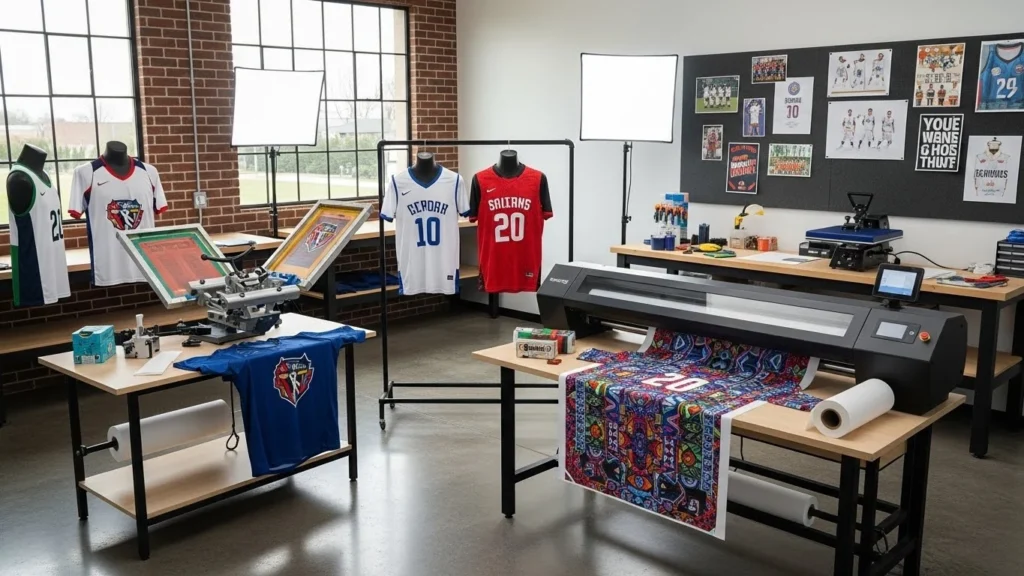
Prints and Graphics: Sublimation, screen printing, or embroidery should be precise and consistent across samples. Ensure logos, numbers, and graphics align correctly and meet quality expectations.
Step-by-Step Guide to Comparing Sportswear Samples
Mastering sample comparison involves a structured approach. Professionals typically follow these steps:
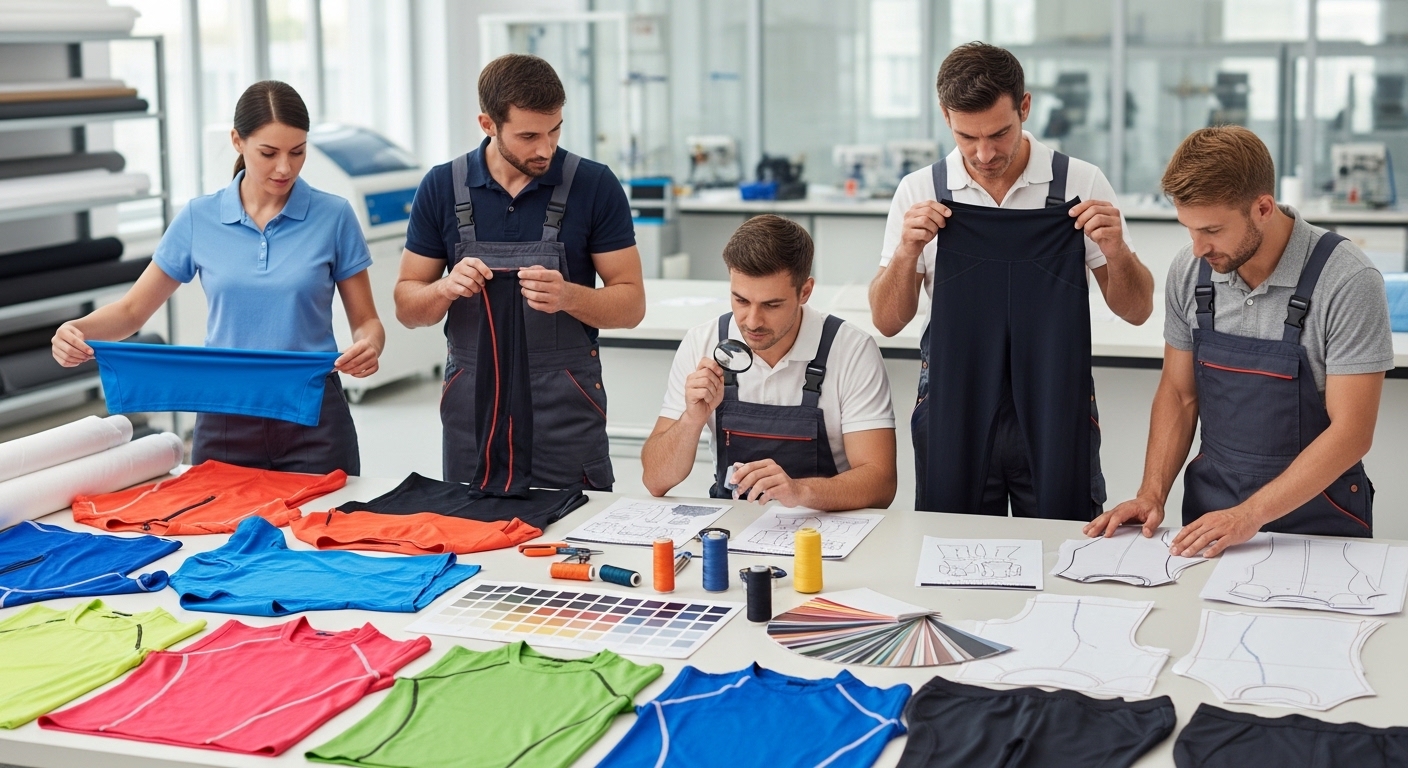
1. Collect Multiple Samples: Obtain all prototypes, pre-production, and test samples. Having multiple options allows for side-by-side comparisons and highlights differences.
2. Inspect Materials Closely: Check the fabric for weight, stretch, and durability. Perform stress tests by stretching seams and washing samples to evaluate shrinkage or color fading.
3. Evaluate Fit and Comfort: Try garments on models or mannequins. Check how they move during activity, ensuring no restriction in motion and proper alignment for performance zones such as compression panels or ventilation areas.
4. Review Stitching and Construction: Examine seams, hems, and reinforcements. Ensure that stitching is even, tight, and durable. Pay attention to areas prone to stress during exercise.
5. Test Graphics and Colors: Compare color swatches, prints, and embroidery. Ensure graphics align with the brand’s specifications and maintain consistency across all samples.
6. Document Observations: Take notes and photographs for each sample. Compare results objectively to make informed production decisions.
7. Consult Your Manufacturer: Discuss findings with your production partner. Experienced manufacturers like Bushi Sports can adjust materials, grading, or printing based on your feedback.
Common Mistakes Brands Make When Comparing Samples
Even experienced brands sometimes overlook critical details when comparing sportswear samples. Common mistakes include:
-
Focusing Only on Appearance: A garment may look good but perform poorly. Always evaluate durability, stretch, and wash performance.
-
Ignoring Fit Consistency: Don’t assume one size will represent the entire range. Verify multiple sizes for accuracy.
-
Skipping Stress Tests: Testing a sample only visually may miss hidden weaknesses in fabric or construction.
-
Failing to Consult Manufacturers: Manufacturers can often adjust materials, patterns, or printing methods based on your feedback. Collaboration is essential.
By avoiding these mistakes, brands can prevent costly production errors and deliver consistent, high-quality products to customers.
The Role of Technology in Sample Comparison
Technology has transformed the way brands compare sportswear samples. Tools and systems include:
-
Digital Fabric Analysis: Evaluate stretch, recovery, and moisture-wicking properties with precision instruments.
-
3D Fit Simulation: Virtual modeling allows brands to see how garments fit and move without physical samples.
-
High-Resolution Imaging: Examine printing, embroidery, and stitching details closely to detect flaws invisible to the naked eye.
Brands like Bushi Sports combine these technologies with traditional quality inspections to ensure comprehensive sample evaluations. Technology reduces errors, speeds up decision-making, and allows for more accurate comparison between samples.
Evaluating Samples for Custom Sportswear
Custom sportswear requires additional attention during sample comparison. Each team kit or corporate uniform may have unique logos, patterns, and colorways. Brands must ensure that:
-
Logos and Branding Are Accurate: Placement, size, and color should meet specifications.
-
Team-Specific Requirements Are Met: Numbers, names, and design elements should align with official guidelines.
-
Performance Features Are Functional: Compression zones, ventilation panels, and stretch recovery should function as intended.
Experienced manufacturers, such as Bushi Sports, provide guidance on sample adjustments to maintain quality and compliance with custom specifications.
Comparing Sportswear Samples for Retail Production
Retail brands face additional challenges compared to custom or team orders. In retail, consistency across large production batches is critical. Key considerations include:
-
Batch-to-Batch Consistency: Ensure samples represent what will be produced in bulk. Variations in materials or printing can affect customer satisfaction.
-
Durability Across Sizes: Verify that each size fits correctly and maintains performance standards.
-
Color and Print Accuracy: Retail customers expect consistent colors and patterns across all items purchased.
Using pre-production samples as a benchmark, brands can communicate with manufacturers to correct any inconsistencies before full production.
The Financial Benefits of Proper Sample Comparison
While evaluating sportswear samples requires time and effort, the financial benefits are significant. Brands that invest in careful comparison can avoid:
-
Costly recalls due to defective garments
-
Excess returns from dissatisfied customers
-
Lost sales due to inconsistent sizing or poor fit
-
Reputation damage caused by substandard products
In the long run, proper sample comparison reduces waste, minimizes rework, and ensures high customer satisfaction, demonstrating the ROI of investing in quality control.
Best Practices for Professionals
Professional sportswear brands follow several best practices when comparing samples:
-
Maintain detailed checklists for fabric, fit, construction, and design
-
Test multiple sizes and color variations
-
Collaborate with manufacturers for adjustments before production
-
Document observations for accountability and reference in future orders
By adhering to these practices, brands maximize quality, minimize errors, and maintain consistent standards across products.
Sustainability Considerations
Evaluating samples also supports sustainability goals. Cheap or poorly made garments often fail quickly, leading to higher environmental impact. Comparing samples allows brands to:
-
Select durable fabrics with better longevity
-
Reduce waste by catching flaws before mass production
-
Choose environmentally responsible materials and processes
Manufacturers like Bushi Sports provide guidance on sustainable options during sample evaluation, helping brands align with eco-conscious practices.
The Consumer Experience
For end-users, the quality of sportswear reflects the brand’s professionalism. Garments that perform well, fit correctly, and look good build customer trust. By investing in meticulous sample comparison, brands ensure that consumers receive products that meet expectations, reduce complaints, and foster repeat purchases.
The key takeaway is that careful sample comparison is not optional—it directly impacts brand reputation, sales, and customer loyalty.
Conclusion
Learning how to compare sportswear samples like a pro is an essential skill for brands in retail, custom apparel, and team sportswear. By evaluating fabric quality, fit, construction, prints, and durability, brands can prevent production errors, reduce costs, and deliver consistent, high-performing products.
Collaborating with experienced manufacturers such as Bushi Sports ensures professional guidance, technical support, and quality control at every stage. In the competitive sportswear market, mastering sample comparison is a strategic advantage that leads to better products, satisfied customers, and long-term success.