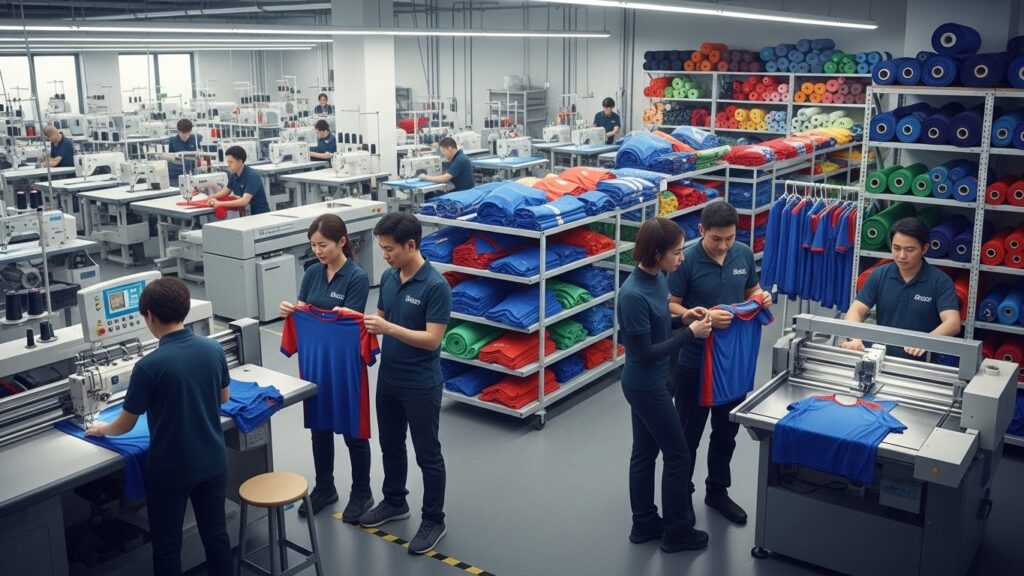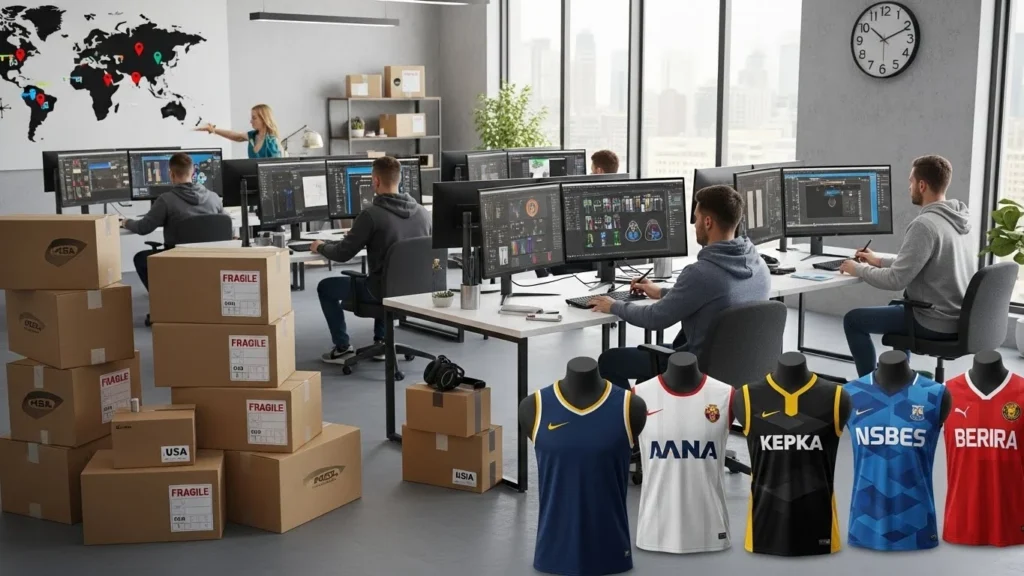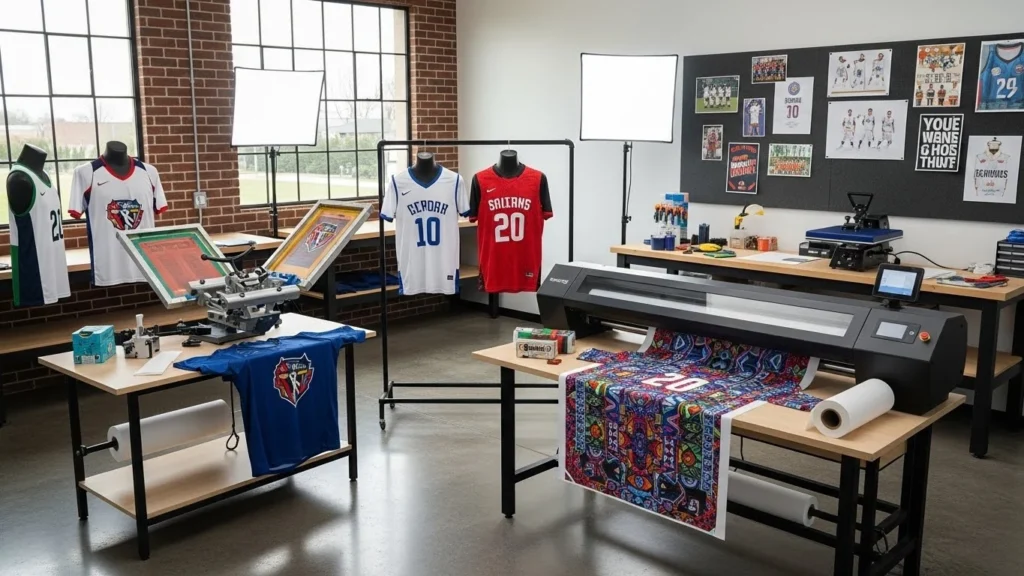
Ordering custom sportswear can be a powerful way for brands, teams, and organizations to strengthen identity, improve performance, and create a professional presence. However, many brands unknowingly make costly errors during the ordering process that lead to delays, quality issues, and unnecessary expenses. Understanding the common mistakes brands make when ordering custom sportswear helps prevent production problems and ensures a smoother manufacturing experience.
Custom sportswear production involves multiple technical steps, from fabric selection and sizing to printing methods and logistics. When brands rush decisions or overlook critical details, small issues can quickly escalate into major setbacks. By recognizing these common pitfalls early, brands can protect their investment and build long-term, reliable manufacturing partnerships.
Why Custom Sportswear Mistakes Happen
Mistakes in custom sportswear orders often occur due to lack of manufacturing knowledge or unclear communication. Many brands focus heavily on design aesthetics while underestimating technical requirements such as fabric behavior, print limitations, and production timelines. Others assume all manufacturers follow the same processes, which can lead to mismatched expectations.
Without a clear understanding of how custom sportswear is produced, brands may make decisions that compromise quality, durability, or delivery schedules.
Not Defining Clear Requirements From the Start
One of the most common mistakes brands make when ordering custom sportswear is failing to define clear requirements at the beginning. Vague instructions regarding fabric type, fit, color accuracy, or printing placement often result in misunderstandings during production.
Brands should clearly outline:
-
Intended use (training, match wear, lifestyle)
-
Performance requirements
-
Fit preferences
-
Quantity breakdown by size
Clear documentation allows manufacturers to plan production accurately and avoid revisions that delay timelines.
Fabric Selection Mistakes in Custom Sportswear
Choosing fabric based solely on appearance rather than performance is another frequent issue. Sportswear fabrics behave differently under stress, heat, and moisture. Selecting the wrong material can lead to discomfort, poor durability, or unexpected shrinkage.
Manufacturers often work with performance textiles designed for breathability, stretch, and moisture control. Global textile standards promoted by organizations such as the International Organization for Standardization help ensure consistent fabric quality across production runs.
Brands that understand fabric functionality make better long-term decisions for athletes and consumers.
Sizing and Fit Mistakes in Custom Sportswear
Sizing inconsistency is a major source of dissatisfaction in custom sportswear orders. Many brands rely on generic size charts without considering regional differences or target demographics. Skipping fit testing during sampling increases the risk of poorly fitting garments.
Proper fit testing ensures:
-
Comfort across all size ranges
-
Reduced returns or reorders
-
Better athlete performance
Brands that invest time in sampling and approvals experience fewer issues during bulk production.
Submitting Low-Quality Artwork and Files
Print quality issues often stem from poor artwork preparation. Raster images, incorrect file formats, or low-resolution logos can cause blurred prints, color mismatches, or distorted branding.
Manufacturers typically prefer vector-based artwork to ensure clean edges and accurate scaling. Publications like Textile World regularly discuss how print quality and file preparation impact apparel durability and appearance. Providing print-ready files helps avoid rework and production delays.
Misunderstanding Printing Methods
Another common mistake brands make when ordering custom sportswear is not understanding the limitations of different printing techniques. Sublimation, screen printing, and heat transfer each have unique characteristics that affect color vibrancy, durability, and cost.
For example:
-
Sublimation works best on polyester fabrics
-
Screen printing may add weight to garments
-
Heat transfers may have durability limits
Brands benefit from selecting printing methods that align with garment function and long-term wear expectations.
Rushing Production Timelines Unrealistically
Unrealistic timelines place unnecessary pressure on manufacturers and often result in compromised quality. Custom sportswear production requires time for fabric sourcing, sampling, printing, and quality control.
Brands that rush approvals or demand compressed schedules increase the risk of errors. Understanding sportswear production lead times helps brands plan effectively and avoid emergency costs.
Not Considering Minimum Order Quantities
Many brands overlook minimum order quantities when planning collections. Manufacturers often set MOQs based on fabric sourcing, printing setup, and production efficiency. Ignoring these requirements can lead to higher costs or order rejection.
Clarifying MOQs early allows brands to adjust quantities or consolidate designs for better efficiency.
Skipping Quality Control Discussions
Assuming quality control is automatic is another costly mistake. While reputable manufacturers follow structured quality processes, brands should still discuss inspection standards and tolerances.
Quality control typically covers:
-
Stitching consistency
-
Color accuracy
-
Size measurements
-
Print durability
Understanding how quality checks are performed builds confidence and reduces post-delivery issues.
Failing to Plan for Shipping and Logistics
Shipping is often treated as an afterthought, yet it significantly affects delivery timelines and costs. Brands that do not account for customs clearance, destination regulations, or seasonal congestion may experience unexpected delays.
Organizations such as the World Bank provide insights into global trade and logistics challenges that affect manufacturing supply chains.
Early logistics planning ensures smoother delivery and cost control.
Choosing Price Over Manufacturing Capability
While pricing is important, selecting a manufacturer based solely on cost can be risky. Extremely low prices often indicate compromises in fabric quality, labor standards, or quality control.
Brands should evaluate manufacturers based on:
-
Production experience
-
Communication transparency
-
Quality assurance systems
-
Past project consistency
Reliable manufacturers help brands avoid hidden costs caused by defects or reorders.
Why Manufacturer Communication Matters
Poor communication is a root cause of many custom sportswear issues. Delayed responses, unclear updates, or lack of transparency can leave brands uncertain about production status.
Manufacturers that provide regular updates and clear timelines help brands stay informed and confident throughout the process.
How Bushi Sports Helps Brands Avoid These Mistakes
Bushi Sports understands the challenges brands face when ordering custom sportswear. By guiding clients through each stage of production, Bushi Sports helps prevent common errors related to fabric selection, sizing, printing, and timelines.
Their approach emphasizes:
-
Clear consultation from the start
-
Structured production workflows
-
Transparent communication
Brands can explore how integrated sportswear manufacturing solutions support consistent quality and delivery through Bushi Sports’ production capabilities.
You can also explore how custom jersey printing solutions are optimized for durability and performance through Bushi Sports’ printing expertise. Learn More!
Their workflow reflects a strong focus on quality, transparency, and long-term manufacturing partnerships.
Building Long-Term Success in Custom Sportswear
Avoiding mistakes in custom sportswear orders is not just about preventing problems; it is about building scalable, sustainable operations. Brands that understand manufacturing realities make smarter decisions and foster stronger supplier relationships.
Long-term success comes from:
-
Planning ahead
-
Communicating clearly
-
Prioritizing quality over shortcuts
Brands that treat manufacturers as partners rather than vendors are more likely to achieve consistent results.
Choosing the Right Partner for Custom Sportswear
Selecting the right manufacturing partner plays a critical role in avoiding production issues. Brands should review manufacturing processes, quality standards, and communication practices before committing.
Many brands explore comprehensive custom sportswear solutions through Bushi Sports’ platform to ensure reliability and consistency across production cycles.
Conclusion
Understanding the common mistakes brands make when ordering custom sportswear empowers businesses to avoid delays, quality issues, and unnecessary costs. From fabric selection and sizing to printing methods and logistics, every decision impacts the final product.
Brands that invest time in planning, communication, and partner selection position themselves for long-term success. With the right manufacturing approach and reliable partners, custom sportswear becomes a powerful tool for performance, branding, and growth.