Why Fabric Choice Matters When Choosing Fabrics for Teams
Choosing fabrics for teams is one of the most important decisions in sportswear production, yet it’s often misunderstood. While design, colors, and branding attract attention, fabric selection directly impacts comfort, safety, durability, and long-term performance. Moreover, the needs of youth teams differ significantly from those of professional athletes, which means a one-size-fits-all approach rarely works.
For youth programs, fabrics must prioritize comfort, safety, and affordability. In contrast, professional teams demand high-performance materials that enhance movement, manage sweat, and withstand intense physical stress. Therefore, choosing fabrics for teams requires understanding not just performance requirements, but also age group needs, usage frequency, climate conditions, and budget constraints. In this guide, we’ll explore how fabric choices differ for youth vs professional teams and how brands can make smarter sourcing decisions.
Key Fabric Priorities When Choosing Fabrics for Youth Teams
Fabric is the foundation of any sports uniform. Even the best design will fail if the material feels uncomfortable, overheats athletes, or wears out too quickly. Consequently, choosing fabrics for teams affects:
-
Player comfort and mobility
-
Injury prevention and skin protection
-
Uniform lifespan and replacement cycles
-
Team image and professional appearance
In addition, fabric quality plays a role in how athletes psychologically perceive their kit. When uniforms feel lightweight and breathable, players often feel more confident and game-ready. On the other hand, heavy or poorly ventilated fabrics can become a distraction during performance.
Fabric Priorities for Youth Sports Teams
Youth athletes have unique physical and psychological needs. Their bodies are still developing, and their sports participation is often more about learning and enjoyment than elite competition. Therefore, choosing fabrics for teams at the youth level should focus on comfort and safety first.
Key Fabric Requirements for Youth Teams
For youth sportswear, manufacturers and clubs should prioritize:
-
Softness and skin comfort to prevent irritation
-
Breathability to manage heat during play
-
Lightweight feel for unrestricted movement
-
Easy maintenance for parents and schools
-
Cost-effectiveness for large team orders
Because youth teams often train and play in less controlled environments, fabrics should also be resilient enough to handle frequent washing. Many schools and academies work with reliable suppliers such as Bushi Sports to source durable yet comfortable team uniforms that balance performance with affordability.
Safety Considerations in Youth Fabric Selection
Safety is another critical factor when choosing fabrics for teams at the youth level. Fabrics should be:
-
Non-abrasive to sensitive skin
-
Free from harmful chemicals and dyes
-
Resistant to tearing during physical contact
According to textile safety guidelines published by OEKO-TEX, certified fabrics reduce the risk of skin irritation and allergic reactions, which is especially important for younger athletes.
Key Fabric Requirements for Professional Team Kits
Professional athletes place extreme demands on their apparel. At elite levels, even small performance improvements can make a difference. As a result, choosing fabrics for teams in professional sports emphasizes performance technology and long-term durability.
Performance-Driven Fabric Features
For professional teams, fabric selection often focuses on:
-
Advanced moisture-wicking to manage sweat
-
Stretch and recovery for dynamic movement
-
Lightweight construction to reduce fatigue
-
Temperature regulation for varied climates
-
High durability for frequent training and competition
In many cases, professional clubs collaborate with experienced sportswear manufacturers like Bushi Sports to develop custom fabric blends tailored to their sport and playing conditions.
Durability Under High Usage
Professional kits endure repeated high-intensity use, travel, and laundering. Therefore, choosing fabrics for teams at this level must consider:
-
Resistance to pilling and fading
-
Strength at stress points (shoulders, seams, knees)
-
Long-term shape retention
Textile research from organizations like Textile World highlights how modern performance fabrics are engineered to withstand abrasion while maintaining breathability.
Comparing Fabric Needs for Youth vs Professional Teams
Although both youth and professional teams wear sports uniforms, their requirements differ significantly. Understanding these differences helps brands and clubs make smarter decisions when choosing fabrics for teams.
Key Differences When Choosing Fabrics for Teams
Youth Teams Typically Need:
-
Comfortable, soft-touch fabrics
-
Simple moisture control
-
Budget-friendly materials
-
Easy-care properties
Professional Teams Typically Need:
-
High-tech performance fabrics
-
Advanced ventilation zones
-
Lightweight compression or stretch materials
-
Long-term durability under stress
Therefore, choosing fabrics for teams should always be contextual. What works perfectly for a youth soccer academy may not meet the expectations of a professional league team.
Climate and Playing Conditions
Climate plays a major role in fabric selection. Teams in hot, humid environments need breathable and quick-drying materials. Meanwhile, colder climates may require fabrics with thermal properties or layering compatibility.
When choosing fabrics for teams, consider:
-
Average temperature during play
-
Indoor vs outdoor environments
-
Seasonal variations
Manufacturers often test fabric breathability and thermal performance during product development. Many clubs rely on suppliers like Bushi Sports for guidance on climate-appropriate material choices.
Budget and Scalability Considerations
Budget constraints differ widely between youth programs and professional teams. Youth clubs often operate with limited funding, making cost efficiency a priority. Conversely, professional teams invest more heavily in premium materials to gain performance advantages.
Smart Budgeting Tips
When choosing fabrics for teams on a budget:
-
Opt for durable mid-range performance fabrics
-
Focus on longevity to reduce replacement costs
-
Choose versatile materials that work across multiple seasons
Professional teams, on the other hand, may justify higher costs if fabrics contribute to athlete comfort, injury prevention, or brand image.
Customization and Branding Impact
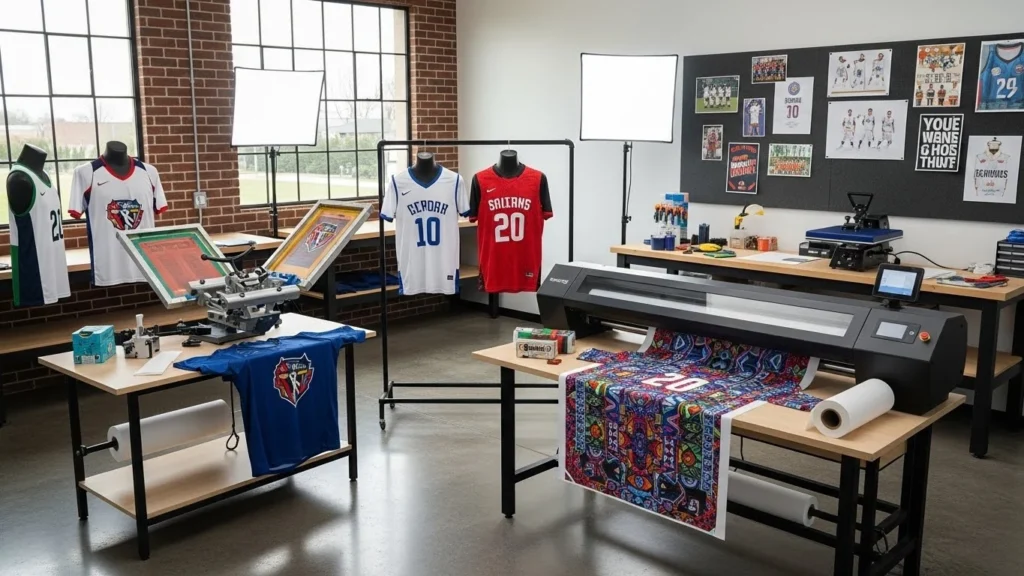
Fabric choice also affects how well logos, numbers, and sponsor graphics appear on uniforms. Some materials hold prints better than others, and certain textures may distort designs over time.
When choosing fabrics for teams, brands should evaluate:
-
Print compatibility (sublimation vs heat transfer)
-
Color retention after washing
-
Fabric surface smoothness for branding clarity
High-quality customization processes are often supported by manufacturers like Bushi Sports, who integrate fabric selection with printing technology.
Sustainability in choosing Fabric for teams
Sustainability is becoming a growing concern across all levels of sport. Parents, schools, and professional organizations increasingly prefer eco-friendly materials.
When choosing fabrics for teams, sustainability factors may include:
-
Recycled polyester blends
-
Reduced water usage in dyeing
-
Ethical sourcing practices
Brands that communicate sustainable choices often build stronger trust with communities and sponsors alike.
Common Mistakes When Choosing Fabrics for Teams
Despite good intentions, many teams make avoidable mistakes when selecting fabrics:
-
Choosing appearance over comfort
-
Ignoring climate and usage frequency
-
Overpaying for features youth athletes don’t need
-
Underinvesting in durability for professional kits
Avoiding these mistakes ensures that choosing fabrics for teams leads to better outcomes for both athletes and organizations.
How to Make the Right Fabric Decision
To make smarter fabric choices, teams and brands should:
-
Define performance and comfort needs clearly
-
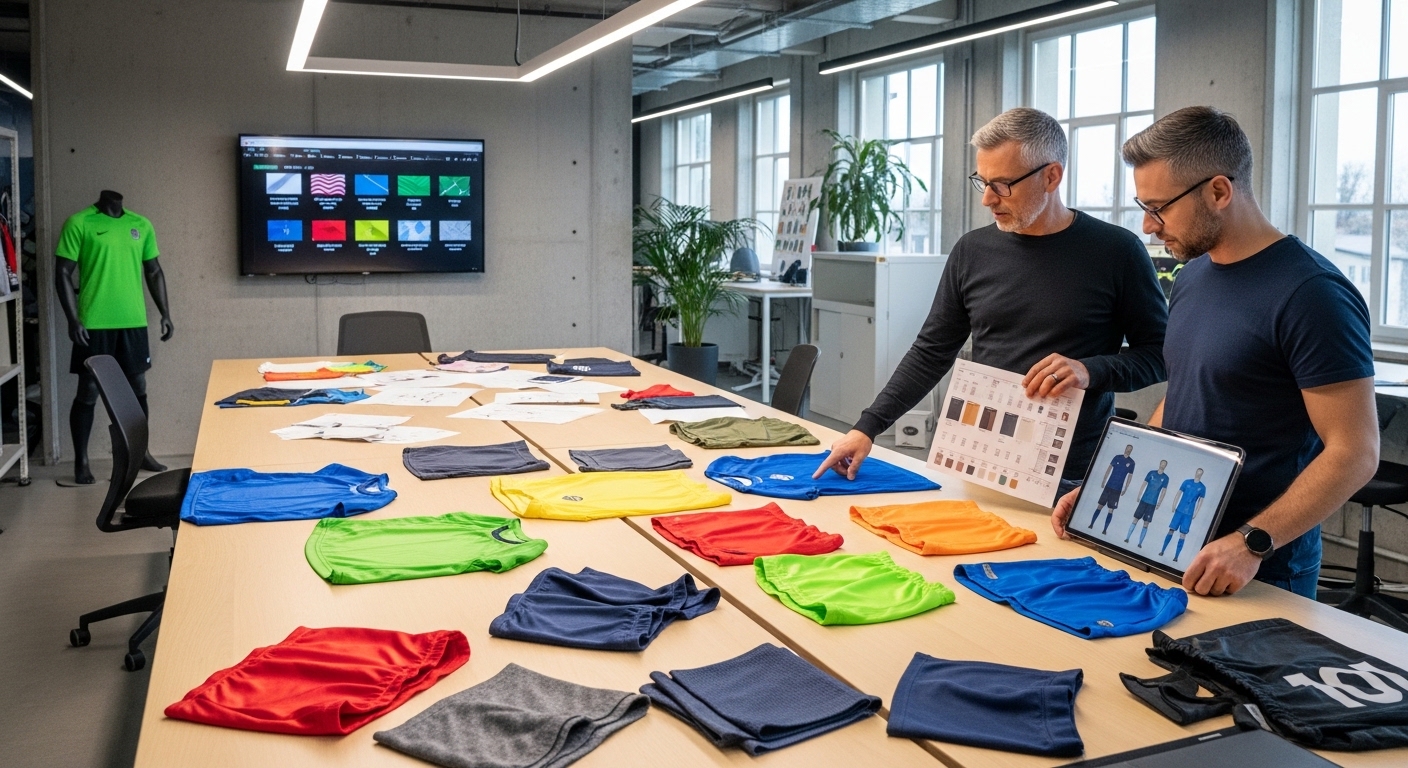
Test fabric samples in real conditions
-
Consider long-term costs, not just upfront pricing
-
Work with experienced manufacturers
By collaborating with reliable partners such as Bushi Sports, teams can align fabric selection with performance goals and brand standards.
Final Thoughts on Choosing the Right Fabrics for Teams
Choosing fabrics for teams is not just a technical decision—it’s a strategic one. Youth teams benefit most from comfortable, safe, and affordable materials that support learning and enjoyment. Professional teams, however, demand advanced performance fabrics that enhance mobility, manage sweat, and endure intense use.
Ultimately, successful fabric selection balances comfort, durability, budget, and brand identity. When teams take the time to evaluate their specific needs and work with experienced suppliers, they create uniforms that support athletes at every level—on the field and beyond.