Certifications in Sportswear Manufacturing: ISO, CE & Global Standards
Introduction
Certifications in sportswear manufacturing are essential for ensuring that sports apparel meets international quality, safety, and ethical production standards. For sportswear brands, apparel startups, and team uniform buyers, understanding these certifications helps them choose reliable manufacturing partners and maintain consistent product quality. Standards such as ISO certifications and CE compliance verify that sportswear products are produced using safe materials, responsible processes, and structured quality management systems.
Today, the global sportswear industry is highly competitive. As brands expand into international markets, they must meet strict regulatory requirements and increasing customer expectations. Therefore, certifications provide a clear framework that helps manufacturers maintain transparency, safety, and reliability throughout the production process.
For many apparel businesses, partnering with experienced manufacturers like Bushi Sports® ensures that custom sportswear production follows modern industry standards while maintaining durability, comfort, and performance-focused design.
Why certifications in sportswear manufacturing are important
The apparel industry depends on complex global supply chains. Because production often involves multiple suppliers, certifications in sportswear manufacturing help verify that every stage of production meets recognized international standards.
These certifications help ensure:
-
Consistent product quality
-
Responsible labor practices
-
Safe textile materials
-
Reliable production systems
-
Compliance with international regulations
Furthermore, certifications help sportswear brands build trust with distributors, retailers, and professional sports organizations. When apparel products are manufactured under certified systems, buyers feel more confident about sourcing them.
According to Textile World, internationally recognized textile standards improve transparency in global apparel supply chains while strengthening production quality.
Understanding ISO certifications in sportswear manufacturing
What ISO standards mean for apparel production
ISO standards are created by the International Organization for Standardization, which develops global guidelines for quality management, safety, and operational efficiency. In sportswear production, ISO certifications help ensure that manufacturers follow structured systems for managing product quality and operational processes.
As a result, brands working with ISO-certified factories benefit from consistent apparel quality and more reliable production outcomes.
Key ISO standards used in sportswear manufacturing
Several ISO certifications are particularly relevant for apparel production.
ISO 9001 – Quality Management Systems
ISO 9001 focuses on structured quality management processes. Manufacturers following this standard implement systems that monitor production performance and continuously improve manufacturing quality.
Key advantages include:
-
Consistent product performance
-
Standardized production workflows
-
Improved process control
-
Higher customer satisfaction
ISO 14001 – Environmental Management
Environmental responsibility has become increasingly important in the sportswear industry. ISO 14001 encourages manufacturers to reduce environmental impact during production.
Factories following this standard typically:
-
Monitor waste management
-
Reduce environmental pollution
-
Improve sustainability practices
ISO 45001 – Occupational Health and Safety
ISO 45001 focuses on workplace safety. This certification ensures that manufacturing facilities maintain safe environments for employees.
Consequently, sportswear brands often prefer working with manufacturers that maintain these structured safety systems.
Businesses launching apparel collections often explore custom sportswear manufacturing solutions when they need professional production systems and reliable quality management.
CE standards and certifications in sportswear manufacturing
What CE certification represents
CE marking confirms that a product meets European Union safety, health, and environmental regulations. While CE certification is more common for equipment and protective gear, certain sportswear products may also require CE compliance.
Examples include:
-
Protective cycling apparel
-
Impact-resistant sports clothing
-
Safety-enhanced athletic gear
Because European markets enforce strict product regulations, CE certification can be an important requirement for sportswear brands selling products in the EU.
Why CE compliance matters for global apparel brands
CE certification helps brands demonstrate that their products meet regulatory safety standards. As a result, manufacturers that understand CE requirements can support brands entering international markets.
In addition, CE compliance reduces the risk of product recalls and regulatory issues. Therefore, many sportswear companies prioritize production partners familiar with these standards.
Other global certifications supporting sportswear production
WRAP certification and ethical manufacturing
WRAP (Worldwide Responsible Accredited Production) certification focuses on ethical manufacturing and responsible labor practices.
WRAP Compliance promotes safe and lawful production across global apparel supply chains.
This certification evaluates several important areas:
-
Ethical employment practices
-
Workplace safety
-
Compliance with labor laws
-
Transparent factory operations
Because consumers increasingly value ethical production, WRAP certification has become an important factor for many sportswear brands.
Textile safety certifications
Textile safety certifications ensure that fabrics used in sportswear are free from harmful chemicals. These standards are especially important for performance apparel worn directly against the skin.
Sportswear manufacturers often prioritize these certifications for:
-
Training apparel
-
Professional sports uniforms
-
High-performance athletic wear
Safe textile materials improve athlete comfort while also protecting brand reputation.
How certified manufacturers improve sportswear quality
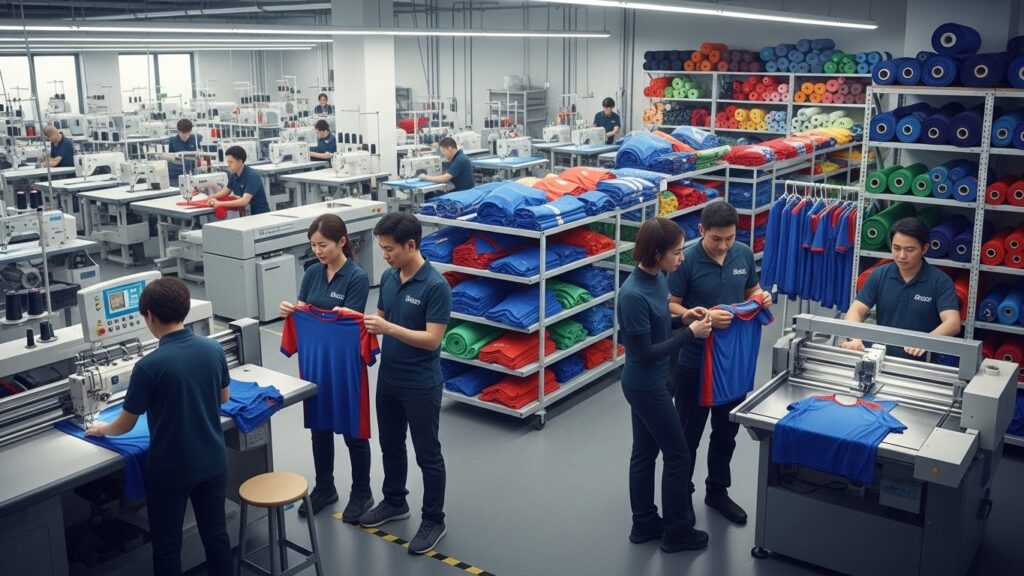
Stronger quality control systems
Certified factories usually implement structured inspection processes during production. As a result, manufacturing issues can be identified and corrected early.
Typical quality control procedures include:
-
Fabric inspection before production
-
Monitoring stitching and garment construction
-
Testing durability and performance
-
Final product inspection
These procedures help ensure that sportswear products meet performance expectations and durability standards.
More reliable production workflows
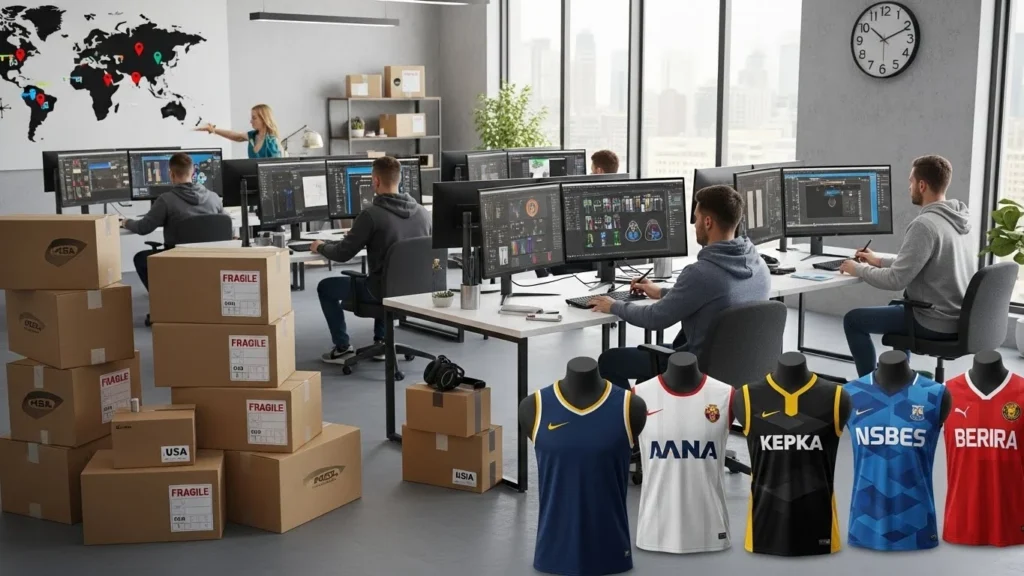
Certifications also encourage manufacturers to follow organized production systems. Consequently, brands benefit from better production planning and fewer delays.
Organized manufacturing systems improve:
-
Material sourcing
-
Production scheduling
-
Quality monitoring
-
Shipping coordination
For brands launching new sportswear collections, working with experienced partners like Bushi Sports® helps maintain these professional production standards.
How sportswear brands can verify manufacturing certifications
Before selecting a manufacturing partner, sportswear companies should verify whether certifications are valid.
Important steps include:
Request certification documentation
Manufacturers should provide official certificates issued by recognized certification bodies.
Verify certification databases
Brands should confirm certification authenticity through official registries whenever possible.
Evaluate production capabilities
Certifications demonstrate operational standards, but production expertise is equally important. Brands should also review the manufacturer’s experience in sportswear production.
Review previous projects
Examining previous work helps brands understand whether the manufacturer has experience producing professional sportswear collections.
Common mistakes brands make when evaluating certifications
Even experienced apparel companies sometimes misunderstand how manufacturing certifications work.
One common mistake is assuming that all certifications apply to every type of sportswear product. In reality, some certifications only apply to specific materials or manufacturing processes.
Another mistake occurs when brands focus only on certifications while ignoring production capability. Although certifications confirm compliance, manufacturers must also possess technical expertise in sportswear construction and fabric performance.
Additionally, some brands overlook ethical manufacturing practices. However, responsible labor standards are becoming increasingly important across the global apparel industry.
Conclusion
Understanding certifications in sportswear manufacturing helps sportswear brands choose reliable production partners and maintain consistent product quality. Certifications such as ISO standards, CE compliance, and ethical manufacturing programs verify that apparel products are produced safely and responsibly according to international guidelines.
As the global sportswear industry continues to grow, certified manufacturing will remain an important factor in maintaining trust between brands, suppliers, and customers. By working with experienced manufacturers such as Bushi Sports®, sportswear companies can develop high-quality custom apparel while maintaining professional production standards and global compliance.