Breathability vs Durability: Finding the Right Balance
Breathability vs durability is a defining challenge in modern sportswear development. From professional athletes to everyday fitness enthusiasts, users expect garments that keep them cool while also lasting through intense training, friction, and repeated washing. As a result, brands must carefully engineer products that deliver both airflow and strength without compromising comfort or longevity.
At the same time, consumer expectations have evolved. Today’s buyers want performance apparel that feels lightweight, dries quickly, and maintains its shape over time. However, fabrics that are highly breathable are often more delicate, while extremely durable textiles can restrict airflow. Therefore, balancing breathability vs durability has become a central focus in sportswear design and manufacturing.
This guide explores how breathability vs durability influences fabric choice, garment construction, and overall product performance. Moreover, it explains how brands can make smarter decisions by working with experienced sportswear manufacturers and applying proven material strategies.
Understanding Breathability vs Durability in Sportswear
Breathability vs durability describes the relationship between airflow comfort and fabric strength in performance apparel. Breathability allows heat and moisture vapor to escape, which helps regulate body temperature during activity. Durability, on the other hand, ensures that garments resist wear, abrasion, stretching, and repeated washing.
Because these two qualities often pull in opposite directions, designers must strike a thoughtful balance. For instance, open-knit or mesh fabrics enhance airflow but may wear out faster. In contrast, tightly woven fabrics last longer but may trap heat and moisture. Consequently, achieving both properties in a single garment requires careful material engineering.
In practice, performance sportswear blends these attributes by combining breathable zones with reinforced structures. This approach allows garments to perform well in demanding real-world conditions without sacrificing comfort.
Why Breathability Matters in Performance Apparel
Breathability plays a critical role in athletic comfort and endurance. When fabrics allow air circulation and moisture evaporation, the body cools more efficiently. As a result, athletes experience less overheating and discomfort during intense activity.
Breathable fabrics offer several benefits:
-
Improved temperature regulation
-
Faster sweat evaporation
-
Reduced skin irritation
-
Enhanced comfort during long workouts
Furthermore, breathability is especially important for high-intensity training, warm climates, and endurance sports such as running or cycling. However, while breathability enhances comfort, it can reduce fabric density. Therefore, breathable garments may require additional reinforcement to maintain durability over time.
Why Durability Still Matters in Sportswear
While comfort is important, durability remains essential for long-term product performance. Durable sportswear withstands friction, stretching, repeated washing, and environmental exposure. Consequently, durable garments maintain their shape, structure, and appearance over extended use.
Durability is especially important for:
-
Team uniforms and training kits
-
Contact and outdoor sports
-
Apparel subjected to frequent laundering
-
High-movement activities that stress seams and panels
Although durable fabrics provide longevity, they are often heavier and less breathable. For this reason, modern sportswear design focuses on balancing breathability vs durability rather than prioritizing only one attribute.
How Manufacturers Balance Breathability vs Durability
Balancing breathability vs durability requires a combination of smart material selection, fabric engineering, and garment construction techniques. Instead of relying on a single fabric solution, manufacturers use hybrid approaches to optimize performance.
Hybrid Fabric Zoning for Breathability vs Durability
One effective strategy is zoned construction. This method uses different fabric types in different parts of a garment. For example:
-
Breathable mesh panels in high-heat areas
-
Reinforced fabrics in high-friction zones
-
Stretch materials in movement-intensive regions
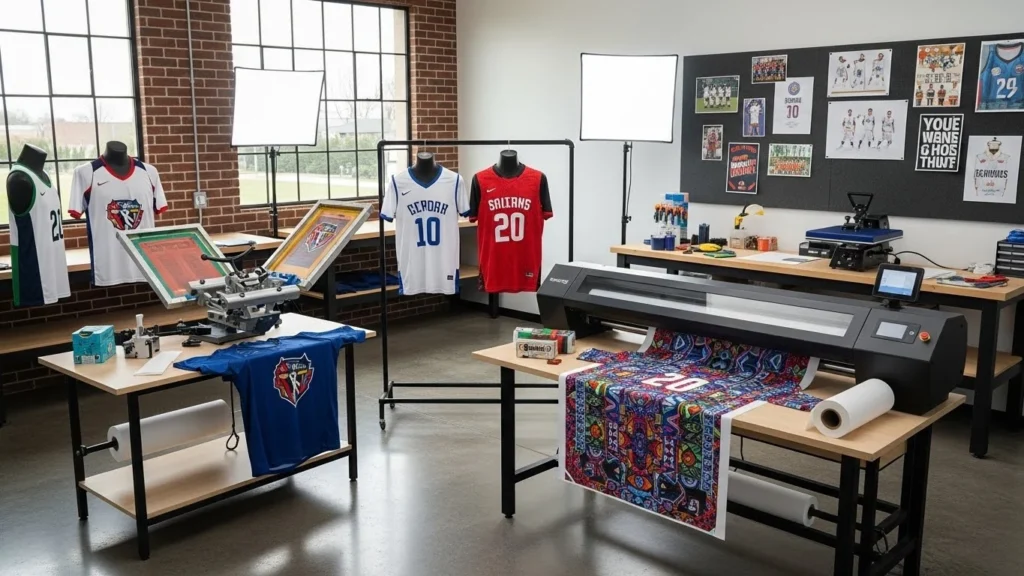
As a result, garments provide airflow where it is needed most while maintaining durability in stress-prone areas. Many custom sportswear programs follow this approach to deliver balanced performance. Brands exploring advanced production methods can review custom sportswear options offered by Bushi Sports.
Fiber Blends to Improve Breathability vs Durability
Another key strategy is blending fibers to combine complementary properties. Polyester improves moisture management, nylon enhances abrasion resistance, and elastane adds flexibility. Consequently, blended fabrics often outperform single-fiber textiles in balancing breathability vs durability.
For brands developing performance collections, selecting the right fabric blends is a foundational step in achieving product reliability and comfort. Visit here!
Construction Techniques That Support Breathability and Strength
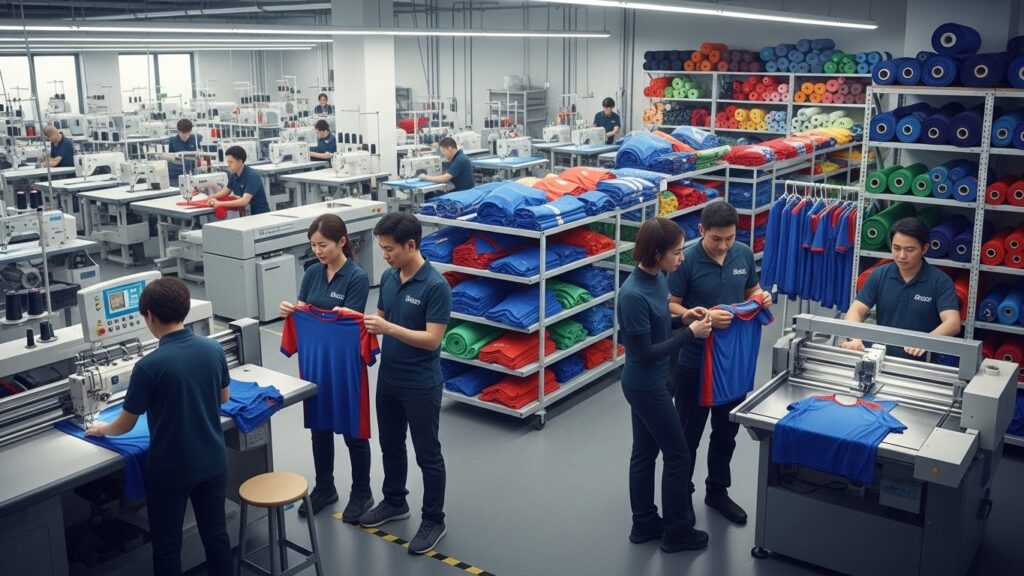
Garment construction plays a vital role in balancing breathability vs durability. Even the best fabric can underperform if seams, panels, and stitching are poorly designed. Therefore, manufacturers apply technical construction methods to reinforce stress points while maintaining airflow.
Effective construction techniques include:
-
Flatlock seams to reduce friction
-
Reinforced stitching in high-stress areas
-
Laser-cut ventilation zones for airflow
-
Strategic panel placement to support movement
Experienced sportswear manufacturers integrate these construction methods into their production workflows. Brands seeking reliable apparel manufacturing processes often partner with professional suppliers. Learn More!
Breathability vs Durability Across Different Sports
The ideal balance between breathability vs durability varies depending on sport type and usage conditions.
For endurance and fitness sports, breathability is often prioritized to manage heat and sweat. In contrast, for contact sports, durability takes precedence to withstand abrasion and physical impact. Outdoor sports require a more even balance, as garments must handle both environmental exposure and comfort demands.
Understanding these use cases helps brands align product design with real user needs. Moreover, consulting with specialized sportswear manufacturers enables brands to tailor fabric and construction choices for specific sports categories. Learn More!
Material Innovation Supporting Breathability vs Durability
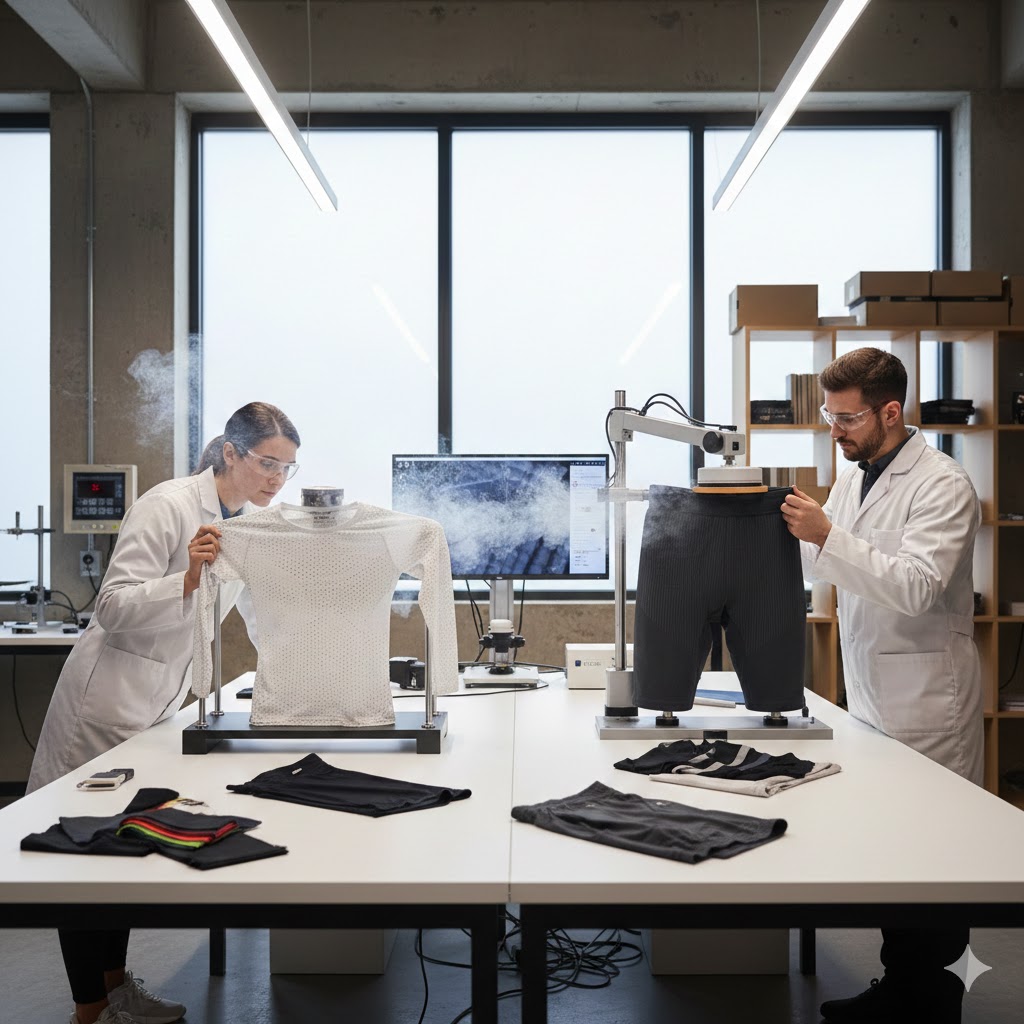
Ongoing textile innovation continues to improve how it is balanced. New yarn structures, engineered knits, and composite fabrics now provide improved airflow without sacrificing strength. In addition, advanced testing methods help manufacturers evaluate real-world performance under simulated conditions.
Common performance tests include:
-
Abrasion resistance testing
-
Moisture vapor transmission testing
-
Tensile strength testing
-
Wash durability testing
For broader insight into textile innovation trends, industry resources such as Textile World offer valuable information on emerging materials and performance fabrics.
How Brands Can Choose the Right Performance Balance
From a brand perspective, achieving the right breathability vs durability balance starts with product strategy. Brands should clearly define intended use cases, performance requirements, and customer expectations. Then, material and construction choices can align with those goals.
Key considerations include:
-
Intended activity level and sport type
-
Expected garment lifespan
-
Washing frequency and care conditions
-
Target market and price positioning
By addressing these factors early, brands reduce the risk of performance mismatches. Moreover, working with experienced partners such as Bushi Sports helps streamline development, prototyping, and quality assurance.
Sustainability and Breathability vs Durability
Sustainability increasingly shapes how performance fabrics are developed. Recycled fibers and eco-friendly materials now offer competitive breathability and durability. However, achieving both performance and sustainability still requires careful testing and thoughtful design.
Sustainable performance strategies include:
-
Using recycled polyester with moisture-wicking properties
-
Designing garments for longer lifespan
-
Reducing chemical finishes where possible
-
Optimizing production processes to reduce waste
As sustainable textile technologies advance, brands gain more options to balance breathability and durability.
Final Thoughts on Breathability vs Durability
Breathability vs durability is not a simple trade-off but a design challenge that defines sportswear performance and user satisfaction. While breathable fabrics enhance comfort and cooling, durable materials ensure long-term reliability. Therefore, the most successful sportswear products combine smart fabric selection, zoned construction, and technical garment engineering.
By investing in material innovation, performance testing, and reliable manufacturing partnerships, brands can deliver sportswear that performs well across comfort, strength, and longevity. Ultimately, mastering the balance between breathability vs durability leads to better products, stronger brand reputation, and more satisfied customers.