
The sportswear and casual apparel industries have experienced a significant transformation over the last decade as consumer expectations continue evolving toward garments that combine comfort, durability, performance, and lifestyle versatility. Among the most popular apparel products within this evolving market, pullover hoodies have become one of the most commercially important categories for global sportswear brands, gym apparel companies, and fashion retailers. Because of this growing demand, the role of a pullover hoodie manufacturer has become increasingly technical and production-focused.
Modern hoodies are no longer considered simple winter garments. They are now engineered apparel products designed for multiple environments including fitness training, travel, recovery wear, outdoor activity, athleisure fashion, and everyday casual use. This shift has forced manufacturers to adopt highly advanced production systems capable of balancing fabric performance, ergonomic comfort, and scalable OEM manufacturing.
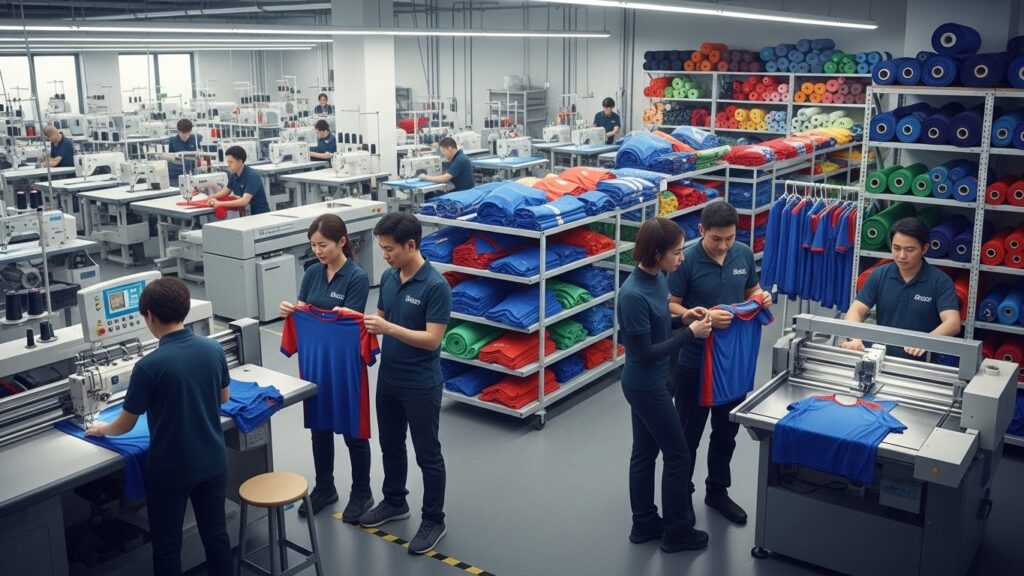
A professional pullover hoodie manufacturer now works through integrated manufacturing systems involving textile engineering, pattern development, stitching technology, quality control, and sustainable production methods. These systems allow sportswear brands to create products that meet global market standards while maintaining brand-specific customization.
The rise of private label sportswear has also increased demand for manufacturers capable of handling large-scale OEM production while offering flexibility in fabric selection, branding, and garment construction. Today’s hoodie manufacturing industry operates within a highly competitive environment where quality consistency and technical innovation determine long-term success.
The Evolution of Pullover Hoodies in Modern Sportswear
Pullover hoodies were originally designed as practical cold-weather workwear garments intended to provide warmth and comfort. Over time, they evolved into mainstream fashion items adopted by athletes, fitness enthusiasts, students, and streetwear consumers. Today, hoodies occupy a unique position where sportswear functionality and lifestyle fashion intersect.
This transition has dramatically changed how a pullover hoodie manufacturer approaches production. Modern consumers expect hoodies to perform across multiple environments while maintaining aesthetic appeal. A hoodie used during outdoor training sessions may also be worn during travel or casual daily activities. Because of this versatility, manufacturers now focus heavily on adaptable garment engineering.
The expansion of athleisure culture has further accelerated hoodie demand globally. Consumers increasingly prioritize clothing that combines mobility, comfort, and minimalist styling. This trend has encouraged sportswear companies to launch hoodie collections that fit both active and casual lifestyles simultaneously.
As global fashion markets continue evolving, hoodie manufacturing has shifted from basic apparel production toward advanced technical garment development systems.
Fabric Engineering and Textile Selection
Fabric engineering is one of the most important elements in hoodie production because the material directly influences comfort, durability, thermal insulation, flexibility, and overall garment behavior. A professional pullover hoodie manufacturer carefully analyzes textile composition before beginning large-scale production.
Modern hoodies commonly use fabric blends such as cotton-polyester fleece, French terry fabrics, brushed knit interiors, and elastane-enhanced performance textiles. Each material combination is selected according to the garment’s intended use.
Cotton fibers provide softness and breathability, making them suitable for lifestyle-focused hoodies. Polyester enhances durability and moisture resistance, ensuring garments maintain structure even after repeated use and washing. Elastane fibers contribute stretch recovery, helping garments retain shape during movement.
One of the most important developments in modern hoodie manufacturing is hybrid fabric engineering. Manufacturers now combine multiple textile technologies into a single material structure to improve thermal regulation, flexibility, and durability simultaneously.
Lightweight fleece systems are becoming increasingly popular because they provide warmth without excessive fabric weight. Similarly, moisture-management textiles are widely used in performance hoodies designed for athletic environments.
Textile innovation continues reshaping hoodie production as manufacturers invest in materials capable of improving comfort and long-term garment performance.
Digital Pattern Development and Garment Precision
Traditional garment production relied heavily on manual drafting and paper-based pattern systems. However, modern hoodie manufacturing now depends on advanced digital design technology to improve production accuracy and efficiency.
A pullover hoodie manufacturer typically uses CAD software to create highly precise garment patterns based on ergonomic body mapping and movement analysis. These systems allow manufacturers to visualize how hoodies will fit and perform before physical production begins.
Digital garment engineering significantly reduces sampling errors and minimizes fabric waste. Manufacturers can simulate garment drape, sleeve movement, hood structure, and seam positioning using 3D software before fabrics are cut.
This technology has become especially important in OEM manufacturing environments where brands require consistent sizing and fit accuracy across large production batches.
Digital systems also improve communication between designers, pattern developers, and production teams, making the manufacturing process more efficient overall.
Cutting Technology and Material Optimization
Fabric cutting is one of the most technically sensitive stages in hoodie production because inaccuracies during this process can affect the entire garment structure. A professional pullover hoodie manufacturer uses automated cutting systems to ensure precision and consistency.
Modern manufacturing facilities commonly use CNC cutting machines and laser-guided fabric cutters capable of handling multiple fabric layers simultaneously. These systems reduce human error and improve production speed.
Material optimization is another major priority during cutting operations. Manufacturers use intelligent layout systems to arrange garment panels in ways that minimize fabric waste while maintaining structural accuracy.
This process is especially important in large-scale OEM production because efficient material usage directly impacts production costs and sustainability performance.
Precision cutting is particularly necessary for hoodies with complex structures such as raglan sleeves, layered hoods, segmented panels, or oversized silhouettes.
Stitching Systems and Construction Engineering
Stitching is the foundation of garment durability and one of the most important technical aspects of hoodie manufacturing. A pullover hoodie manufacturer uses multiple stitching methods depending on the garment’s purpose and performance requirements.
Flatlock stitching is often used in premium performance hoodies because it reduces seam friction and improves wearer comfort during movement. Overlock stitching provides strong structural assembly between fabric panels, while coverstitch methods are used in areas requiring elasticity such as cuffs and waistbands.
High-stress zones including shoulder seams, pocket corners, sleeve attachments, and hood connections are reinforced using double stitching or bar-tack reinforcement systems.
Thread selection also plays a major role in garment durability. Manufacturers must ensure thread elasticity matches fabric behavior to prevent seam breakage during stretching or repeated wear.
Modern stitching systems are designed not only for durability but also for flexibility and ergonomic comfort.
Thermal Regulation and Comfort Systems
Thermal regulation is a critical performance factor in hoodie production because garments must provide warmth while maintaining breathability. A pullover hoodie manufacturer carefully balances insulation and airflow when designing modern hoodies.
This is achieved through layered fabric construction where inner and outer surfaces serve different purposes. The inner layer often focuses on moisture absorption and softness, while the outer layer provides insulation and environmental protection.
Some advanced hoodie systems use air-trap knitting structures that retain body heat while allowing controlled ventilation. This improves comfort during both active and casual use.
Thermal engineering is especially important for sportswear hoodies used in outdoor environments, pre-workout warmups, and travel wear.
As consumer expectations continue increasing, manufacturers are investing heavily in textile technologies that improve temperature regulation without increasing garment weight.
Ergonomic Design and Functional Apparel Development
Modern hoodies are designed around ergonomic movement principles rather than simple visual styling. A pullover hoodie manufacturer must ensure garments support mobility, flexibility, and long-duration comfort.
Multi-panel hood systems improve structural shape and head coverage. Sleeve construction is carefully engineered to allow natural arm movement without fabric restriction.
Kangaroo pockets are reinforced to prevent stretching and maintain structural durability during repeated use. Ribbed cuffs and waistbands are designed to provide secure fit while maintaining elasticity over time.
Functional design has become increasingly important as hoodies are now used across athletic, travel, and lifestyle environments simultaneously.
Manufacturers also focus heavily on balancing oversized fashion trends with ergonomic functionality to ensure garments remain comfortable despite changing silhouettes.
OEM Manufacturing and Private Label Production
OEM manufacturing has become the backbone of modern sportswear production because it allows brands to scale operations without maintaining their own factories. A pullover hoodie manufacturer often manages the entire production lifecycle including sourcing, sampling, stitching, finishing, and packaging.
This system allows sportswear brands to focus on marketing, branding, and retail expansion while manufacturers handle technical production responsibilities.
Private label hoodie production has expanded significantly as startup fitness brands and lifestyle apparel companies seek customized garment collections with unique branding elements.
OEM manufacturing systems support both low-volume startup production and high-volume international distribution, making them essential for modern apparel businesses.
Manufacturers capable of maintaining consistent quality across large production runs are highly valued within the global sportswear industry.
Sustainability in Hoodie Manufacturing
Sustainability has become one of the most influential factors shaping modern apparel production. Consumers increasingly expect sportswear brands to use environmentally responsible manufacturing systems.
A future-focused pullover hoodie manufacturer now invests in recycled fabrics, low-impact dyeing methods, and waste reduction systems. Many factories also optimize cutting layouts to reduce textile waste during production.
Durability itself has become part of sustainable manufacturing because longer-lasting garments reduce overall environmental impact.
Manufacturers are also experimenting with sustainable stretch fabrics and biodegradable textile blends to improve environmental responsibility without compromising garment performance.
As global sustainability standards continue evolving, eco-conscious production systems are expected to become a central requirement in sportswear manufacturing.
Technology Integration in Modern Hoodie Production
Technology now plays a major role in hoodie manufacturing efficiency and quality control. A pullover hoodie manufacturer increasingly uses automation systems, digital quality analysis, and AI-assisted production planning.
3D garment simulation tools allow brands to review product designs before physical production begins. Automated inspection systems can identify stitching inconsistencies and fabric defects during manufacturing.
Data-driven production systems also improve inventory management and reduce manufacturing delays.
Technology integration has become essential for manufacturers competing in global OEM apparel markets where speed, consistency, and scalability are critical.
Future Trends in Pullover Hoodie Manufacturing
The future of hoodie manufacturing will likely focus on smart textiles, adaptive fabrics, and highly automated production systems. Manufacturers are already exploring temperature-responsive fabrics and seamless garment knitting technologies.
Customization is also expected to become increasingly important as consumers seek more personalized apparel experiences.
At the same time, lightweight thermal systems and sustainable performance textiles will continue reshaping the sportswear industry.
Manufacturers capable of combining textile innovation, ergonomic engineering, scalable OEM production, and sustainability will remain highly competitive in future global markets.
Conclusion
Pullover hoodie manufacturing has evolved into a highly technical segment of the global sportswear industry where fabric science, digital engineering, ergonomic construction, and scalable OEM systems all work together to create advanced apparel products.
A professional pullover hoodie manufacturer now serves as both a production partner and an innovation partner for sportswear brands seeking high-quality custom apparel solutions.
From textile engineering and precision stitching to sustainable manufacturing and private label development, hoodie production continues expanding alongside global demand for versatile sportswear and lifestyle apparel.
Businesses seeking scalable OEM manufacturing, private label hoodie production, or custom sportswear development can benefit from working with experienced manufacturing partners capable of delivering consistent quality and modern production expertise.
For production inquiries and custom apparel consultations:
Email: info@bushisports.com
WhatsApp: +92 348 4018578